DbcultAccessing Vault...
6.5/10
Senior Film Conservator
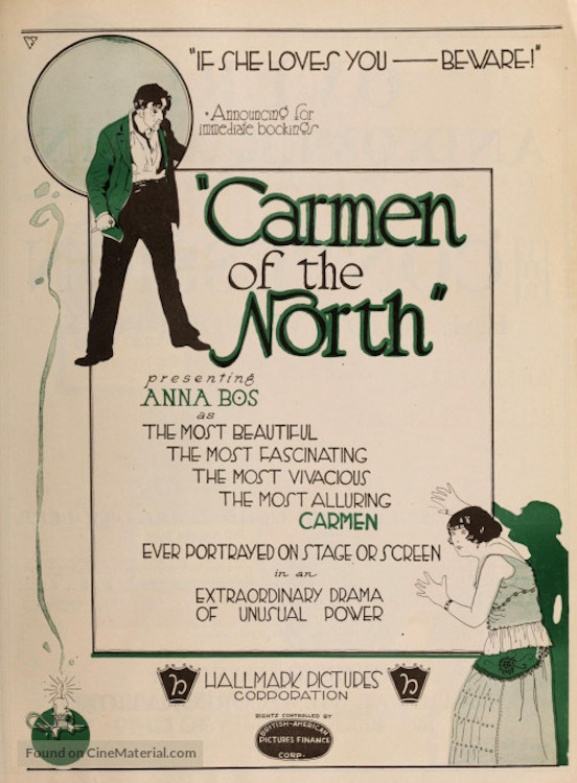
A definitive 6.5/10 rating for a film that redefined the boundaries of cult cinema. Carmen of the North remains a cornerstone of transgressive art.
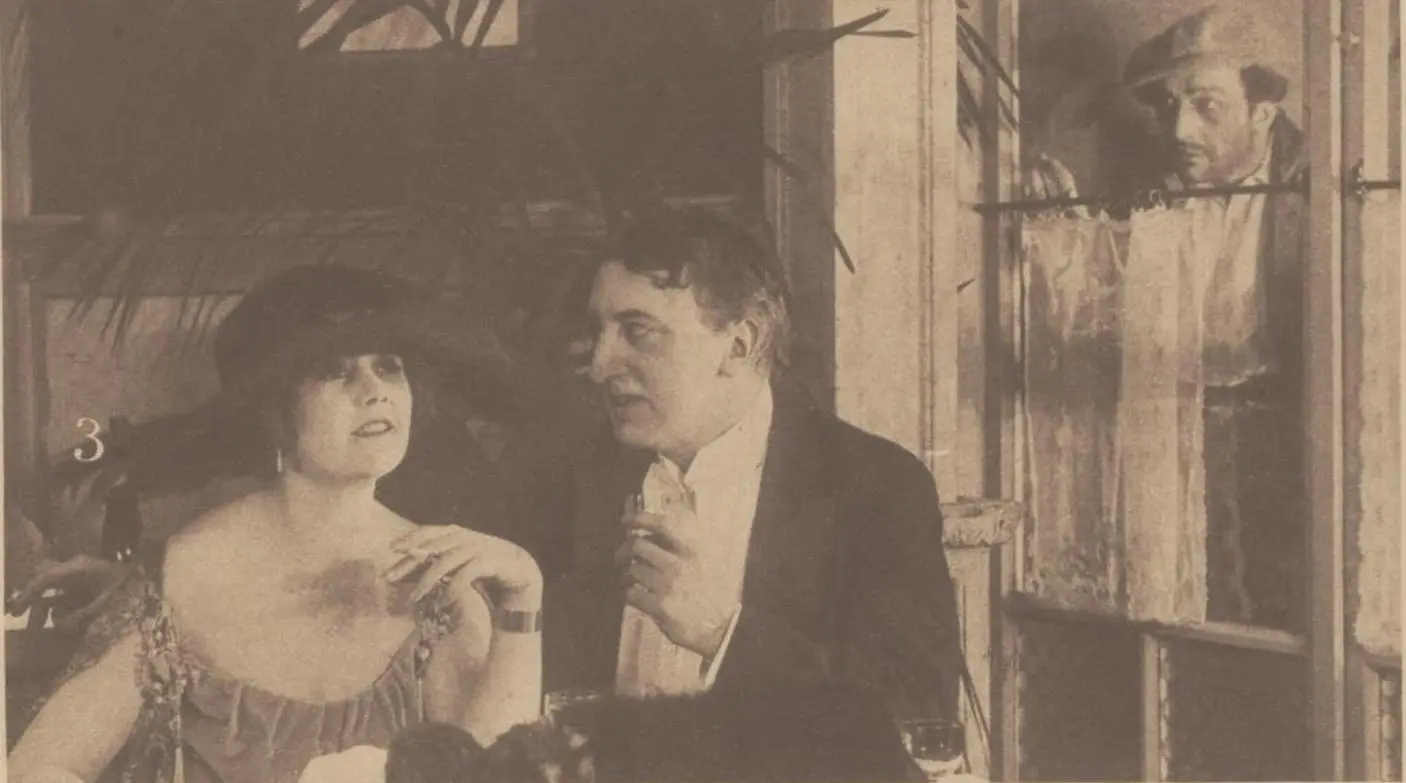
The opening tableau of Carmen of the North is a chiaroscuro of fog‑laden alleys and flickering streetlamps, a visual overture that immediately signals the film’s preoccupation with shadow and light. Leni Marcus, portraying the eponymous Carmen, glides through this nocturnal landscape with a confidence that borders on defiance, her presence a splash of dark orange (#C2410C) against the monochrome backdrop. The camera, often perched at a low angle, magnifies her magnetic allure, while the muted palette underscores the oppressive atmosphere that Joz, played with trembling vulnerability by Fred Homann, must navigate.
At its core, the film is a study in the erosion of personal ethics under the weight of desire. The script, a collaborative effort between Prosper Mérimée, Maurits Binger, and Hans Nesna, weaves a labyrinthine plot that juxtaposes the procedural rigor of a homicide investigation with the intoxicating chaos of forbidden love. Joz’s impending nuptials to Maryam—embodied by Annie Bos with a quiet, steadfast grace—serve as a narrative fulcrum, anchoring his character in the realm of conventional morality. Yet, each encounter with Carmen pulls him further into a vortex where duty and passion collide, echoing the tragic arcs found in The Law Decides and the moral ambiguity of The Girl Who Wouldn't Quit.
Fred Homann’s Joz is a study in restrained desperation; his eyes constantly flick between the case file and Carmen’s silhouette, a visual metaphor for his internal schism. The actor employs micro‑expressions—subtle furrowing of brows, fleeting tremors in his hands—to convey a man whose confidence is eroding beneath the weight of his own obsession. In contrast, Leni Marcus infuses Carmen with a kinetic energy that feels both modern and timeless. Her gestures are deliberately exaggerated, a dance of seduction that mirrors the fluidity of water, the very element that the film repeatedly references through its sea‑blue (#0E7490) accents. This dichotomy between Joz’s stilted composure and Carmen’s fluid charisma creates a palpable tension that drives the narrative forward.
The director’s palette is meticulously curated: black dominates the mise‑en‑scene, punctuated by strategic bursts of dark orange, yellow, and sea blue. Dark orange (#C2410C) surfaces in moments of heightened emotional intensity—most notably during the climactic confrontation in the abandoned warehouse, where the flickering industrial lights cast a molten hue over the protagonists, symbolizing the burning of old identities. Yellow (#EAB308) appears sparingly, often as a visual cue for moments of fleeting hope, such as the sunrise that briefly illuminates Joz’s apartment before the final descent into darkness. Sea blue (#0E7490) is employed as a recurring motif in reflective surfaces—rain‑slicked windows, riverine backdrops—signifying the fluidity of truth and the murky depths of Joz’s conscience.
The film’s pacing oscillates between methodical investigation sequences and rapid, breathless interludes with Carmen. This dual rhythm mirrors Joz’s psychological state: the deliberate, almost forensic progression of his case work is constantly interrupted by impulsive, passion‑driven escapades. The editing, characterized by crisp cuts during police procedural scenes and lingering dissolves during intimate moments, reinforces this dichotomy. Notably, the screenplay eschews conventional expository dialogue, opting instead for visual storytelling—an approach reminiscent of the narrative economy in The Curse of Greed. This restraint invites the audience to actively piece together motives and subtext, fostering a deeper engagement with the film’s moral quandaries.
When juxtaposed with Emerald of Death, Carmen of the North distinguishes itself through its emphasis on internal conflict rather than external peril. While both films feature detectives grappling with personal demons, the former leans heavily on atmospheric dread, whereas the latter foregrounds the seductive allure of a femme fatale who embodies both salvation and ruin. Similarly, the film’s exploration of class disparity—exemplified by the murdered prostitute’s marginalized existence—resonates with the social commentary in The Girl Who Stayed at Home, albeit filtered through a more intimate, character‑driven lens.
The auditory landscape is a tapestry of discordant strings and muted city hums, orchestrated to echo Joz’s escalating disquiet. A recurring leitmotif—a low, throbbing cello—accompanies Carmen’s appearances, underscoring her role as both muse and menace. In moments of investigative breakthrough, the score shifts to a staccato piano, reflecting the detective’s fleeting clarity. The sound mix deliberately places dialogue just beneath the ambient noise, compelling the viewer to strain for comprehension, thereby mirroring Joz’s own struggle to discern truth amidst the cacophony of his desires.
The central tension—duty versus desire—is rendered with a subtlety that rewards repeated viewings. Joz’s internal monologue, conveyed through sparse voice‑over, is not a conventional exposition but a fragmented stream of consciousness that reveals his oscillation between professional obligation and personal longing. This narrative device aligns with the existential underpinnings of classic literature, drawing a parallel to the tragic inevitability of Great Expectations. The film posits that the pursuit of love, when untethered from moral grounding, can precipitate a self‑destructive metamorphosis, a theme that resonates profoundly in contemporary discourse on ethical relativism.
Director Maurits Binger’s auteurial imprint is evident in his meticulous composition and thematic preoccupations. His penchant for stark contrasts—light versus shadow, order versus chaos—creates a visual dialect that speaks louder than dialogue. Binger’s use of long takes, particularly during the climactic rooftop confrontation, forces the audience to inhabit the characters’ discomfort, amplifying the emotional stakes. This technique finds a kinship with the immersive style of Hinton's Double, where prolonged shots serve as conduits for psychological tension.
The production design meticulously reconstructs a 1920s northern metropolis, with cobblestone streets, wrought‑iron balconies, and dimly lit taverns that exude an air of gritty authenticity. Costumes are a study in contrast: Joz’s austere trench coat, rendered in muted grays, juxtaposes sharply against Carmen’s flamboyant dresses—rich fabrics in deep burgundy and sapphire that catch the limited light, reinforcing her role as a visual catalyst. The attention to period detail extends to props, such as the brass pocket watch Joz clutches—a symbol of time slipping away, both in his investigation and his personal life.
Upon its release, Carmen of the North garnered polarized critiques; some lauded its atmospheric bravura, while others decried its ambiguous moral stance. Over the decades, the film has accrued a cult following, praised for its daring subversion of the detective genre and its nuanced portrayal of a femme fatale who defies simplistic categorization. Modern scholars cite the film as a precursor to neo‑noir sensibilities, noting its influence on later works such as Der Fund im Neubau - 2. Teil: Bekenntnisse eines Mörders, which echoes its thematic preoccupation with identity disintegration.
In sum, Carmen of the North stands as a meticulously crafted tragedy that interrogates the fragility of moral certitude when confronted with unbridled passion. Its layered performances, evocative color symbolism, and deliberate pacing coalesce into a work that rewards analytical viewing. For aficionados of genre‑bending cinema, the film offers a rich tapestry of visual and narrative intricacies that continue to reverberate in contemporary storytelling. Whether approached as a study of detective tropes, a love‑driven downfall, or a visual poem of light and shadow, the film asserts its place as a timeless exemplar of artistic daring.
IMDb —
1916
Community
Log in to comment.