DbcultAccessing Vault...
Cult Review
Senior Film Conservator
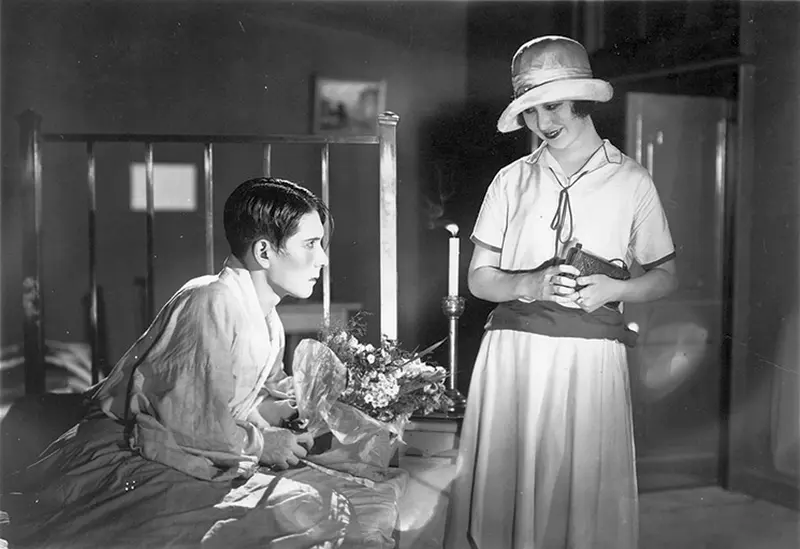
Is Jihi shinchô worth watching today? Short answer: absolutely, but with crucial caveats. This film is a fascinating historical artifact for cinephiles and students of early Japanese cinema, offering a window into the narrative sophistication of the era. However, those accustomed to modern pacing or seeking light entertainment will likely find its deliberate rhythm challenging, making it a niche experience rather than a universal recommendation.
It's a testament to the power of silent storytelling, a genre often misunderstood or dismissed by contemporary audiences. For those willing to engage with its particular demands, "Jihi shinchô" offers a rich, emotionally resonant experience that transcends its age.
At its heart, "Jihi shinchô" is a potent examination of male rivalry, not overtly aggressive, but deeply insidious. Shunsuke and Ryutaro, portrayed by Kaichi Yamamoto and Tokihiko Okada respectively, are bound by a friendship forged in youth and tested by shared aspirations. Their bond, initially a source of mutual support, becomes a fragile thing when the unspoken desire for Shizuko (Shizue Natsukawa) enters the equation. This isn't a simple love triangle; it's a slow-motion car crash of emotions.
The film, based on a novel by Hiroshi Kikuchi and adapted by Shūichi Hatamoto, masterfully portrays the psychological toll of unfulfilled desire and professional competition. The stakes are not just romantic, but existential, as each man’s sense of self becomes intertwined with his success in both love and career. It's a remarkably modern theme for a film from the 1920s, showing that human nature's complexities are truly timeless.
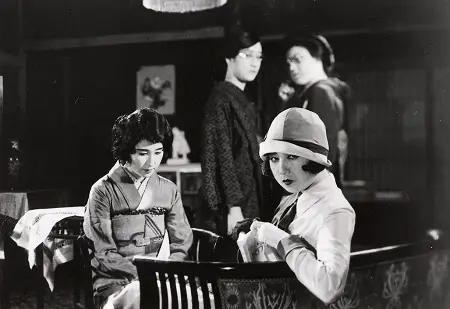
This film works because of its unflinching commitment to character psychology, revealing the subtle yet devastating impact of silent rivalries. It fails because its deliberate, almost languid pacing might alienate viewers accustomed to contemporary narrative propulsion. You should watch it if you appreciate historical cinema, nuanced character studies, and the unique expressive power of silent film acting.
The performances in "Jihi shinchô" are a testament to the unique demands and artistry of silent cinema. Kaichi Yamamoto as Shunsuke conveys a quiet intensity, his ambition masked by an intellectual demeanor. His eyes, often downcast or subtly shifting, speak volumes about his internal conflict, particularly in scenes where he observes Shizuko and Ryutaro together. It’s a performance built on restraint, a simmering volcano beneath a calm exterior.
Tokihiko Okada's Ryutaro, in contrast, often exudes a more overt passion, a youthful exuberance that makes his eventual emotional unraveling all the more poignant. His gestures are broader, his smiles more radiant, but there's a vulnerability that makes him deeply sympathetic. One particular scene, where he silently pleads with Shizuko using only his gaze and a slight tremble of his hand, is profoundly affecting, demonstrating the power of unspoken communication.
Shizue Natsukawa, as the object of their affection, is not merely a passive figure. She embodies a quiet strength, her expressions often reflecting a deep understanding of the delicate balance she must maintain. Her performance is less about grand gestures and more about subtle reactions – a flicker of hesitation, a knowing glance – that anchor the emotional reality of the triangle. She's the emotional fulcrum, and Natsukawa carries that weight with grace.
The entire ensemble, including Namiko Tsukiji, Mitsuyo Hara, Eiji Nakano, Eiji Takagi, and Kimiko Maki, contributes to the film's rich tapestry, each actor understanding the necessity of conveying character and emotion through physicality and facial nuance without the crutch of dialogue. It’s a forgotten art, truly.
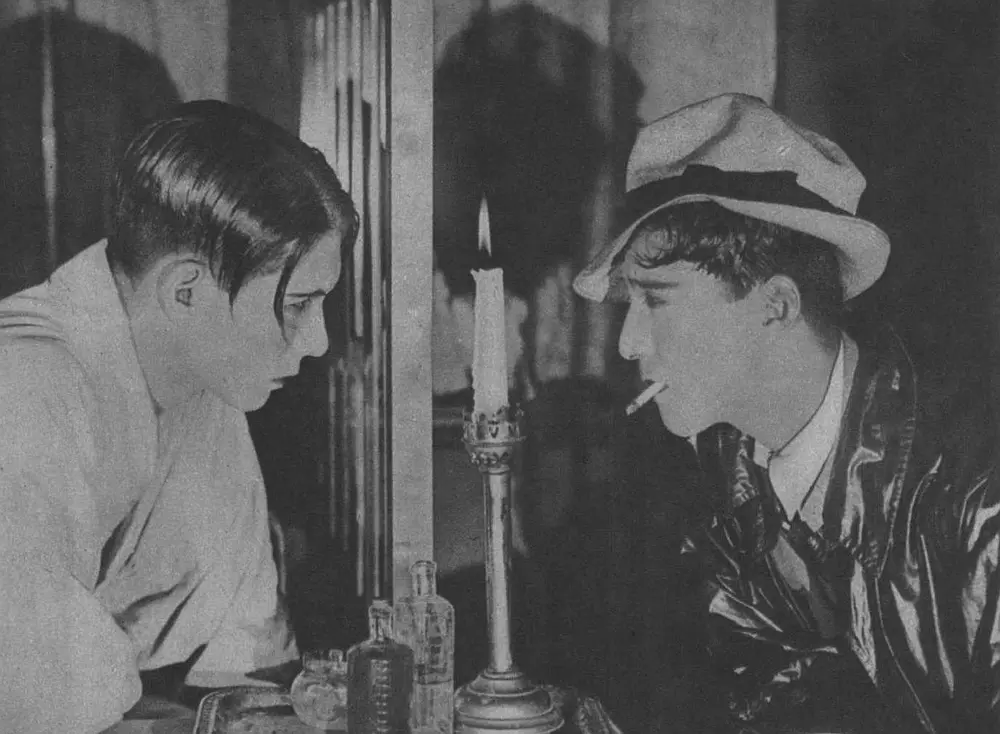
Director Shūichi Hatamoto, working from Shūichi Hatamoto's own screenplay adaptation, demonstrates a keen understanding of visual storytelling. The cinematography, while constrained by the technology of the era, is often thoughtful, employing compositions that emphasize psychological distance or intimacy. Close-ups are used sparingly but effectively, drawing the viewer into the characters' inner worlds at critical emotional junctures. Consider the scene where Shunsuke is studying, but his gaze drifts off-screen – Hatamoto holds the shot just long enough for us to infer his distraction, his mind elsewhere, likely on Shizuko.
Hatamoto’s direction is also notable for its pacing. He allows scenes to breathe, letting the emotional weight accumulate. This isn't a film that rushes its plot points; rather, it luxuriates in the unspoken tension between its characters. The use of natural light and shadow, particularly in indoor scenes, adds a layer of depth and mood that enhances the dramatic atmosphere, a common but expertly executed technique of the period.
The staging of scenes, particularly those involving all three protagonists, is meticulously crafted. There's a subtle choreography to their movements and positioning within the frame that speaks volumes about their shifting relationships. A simple act of one character turning their back to another, or a shared glance across a crowded room, carries immense narrative significance, a hallmark of skilled silent direction.
The pacing of "Jihi shinchô" is undeniably deliberate. For contemporary viewers, this can be both its greatest challenge and its most rewarding aspect. The film doesn't rely on quick cuts or rapid dialogue to propel the narrative. Instead, it builds its tension through extended takes, lingering expressions, and the slow, almost imperceptible erosion of relationships. This allows for a deeper immersion into the characters' emotional states, demanding patience but offering profound insight.
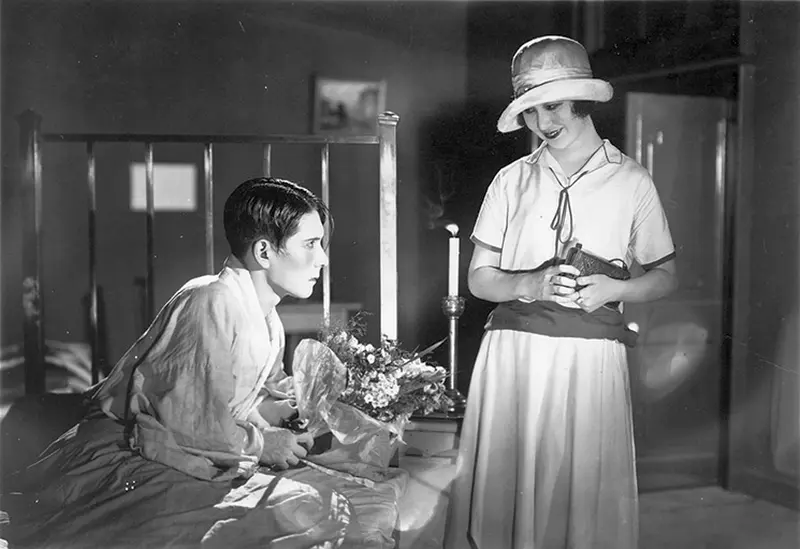
The tone is largely one of subdued melodrama, a common characteristic of silent dramas from this period. However, Hatamoto elevates it beyond mere theatricality through the nuanced performances and grounded character motivations. While some moments might feel overtly dramatic by today's standards – a hand clutched to the chest, a sudden collapse – they are delivered with an earnestness that makes them feel authentic within the film's own language.
It’s a film that resonates with the cultural sensibilities of 1920s Japan, where concepts of duty, honor, and unspoken societal expectations often dictated personal actions. The internal struggles of Shunsuke and Ryutaro are not just personal; they reflect a broader cultural context where individual desires often clash with deeply ingrained traditions and expectations. This historical lens adds another layer of intrigue to the viewing experience.
Yes, Jihi shinchô is absolutely worth watching today, but with specific expectations. It is a vital piece of early Japanese cinema. It showcases sophisticated storytelling for its time. It provides a unique window into silent film acting. However, it is not for everyone. Casual viewers might find its slow pace challenging. Those looking for action or fast-paced dialogue will be disappointed. It works. But it’s flawed by modern standards.
One surprising observation about "Jihi shinchô" is how its most impactful drama unfolds almost entirely within the characters' internal landscapes. Unlike many melodramas of the era that relied on grand, externalized conflicts, this film excels at portraying the quiet devastation of unspoken desires and subtle betrayals. The true battle isn't a physical confrontation but a silent war of wills and affections, which is remarkably ahead of its time.
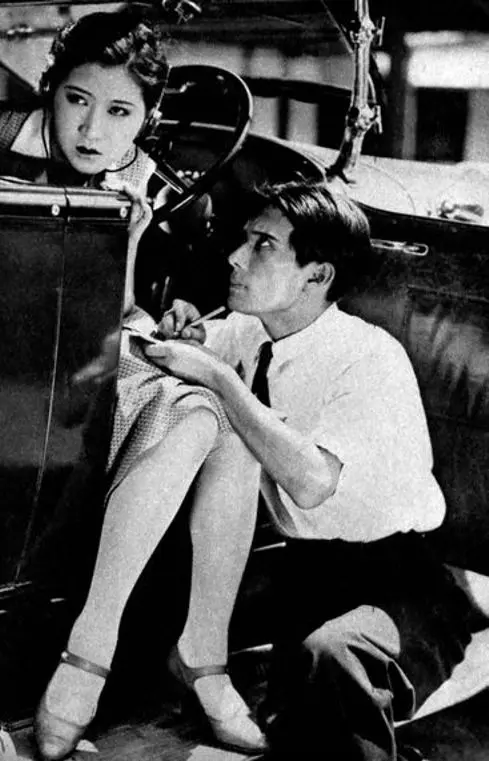
My strong, perhaps debatable, opinion is that the film's power lies precisely in its demanding nature. It doesn't spoon-feed its audience emotions or motivations. Instead, it invites active interpretation, forcing viewers to piece together the psychological puzzle from glances, pauses, and the subtle shifts in body language. This participatory viewing experience, while challenging, ultimately makes the emotional payoff far more profound than many more explicit narratives.
Another unconventional aspect is how the film treats its female lead, Shizuko. While she is the object of affection, she is not entirely a passive prize. Natsukawa imbues her with an agency, albeit a subtle one, that complicates the simple narrative of two men vying for a woman. She makes choices, however limited by societal norms, that directly impact the narrative, making her a more complex character than often found in such romantic triangles of the period.
"Jihi shinchô" is not merely a relic; it is a vibrant, if demanding, piece of cinematic art that continues to speak volumes about human nature. Its exploration of ambition, friendship, and the corrosive power of unspoken love is as relevant today as it was nearly a century ago. While its pacing and silent format require a particular kind of engagement, the rewards are substantial for those willing to lean in and interpret its visual poetry.
It stands as a testament to the sophistication of early Japanese cinema and the enduring power of character-driven drama. For those with an appreciation for film history and a patience for its unique cadence, "Jihi shinchô" is an enriching and deeply moving experience that deserves to be rediscovered. It's an important film, a challenging film, and ultimately, a rewarding film. Go watch it, but prepare to immerse yourself fully.
IMDb 4.8
1930
Community
Log in to comment.