DbcultAccessing Vault...
6.4/10
Senior Film Conservator
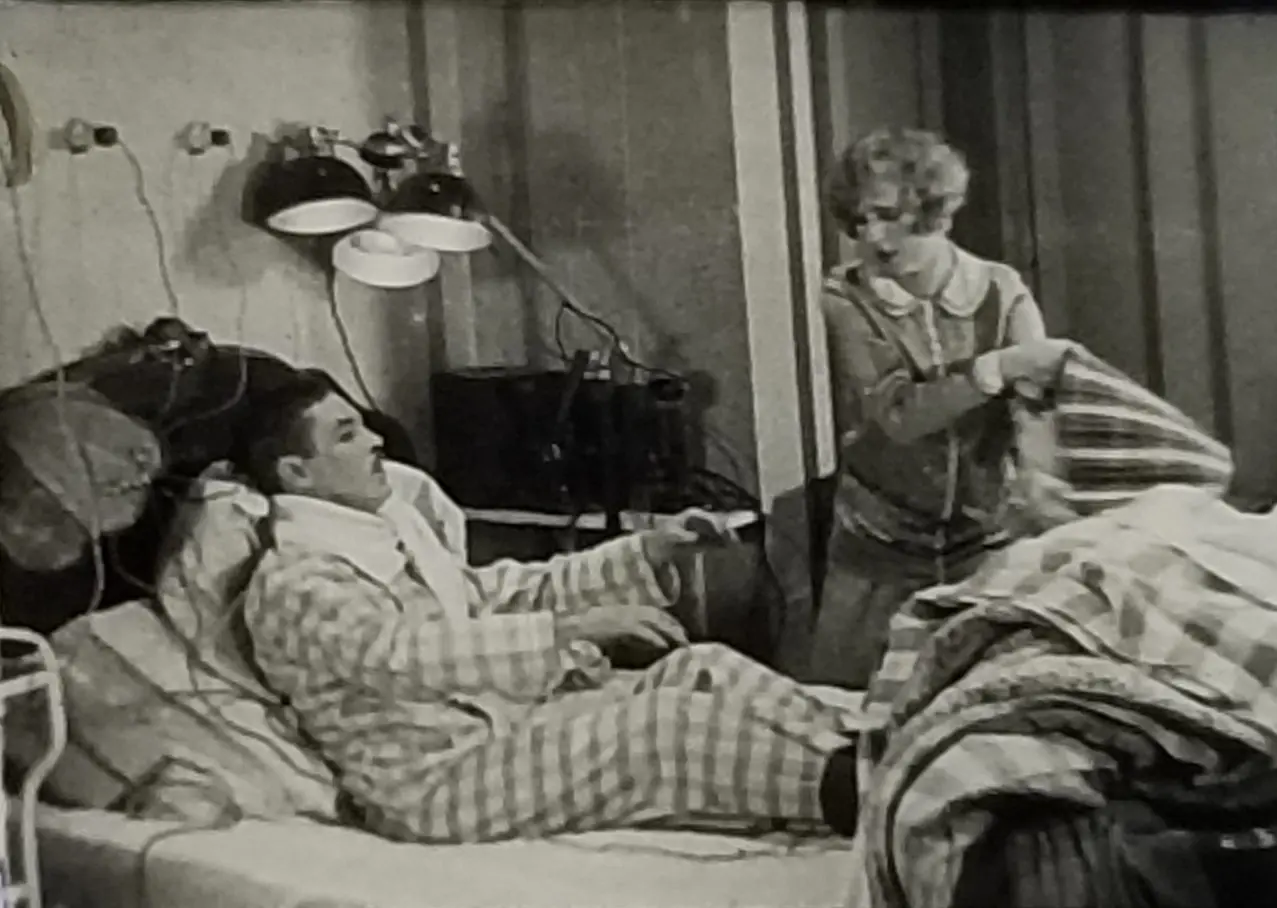
A definitive 6.4/10 rating for a film that redefined the boundaries of cult cinema. Home Cured remains a cornerstone of transgressive art.
Is this vintage short actually worth your time in the modern era? Short answer: Yes, but only if you appreciate the specific, high-octane energy of silent-era character comedy. This film is specifically for fans of physical comedy and those interested in the evolution of the 'fussy man' archetype, but it is certainly not for those who demand grounded, realistic narratives or subtle humor.
This film works because of Johnny Arthur's unique physical language; his ability to make a simple sneeze look like a terminal event is a masterclass in silent hyperbole. However, the film fails because the middle act leans too heavily on repetitive gags that stall the momentum before the final 'cure' begins. You should watch it if you want to see a rare example of 1920s 'gaslighting' played for laughs, providing a window into how the era viewed mental health and domestic roles.
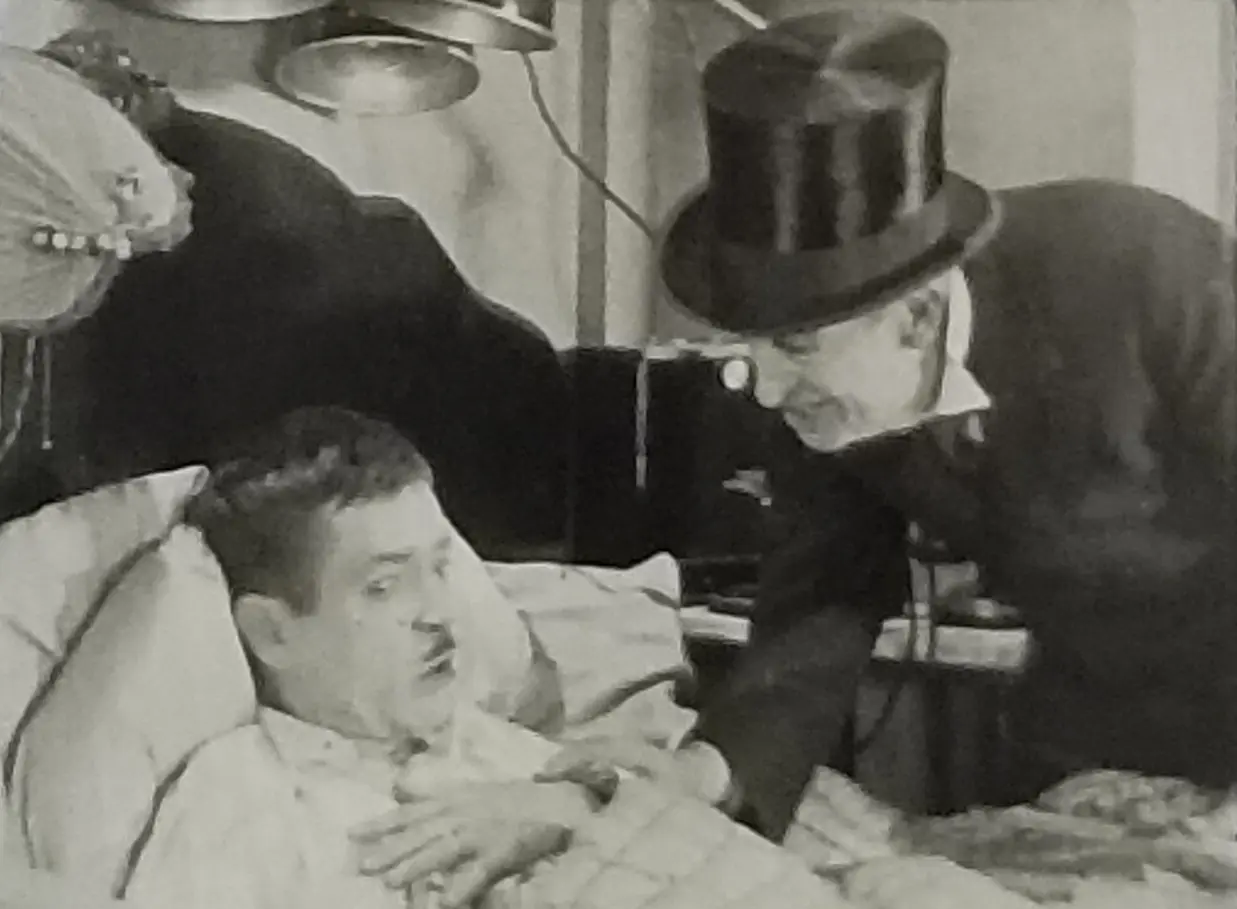
In the 1920s, Johnny Arthur carved out a niche as the screen's premier 'nervous' man. While contemporaries like Buster Keaton were stoic and Harold Lloyd was enterprising, Arthur was often portrayed as the man on the verge of a breakdown. In Home Cured, this persona reaches its logical, albeit absurd, conclusion. The film opens not with an adventure, but with a thermometer. The sheer commitment Arthur brings to his imaginary suffering is what keeps the first five minutes from being tedious. He isn't just acting sick; he is performing the *idea* of sickness with a frantic, wide-eyed desperation that feels both dated and strangely modern.
The direction by the uncredited filmmaker—though likely influenced by the Educational Pictures house style—focuses heavily on the domestic space as a cage. Every prop, from the medicine bottles to the heavy blankets, is used to emphasize the protagonist's self-imposed isolation. Unlike the sprawling landscapes of The Salvation Hunters, Home Cured thrives on claustrophobia. It makes the eventual 'cure'—which involves a chaotic disruption of this domestic space—feel like a genuine release for both the character and the audience.
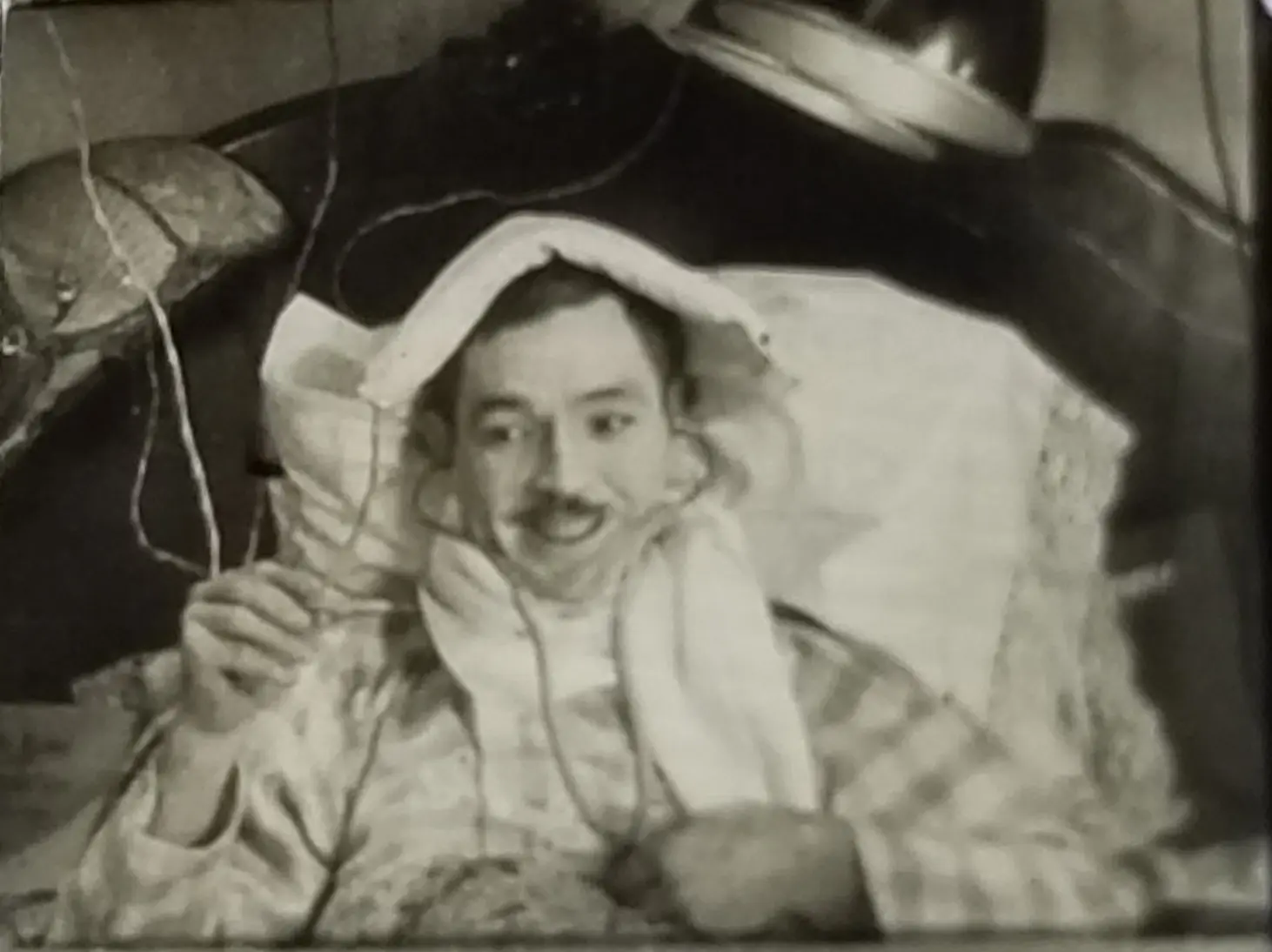
For the casual viewer, Home Cured might feel like a relic, but for the cinema enthusiast, it provides a vital link in the history of the sitcom. The premise—a spouse and a friend teaming up to trick a difficult husband—is a trope that would later be refined in shows like *I Love Lucy* or *The Honeymooners*. The film answers the question of its own relevance by being undeniably fast-paced. It doesn't overstay its welcome. It hits its beats with the precision of a vaudeville act, making it a perfect 'palette cleanser' between heavier features like The Whip or the dramatic weight of Moth and Rust.
"The 'home cure' depicted here is less about medicine and more about psychological warfare, proving that in 1926, comedy was often found in the most brutal of places."
The second half of the film is where the energy shifts from observational humor to pure slapstick. The 'cure' devised by the wife and doctor is essentially a precursor to the modern 'intervention,' but with more falling over. Virginia Vance plays the wife with a stoic, almost terrifying efficiency. She doesn't offer sympathy; she offers a mirror to his absurdity. This dynamic is fascinating when compared to other films of the period like Is Divorce a Failure?, where marital strife is treated with a much heavier hand. Here, the strife is the joke.
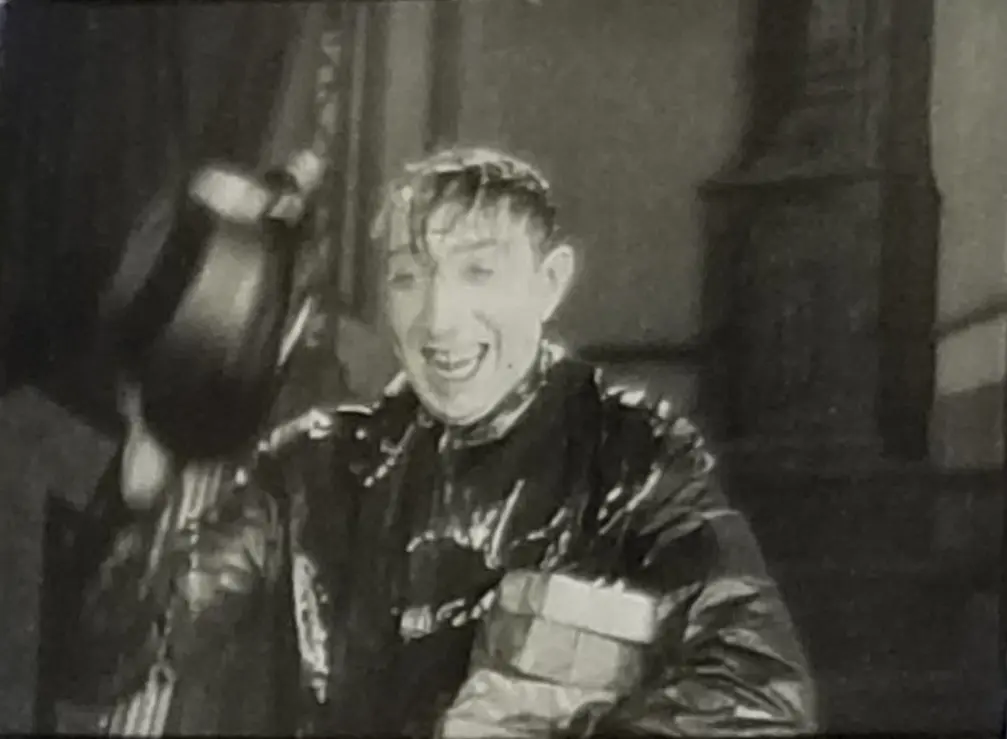
One specific scene involving a fake fire and the protagonist's sudden 'recovery' of his athletic abilities is the highlight of the short. It’s a classic trope—the miraculous healing through adrenaline—but Arthur executes it with such genuine panic that it transcends the cliché. You can see the roots of the 'fussy man' character that would later be perfected by actors like Edward Everett Horton or even David Hyde Pierce. It works. But it’s flawed. The transition from the slow-paced opening to the manic finale feels a bit jerky, lacking the smooth escalation found in a Chaplin short.
Visually, the film is standard for the mid-20s. The cinematography doesn't take the risks seen in The Silent Lie, but it understands the geometry of comedy. The camera stays wide enough to capture the full range of Arthur's physical contortions. The lighting is flat and bright, typical for 'Mermaid Comedies,' ensuring that every facial twitch is visible. This is 'actor-first' filmmaking. The script by Donna Barrell is lean, focusing on the physical payoff rather than complex intertitles. This makes it an easy watch for those who find silent films difficult to follow.
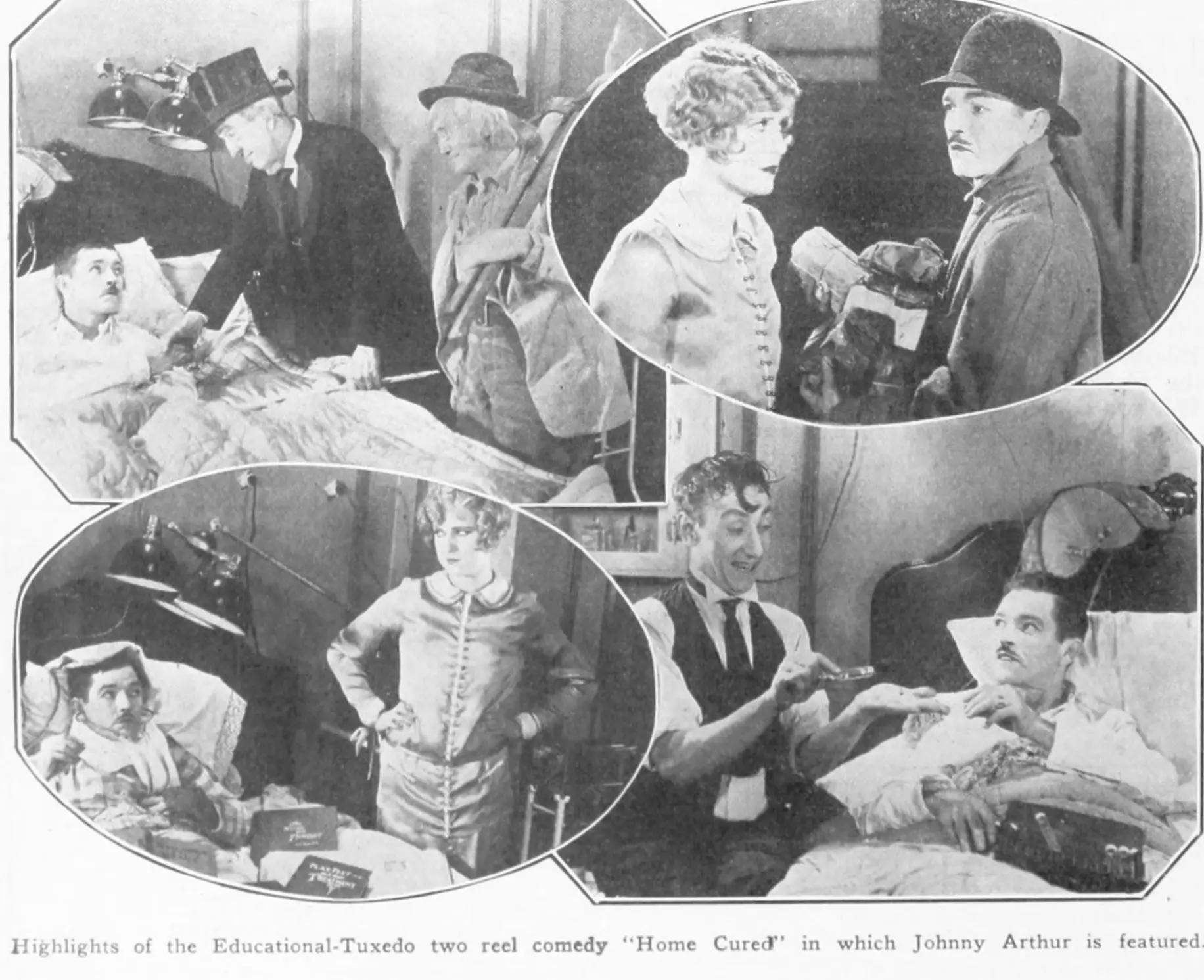
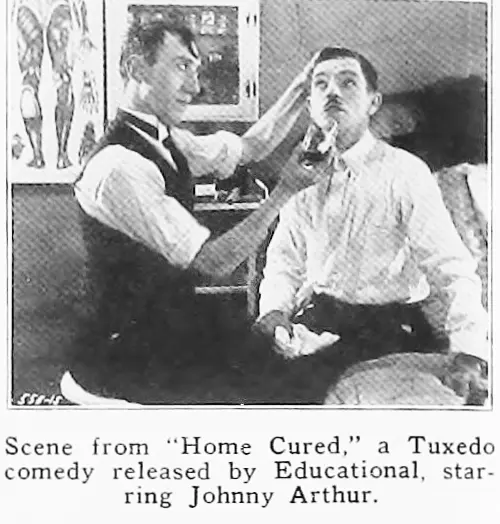
However, we must address the pacing. The film suffers from a common silent-comedy ailment: the 'middle muddle.' There is a stretch where the doctor’s visits become repetitive. We get it—he’s not sick, and he’s being annoying. The film could have benefited from a more varied set of symptoms or a quicker move to the third-act deception. Compared to the tight narrative of The Flash of Fate, Home Cured feels a bit like it's treading water in its middle five minutes.
Pros:
- Exceptional physical performance by the lead.
- A brisk runtime that prevents the thin premise from wearing out.
- Interesting historical context regarding domestic life and medical skepticism.
- Strong chemistry between Johnny Arthur and Virginia Vance.
Cons:
- Limited set pieces compared to higher-budget shorts of the era.
- The 'comedy of annoyance' can occasionally become actually annoying.
- Predictable resolution that lacks the 'twist' modern audiences might expect.
An unconventional observation: Home Cured is secretly a film about female agency. In an era where women were often depicted as the ones needing 'taming' (as seen in The Man Tamer), here it is the wife who holds all the power. She is the architect of the reality her husband inhabits. She and the doctor conspire to manipulate the 'head of the household' for his own good. It’s a subtle subversion of the patriarchal domestic structure, even if it’s wrapped in a silly package of medicine bottles and fake bandages.
This mirrors themes found in The Invisible Bond, though obviously through a much more comedic lens. The husband's hypochondria is presented as a form of weakness that de-masculinizes him, and the 'cure' is designed to force him back into a traditional, active male role. It’s a fascinating, if somewhat brutal, look at how 1920s society viewed the intersection of health and masculinity. If you aren't 'manly' enough to be healthy, the film suggests, you will be bullied into it by your wife.
Home Cured is a sharp, albeit minor, entry in the silent comedy canon. It doesn't have the poetic soul of The Silent Lie or the grand scale of The Iron Man, but it possesses a manic, nervous energy that is entirely its own. Johnny Arthur is a talent that deserves more modern recognition, and this film is the perfect introduction to his 'fidgety' charms. It’s a film that reminds us that while medical technology has changed since 1926, the human tendency to overthink a common cold is timeless. Watch it for the history, stay for the chaotic third act, and leave with a newfound appreciation for your own health.
IMDb 5.5
1930
Community
Log in to comment.