DbcultAccessing Vault...
8.5/10
Senior Film Conservator
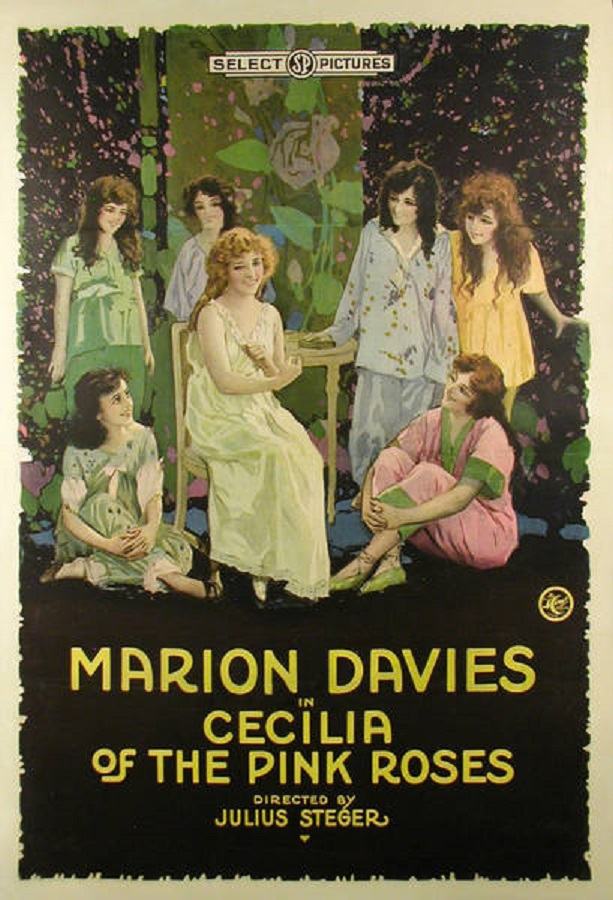
A definitive 8.5/10 rating for a film that redefined the boundaries of cult cinema. Cecilia of the Pink Roses remains a cornerstone of transgressive art.
Stepping back into the cinematic landscape of 1918, one encounters a fascinating tapestry of nascent storytelling, where melodrama often reigned supreme, yet glimpses of profound human experience frequently pierced through the theatricality. S.M. Weller and Katharine Haviland-Taylor, through their intricate screenplay for Cecilia of the Pink Roses, crafted a narrative that, while rooted in the conventions of its time, resonates with an enduring emotional sincerity. This film, starring the luminous Marion Davies, offers a window into the struggles of an Irish-American family, painting a vivid portrait of resilience, sacrifice, and the unyielding power of love in the face of insurmountable odds. It's a testament to the era's ability to communicate complex emotional states without a single spoken word, relying instead on the nuanced performances of its cast and the evocative power of visual storytelling.
At the core of Cecilia of the Pink Roses lies the poignant saga of Cecilia, a character imbued with a formidable spirit, brought to life with captivating grace by Marion Davies. Her family, ensnared in the clutches of poverty, faces an even more crushing blow: the imminent demise of her beloved mother. This stark reality forms the narrative's bedrock, compelling Cecilia into a series of desperate measures to preserve her family's fragile existence and, more importantly, to afford her mother a semblance of comfort and dignity in her final days. The film masterfully delineates the emotional toll of such a predicament, showcasing Cecilia's internal conflict as she grapples with choices that challenge her moral compass. Unlike the grand, often sensationalized narratives seen in some contemporaries, such as the epic El grito de Dolores o La independencia de México, Cecilia grounds its drama in the intensely personal, making its emotional impact all the more potent. The film’s exploration of familial duty and the lengths to which one will go for a loved one is a universal theme, rendered with particular sensitivity here.
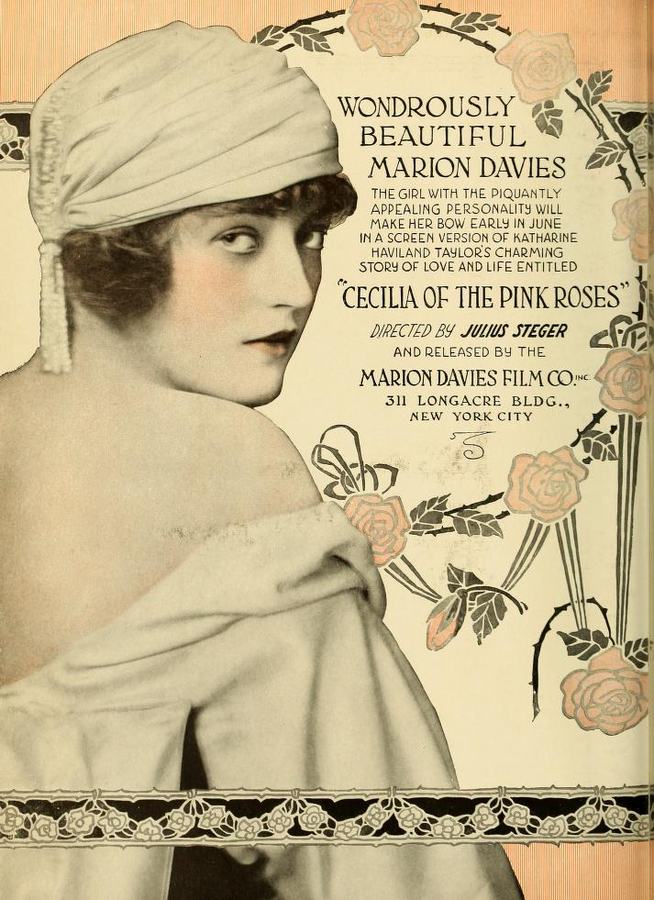
Marion Davies, even at this relatively early stage of her career, demonstrates a remarkable versatility and emotional depth that would come to define her as one of the silent era's most compelling actresses. As Cecilia, she navigates a complex emotional landscape, transitioning seamlessly from moments of youthful exuberance to profound despair, from fierce determination to heartbreaking vulnerability. Her expressive eyes and subtle gestures convey volumes, allowing audiences to connect intimately with Cecilia's struggles and triumphs. Davies' performance here is a far cry from the more overtly comedic roles she would later embrace, illustrating her range and commitment to dramatic integrity. One might draw a parallel to Willette Kershaw's nuanced portrayal in His Wife, where the internal turmoil of a character is central, yet Davies brings a unique blend of spirited defiance and gentle pathos to Cecilia. Her ability to command the screen, even amidst the grim circumstances of the plot, is a testament to her innate talent and understanding of the medium.
While Davies undoubtedly shines, the supporting cast provides a sturdy framework for her performance. Charles Jackson, Edward O'Connor, and George LeGuere contribute to the film's texture, each embodying their roles with the earnestness characteristic of the period. Danny Sullivan, Willette Kershaw (in a supporting capacity here), John Charles, Joseph Burke, Harry Benham, and Eva Campbell complete the ensemble, adding layers of authenticity to the depiction of the struggling community. These actors, through their collective efforts, create a believable world, where every character, no matter how minor, feels integral to Cecilia's journey. The collaborative nature of silent film acting, where expressions and physicalities were paramount, is evident in their synchronized efforts to convey the film's emotional beats. Their performances, though perhaps less individually highlighted than Davies', collectively paint a richer, more immersive picture of the social fabric within which Cecilia's drama unfolds, much like the detailed character work in films such as The Busy Inn, which relies on its ensemble for comedic timing and character dynamics.
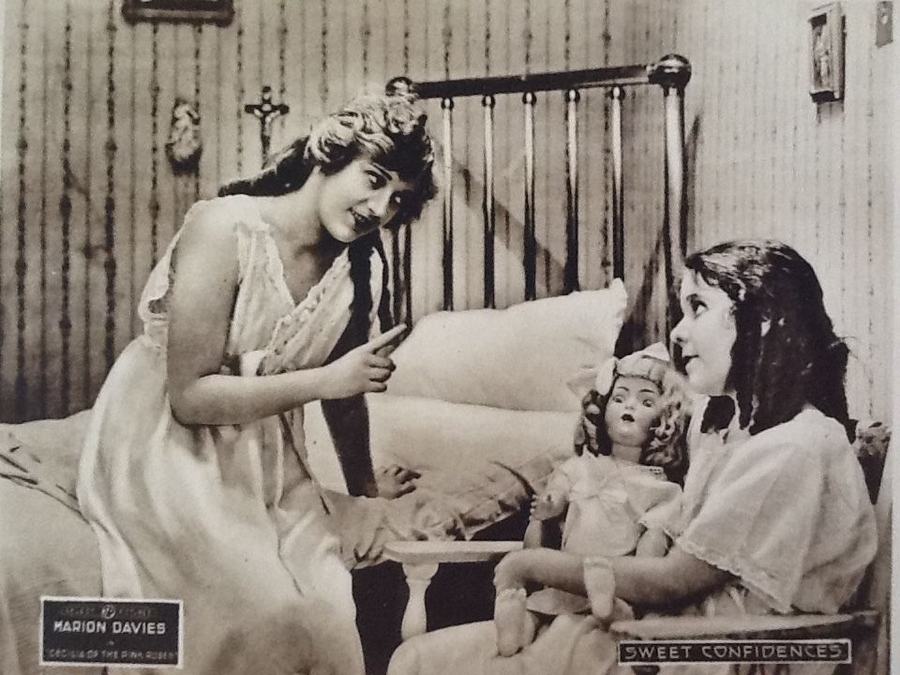
Cecilia of the Pink Roses delves deeply into themes that were profoundly relevant to its contemporary audience and remain resonant today. The pervasive specter of poverty, particularly within immigrant communities, is depicted with an unvarnished honesty. Cecilia's willingness to sacrifice her own happiness, even her reputation, for her family’s survival speaks to a profound sense of duty and love that transcends individual ambition. This theme of self-sacrifice for familial well-being is a recurring motif in early cinema, often serving as a moral cornerstone for heroines. The film subtly critiques the societal structures that perpetuate such hardship, yet it also celebrates the strength of the human spirit to endure and overcome. It’s a narrative that, while not explicitly political, invites reflection on economic disparity and the moral compromises individuals are sometimes forced to make. The stark realities faced by Cecilia’s family offer a compelling counterpoint to more glamorous narratives of the era, such as The House of Mirth, which explores social constraints within a different stratum of society, but equally highlights the crushing weight of external pressures on individual agency. Here, the struggle is for sheer survival, rather than social standing.
The artistry of silent film lies in its visual language, and Cecilia of the Pink Roses exemplifies this beautifully. The cinematography, though perhaps not as groundbreaking as some of the experimental works of the era, is effective in conveying mood and narrative progression. Close-ups are utilized to emphasize emotional states, drawing the audience into Cecilia's internal world. The use of symbolism, particularly the titular pink roses, adds a layer of poetic depth to the story. These roses, perhaps representing hope, beauty, or fragile life, become a recurring motif, subtly reinforcing the film's central themes. The visual composition of scenes, from the cramped quarters of Cecilia's home to the more expansive urban settings, effectively establishes the socio-economic context. The film's visual narrative, without the crutch of dialogue, demands a heightened sense of observation from the viewer, fostering a more immersive and interpretive experience. This contrasts with the action-oriented visual storytelling of something like The Submarine Eye, which relies on spectacle, whereas Cecilia uses visual cues for emotional resonance.
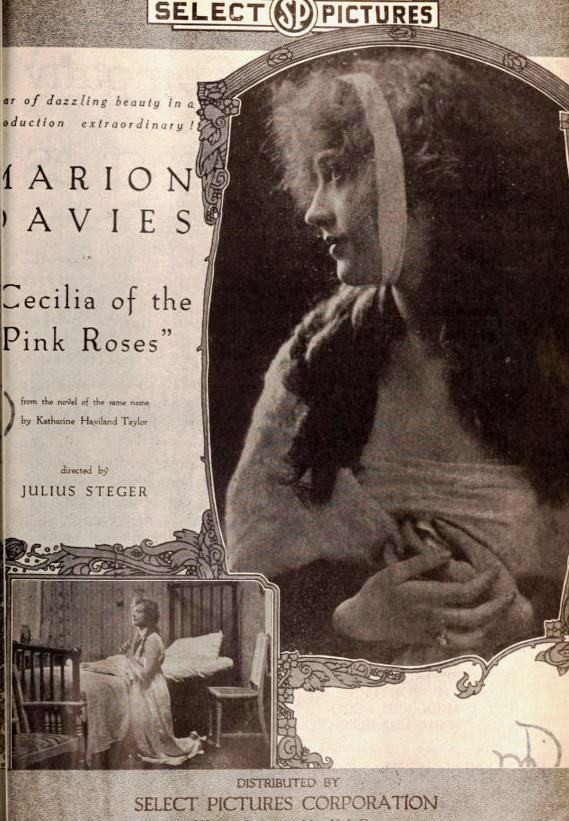
Beyond its individual narrative, Cecilia of the Pink Roses offers valuable sociological insights into the lives of Irish immigrants and their descendants in early 20th-century America. The film subtly touches upon the challenges of assimilation, the preservation of cultural identity, and the tight-knit community bonds that often formed in response to external pressures. The portrayal of Cecilia's family as struggling yet dignified, underscores a common experience for many immigrant groups striving to establish themselves in a new land. This historical context enriches the viewing experience, transforming the film from a mere melodrama into a cultural artifact. It provides a more intimate, domestic perspective compared to broader historical epics like The Life of General Villa, grounding its narrative in the everyday struggles of ordinary people rather than grand political movements. The film becomes a social document, offering a glimpse into a specific demographic's trials and tribulations during a pivotal period of American history.
The character of Cecilia, with her spunky determination and moral fortitude, stands as an archetype of female agency prevalent in silent cinema, albeit one shaped by dire circumstances. Her proactive approach to her family's crisis distinguishes her, even when compared to other strong female protagonists of the era. While films like Lady Barnacle might showcase a woman navigating social expectations with wit, or Her Mother's Secret exploring hidden pasts, Cecilia's struggle is overtly existential. She isn't merely reacting to events; she's actively seeking solutions, making difficult choices, and bearing the weight of her family's future on her young shoulders. This portrayal of a woman taking charge, even when society offers limited avenues, makes Cecilia a compelling figure, resonating with a proto-feminist sensibility that often characterized heroines of the period, reflecting a growing awareness of women's evolving roles.

Today, Cecilia of the Pink Roses might not be as widely recognized as some of the more grandiose productions of the silent era, but its quiet power and genuine emotional core ensure its enduring appeal. It serves as a valuable artifact for understanding the development of cinematic storytelling, the evolution of acting techniques, and the social concerns that preoccupied audiences over a century ago. The film’s ability to evoke profound empathy for its characters, particularly Cecilia, speaks to its timeless narrative qualities. It reminds us that even in an age dominated by spectacle, the simple, heartfelt story of human struggle and triumph can leave the most lasting impression. Like the resilience depicted in Man and Beast, where characters face elemental challenges, Cecilia’s journey is a primal fight for survival and dignity. It's a film that merits rediscovery, offering not just a historical curiosity, but a genuinely moving human drama that continues to resonate with contemporary audiences.
In conclusion, Cecilia of the Pink Roses stands as a poignant exemplar of early cinematic artistry, distinguished by its emotionally charged narrative and Marion Davies' captivating performance. It's a film that, despite its age, speaks volumes about the human condition, offering a compelling blend of melodrama, social commentary, and heartfelt character study. The writers, S.M. Weller and Katharine Haviland-Taylor, crafted a story that feels both specific to its time and universally relatable in its themes of family, sacrifice, and the search for hope amidst adversity. The film, much like a carefully preserved rose, retains its delicate beauty and evocative power, inviting viewers to reflect on the enduring strength of the human spirit. It's a quiet triumph, a film that proves the power of silent cinema to communicate profound truths without uttering a single word, leaving an indelible mark on the heart long after the final frame has faded. It's a testament to the fact that compelling storytelling, regardless of the technological constraints, is truly timeless, and a worthy addition to the cinematic canon, standing strong alongside other dramas of the period such as Sealed Valley and Big Jim Garrity, each offering their own unique perspective on human trials.
IMDb —
1929
Community
Log in to comment.