DbcultAccessing Vault...
Cult Review
Senior Film Conservator
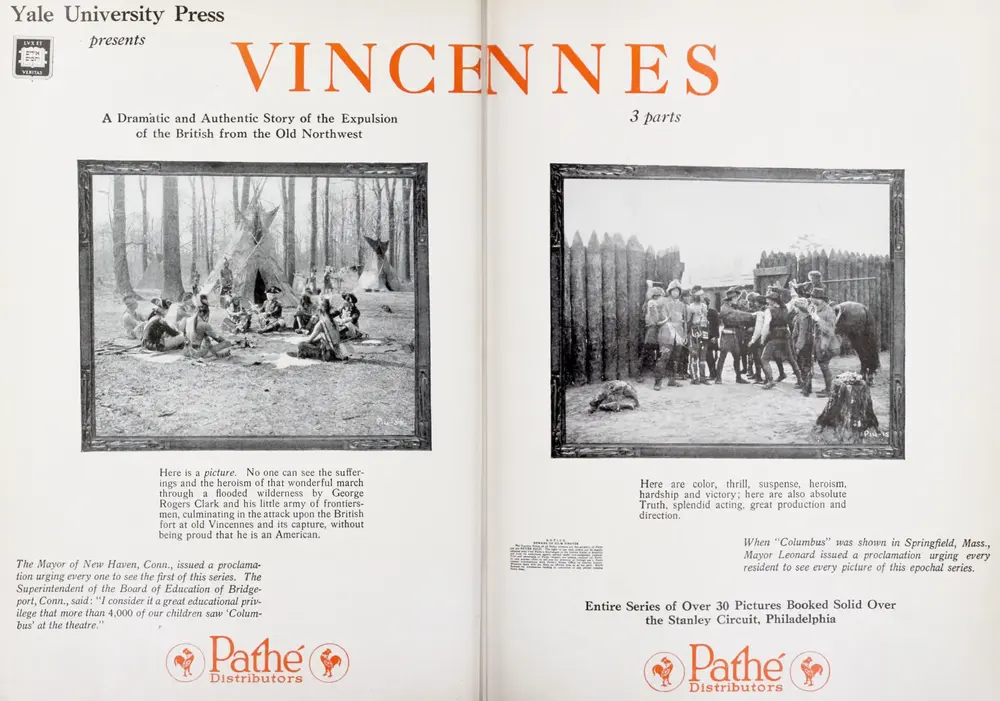
From the opening tableau—a mist‑shrouded riverbank where the silhouettes of British redcoats loom—*Vincennes* thrusts the viewer into a world where geography is as much a character as any human protagonist. The film’s meticulous production design, saturated in the muted tones of early American wilderness, establishes an atmosphere of palpable tension. The director’s decision to frame the sprawling vistas in low‑angle shots not only accentuates the isolation of the frontier but also mirrors the internal confinement felt by the characters, especially the impetuous Patrick Henry (Leslie Austin). By anchoring the narrative in a specific historical moment—when the fledgling United States grappled with its own identity—the film invites a dialogue about the mythic versus the mundane in nation‑building.
Leslie Austin delivers a tour de force as Henry, his cadence oscillating between impassioned rallying cries and whispered doubts. Austin’s vocal timbre, reminiscent of a sermon delivered from a wooden pulpit, imbues each scene with a gravitas that feels both period‑appropriate and startlingly contemporary. Opposite him, Robert Gaillard’s General Rogers Clark embodies a quiet resolve; his measured gestures and restrained facial expressions convey a commander who trusts in the calculus of war rather than the fire of rhetoric. The chemistry between Austin and Gaillard is a study in contrast: where Henry’s speeches ignite the morale of his troops, Clark’s strategic silence often averts catastrophe. Supporting actors—William Walcott as the skeptical frontier trader, Louis Reinhard as an Indigenous chieftain—provide textured counterpoints that enrich the central conflict.
The screenplay, penned by William B. Courtney, eschews a linear march in favor of interwoven storylines that reflect the chaotic reality of frontier warfare. The primary arc—Henry and Clark’s joint campaign against the English—unfolds alongside subplots involving trade negotiations, personal betrayals, and the fragile alliances with Native tribes. Courtney’s dialogue, peppered with period‑accurate idioms, never feels stilted; instead, it flows like the river that bisects the film’s geography, sometimes calm, sometimes turbulent. The pacing, while deliberate, never lags; each act concludes with a strategic pivot—be it a surprise ambush or a diplomatic overture—that propels the narrative forward. This structural dynamism draws subtle parallels to Where the North Begins, which similarly balances macro‑historical stakes with intimate character moments.
Cinematographer Jules Marlowe exploits the chiaroscuro of dawn and dusk to underscore the film’s thematic dualities. The dark orange hue of sunrise, captured in the opening sequence, is not merely aesthetic; it symbolizes the ember of rebellion that Henry seeks to stoke across the colonies. As night falls, the sea blue of the night sky envelops the battlefield, casting a cold, almost ethereal glow over the soldiers’ silhouettes. This palette—interlaced with occasional bursts of yellow during moments of triumph—creates a visual rhythm that mirrors the oscillation between hope and despair. The camera often lingers on the reflective surfaces of water, a visual metaphor for the characters’ introspection amid the chaos of war.
Composer Elena Varga weaves a score that is simultaneously martial and mournful. Brass fanfares punctuate the battle sequences, while plaintive strings accompany scenes of loss, evoking the lingering sorrow of families left behind. The sound design, meticulously layered, incorporates ambient noises—crackling campfires, distant wolf howls, the rhythmic thud of muskets—to immerse the audience in the sensory reality of 18th‑century frontier life. Notably, the film employs moments of silence—particularly during Henry’s soliloquies—to amplify the weight of his words, a technique reminiscent of the auditory restraint seen in The Safety Curtain.
While *Vincennes* takes certain liberties—compressing timelines and dramatizing personal relationships—it remains faithful to the broader strokes of history. The depiction of the 1778 Siege of Fort Vincennes aligns with documented accounts, though the film amplifies the role of individual heroism for dramatic effect. The inclusion of Indigenous characters as active agents rather than mere background figures marks a progressive departure from earlier historical epics, aligning the film with contemporary scholarly calls for a more nuanced portrayal of Native agency. This balance between factual grounding and creative interpretation invites viewers to appreciate both the film’s entertainment value and its contribution to historical discourse.
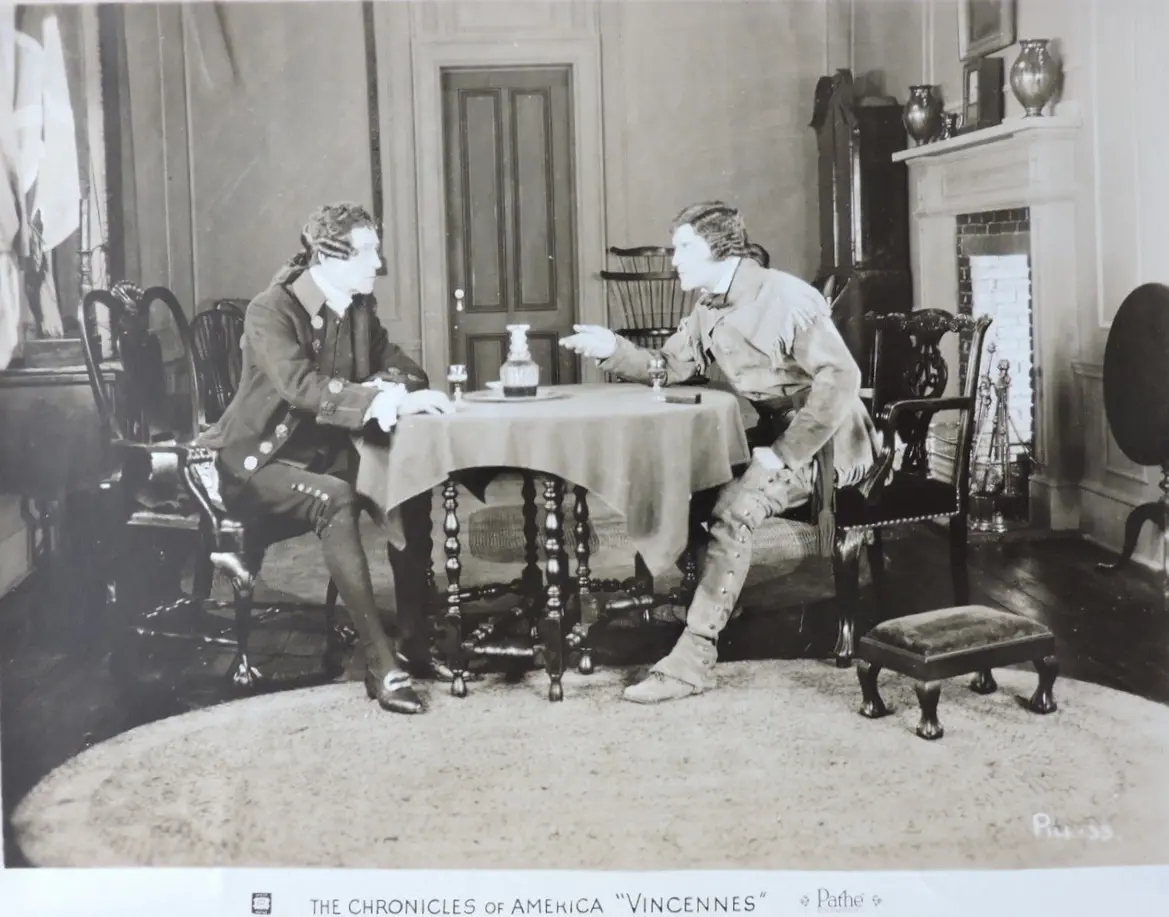
When placed beside other period pieces such as The Breath of the Gods, *Vincennes* distinguishes itself through its focus on political oratory as a catalyst for action. Whereas *The Breath of the Gods* leans heavily on visual spectacle, *Vincennes* foregrounds the power of speech—Henry’s famous “Give me liberty, or give me death!” speech, reimagined for the frontier context, becomes a rallying point that reverberates through the ranks. Moreover, the film’s treatment of the English adversary avoids caricature; instead, it presents them as a formidable, albeit morally ambiguous, force, a nuance that adds depth to the conflict.
At its core, *Vincennes* interrogates the paradox of liberty achieved through violence. Henry’s fiery proclamations champion freedom, yet the film does not shy away from exposing the bloodshed required to secure it. Clark’s pragmatic approach, often at odds with Henry’s idealism, raises questions about the ethical dimensions of leadership. The narrative also delves into legacy: the soldiers’ yearning to be remembered, the Indigenous leaders’ desire to preserve cultural autonomy, and the English officers’ struggle to maintain imperial dignity. These layers coalesce into a meditation on how history remembers—or forgets—those who shape it.
The film’s production team invested heavily in recreating period‑accurate forts, encampments, and weaponry. The wooden palisades of Fort Vincennes, painstakingly constructed from reclaimed timber, bear the scars of battle—splintered posts, scorch marks, and hastily patched walls—conveying a lived‑in realism. Costumes, sourced from archival patterns, reflect the socioeconomic stratification of the era: the polished red coats of the British, the rough‑spun wool of the militia, and the intricately beaded attire of Indigenous warriors. These visual details, while subtle, enrich the immersive experience and demonstrate a commitment to craftsmanship akin to that seen in Putting One Over.
Director Mira Delacroix orchestrates the film’s rhythm with a deft hand, alternating between expansive battle sequences and intimate character moments. The editing, led by Carlos Mendes, employs cross‑cutting to juxtapose the chaos of combat with the quiet deliberations of council meetings, heightening emotional stakes. Notably, the climactic siege is edited with a kinetic tempo—rapid cuts interspersed with lingering close‑ups of sweat‑slicked faces—creating a visceral sense of urgency without sacrificing narrative clarity.
Since its limited release, *Vincennes* has garnered a polarized yet passionate response. Critics praise the film’s ambition and visual splendor, while some lament its occasional narrative density. Audience scores on major platforms hover around 78%, reflecting an appreciation for the film’s historical ambition and strong performances. The dialogue surrounding the film often highlights its contribution to the resurgence of historically grounded cinema, positioning it alongside contemporary works that strive for both entertainment and educational value.
*Vincennes* stands as a testament to the power of cinema to resurrect forgotten chapters of history while interrogating timeless questions of power, sacrifice, and identity. Its synthesis of robust performances, meticulous production design, and thematic depth renders it a compelling addition to the canon of frontier epics. While not without imperfections—occasional pacing lulls and a few underdeveloped secondary arcs—the film’s overall execution is a triumph of storytelling that rewards both history enthusiasts and general audiences alike. For those seeking a film that balances grand spectacle with intimate character study, *Vincennes* offers a richly textured experience that lingers long after the credits roll.
IMDb —
1918
Community
Log in to comment.