DbcultAccessing Vault...
Cult Review
Senior Film Conservator
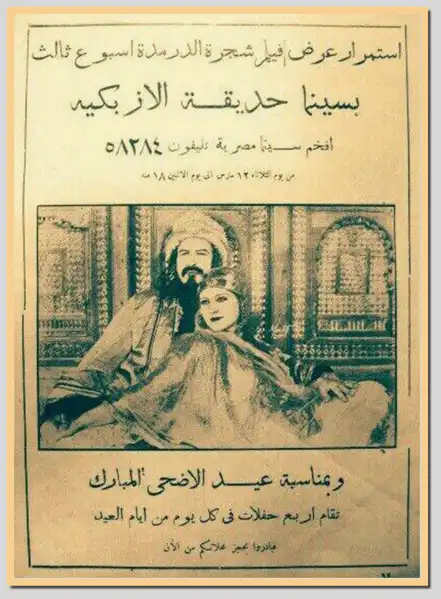
If you have a thing for old Egyptian cinema or just want to see how they handled historical epics back in the day, sure, give it a go. But if you’re looking for something fast-paced or historically bulletproof, you’re going to be frustrated. It’s a bit like watching a filmed stage play—lots of talking, lots of dramatic looks, and not much actual running around.
Asya Dagher carries the whole thing on her shoulders. She has this way of commanding the frame that makes you forget the sets are basically painted cardboard. It’s honestly impressive.
The pacing is… well, it’s a choice. There are moments where the camera just lingers on a character’s face for what feels like an eternity. Sometimes it works, like when you can see the wheels turning behind their eyes. Other times, it just feels like the projectionist fell asleep.
I found myself thinking about Pawn of Fate while watching this. Both have that same sense of inevitability, like the characters are just puppets dancing on strings they can’t see. It’s a heavy, dusty, slightly suffocating atmosphere.
There is a specific scene involving a scroll that goes on for about three minutes too long. You can literally watch the actor trying to remember his next line while looking off-camera. It’s charming in a weird way. It reminds me of the pacing issues in A Small Town Idol, where the silence starts to feel more like an empty room than a dramatic beat. 😅
Is it a masterpiece? No. Is it a fascinating artifact? Absolutely. You can feel the ambition, even if the budget clearly didn't match the scale of the story. It’s one of those movies that reminds you that cinema used to be much more about the theater of it all than anything else.
Don’t go in expecting realism. Go in expecting people in fancy clothes talking about the fate of an empire. If you can handle that, you’ll have a decent enough time. Just maybe keep your phone away so you don't get distracted during the long, slow, dramatic exits.