DbcultAccessing Vault...
Cult Review
Senior Film Conservator
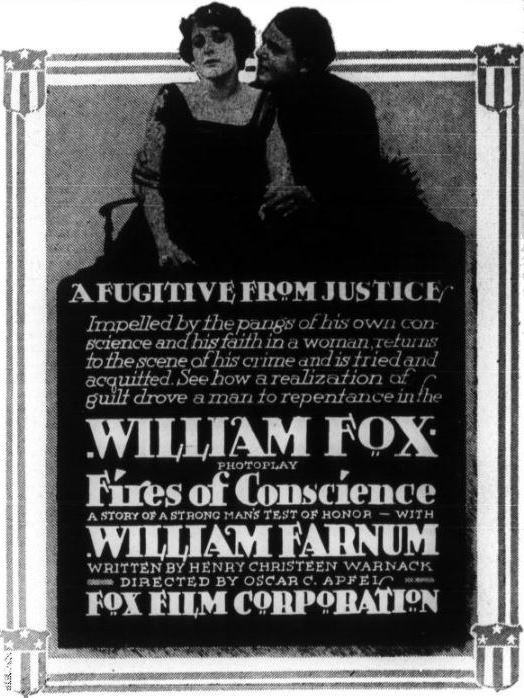
Stepping back into the annals of cinematic history, we encounter Fires of Conscience, a film that, despite its silent origins, roars with a profound human drama. This isn't just a story; it's a profound exploration of human fallibility, societal expectations, and the unpredictable path to redemption. From its very inception, the narrative plunges us into a world where domestic bliss is a fragile veneer, easily shattered by the hidden currents of past affections and present betrayals.
The central figure, George Baxter, introduces his new wife, Margery, into what he believes is a secure future. Yet, the seeds of discord are already sown. Paul Sneed, a neighbor, carries a secret history with Margery, a past connection that looms like a silent specter over their nascent marriage. The film masterfully builds this tension, hinting at unspoken truths and simmering emotions before erupting into a pivotal, life-altering confrontation. It's a testament to the storytelling prowess of the era that such complex emotional landscapes could be conveyed without dialogue, relying instead on the nuanced performances of actors like Elinor Fair and Willard Louis, whose expressions and gestures become the very language of their characters' inner turmoil.
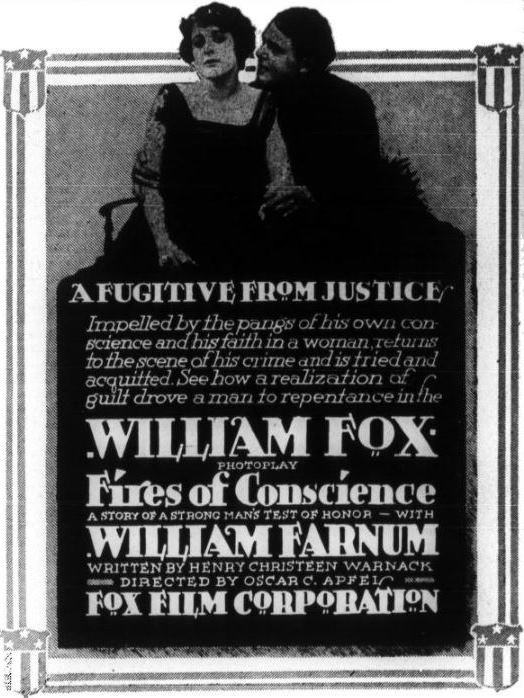
The film's dramatic crescendo arrives with George's unexpected return home, a moment fraught with the kind of unbearable tension that silent cinema excelled at. Discovering Margery and Sneed together, the scene explodes with primal rage and despair. The subsequent shooting, a visceral act of violence, is not merely a plot point but a catastrophic event that unravels the lives of everyone involved. It's a stark reminder of how quickly passion can turn to tragedy, and how a single, impulsive act can reverberate through an entire community. The presence of Judge Randolph Sneed, Paul's father, as a witness, immediately elevates the drama, transforming a domestic tragedy into a potential public spectacle and a test of the very legal system he upholds.
George's subsequent flight westward isn't just a physical journey but a desperate scramble for anonymity, a futile attempt to escape the 'fires of conscience' burning within him. His journey to a mining camp is symbolic of his desire to bury himself, both literally and figuratively, in hard labor and isolation. This narrative arc, reminiscent of other films exploring the burden of a past crime, such as Chains of the Past or Shadows from the Past, highlights the inescapable nature of guilt and memory. It’s a compelling portrayal of a man grappling with the consequences of his actions, far from the familiar comforts and judgments of his former life.
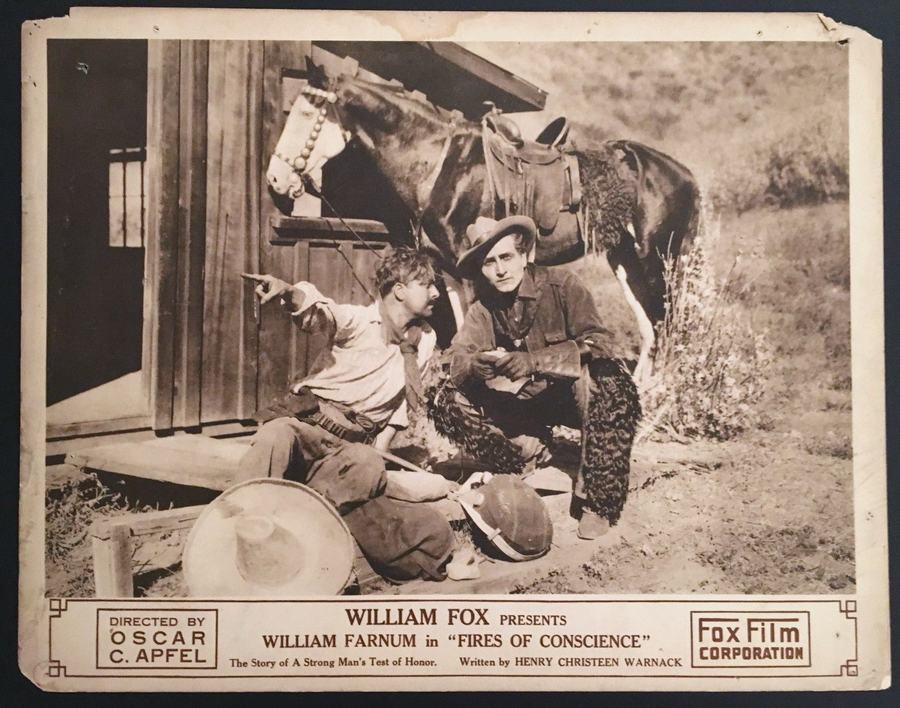
Meanwhile, back East, Margery's tragic suicide underscores the profound societal pressures and personal despair she faced. Her fate is a somber reflection on the harsh judgments often levied against women in that era, especially those perceived to have transgressed moral boundaries. This aspect of the film, though brief, resonates with the thematic undercurrents found in works like The Girl of Today or Burning the Candle, which subtly (or overtly) explored the constraints and expectations placed upon women. It's a stark, unromanticized depiction of the severe consequences of scandal and heartbreak.
It is in the rugged, unforgiving landscape of the mining camp that George encounters Nell Blythe, portrayed by the remarkable Nell Shipman. A dance hall singer, Nell is no stranger to the complexities of life, and her worldly wisdom allows her to see beyond George's rough exterior to the tormented soul within. She embodies a different kind of strength, a pragmatic compassion that becomes the unexpected catalyst for George's eventual reckoning. Her insistence that he return East and face his troubles is not just a plot device; it's a profound act of faith in his capacity for redemption. This pivotal relationship offers a counterpoint to the earlier destructive one, suggesting that true connection can inspire courage and a path towards atonement.
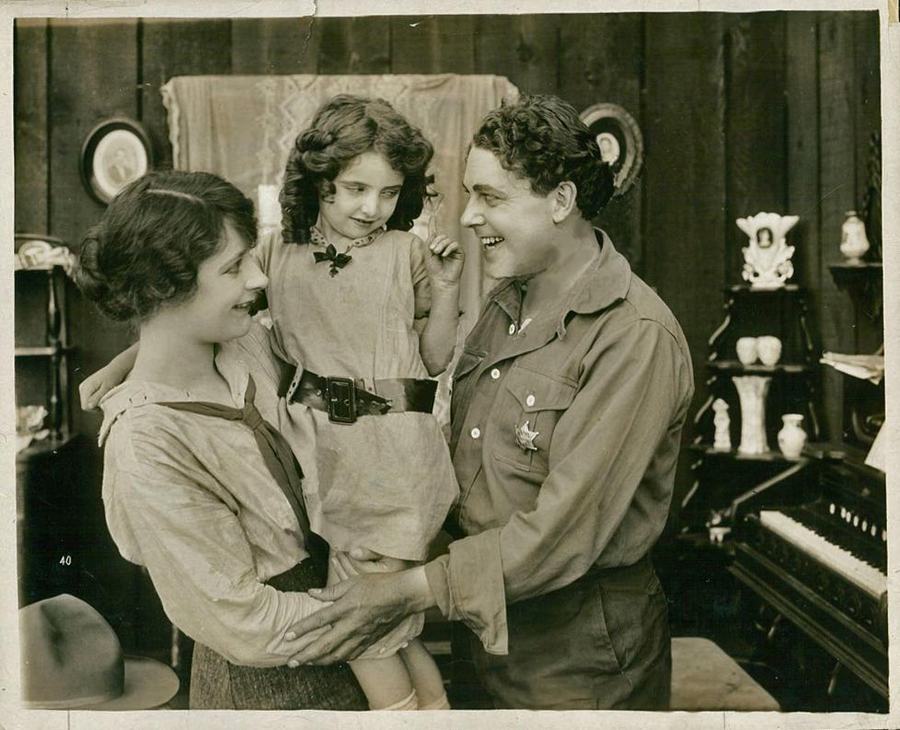
George's decision to return and surrender to his father, the police chief, is a moment of profound personal courage. It sets the stage for the film's most compelling sequence: the trial. Here, the narrative truly distinguishes itself. Judge Randolph Sneed, the father of the man George killed, presides over the proceedings. This scenario alone creates an almost unbearable tension, forcing us to ponder the limits of impartiality and the depth of personal sacrifice. The courtroom becomes a crucible where personal vengeance and the pursuit of justice collide, making for a compelling dramatic spectacle that transcends mere legalistic procedure.
What unfolds next is truly extraordinary and speaks volumes about the societal norms and moral ambiguities of the era. Judge Sneed, in a move that defies conventional expectations, addresses the jury directly. He reveals his eyewitness account of the shooting, but then, remarkably, invokes the concept of the "unwritten law." This historical legal precedent, often associated with a husband's right to defend his honor against an adulterer, is presented not as a justification for murder but as a mitigating factor born of intense human emotion. This moment is the film's intellectual and emotional apex, challenging viewers to consider justice beyond the letter of the law, delving into the messy, often contradictory realm of human passion and societal understanding. It's a bold narrative choice that elevates the film beyond a simple crime drama into a meditation on ethics and empathy. The weight of this decision, coming from a man who has lost his own son, is immense, painting a portrait of a justice system grappling with the complexities of human nature, much like the intense public interest surrounding trials in films such as Delo Beilisa, albeit with a deeply personal twist.
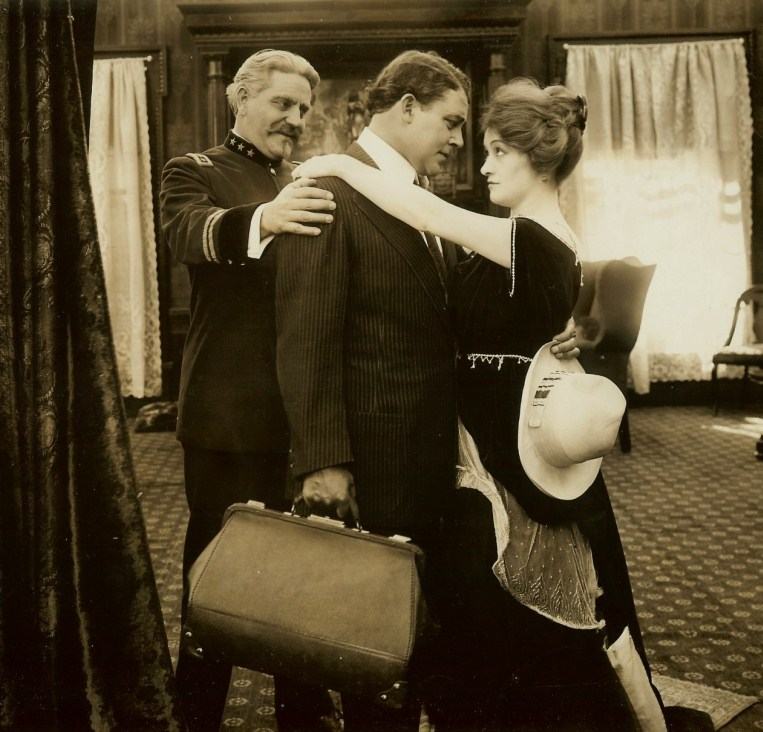
The jury's subsequent acquittal of Baxter, influenced profoundly by Judge Sneed's impassioned plea, serves as a powerful resolution to the legal drama, though the emotional scars undoubtedly linger. It’s a narrative twist that, even today, prompts a fascinating discussion about the boundaries of justice and compassion. George, now free, chooses to return to the West, a landscape that once offered him only escape, but now symbolizes a new beginning. His proposal to Nell Blythe brings the story to a close with a sense of hopeful closure, suggesting that even from the ashes of tragedy, new life and love can emerge. It's a journey from despair to a tentative, earned happiness, echoing the transformative power of personal journeys found in cinematic narratives like Danger Trail, where protagonists confront their pasts on arduous paths.
The performances throughout Fires of Conscience are a masterclass in silent film acting. Elinor Fair, as Margery, conveys a tragic fragility, while Willard Louis, as George, navigates a complex emotional arc from rage to remorse to quiet resolve. Nell Shipman's Nell Blythe is a beacon of strength and common sense, a truly memorable character who provides the moral compass for the film's latter half. Henry Hebert's portrayal of Judge Randolph Sneed is particularly noteworthy, capturing the gravitas and internal conflict of a man torn between personal grief and professional duty.
Henry Christeen Warnack's screenplay, even in its simplified silent film form, demonstrates a sophisticated understanding of human psychology and dramatic structure. The pacing is deliberate, allowing the emotional beats to register fully, and the visual storytelling is compelling, guiding the audience through a narrative rich with moral dilemmas. The film's ability to tackle such weighty themes—adultery, murder, flight, suicide, and legal precedent—within the constraints of silent cinema is truly remarkable. It asks profound questions about forgiveness, societal judgment, and the possibility of redemption, questions that remain relevant even a century later.
In an era when cinema was still finding its voice, Fires of Conscience stands out as a powerful example of storytelling. It doesn't shy away from the darker aspects of human nature but ultimately offers a glimmer of hope, suggesting that even after the most grievous errors, a path to peace, if not perfect happiness, can be found. It’s a film that demands empathy from its audience, inviting us to consider the perspectives of all involved, from the betrayed husband to the grieving father, and the compassionate stranger. The nuanced portrayal of justice, particularly the controversial application of the 'unwritten law,' makes it a fascinating historical document as well as a compelling drama.
The film's enduring appeal lies in its exploration of universal themes: love, loss, vengeance, and the quest for a second chance. It reminds us that while the technology of filmmaking has evolved exponentially, the core human stories of conflict and resolution remain timeless. For those interested in the rich tapestry of early American cinema, and particularly in narratives that delve into the moral complexities of an era, Fires of Conscience is an essential viewing. It’s a testament to the power of visual storytelling, a silent film that speaks volumes about the human condition, leaving a lasting impression long after the final frame fades to black. Its dramatic scope and emotional intensity rival many talkies, proving that true cinematic artistry transcends the presence or absence of spoken dialogue. This is not just a historical curiosity; it is a vibrant, engaging piece of art that continues to resonate with contemporary audiences willing to engage with its profound narrative and powerful performances.
IMDb 6.8
1929
Community
Log in to comment.