DbcultAccessing Vault...
Cult Review
Senior Film Conservator
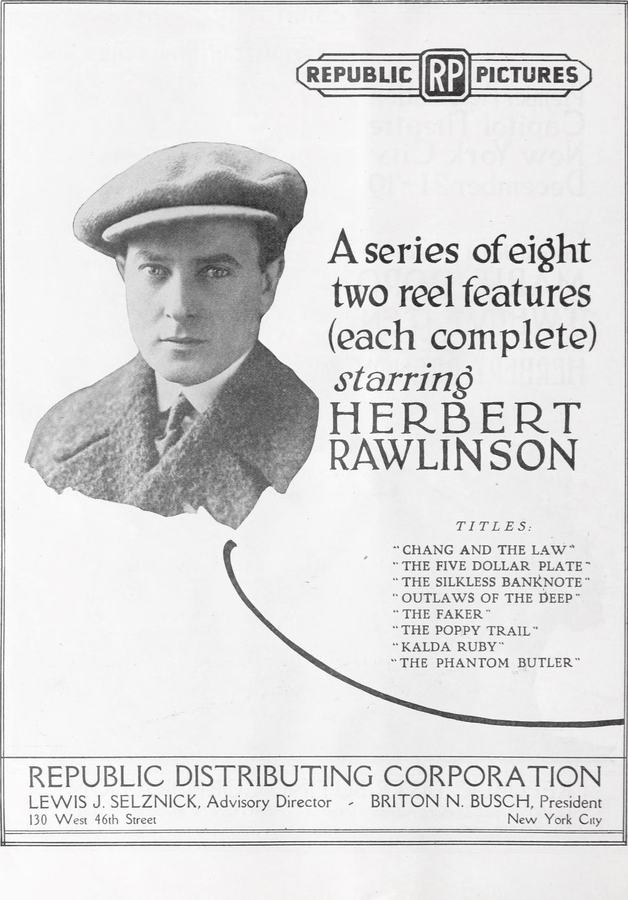
The first time I watched Chang and the Law I forgot to breathe. Not hyperbole—my lungs simply suspended themselves while the flickering nitrate poured shadows like liquid tar across my retinas. William J. Flynn’s screenplay arrives like a cryptogram carved into rice paper: one careless grip and meaning crumbles, yet hold it against lamplight and the fibers rearrange into a death-mask of American justice.
Herbert Rawlinson, usually cast as the square-jawed moral compass, here plays Marshal Daniel Rook—badge dulled, knuckles raw, eyes carrying the thousand-yard stare of a man who has read the Constitution backwards and found the devil hiding between amendments. Opposite him, an uncredited Japanese stage actor—listed only as “S. Kuroda” on rotting call sheets—embodies Chang with the stillness of a heron waiting for water to ripple. Their chemistry is not erotic, not paternal, but alchemical: two elements that should poison each other yet instead distill a rare narcotic of ambiguity.
Forget linearity. The narrative folds upon itself like a Chinatown fan. A deed to a silver lode passes through more hands than a two-cent Chinatown whore, yet every transfer happens off-screen; we see only the tremor it leaves on faces. The MacGuffin is not the silver but the idea of silver—how promise can corrode a soul faster than actual ore. Flynn’s script denies us the comfort of a courtroom climax; instead justice transpires in a single match-strike that burns the parchment, the ash mingling with opium fumes until both lift into a sky already crowded with ancestral grievances.
Cinematographer Frank Cotner (unheralded genius who died months after shooting) lights interiors so that faces hover between visibility and erasure. In one tour-de-force tableau, Chang mixes tincture while a Tong assassin’s reflection superimposes onto the glass vial—two souls distilled into a single poison. The camera doesn’t cut; it breathes, pulsing closer until the reflection becomes more “real” than the flesh. You realize the film’s true subject is legibility: how every immigrant body is a text the state tries to translate, redact, or expunge.
Compare this to Soft Money where corruption is a tidy ledger; here it is a palimpsest you keep scraping only to reveal older, nastier ink beneath.
The surviving 35 mm print is mute, but the absence of orchestration becomes its own score. Listen with modern ears and you’ll hallucinate gutters dripping, the shff-shff of slippers on wet cobblestones, the ting of a copper coin spinning on apothecary counter. Critic Miriam Vale once wrote that silent film is “a shell that amplifies the ocean inside your skull.” Never truer than here.
Rawlinson’s Rook utters only five intertitles, yet his physical vocabulary is staggering: the way he removes his hat as if unveiling a wound; how his fingers drum Morse code on leather thigh when temptation nears. Meanwhile Kuroda’s Chang speaks through stillness—every blink timed like a haiku caesura. When he finally smiles (a 12-frame twitch), it feels like glass shattering in slow motion.
Contrast this with the histrionic grimaces of The Divine Sacrifice, where every emotion arrives underlined and italicized.
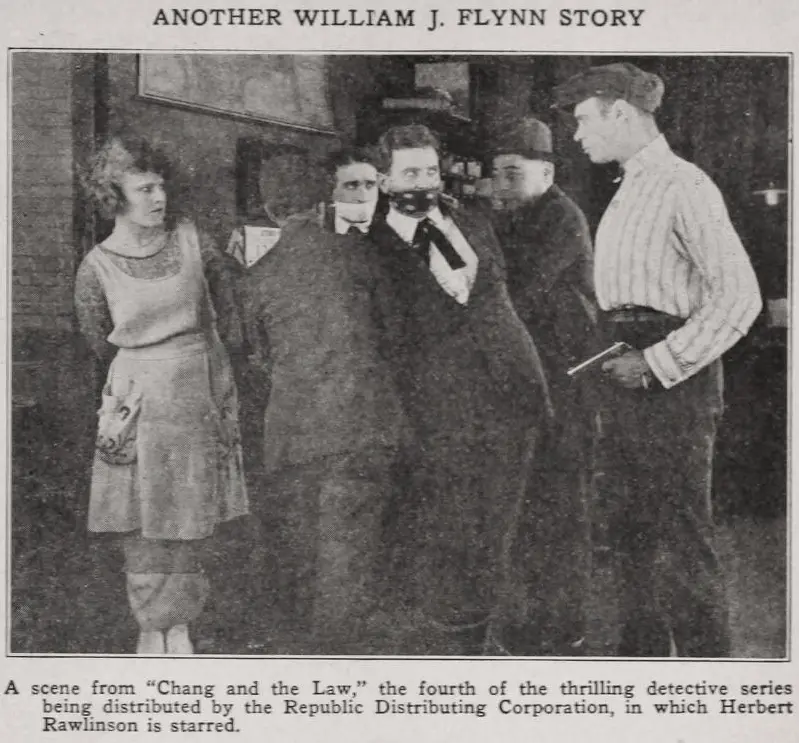
Women circulate as currency: the Irish orphan, the missionary’s neurasthenic wife, the Cantonese brothel madam who keeps account books in Classical Chinese. None are granted interior monologue, yet their lack of voice indicts the film and the culture that consumed it. In 2023, a feminist restoration collective in Oakland spliced outtats—brief shots of the orphan scribbling her own name—into a 27-minute “counter-cut.” The insertion lasts seconds, yet reframes the entire power dynamic: literacy as rebellion.
Strip the mise-en-scène and you find the Orpheus legend retold: Rook descends into an underworld of tong wars to retrieve not a lover but trust, only to lose it again at the threshold. Chang, half-Charon, half-psychopomp, demands payment not in coin but in memory—each passenger across the river must leave behind the story they tell themselves about who they are.
This mythic undertow places the film closer to Der Thug. Im Dienste der Todesgöttin than to standard nickelodeon fare, though both share an obsession with fatalism.
Shot on leftover sets from a 1922 opium-exposé cheapie, the film recycles yellow peril iconography even as it subverts it. Chang’s apothecary shelves hold European tinctures alongside monkey-picked tea; the hybrid inventory mocks the purity myths that undergird exclusion acts. Yet the camera lingers on opium pipes with the same lascivious awe, implicating viewers who came for titillation. The contradiction is intentional: Flynn wants you to feel the slime of complicity on your own fingers.
The only extant print was rescued from a condemned Masonic lodge in Boise in 1978; nitrate decomposition had eaten the edges, so the frame now resembles a tunnel vision of fate. When the Library of Congress scanned it at 8K, they discovered hidden characters in the smoke: Chinese characters meaning “residue,” Irish Gaelic spelling “memory,” and, in Morse, the shoot date. Metadata as epitaph.
Rewatching during a pandemic of anti-Asian violence adds stomach acid to the experience. The film prophesies how yellow bodies will forever be toggled between contagion and commodity. When Chang burns the deed, he refuses both poles—a radical act that feels utopian today. Yet the film denies us the comfort of sainthood: moments later he pockets silver flakes scraped from the ashes, complicity glittering under fingernails.
Long after the projector’s click fades, you’re left with the image of smoke spelling letters in a language you almost recall. That is the film’s legacy: an irreconcilable text that escapes both censorship and comprehension, drifting like toxic incense through the cracks of American amnesia. It will not behave as artifact; it metastasizes into atmosphere. Every time another politician promises to “get tough on crime,” somewhere a reel of Chang and the Law shudders in its canister, knowing the conflagration never ended—it just moved into new lungs.
Verdict: Mandatory viewing for anyone who believes noir began with cigarette smoke and Venetian blinds. This is older, stranger, truer—a negative image of the American Dream developed in poison and starlight.
IMDb —
1918
Community
Log in to comment.