DbcultAccessing Vault...
Cult Review
Senior Film Conservator
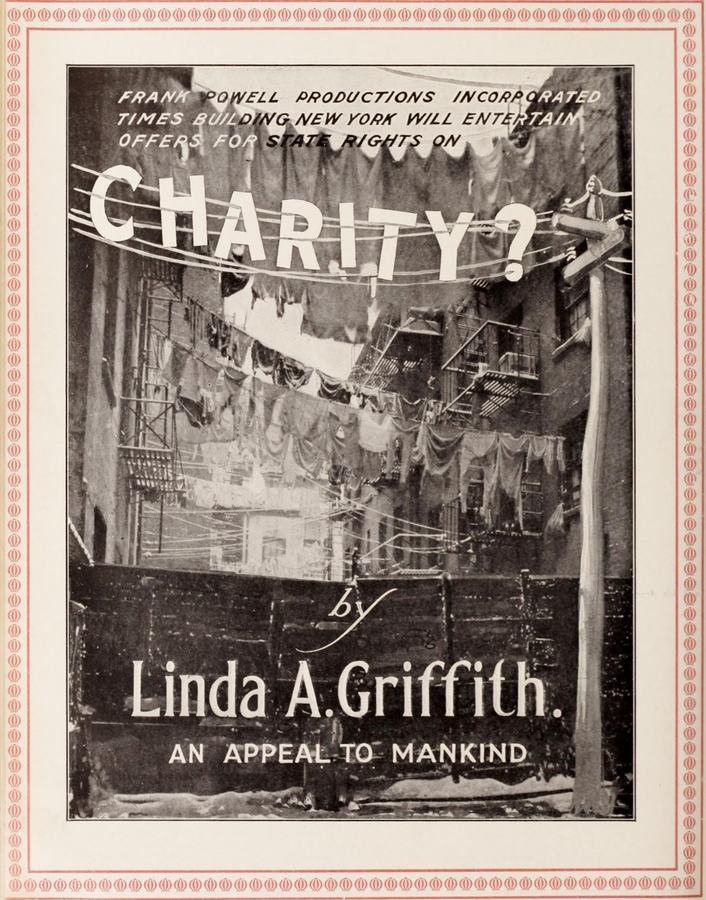
In the annals of early cinema, where flickering shadows often conveyed more profound truths than spoken words, there emerges a work like Charity, a film that, even a century hence, resonates with an almost unsettling prescience. Released amidst a rapidly industrializing world grappling with burgeoning social inequalities, this silent drama, featuring the compelling presences of Sheldon Lewis and Betty Dodsworth, is far more than a simple morality play. It is a nuanced, often searing, indictment of performative philanthropy and a testament to the arduous, yet ultimately redemptive, journey of genuine self-discovery. Directed with a keen eye for human frailty and spiritual awakening, Charity stands as a crucial artifact, not merely for its historical context but for its enduring thematic relevance.
The narrative, penned by the insightful Clarence Harvey and Linda Arvidson, unfolds with a deliberate pace, allowing its central character, Eleanor Vance (portrayed with remarkable depth by Betty Dodsworth), to embark upon a truly transformative arc. Eleanor is introduced as the quintessential socialite, her life a meticulously curated tableau of privilege and expectation. Her 'charitable' endeavors are, initially, little more than elaborate social spectacles – dazzling balls and fêtes designed to elevate her family's standing rather than alleviate genuine suffering. This portrayal of high society's superficial engagement with poverty is rendered with a satirical edge, yet always grounded in a palpable sense of the human cost. Dodsworth, through subtle gestures and expressive eyes, conveys Eleanor's initial naiveté and the almost suffocating embrace of her gilded cage.
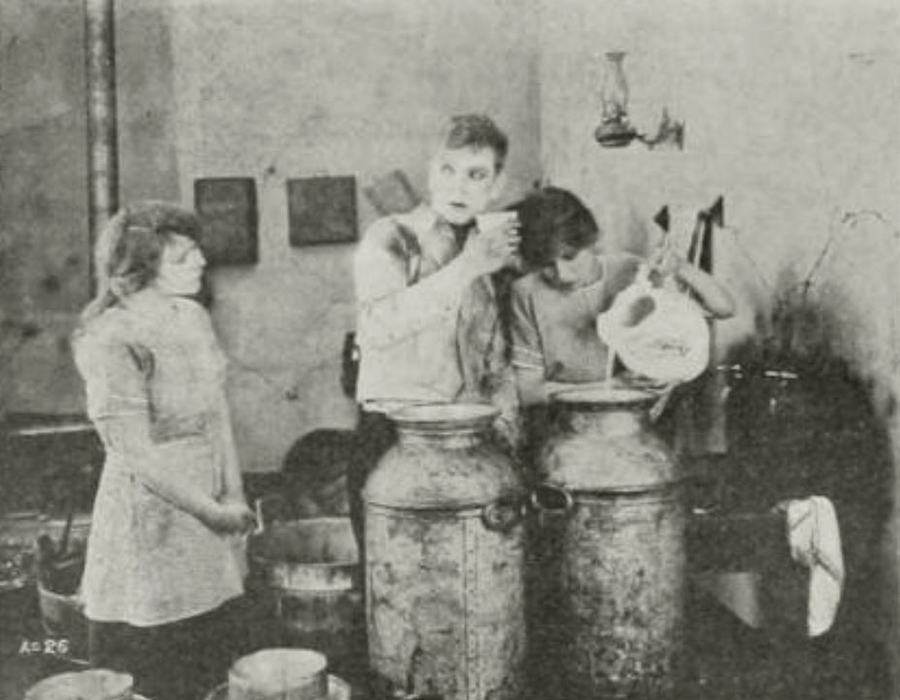
The catalyst for Eleanor’s awakening arrives in the form of John (Sheldon Lewis), a man whose quiet dignity belies a past scarred by the very industrial machinery that built Eleanor’s family fortune. Lewis, a seasoned performer, imbues John with a compelling blend of weariness and unyielding integrity. His initial encounters with Eleanor are charged with a quiet tension, a clash of worlds that feels less like melodrama and more like an inevitable collision of ideologies. John’s disillusionment is palpable; he is not a caricature of the downtrodden but a man whose spirit has been tested, yet not broken. His presence forces Eleanor to peer beyond the polished façade of her existence, to confront the uncomfortable truths lurking beneath the surface of her family’s prosperity. This dynamic, the gradual thawing of Eleanor’s privileged indifference under the gaze of John’s unvarnished reality, forms the emotional core of the film. It is a slow burn, eschewing easy answers or sudden epiphanies, instead opting for a more believable, arduous process of moral reckoning.
What sets Charity apart from many of its contemporaries is its unflinching gaze at systemic injustice. The film doesn't merely present poverty as a backdrop for a romantic entanglement; it actively implicates the mechanisms of wealth creation. The impending scandal that threatens the Vance family's reputation isn't a contrivance but a narrative device to expose the ethical rot at the heart of their empire. This willingness to critique the very foundations of industrial capitalism, even within the constraints of a popular melodrama, is noteworthy. It echoes the social consciousness that permeated much of the era's literature and art, albeit often filtered through the lens of individual salvation. One might draw a parallel here with the more overtly political undertones found in films like The Bridge of Sighs, where societal structures are similarly scrutinized, though Charity perhaps focuses more intently on the individual's moral journey within these structures.
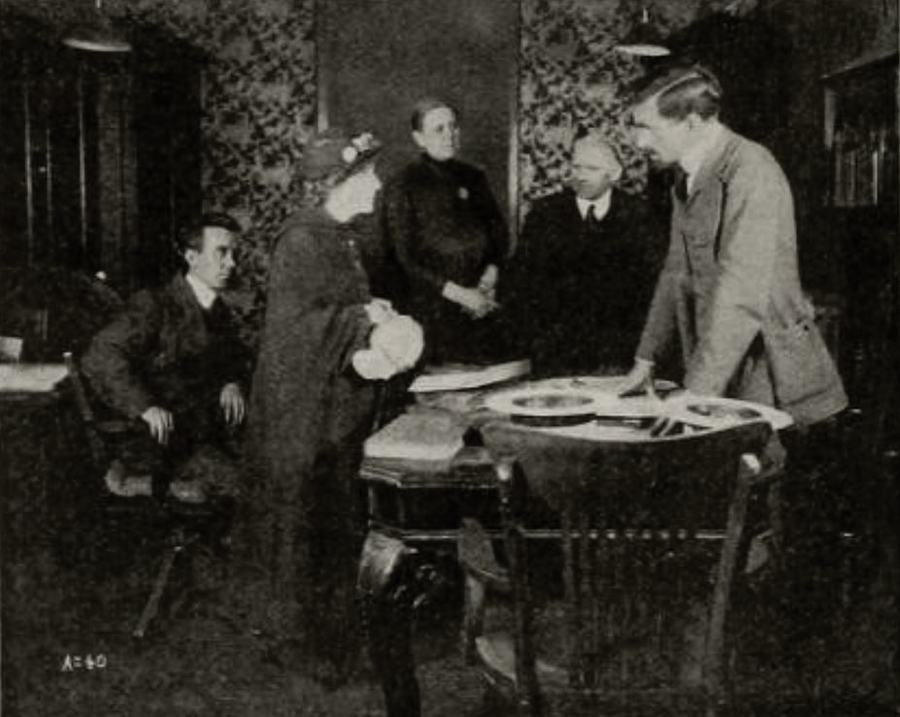
The performances are uniformly strong, even in supporting roles. Creighton Hale, Linda Arvidson, and Sam J. Ryan add texture to the social fabric of the film, portraying characters who embody various facets of the era's class structure. Arvidson, a seasoned veteran of the screen, brings a nuanced portrayal to her character, hinting at complexities beneath the surface. Morgan Jones and John J. Dunn, as members of the industrialist class, perfectly capture the blend of self-assurance and moral blindness that defined many figures of that period. These actors, through their embodied presence and the language of silent film acting, collectively paint a vivid picture of a society on the cusp of profound change, grappling with its own contradictions.
The visual storytelling, a cornerstone of silent cinema, is particularly effective in Charity. The contrast between the opulent, almost suffocating interiors of the Vance mansion and the stark, unadorned landscapes of the city's poorer districts is masterfully utilized. Cinematography employs stark lighting and careful framing to underscore the emotional states of the characters and the thematic dichotomies at play. Close-ups are used sparingly but powerfully, allowing the audience to intimately connect with the inner turmoil and eventual resolve of Eleanor. The editing maintains a rhythm that builds tension effectively, particularly as Eleanor's personal crisis converges with her family's public disgrace. This visual sophistication elevates the film beyond a simple narrative, transforming it into a compelling aesthetic experience.
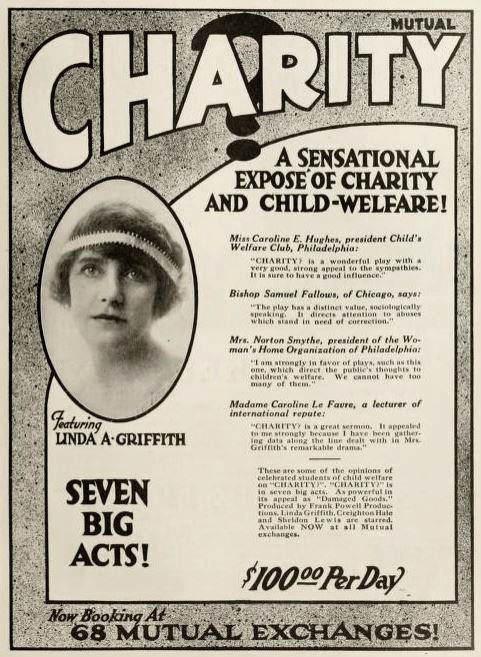
Eleanor's transformation is the film's beating heart. It is not a sudden, convenient conversion but a hard-won battle against entrenched privilege and societal expectation. The script deftly illustrates how she grapples with the implications of her family's wealth, the moral compromises it demands, and the inherent hypocrisy of her earlier 'charitable' efforts. Her ultimate decision to reject a lucrative but morally compromised marriage and to sacrifice her inheritance is portrayed not as an act of self-denial, but as an embrace of a higher purpose. This arc resonates deeply, speaking to the universal human desire for authenticity and meaning. It reminds one of the profound character development seen in films like The Americano, where protagonists similarly shed their former selves to embrace a more genuine existence, though Charity grounds this transformation in a distinctly social context.
The romance between Eleanor and John is handled with a delicate touch, avoiding the saccharine sentimentality that could easily derail such a story. Their connection is forged not in grand declarations, but in shared purpose and mutual respect. It is a love born of intellectual and moral alignment, a union of spirits seeking to effect tangible change rather than merely exist within the confines of societal norms. This portrayal of love as a force for social good, rather than an escape from reality, lends the film an unexpected contemporary resonance. It suggests that true partnership lies in a shared commitment to a world beyond personal gratification, a theme that, while perhaps not unique, is executed here with particular grace and conviction.
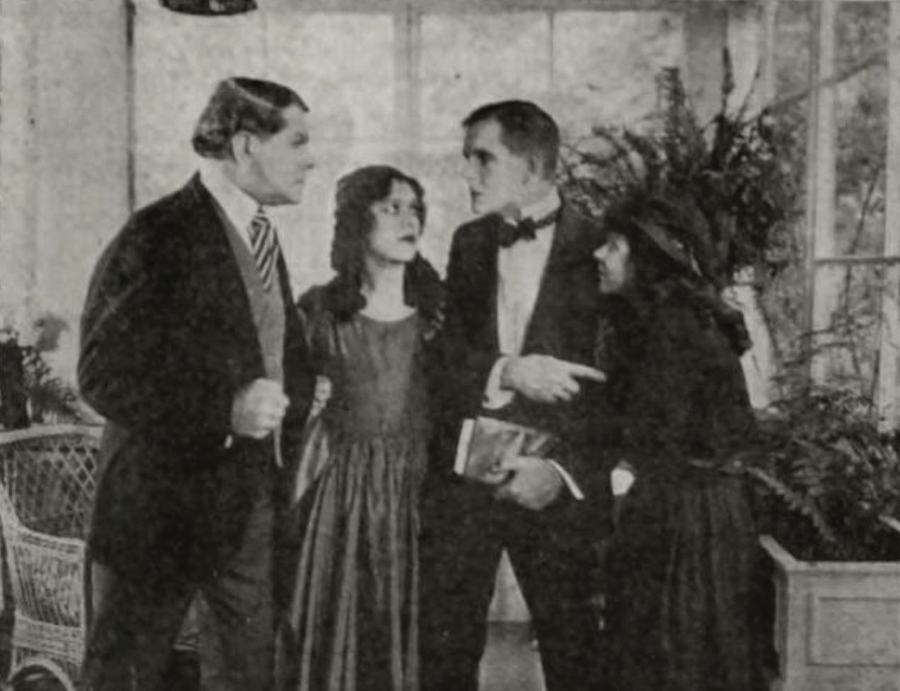
The supporting cast, including Veta Searl, Betty Burbridge, and Marie Bruce, further enriches the tapestry of the narrative. Their brief appearances often serve as poignant reminders of the pervasive social issues the film seeks to address, or as examples of the diverse reactions to Eleanor's changing perspective. Henry Hallman, in particular, delivers a memorable performance, adding another layer to the complex moral landscape. Each character, no matter how minor, feels integral to the overall message, a testament to the meticulous crafting of the screenplay and the direction.
Charity, in its quiet power, manages to transcend its era. While rooted in the social anxieties of the early 20th century, its exploration of wealth, poverty, hypocrisy, and genuine altruism remains remarkably pertinent today. In a world still grappling with vast economic disparities and the often-performative nature of modern philanthropy, the film's central questions continue to challenge and provoke. What truly constitutes 'charity'? Is it the grand gesture, the public spectacle, or the humble, sustained effort to uplift and empower? The film champions the latter, suggesting that true change begins not with a checkbook, but with a profound shift in consciousness and a willingness to dismantle the very systems that perpetuate suffering.
The enduring appeal of Charity lies not just in its compelling narrative or strong performances, but in its ability to inspire introspection. It encourages viewers to examine their own roles in society, their own definitions of success and contribution. It doesn't offer easy answers, but rather a compelling argument for personal responsibility and collective action. This is a film that demands reflection, a cinematic experience that stays with you long after the final title card fades. It’s a testament to the power of silent cinema to communicate complex ideas with elegance and emotional force. One might even argue that its themes are more acutely felt in the absence of dialogue, allowing the universal language of human expression to carry the weight of its message.
Ultimately, Charity is more than just a historical curiosity; it is a timeless piece of art that continues to speak volumes about the human condition. It is a powerful reminder that true wealth lies not in accumulation, but in connection, compassion, and the courage to forge a path of genuine purpose. For enthusiasts of classic cinema, and indeed for anyone interested in the evolution of social commentary through film, Charity is an essential viewing experience, a film that, like a rare vintage, only grows richer and more profound with time.
IMDb 7.2
1920
Community
Log in to comment.