DbcultAccessing Vault...
4.9/10
Senior Film Conservator
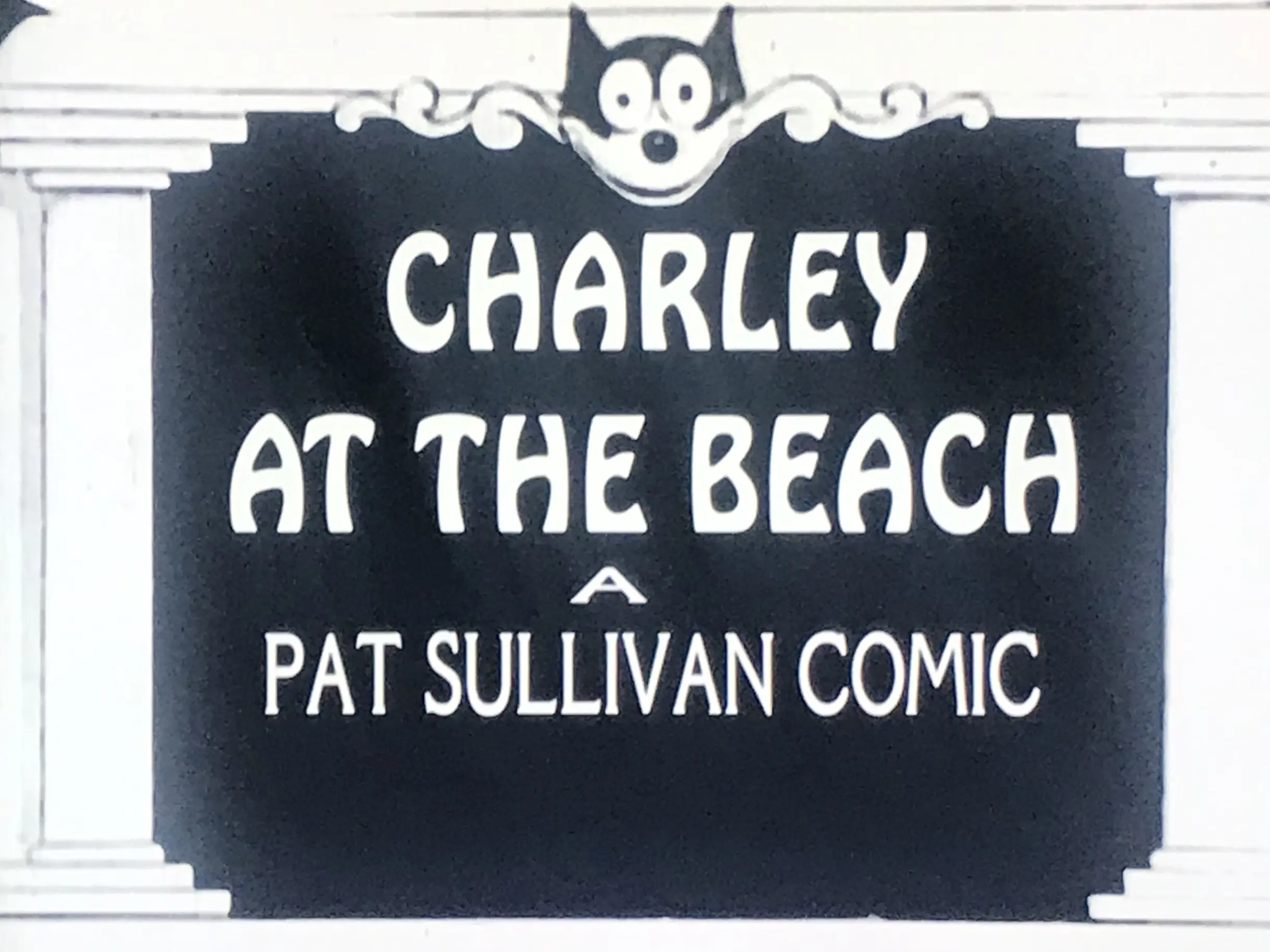
A definitive 4.9/10 rating for a film that redefined the boundaries of cult cinema. Charley at the Beach remains a cornerstone of transgressive art.
Stepping back into the nascent days of animation, one encounters a peculiar yet utterly delightful artifact: Charley at the Beach. This isn't just another forgotten relic; it's a fascinating cross-section of cultural phenomena, marrying the burgeoning art form of the animated cartoon with the globally recognized, indelible persona of Charlie Chaplin. Released at a time when cinema itself was still finding its voice, and animation was largely a novelty, this short film offers a unique lens through which to examine the enduring appeal of its central character and the foundational principles of visual comedy. It’s a testament to the transcendent power of a well-crafted comedic archetype, even when rendered in the simplest of strokes.
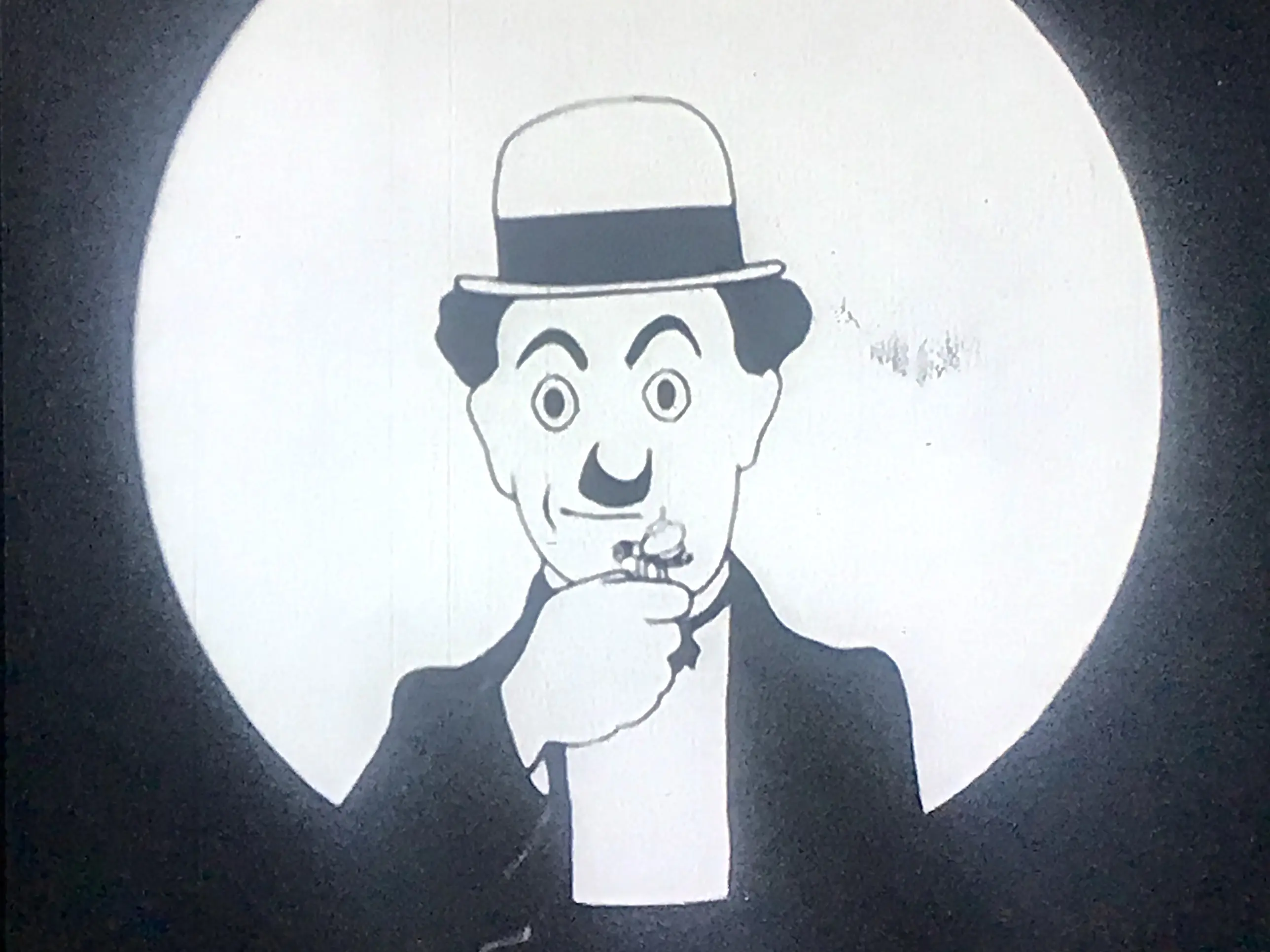
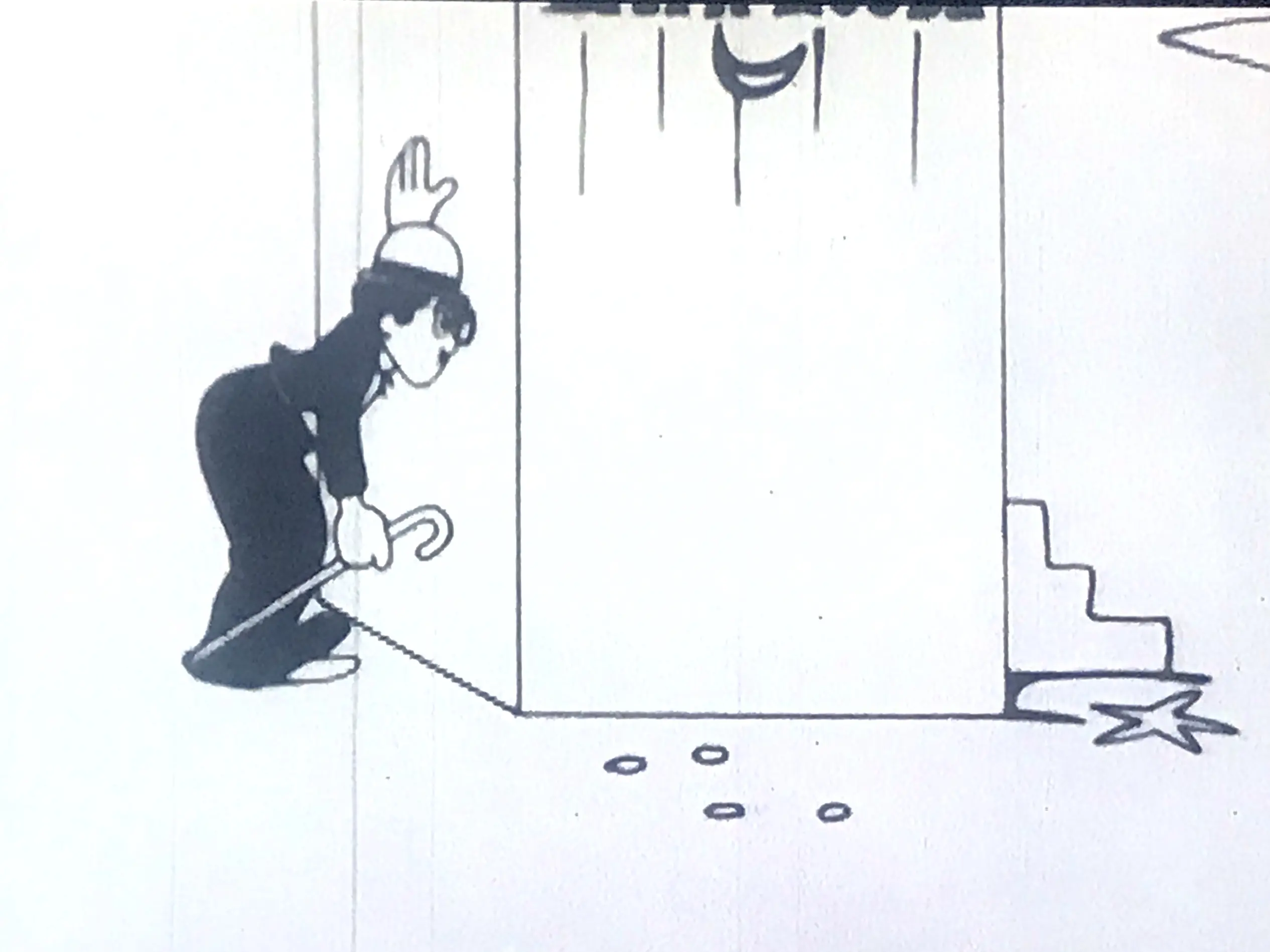
The film, a vibrant if rudimentary creation by Pat Sullivan, capitalizes on Chaplin's immense popularity without needing his live-action presence. This animated iteration of Charley, complete with the signature bowler hat, cane, and waddling gait, immediately resonates with audiences familiar with the Tramp's cinematic escapades. The decision to animate Chaplin wasn't merely a creative whim; it was a shrewd commercial move, extending the reach of an already iconic brand into a nascent medium. This venture into animation for a character of such renown speaks volumes about the widespread impact Chaplin had achieved by this era. It’s a parallel to how modern franchises explore new mediums, but with the raw, pioneering spirit of early 20th-century entertainment.
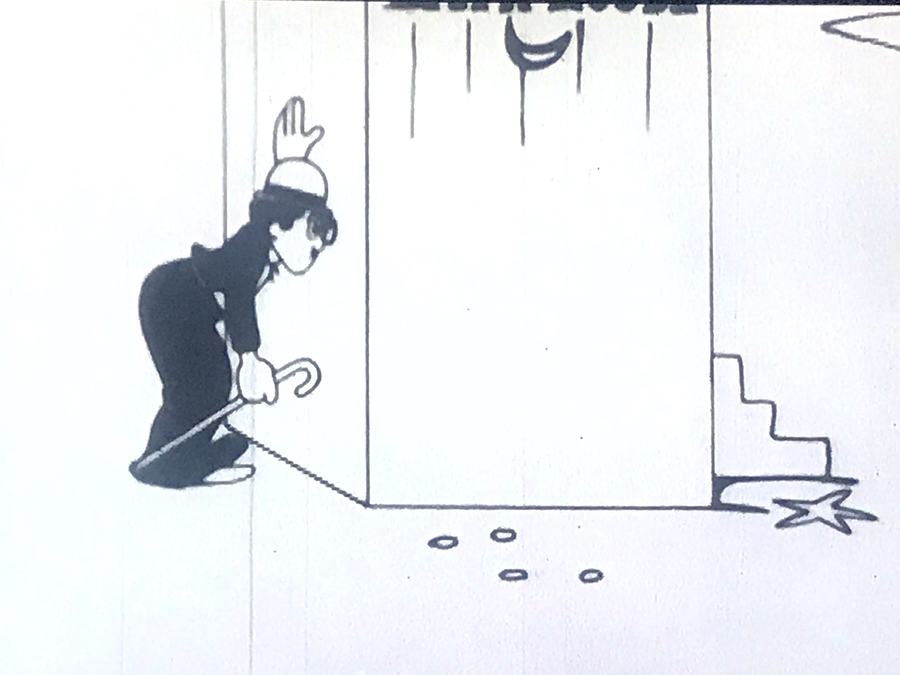
The animation itself, while primitive by today's standards, possesses a raw charm. The characters move with a jerky, almost staccato rhythm, characteristic of the early cel animation process. Yet, within these limitations, Sullivan and his team manage to infuse Charley with an undeniable personality. His expressive eyes, the slight tilt of his head, the way he brandishes his cane – all are instantly recognizable, distilled to their animated essence. This reductionism, far from diminishing the character, accentuates his most defining traits, allowing the audience to project their familiarity with the live-action Tramp onto this two-dimensional counterpart. One could argue that this early form of animation, with its reliance on broad strokes and exaggerated movements, was perfectly suited to capturing the essence of physical comedy that Chaplin had so meticulously perfected in films like The Merry-Go-Round or even the dramatic flourishes of Hamlet, though the latter is a starkly different beast.
The narrative, simple as it is, unfolds with a delightful inevitability. Charley arrives at the beach, an idyllic setting quickly transformed into his personal playground for mischief. His initial observations of a lone female bather set the stage for a series of escalating pranks. This dynamic – the innocent bystander becoming the unwitting foil for the mischievous protagonist – is a timeless comedic trope, one that Chaplin himself employed with masterful precision throughout his career. Here, it is rendered with an almost childlike glee, emphasizing the Tramp's eternal boyishness.
The gags themselves are classic Chaplin: physical, visual, and often involving mundane objects being repurposed for comedic effect. The umbrella, initially a tool for shade, becomes a weapon of gentle annoyance. The sand, a ubiquitous beach element, is transformed into a source of playful torment. And the manipulation of the bather's bathing suit, while perhaps a touch risqué for its time, is executed with a cartoonish innocence that defuses any potential offense, instead eliciting chuckles at its sheer audacity. These are not malicious acts; they are the spontaneous expressions of a character who views the world as an endless source of playful interaction, a theme explored with greater nuance in features like The Scarlet Crystal, though that film leans into more dramatic territory.
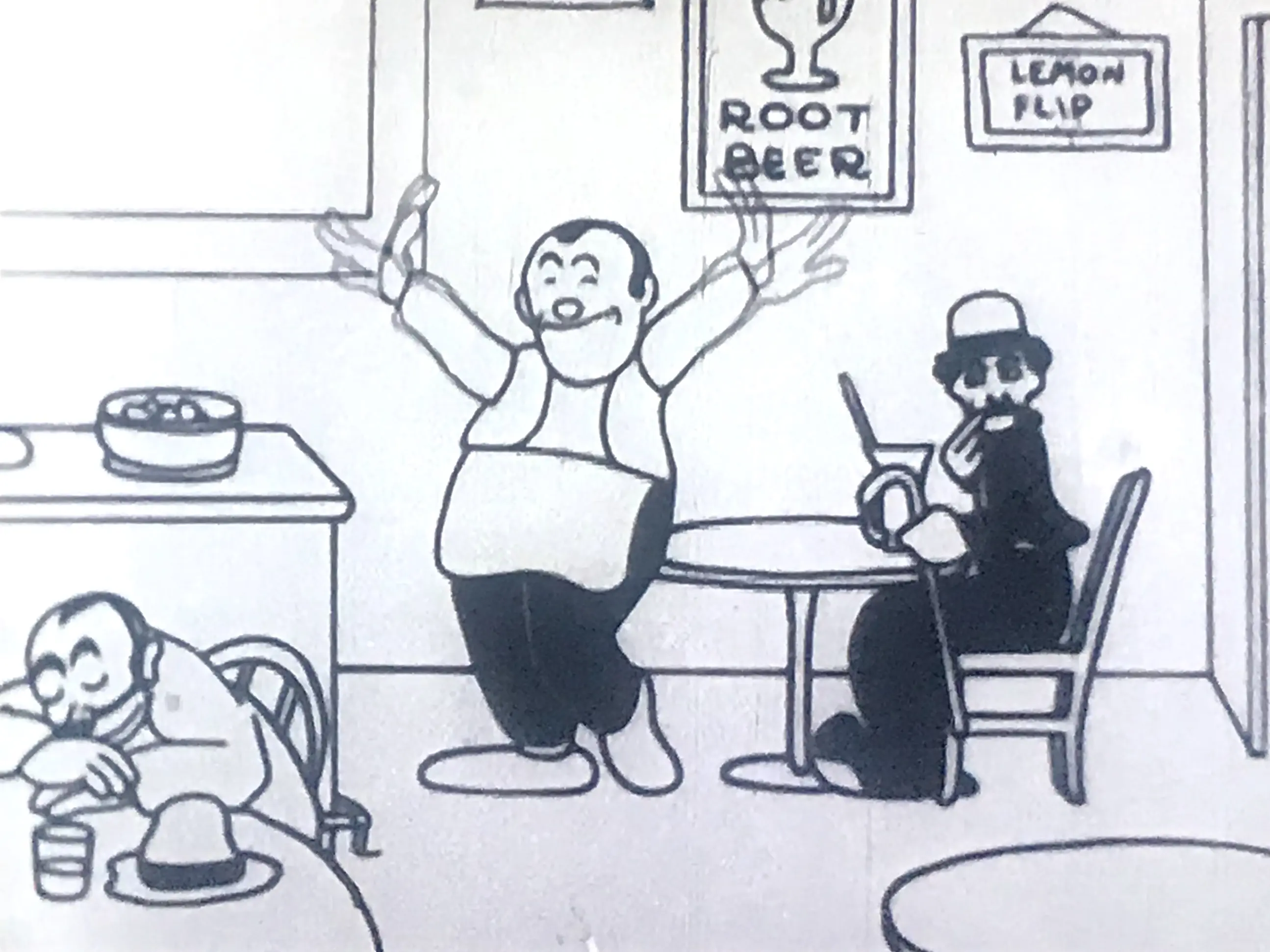
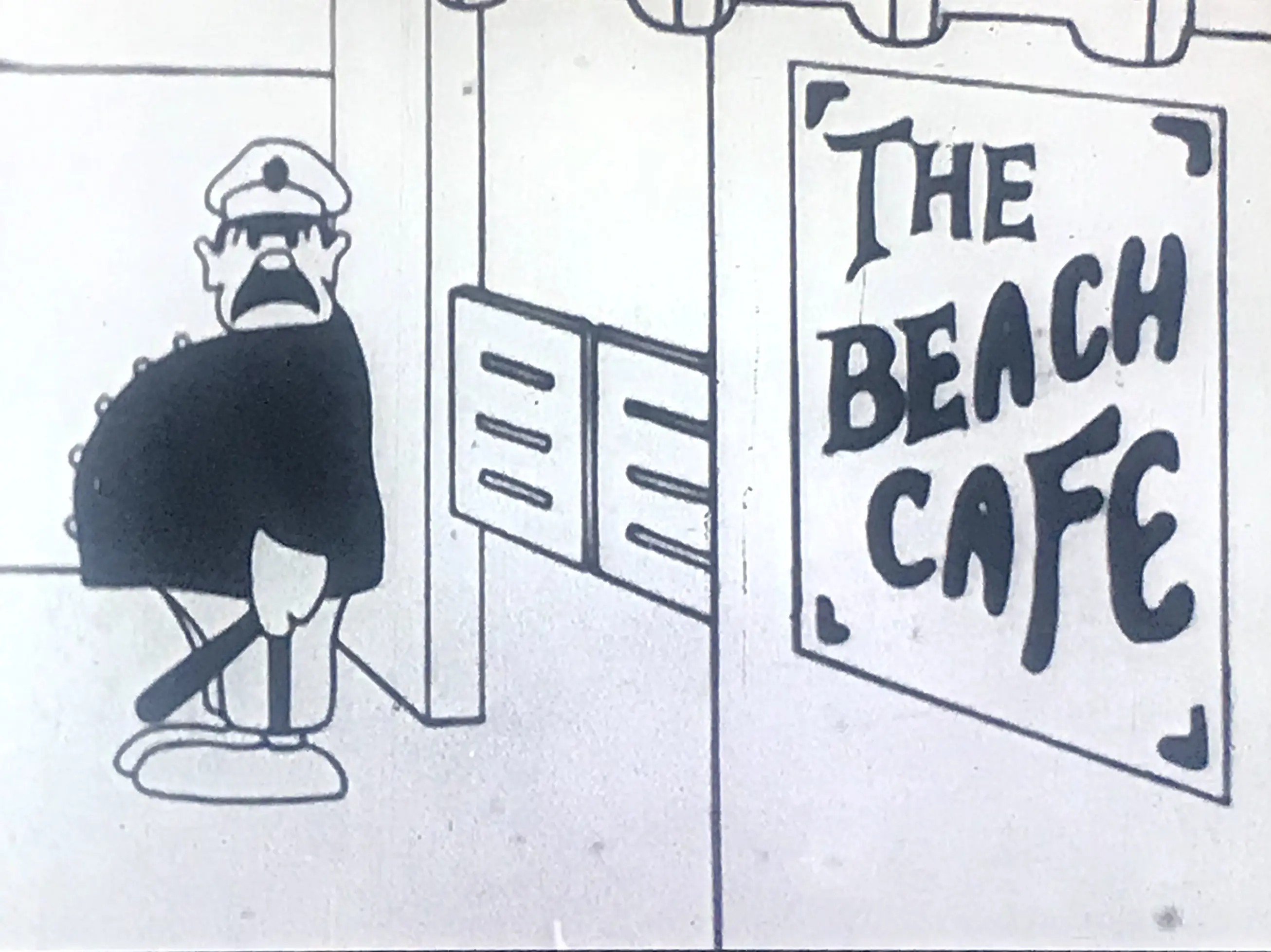
No Chaplin-esque caper is complete without an authority figure to challenge the Tramp's anarchic spirit. Enter Mike, the candy cane-loving cop. Mike is the antithesis of Charley: large, slow, and utterly devoted to maintaining order, even if that order involves a strict adherence to confectionary consumption. His character is a wonderfully simple caricature, embodying the lumbering, often ineffectual figures of authority that populated many early comedies. The candy cane is a brilliant touch, adding a layer of whimsical absurdity to his otherwise stern demeanor, making him less menacing and more comically obtuse.
The conflict between Charley and Mike is the engine of the film's latter half. It's a classic chase sequence, a staple of both silent cinema and early animation. The smaller, nimbler protagonist outwitting the larger, slower antagonist is a narrative dynamic that resonates across cultures and generations. Here, it's executed with the kinetic energy inherent in animation, allowing for exaggerated movements and impossible escapes that would be challenging to achieve in live-action. The humor derives from Mike's frustrated attempts to apprehend the elusive Charley, his every ponderous step contrasting with Charley's effortless evasion. This dynamic is a simplified echo of the social commentary often found in Chaplin's more mature works, where the Tramp often found himself at odds with societal norms and institutions, as seen in the subtle critiques in films like The Inner Shrine, albeit through a very different comedic lens.
What makes Charley at the Beach more than just a historical curiosity is its ability to encapsulate the essence of the Tramp character in a new medium. It demonstrates the universality of Chaplin's comedic language, proving that his appeal wasn't solely tied to his physical presence but to the archetypal character he had so meticulously crafted. The film reminds us that the Tramp, in whatever form he appears, represents a certain spirit of resilience, mischief, and gentle subversion. He's the eternal underdog, the playful provocateur, and the embodiment of innocent rebellion.
The film also serves as a fascinating precursor to the myriad animated adaptations and homages that would follow for countless iconic characters. It highlights the early understanding that animation could extend the life and reach of popular figures, allowing them to perform feats and exist in scenarios impossible in live-action. This foresight, even in a simple short, underscores the pioneering spirit of early cinema and animation. The ability to translate a live-action performance into a successful animated short is no small feat, requiring a deep understanding of the source material's core appeal. This is a challenge that even today's filmmakers grapple with when adapting beloved characters for different mediums.
In an era saturated with hyper-realistic CGI and complex narrative structures, there's a refreshing purity to Charley at the Beach. Its humor is direct, its characters are clearly defined, and its message (if one can even call it that) is simply to entertain. It's a reminder of a time when the spectacle was found in the ingenuity of a hand-drawn line and the cleverness of a sight gag. This simplicity is not a weakness but a strength, allowing the film to transcend its historical context and offer genuine amusement to contemporary viewers willing to appreciate its vintage charm.
Comparing it to other films of its era, one can see how it fits into the broader tapestry of early cinema's experimentation. While it lacks the dramatic weight of something like Male and Female or the epic scope of Alexander den Store, it shares with them a commitment to storytelling through visual means. Its comedic lineage can be traced back to the broader tradition of vaudeville and music hall entertainment, which heavily influenced Chaplin himself. The rapid-fire succession of gags and the reliance on physical comedy are direct descendants of these performance styles. Even the structure of the film, a series of escalating incidents culminating in a chase, is a classic comedic formula.
The film, though brief, offers a valuable glimpse into the cross-pollination of popular culture and emerging media. It showcases how a universally recognized figure could be adapted and reinterpreted, maintaining his core identity while exploring new artistic frontiers. Pat Sullivan, as the credited creator, deserves recognition for translating Chaplin's genius into the animated realm, a feat that required both artistic skill and an astute understanding of what made the Tramp so captivating. This early work set a precedent for character animation and the commercial viability of leveraging popular icons in new formats.
In conclusion, Charley at the Beach is far more than a mere historical curiosity. It’s a vibrant, albeit brief, celebration of physical comedy and character animation. It captures the essence of Charlie Chaplin’s iconic Tramp in a new, exciting medium, proving the enduring appeal of his mischievous yet endearing persona. It’s a testament to the power of simple storytelling and the universal language of laughter. For anyone interested in the evolution of both animation and cinematic comedy, this short film is an essential watch, offering a delightful blend of historical significance and pure, unadulterated fun. It stands as a charming reminder that sometimes, the greatest joy comes from the most unassuming of sources, a playful romp on a sunny beach, brought to life by the magic of early animation.
Its place in film history, though minor in terms of length, is significant in its demonstration of how popular culture figures could transcend their original medium. It foreshadowed the vast universe of animated spin-offs and adaptations we see today. The film's unassuming charm and straightforward comedic approach ensure that it remains an accessible and enjoyable piece of cinematic history, a small but potent reminder of the foundational elements that continue to make us laugh. It’s a delightful dip into the past, proving that a good gag, much like the Tramp himself, is truly timeless. From the simple joys of a seaside outing to the chaotic pursuit by a candy-loving constable, every frame of Charley at the Beach exudes an infectious, innocent mirth that continues to resonate, proving that some comedic formulas, much like the changing tides, remain eternally captivating.
The playful interaction, the escalating series of minor infractions, and the inevitable, yet always amusing, chase are all hallmarks of a comedic era that prioritized visual storytelling and character-driven humor. It’s a masterclass in economy, conveying character and plot with minimal dialogue and maximum visual impact. The film, in its brief runtime, manages to evoke the same spirit of playful rebellion and endearing vulnerability that defined Chaplin's live-action performances. It's a small but significant piece of the puzzle that is early 20th-century entertainment, showcasing the inventive ways creators sought to captivate audiences and push the boundaries of storytelling. The enduring smile it leaves on your face is perhaps its greatest achievement, a testament to the universal power of a well-executed animated caper.
IMDb 7.1
1933
Community
Log in to comment.