DbcultAccessing Vault...
Cult Review
Senior Film Conservator
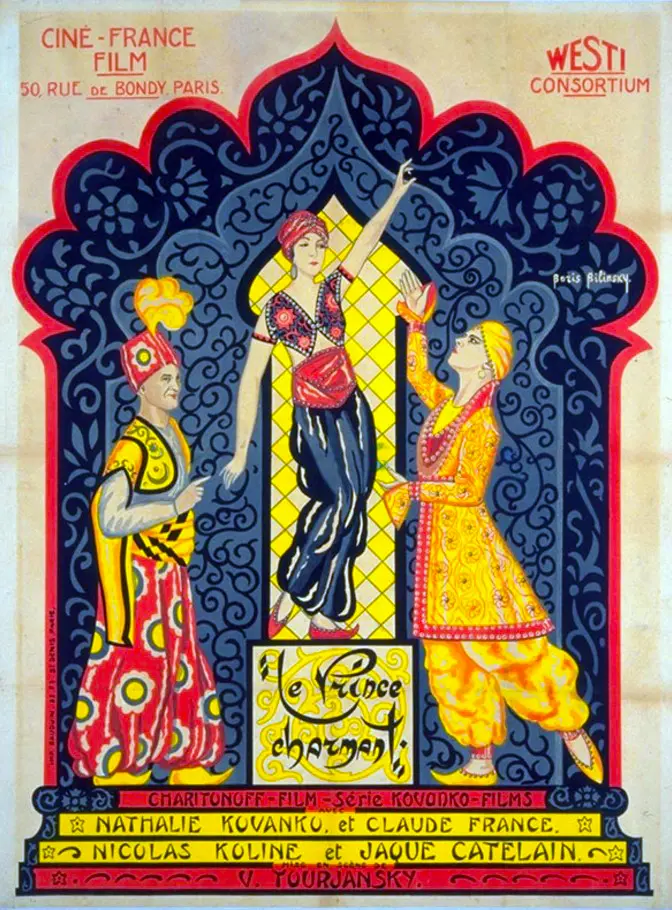
Is this film worth watching today? Short answer: yes, but only if you are a dedicated student of the silent era's obsession with 'The Orient' and high-society melodrama. This film is for those who appreciate the aesthetic of 1920s European extravagance and the technical evolution of location shooting; it is absolutely not for viewers who demand fast-paced action or culturally sensitive depictions by modern standards.
This film works because it utilizes the yacht 'Bengal' as a literal and metaphorical vehicle for escapism, providing a sense of scale rarely seen in contemporary works like The Nervous Reporter.
This film fails because the central romance between Patrice and Anar is built on the flimsy foundation of a 'rescue' trope that lacks any real psychological depth or meaningful dialogue through its intertitles.
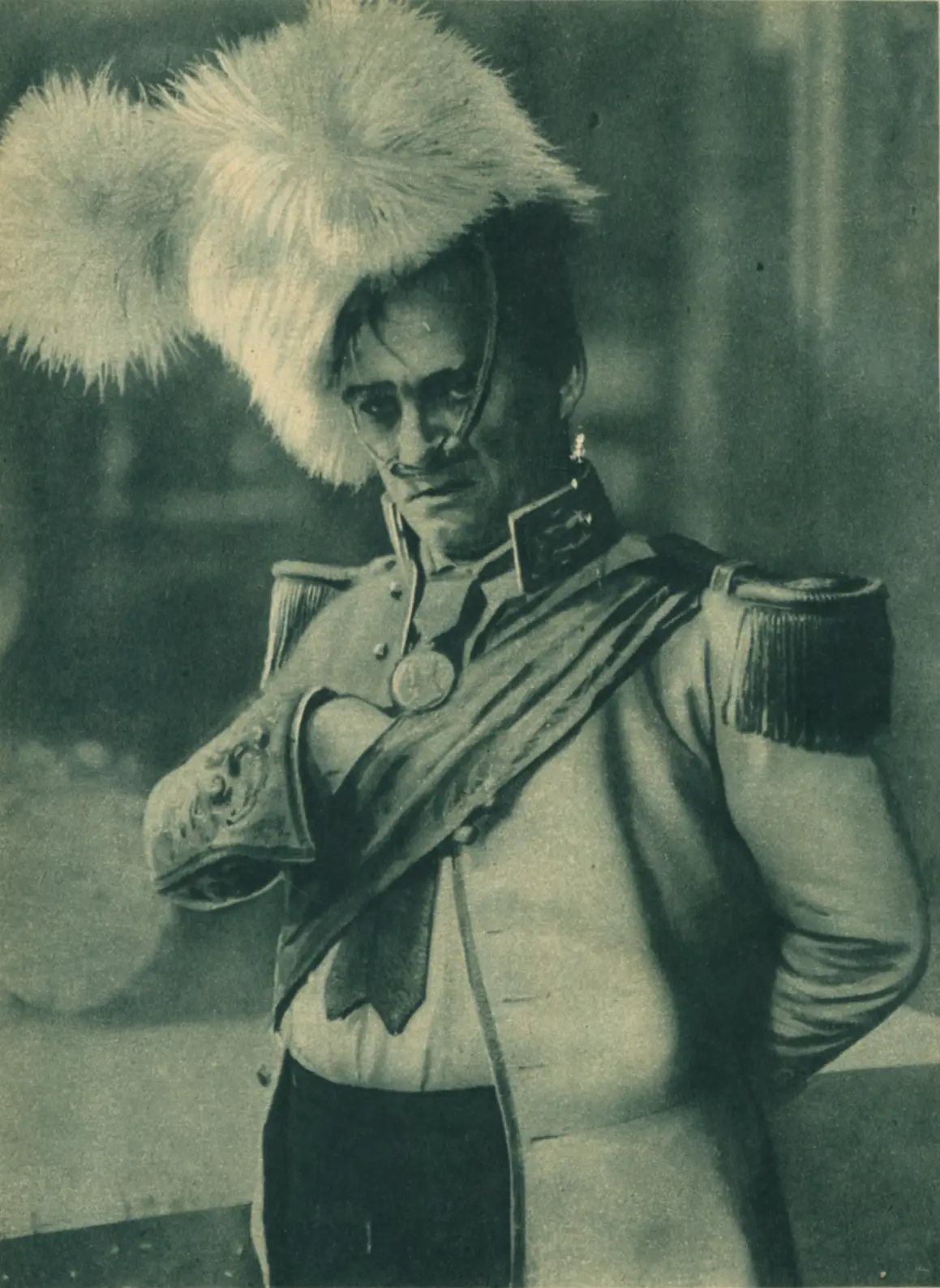
You should watch it if you want to see the transition of silent cinema from stagey interiors to the sweeping, adventurous spirit that would eventually define the late 20s.
Le prince charmant is worth watching for its historical value and the performance of Claude France. It offers a window into how the 1920s viewed the intersection of royalty and the exotic. If you enjoy silent dramas that lean heavily into jealousy and grand gestures, this is a solid entry. However, if you find the 'white savior' narrative of the era exhausting, you might want to skip it.
The yacht 'Bengal' isn't just a setting; it's a character. In 1925, the sight of a massive vessel cutting through the waves was the 'CGI' of its day. The director uses the ship to establish Count Patrice's immense wealth and isolation. When he is on the boat with Christiane, the framing is tight and oppressive. The decks feel like a prison of etiquette. This contrasts sharply with the scenes in the Eastern port, where the camera suddenly feels untethered and alive.
Consider the scene where Patrice first sees Anar. The lighting shifts from the flat, bright sunshine of the Mediterranean to a more shadowed, high-contrast 'chiaroscuro' style. It’s a visual cue that Patrice is entering a world he doesn't understand. This is a much more sophisticated use of light than what we see in Who Killed Simon Baird?, which relied more on standard theatrical lighting.
I’m going to take a stance here: Christiane is the only interesting person in this movie. While Patrice is a boring archetype of the 'noble hero' and Anar is a passive 'damsel,' Christiane has agency. Her jealousy isn't just petty; it’s a survival mechanism. In the world of Simenian royalty, losing Patrice means losing her entire social standing. When she begins her 'fair or foul' campaign, the film finally gains some teeth.
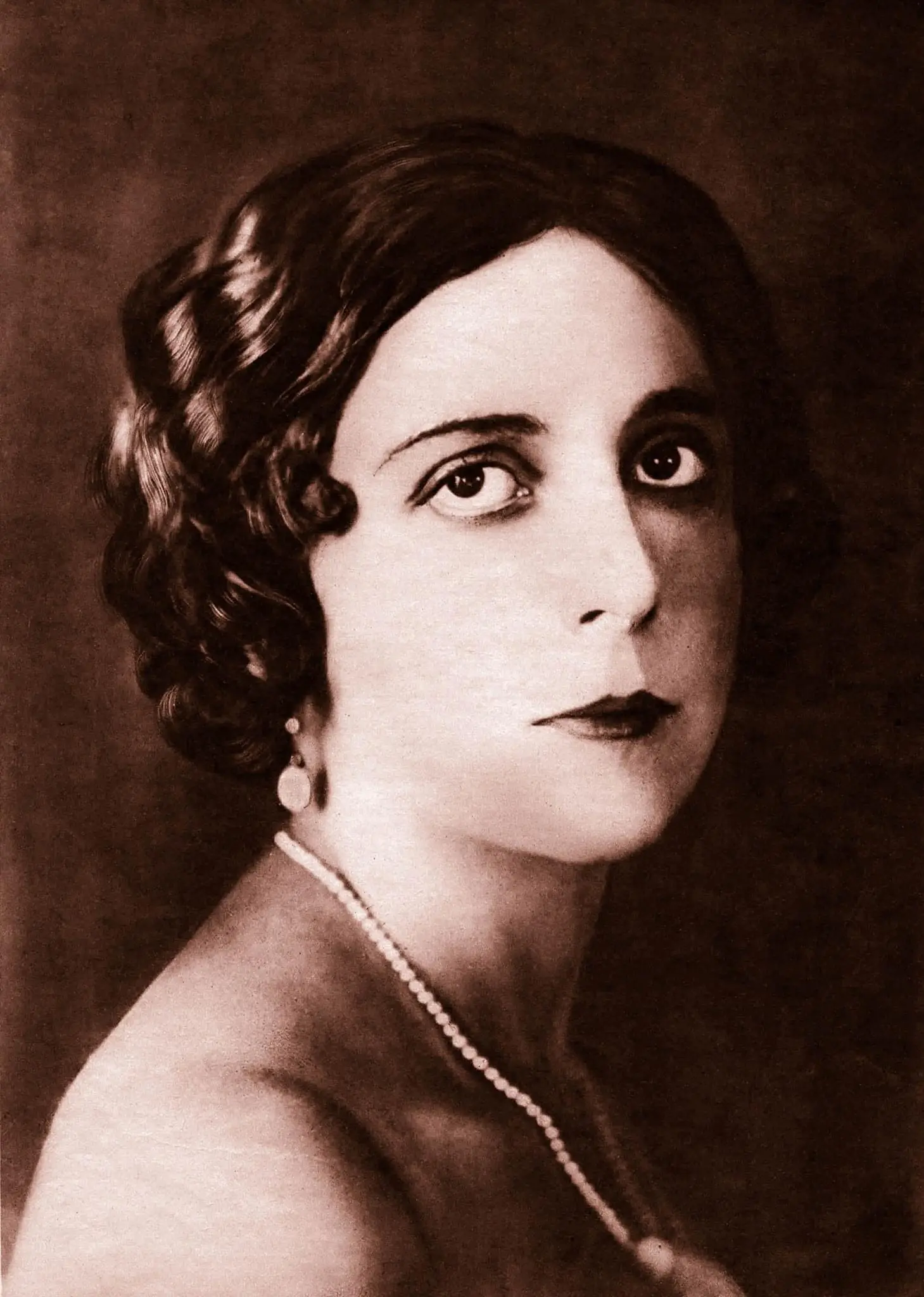
There is a specific moment where Christiane watches the lovers from the upper deck. Her face is half-obscured by a veil, but her eyes—played with chilling intensity by the actress—convey more than any intertitle could. It’s a moment of pure, silent-era acting that rivals the intensity found in La belle Russe. She isn't just a 'vexed woman'; she is a woman watching her future evaporate. It works. But it’s flawed.
The direction by the collective of writers and creators here leans heavily into the tropes of the time. The harem sequence is shot with a voyeuristic lens that was common in the mid-20s, similar to the vibes in L'écrin du rajah. It’s a fantasy of the 'East' created entirely for a Western gaze. The sets are opulent, but they feel like a stage play. This is where the film’s age shows the most. The 'exotic' characters are played with broad, stereotypical gestures that lack the nuance given to the European cast.
However, the pacing is surprisingly modern. Unlike many silents that drag in the second act, Le prince charmant keeps the stakes high. The transition from the rescue to the sabotage happens quickly. The editors knew that the audience was there for the drama, not the travelogue. It’s a punchy narrative that doesn't overstay its welcome, which is more than can be said for Creation.
Technically, the film is a marvel of its era. The use of natural light in the outdoor scenes shows a sophisticated understanding of film stock limitations. In the 1920s, shooting on water was a nightmare of overexposure, yet the scenes on the yacht are balanced and clear. It lacks the grain and muddiness found in lower-tier productions like Big Dan.
The costume design also deserves a mention. Christiane’s wardrobe is a masterclass in 'Art Deco' influence. Every dress she wears seems to get sharper and more angular as her heart hardens. By the final act, she looks less like a princess and more like a weapon. This visual storytelling is where silent film excels, using fabric and shape to tell the story that words cannot.
Le prince charmant is a fascinating, if problematic, relic. It is a film of high highs and shallow lows. While the romance is forgettable, the production value and the sheer audacity of its 'yacht-bound' drama make it a compelling watch for any cinephile. It’s a beautiful, hollow, and ultimately entertaining piece of history.

IMDb 6.1
1927
Community
Log in to comment.