DbcultAccessing Vault...
Cult Review
Senior Film Conservator
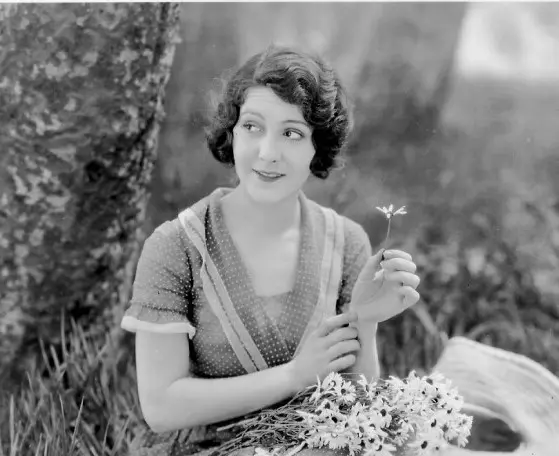
In the pantheon of silent-era domestic dramas, few films capture the crushing weight of social expectation with the same visceral intensity as the 1925 production of Rose of the World. Directed with a keen eye for the chiaroscuro of the industrial soul, this adaptation of Kathleen Norris’s prose isn't merely a romance; it is a scathing indictment of the pusillanimous nature of the American gentry. To watch Pauline Garon navigate the treacherous waters of the Talbot iron-works is to witness a masterclass in understated pathos. Unlike the more whimsical sentiments found in Pick Out Your Husband, this film leans heavily into the grit and grime of the machine age, using the iron-works as a metaphor for the rigid, unyielding structures of the class system.
The narrative engine is fueled by a profound sense of injustice. Jack Talbot, portrayed by Allan Forrest with an appropriately irritating lack of backbone, represents the pinnacle of inherited privilege—a man who loves deeply but lacks the intestinal fortitude to defy his matriarchal overseer. This dynamic immediately sets the film apart from the more straightforward sentimentalism of Always in the Way. Here, the obstacles are not merely circumstantial; they are deeply psychological, rooted in a terrifying form of filial piety that renders the protagonist a secondary character in his own life.
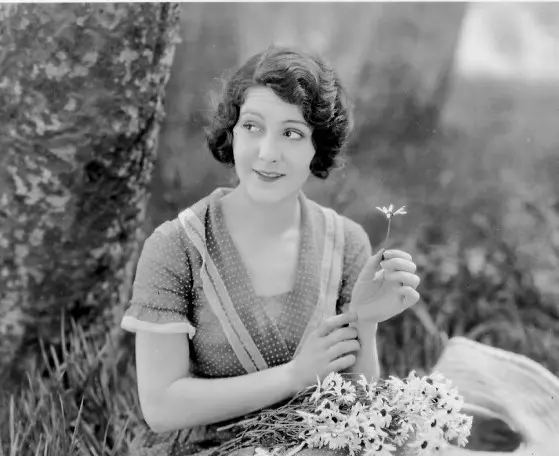
The casting of Pauline Garon as Rose Kirby was a stroke of genius. Garon possesses a face designed for the silent screen—a canvas upon which every flicker of hope and every shadow of betrayal is writ large. Her Rose is not a victim in the traditional sense; she is a woman of immense moral gravity. When she discovers the secret contract that would grant her the Talbot iron-works, her refusal to use it is not an act of weakness, but a profound statement of self-worth. This moral complexity echoes the thematic depth seen in The Girl and the Judge, yet Garon imbues the role with a specific, proletarian dignity that feels uniquely grounded.
Contrast her performance with the archetypal 'vamp' played by Patsy Ruth Miller. Miller, who would later find immortality in other roles, here serves as the antithesis to Rose’s purity. Her character’s eventual death in childbirth is a harsh, almost biblical retribution—a common trope of the era that emphasized the domestic 'ideal' over the 'modern' woman. While this aspect of the script feels dated to a modern audience, within the context of 1925, it serves as a stark reminder of the binary roles women were forced to inhabit. The film’s treatment of these characters is far more nuanced than the broad strokes found in The Wildcat, opting instead for a somber, almost funerary tone during its middle act.
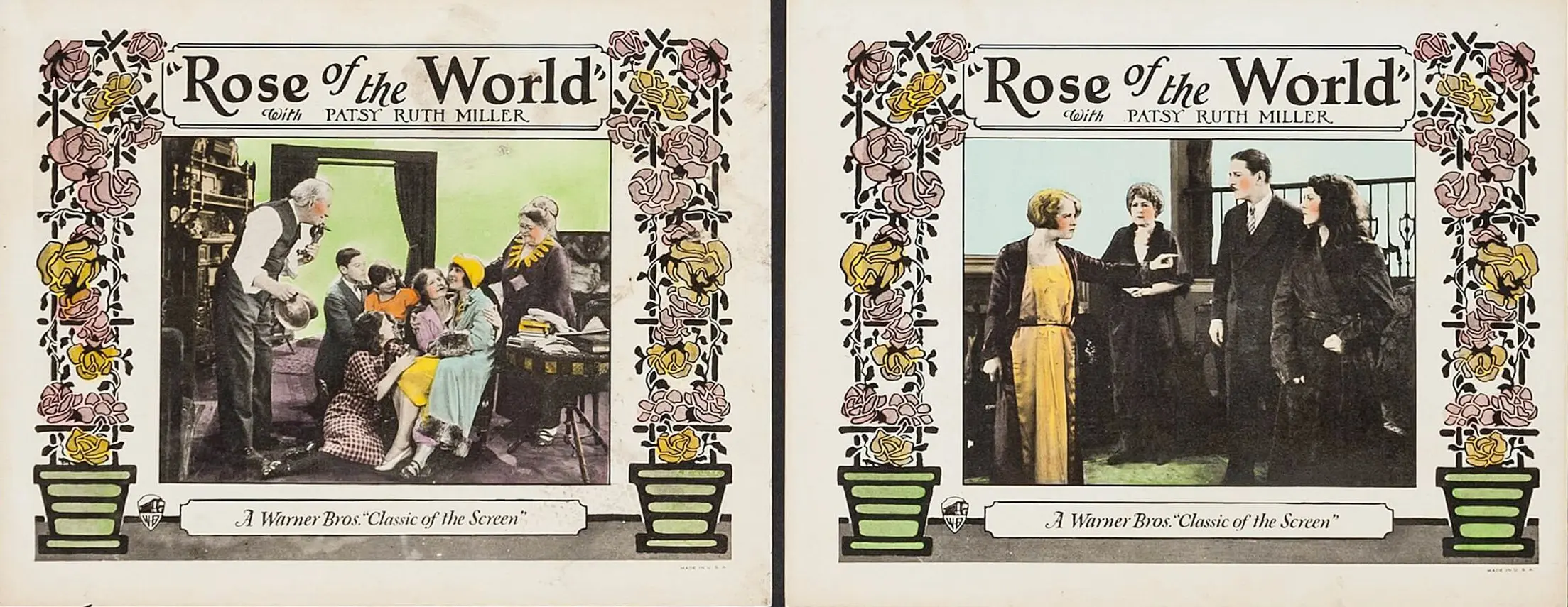
Every great melodrama requires a catalyst for misery, and Rockliffe Fellowes as Clyde Bainbridge delivers with a cold, mercenary efficiency. Bainbridge is a 'rotter' in the truest sense of the word, a man whose every action is dictated by the ledger. His marriage to Rose is a transaction, a gamble on a hidden inheritance that transforms the domestic space into a psychological battlefield. The tension within their household is palpable, reminiscent of the atmospheric dread found in The Unholy Three. Fellowes plays the role with a predatory stillness that makes the film’s eventual descent into violence feel both inevitable and earned.
The inclusion of the demented grandfather, played by Alec B. Francis, introduces a Gothic element that disrupts the film's industrial realism. Francis’s performance is haunting, portraying a mind unmoored from time, which ultimately serves as the instrument of divine—or perhaps just chaotic—justice. His accidental killing of Bainbridge is a shocking moment of 'deus ex machina' that feels remarkably similar to the sudden shifts in fortune seen in The Black Stork. It is a moment where the film breaks away from its sociopolitical commentary and embraces the raw, untamed energy of the melodrama.
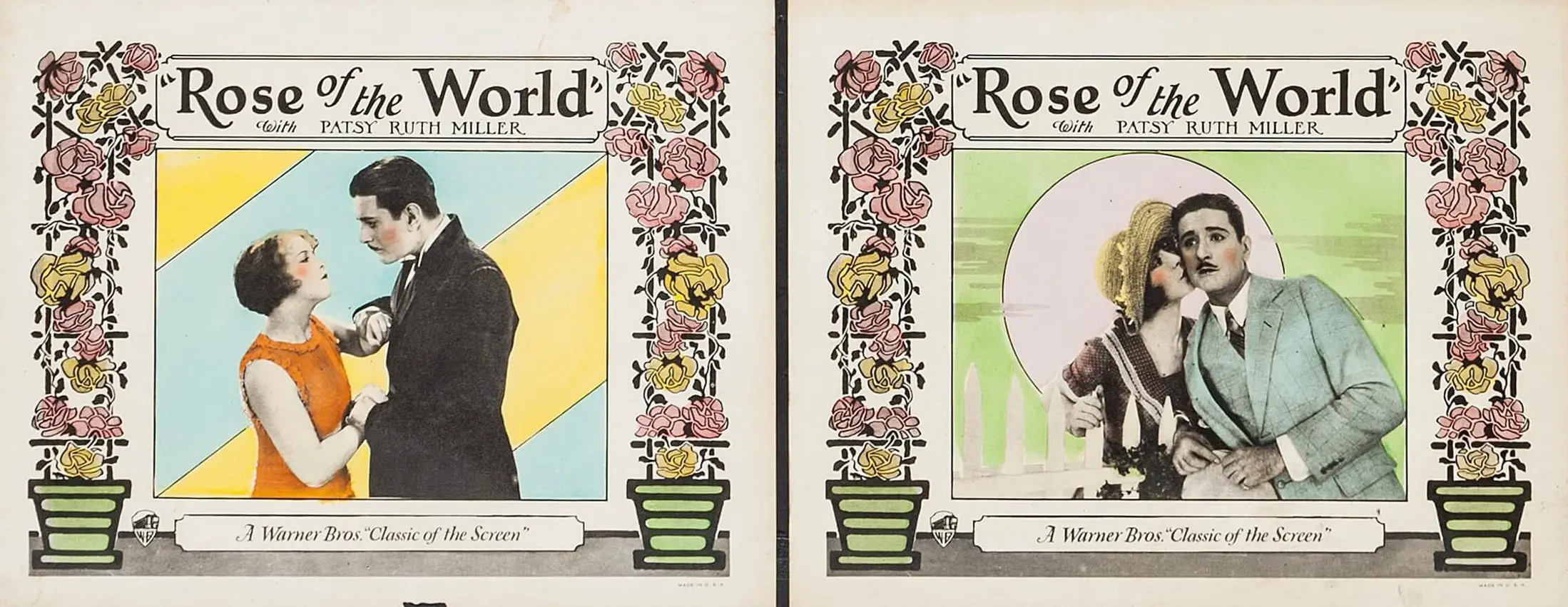
Visually, Rose of the World is a triumph of location and set design. The Talbot iron-works are not just a backdrop; they are a character in their own right. The smoke, the fire, and the rhythmic clanging of machinery (implied through the masterful editing) create a sense of oppression that mirrors Rose’s own predicament. This industrial focus provides a much grittier texture than the period-piece opulence of Dorothy Vernon of Haddon Hall. The cinematography by the uncredited but clearly talented crew utilizes high-contrast lighting to emphasize the divide between the soot-covered workers and the pristine, sterile environments of the Talbot mansion.
There is a particular sequence where Rose wanders through the plant that stands as one of the most evocative moments in silent cinema. The scale of the machinery dwarfs her, symbolizing the immense power of the Talbot legacy that she unknowingly holds in her hand. This visual storytelling is far more effective than the dialogue cards, capturing the essence of the 'little person' against the 'machine' in a way that recalls the social realism of The Italian. It is this commitment to visual metaphor that elevates the film above its more pedestrian contemporaries like Caught in the Act.
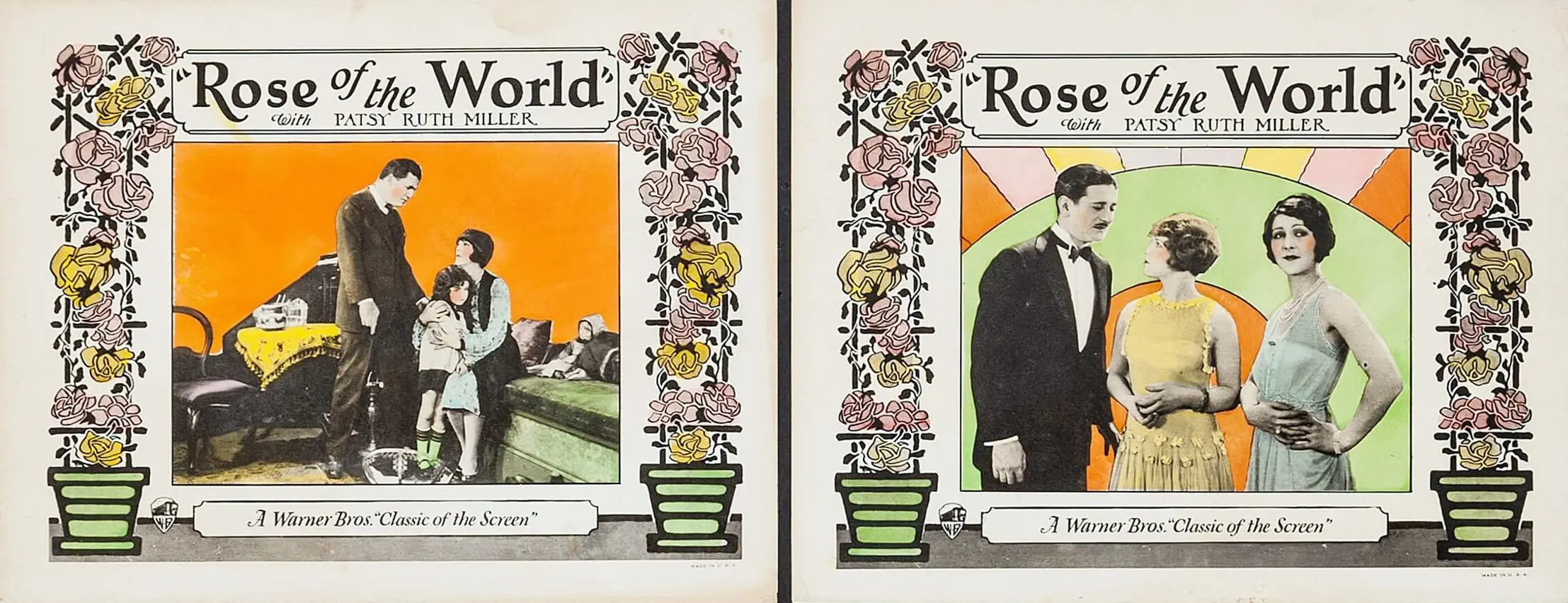
The writing credits, featuring Julien Josephson and Dorothy Farnum, ensure that Norris’s original vision is translated with its intellectual vigor intact. The script avoids the easy sentimentality of many 1920s romances, opting instead for a rigorous exploration of character motivation. The dialogue—delivered through beautifully designed intertitles—is sharp and devoid of the flowery excess that plagued many films of the era. This precision is reminiscent of the tight plotting found in Time Lock No. 776, where every scene serves the overarching narrative arc without distraction.
Norris was known for her ability to weave complex social issues into popular fiction, and Rose of the World is perhaps the best example of this on film. It tackles the vulnerability of women in the legal and economic spheres, the corrosive nature of wealth, and the possibility of redemption through suffering. These themes resonate with the psychological depth of Gefangene Seele, though the American setting provides a different flavor of existential dread—one rooted in the 'American Dream' turned nightmare. The film’s refusal to provide an easy out for Jack Talbot—forcing him to endure a loveless marriage and the death of his wife before he can find happiness—is a testament to the script’s integrity.
Looking back from a modern vantage point, Rose of the World stands as a fascinating bridge between the Victorian morality of the early 20th century and the burgeoning realism of the 1930s. It lacks the experimental audacity of Black Oxen, yet it possesses a grounded, emotional truth that many more 'innovative' films lack. The performances, particularly those of Garon and Francis, remain startlingly modern in their execution, eschewing the over-the-top gesticulation that often makes silent film difficult for contemporary audiences to digest.
The film also serves as a crucial document of the 1920s' obsession with the 'vamp' and the 'pure woman' dichotomy. While we might find the resolution—death for the 'bad' characters and happiness for the 'good'—to be overly simplistic, the journey to that conclusion is fraught with a genuine sense of peril and emotional stakes. It is a film that understands the high cost of silence and the even higher cost of standing up for oneself in a world that demands conformity. In many ways, it is the silent era's answer to the corporate thrillers of today, albeit with more lace and iron soot.
For those interested in the evolution of the melodrama, or for those who simply want to see a powerful performance by Pauline Garon, Rose of the World is essential viewing. It ranks alongside Erlebnisse einer Sekretärin in its depiction of the working woman’s struggle, yet it adds a layer of industrial grandeur that is entirely its own. The Talbot iron-works continue to burn in the mind long after the final iris-out, a flaming monument to a love that was almost lost to the machinery of class.
Reviewer Note: This analysis considers the cultural impact of the 1925 release and its stylistic departure from the more common 'flapper' comedies of the mid-20s. The film’s exploration of maternal dominance remains one of its most potent and under-discussed elements, predating the psychological depth of later noir films. If you enjoyed the tension in The Courageous Coward, the moral dilemmas presented here will undoubtedly resonate.
IMDb —
1933
Community
Log in to comment.