DbcultAccessing Vault...
6.5/10
Senior Film Conservator
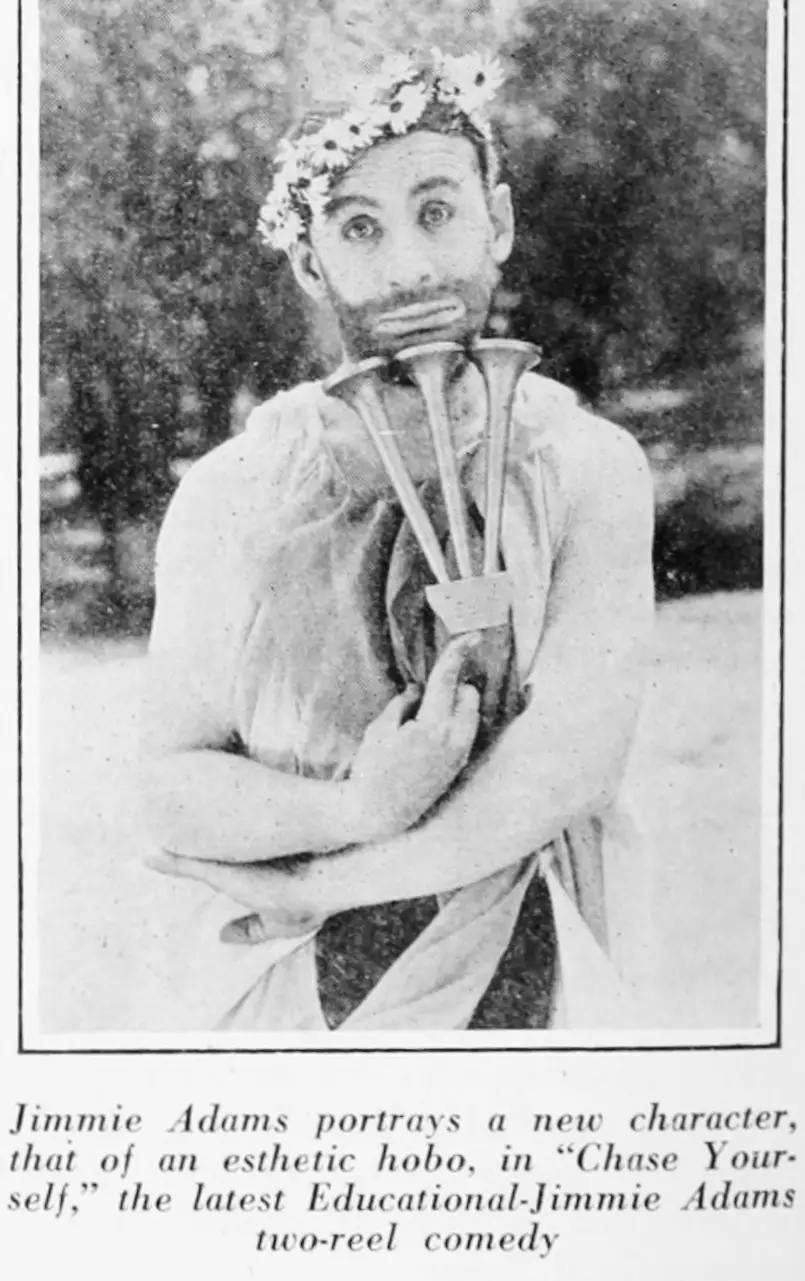
A definitive 6.5/10 rating for a film that redefined the boundaries of cult cinema. Chase Yourself remains a cornerstone of transgressive art.
Is this film worth watching today? Short answer: yes, but only if you have a refined palate for the frantic, low-stakes absurdity of the Christie Comedies era. This isn't a high-art masterpiece of the silent age, but it is a fascinating relic of how 1920s audiences consumed genre parodies.
This film is for enthusiasts of physical comedy who enjoy seeing the 'tramp' archetype placed in high-danger scenarios. It is NOT for those who require complex plotting or the sophisticated visual storytelling of a Buster Keaton feature.
1) This film works because: The central gag—a monogrammed pipe serving as a symbol of lethal authority—is a brilliant bit of prop-based storytelling that drives the plot without needing a single title card.
2) This film fails because: The supporting characters, particularly Lavoris and Turpentine, are largely underutilized, serving more as background texture than active participants in the comedy.
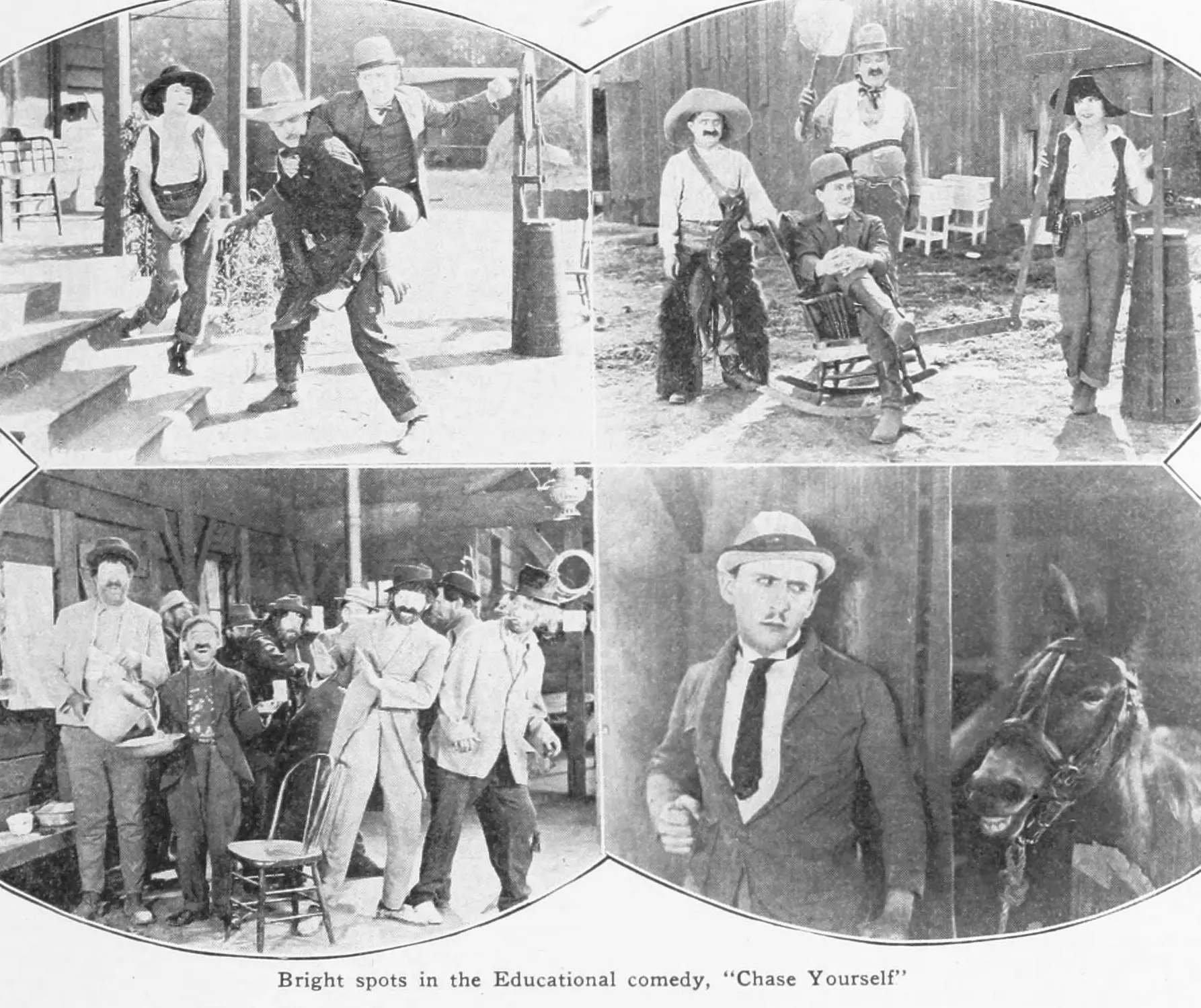
3) You should watch it if: You want to see how silent shorts poked fun at the 'tough guy' tropes established in serious Westerns like The Border Legion.
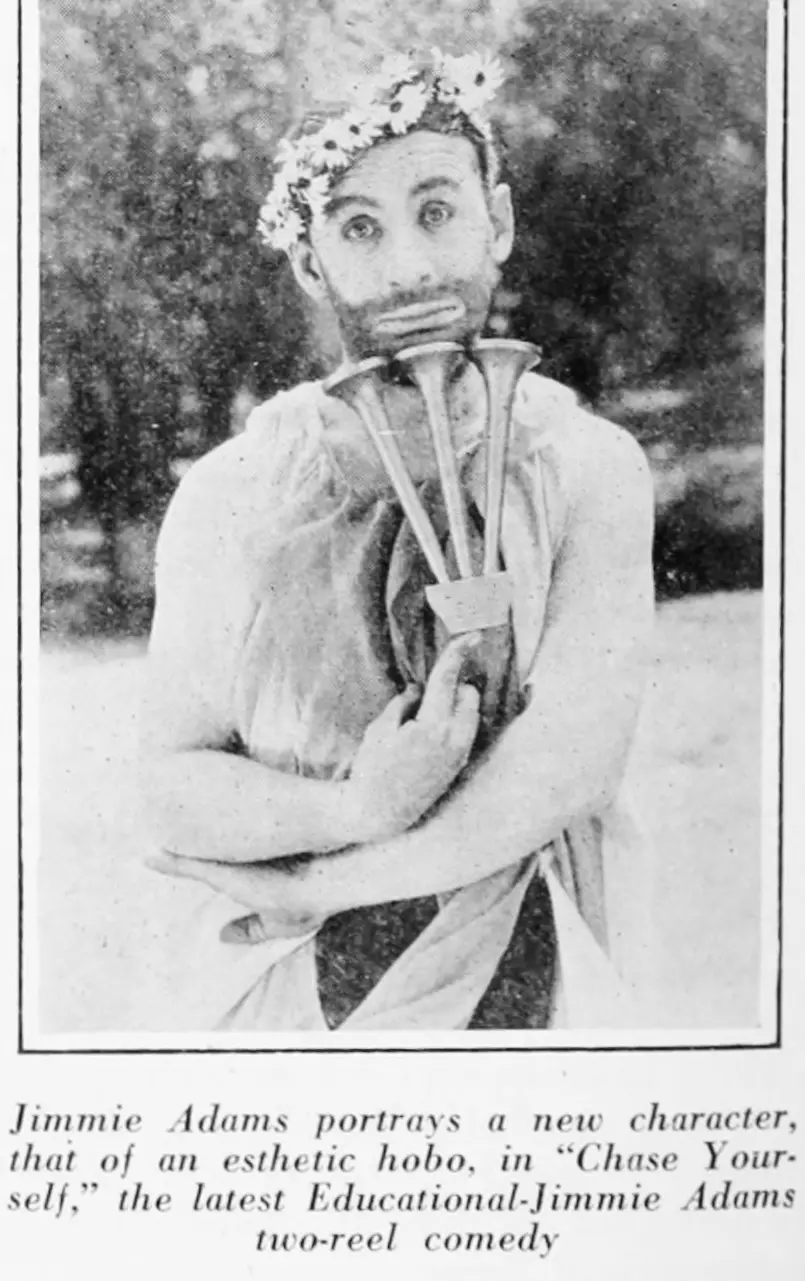
Chase Yourself thrives on the classic trope of the 'unassuming hero.' Jimmie Adams, an actor often overshadowed by the giants of the era, brings a specific kind of nervous energy to the role of Jimmie. Unlike the stoic resilience of a Keaton character, Adams plays Jimmie with a palpable sense of 'fake it till you make it.' When he picks up Two-Gun Joe’s pipe, he doesn't just find a smoking accessory; he finds a mask.
The scene where Molly’s foreman first spots the pipe is the film’s comedic anchor. The shift in the foreman’s body language—from aggressive posturing to submissive trembling—is a masterclass in silent acting. It highlights a cynical truth about the Wild West: reputation is often more dangerous than the man himself. It works. But it’s flawed. The reliance on this single misunderstanding stretches thin toward the second act.
Compare this to the structural tightness of Mighty Like a Moose. While that film uses identity as a complex web of social satire, Chase Yourself keeps it grounded in survival. Jimmie isn't trying to prove a point; he's just trying to keep his stomach full and his skin intact.
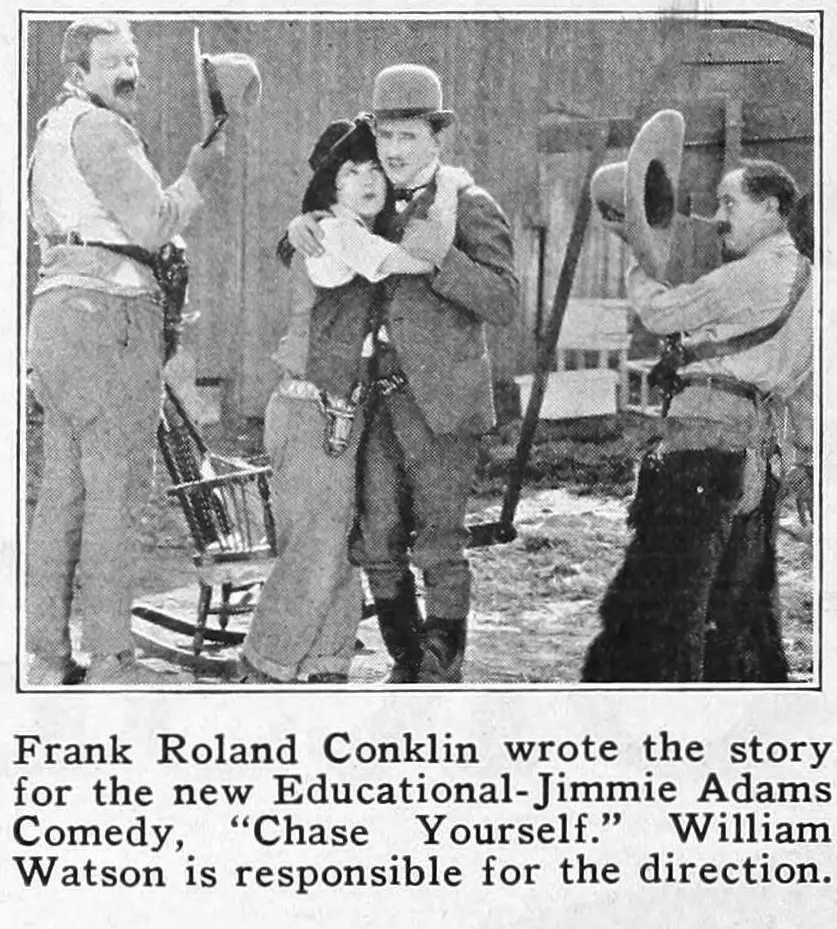
Directing a silent short requires a rhythmic understanding of movement. Al Martin and Frank Roland Conklin ensure that the 'chase' elements of the film—implied by the title—are paced with a metronomic precision. The geography of the ranch is established early, allowing the audience to understand exactly where the real Two-Gun Joe is in relation to the imposter Jimmie.
There is a specific moment where Jimmie attempts to perform 'ranch duties' that highlights the directorial flair. The way the camera captures his struggle with basic tools, contrasted against the foreman’s terrified admiration, creates a double-layered joke. We laugh at Jimmie’s incompetence while laughing at the foreman’s blindness. It is a sophisticated use of dramatic irony that elevates the film above standard slapstick.
The cinematography in Chase Yourself doesn't aim for the sweeping vistas of a John Ford epic. Instead, it uses the dusty, confined spaces of the ranch to create a sense of claustrophobia. This heightens the comedy. The closer Jimmie is to the people he is fooling, the higher the tension. The lighting is flat, typical of the era’s comedies, but the framing of the final confrontation is surprisingly dynamic.
If you are looking for a quick, 20-minute dive into the history of the Christie Film Company, then yes. It provides a clear window into the 'middle-class' of silent comedy—films that weren't global events but were the bread and butter of the American theatrical experience. It lacks the emotional depth of something like The Miracle of Life, but it compensates with pure, unadulterated energy.
Pros:
Cons:
Most critics look at the pipe as just a plot device. However, I’d argue the pipe represents the birth of 'brand identity' in the 1920s. The foreman doesn't fear the man; he fears the logo (the monogram). It’s a surprisingly modern take on how we consume symbols of power. Jimmie Adams isn't just a tramp; he's a man wearing a brand he can't afford.
Chase Yourself is a sturdy, well-constructed comedy that survives on the strength of its central performance. While it doesn't reinvent the wheel, it rolls it down the hill with significant speed and charm. It serves as a perfect companion piece to other Christie shorts like My Girl Suzanne or A One Cylinder Love Riot. It is a piece of history that still manages to elicit a genuine chuckle. It’s not deep. It’s not revolutionary. But it’s fun. And sometimes, that’s enough.
IMDb 5.8
1911
Community
Log in to comment.