DbcultAccessing Vault...
Cult Review
Senior Film Conservator
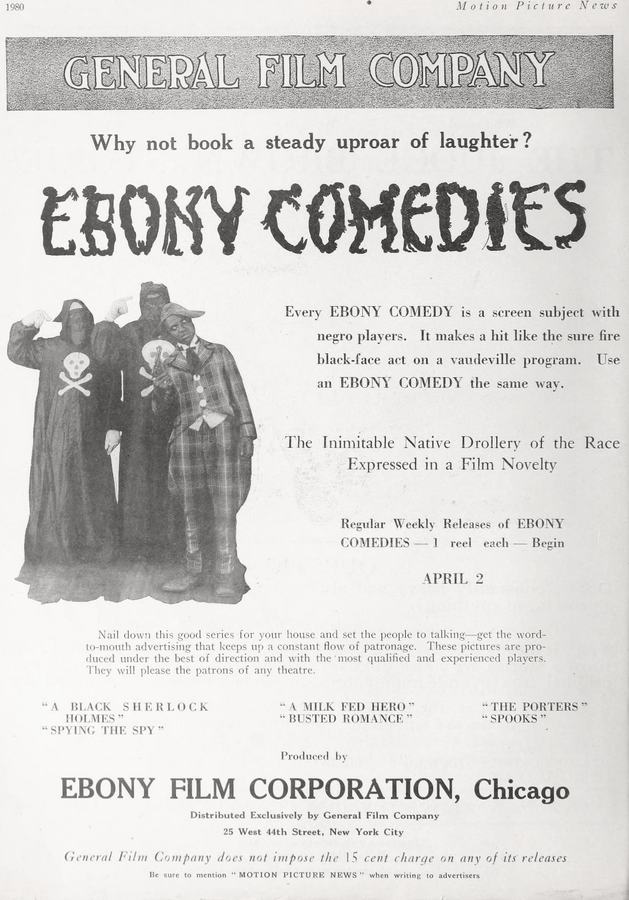
In an era saturated with cinematic spectacles, it is often the quiet, unassuming narratives that leave the most profound imprints. Such is the case with The Porters, a film that peels back the polished veneer of luxury hospitality to expose the raw, unvarnished reality of those who make its seamless operation possible. This isn't a story of grand heroes or dramatic confrontations; rather, it is a meticulous, almost anthropological, examination of the daily grind, the silent sacrifices, and the hidden dignity of the hotel bellhops whose lives are defined by the relentless rhythm of the six-to-six shift. From the first chime of dawn to the final weary sigh of dusk, their existence is a testament to endurance, a subtle ballet of servitude performed against a backdrop of transient opulence.
The hotel in The Porters is not merely a setting; it is a character in itself, a sprawling, labyrinthine entity sustained by the unseen labor of its staff. Its grand lobbies, hushed corridors, and sumptuously appointed rooms are a world away from the cramped staff quarters and service entrances that form the porters' true domain. The contrast is stark and serves as a constant, unspoken commentary on class, privilege, and the invisible lines that divide society. The film’s focus on the 'six-to-six' shift is particularly potent, transforming a simple time constraint into a metaphor for the cyclical, often monotonous, nature of their work. It dictates their waking hours, their social lives, and even their dreams, crafting a narrative that feels both specific to its characters and universally resonant for anyone who has experienced the relentless demands of structured labor. There’s a palpable sense of the clock ticking, not just on screen, but within the very fabric of the porters’ being, a constant pressure that shapes their interactions and their internal worlds. This rhythmic constraint reminds one of the systemic pressures felt by the protagonist in The Ordeal of Rosetta, where individual agency is constantly challenged by societal or economic forces.
While R.W. Phillips is credited, the true brilliance of The Porters lies in its portrayal of the bellhops not just as individuals, but as a collective entity. Phillips's performance, understated and profoundly empathetic, anchors this ensemble. He embodies the quiet dignity and weary resilience that defines their profession. His eyes, often downcast or scanning the periphery, communicate volumes about the observations made and the thoughts unspoken. We see through his subtle gestures the weight of expectations, the practiced deference, and the moments of fleeting rebellion or camaraderie shared in stolen glances. It's a performance that doesn't demand attention through histrionics but earns it through authenticity and a deep understanding of the character's internal landscape. The film avoids making any single porter a 'hero,' instead presenting a mosaic of experiences that coalesce into a powerful statement about the human spirit under duress. This collective portrayal is a masterclass in ensemble storytelling, demonstrating that profound drama can emerge from the seemingly mundane, echoing the nuanced social observations found in films like A World Without Men, which also explores the dynamics within a constrained societal group.
What truly elevates The Porters is its keen observational eye. The camera becomes a silent observer, much like the porters themselves, witnessing the endless parade of guests – the demanding, the indifferent, the occasionally kind. We see the hotel's inhabitants through the porters' perspective: a kaleidoscope of human nature, often self-absorbed, sometimes vulnerable, but always fleeting. The film subtly highlights the emotional labor involved in their work; the constant need to anticipate, to serve with a smile, to absorb the anxieties and whims of strangers without ever truly being seen themselves. This dynamic creates a powerful sense of empathy, drawing the audience into the porters' world and inviting them to reflect on the often-invisible costs of convenience and luxury. The film’s narrative isn't driven by a conventional plot arc but by the accumulation of these small, poignant moments – a dropped coin, a forgotten bag, a tired smile, a shared glance of understanding between colleagues. It's a narrative built on the quiet poetry of everyday struggle, a testament to the fact that profound stories don't always require extraordinary events. The subtle power of observation and the critique of societal structures resonate with the thematic depth of A Rich Man's Plaything, both films dissecting the inherent inequalities of their respective settings.
At its core, The Porters is a searing, yet nuanced, exploration of labor and class. It delves into the physical toll of their work – the aching backs, the tired feet, the repetitive strain – but more significantly, it explores the psychological and emotional burden. These are individuals whose livelihoods depend on their ability to suppress their own desires, opinions, and even their very personalities to serve others. The film asks us to consider the true cost of such an existence, highlighting the often-unacknowledged dignity inherent in manual labor and service professions. It’s a quiet protest against the commodification of human effort, a reminder that behind every seamless service, there are individuals with complex lives, dreams, and struggles. The relentless, almost 'juggernaut' like nature of their daily routine, where they are constantly moving, carrying, and serving, brings to mind the crushing systemic forces depicted in The Juggernaut. This isn’t a film that preaches; instead, it invites contemplation, encouraging viewers to look beyond the surface and acknowledge the humanity in every interaction, particularly those with individuals in service roles. The film’s portrayal of the working class and their daily battles for survival and dignity is remarkably empathetic, avoiding caricature in favor of genuine human experience. It manages to capture the essence of a struggle that is both personal and systemic, making it a timeless piece of social commentary.
While the porters' lives are dominated by their shifts, the film offers glimpses into their inner worlds, revealing the dreams and despairs that occupy their minds when they are not carrying luggage or running errands. These are moments of quiet introspection, a fleeting glance at a newspaper advertisement, a shared joke with a colleague, a longing look out a window. These subtle details humanize the characters beyond their uniforms, reminding us that they are not merely cogs in a machine but individuals with aspirations, disappointments, and secret lives. The film masterfully uses these brief interludes to provide emotional depth, preventing the narrative from becoming a purely functional depiction of labor. It's in these moments that the film truly shines, allowing the audience to connect with the porters on a deeper, more personal level. The quiet heroism of simply enduring, of finding moments of joy or solace amidst the drudgery, is powerfully conveyed. Their internal struggles and unspoken narratives subtly echo the profound personal dilemmas explored in Should a Woman Tell?, albeit in a vastly different context of societal expectation and personal truth. The film, in its profound subtlety, suggests that every individual, regardless of their social standing or profession, carries a universe of untold stories within them.
The cinematic language employed in The Porters is as understated as its subject matter. The direction is precise, economical, and deeply evocative, using long takes and careful framing to immerse the viewer in the porters' world. The cinematography, with its emphasis on shadow and light, often highlights the stark contrasts between the public and private spaces of the hotel, and by extension, the lives of its inhabitants. There's a particular beauty in the way the film captures the repetitive motions of their work, transforming mundane tasks into a kind of poignant ritual. The score, if present, likely serves to underscore the emotional weight without ever becoming obtrusive. This film’s relevance, despite its specific setting and time, remains remarkably potent today. In an increasingly service-oriented economy, where the lines between personal and professional often blur, the questions it raises about dignity, exploitation, and the value of labor continue to resonate. It encourages us to re-examine our own interactions with service professionals, to see beyond the uniform and recognize the individual. Much like the timeless struggle for peace and understanding depicted in The Soul of Buddha, The Porters grapples with fundamental human conditions, albeit in a more grounded, socio-economic context. It is a film that demands reflection, not just passive consumption, making it a vital piece of cinematic social commentary.
In conclusion, The Porters is far more than a simple narrative about hotel workers. It is a profound meditation on the human condition, a powerful critique of class structures, and a quiet celebration of resilience. It reminds us that every individual, regardless of their station, carries a complex tapestry of experiences, hopes, and struggles. The film’s lasting impact comes from its refusal to sensationalize, instead opting for an honest, empathetic portrayal that allows the dignity of its characters to shine through the relentless grind of their six-to-six existence. It's a film that lingers long after the credits roll, prompting introspection and fostering a deeper appreciation for the unseen labor that underpins our modern world. Its themes of finding meaning and purpose amidst adversity, and the quiet pursuit of personal contentment, subtly echo the overarching message found in The Legacy of Happiness, albeit through a starkly different lens. The Porters stands as a testament to the power of cinema to illuminate the forgotten corners of society, offering a voice to those who often remain unheard, making it an essential watch for anyone seeking cinema with genuine heart and incisive social commentary.
IMDb —
1920
Community
Log in to comment.