DbcultAccessing Vault...
6.4/10
Senior Film Conservator
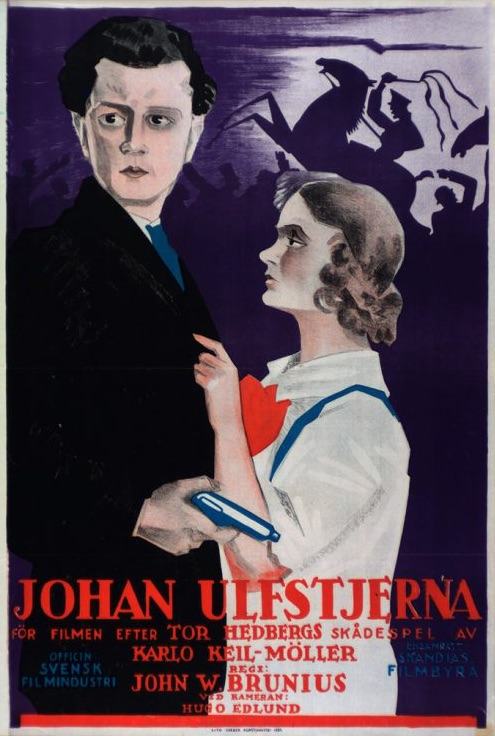
A definitive 6.4/10 rating for a film that redefined the boundaries of cult cinema. Johan Ulfstjerna remains a cornerstone of transgressive art.
Ah, the silent era! A time when narratives unfurled with a grand, often operatic, sweep, relying on the eloquent ballet of human expression and the evocative power of light and shadow. Among the countless treasures from this golden age, Ivan Hedqvist’s 1923 adaptation of Tor Hedberg’s play, Johan Ulfstjerna, stands as a particularly compelling testament to the enduring power of dramatic sacrifice. This isn't merely a film; it's a profound, almost spiritual, experience that delves into the very soul of a man torn between the most fundamental of human bonds – that of a father to his son – and the formidable, often unforgiving, call of national duty. It's a narrative that, despite its century-old vintage, resonates with an astonishing immediacy, touching upon universal themes of patriotism, personal cost, and the relentless march of fate.

At its core, Johan Ulfstjerna presents an unsparing examination of a man burdened by an impossible choice. Ulfstjerna, brought to life with remarkable gravitas by Einar Hanson, is not merely a figurehead for a political movement; he is a flesh-and-blood individual whose private world is irrevocably shattered by the public demands placed upon him. The film masterfully portrays the insidious creep of nationalistic fervor, transforming a man of principle into a tragic hero whose ultimate act of devotion to his country necessitates an almost unbearable personal immolation. It’s a narrative that refuses easy answers, instead plunging into the moral ambiguities inherent when the individual's fate becomes inextricably entwined with the destiny of a nation. The plot, derived from Hedberg's celebrated play, is less about grand political machinations and more about the psychological toll of such pressures, the internal battlefield where love and loyalty collide with devastating force. What does it mean to give everything? The film posits that sometimes, 'everything' includes the very essence of one's future, embodied in the innocent life of a child. This isn't a sacrifice made on a distant battlefield; it's a sacrifice enacted within the confines of one's own heart, a slow, agonizing surrender of personal happiness for a perceived greater good.
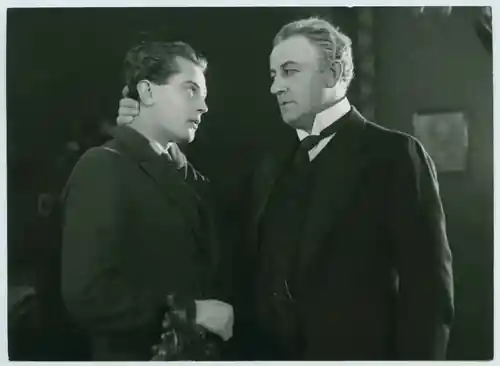
The brilliance of Johan Ulfstjerna lies not just in its compelling narrative, but in the extraordinary ability of its cast to convey profound emotional depth without uttering a single spoken word. Einar Hanson, in the titular role, delivers a performance that is nothing short of mesmerizing. His eyes, his posture, the subtle shifts in his facial expressions – each element contributes to a nuanced portrayal of a man grappling with an unbearable moral dilemma. Hanson doesn't just act; he embodies Ulfstjerna's torment, making the audience feel every pang of his internal struggle, every flicker of doubt, and every ounce of his resolve. It's a masterclass in silent film acting, showcasing the power of physical presence and expressive subtlety.
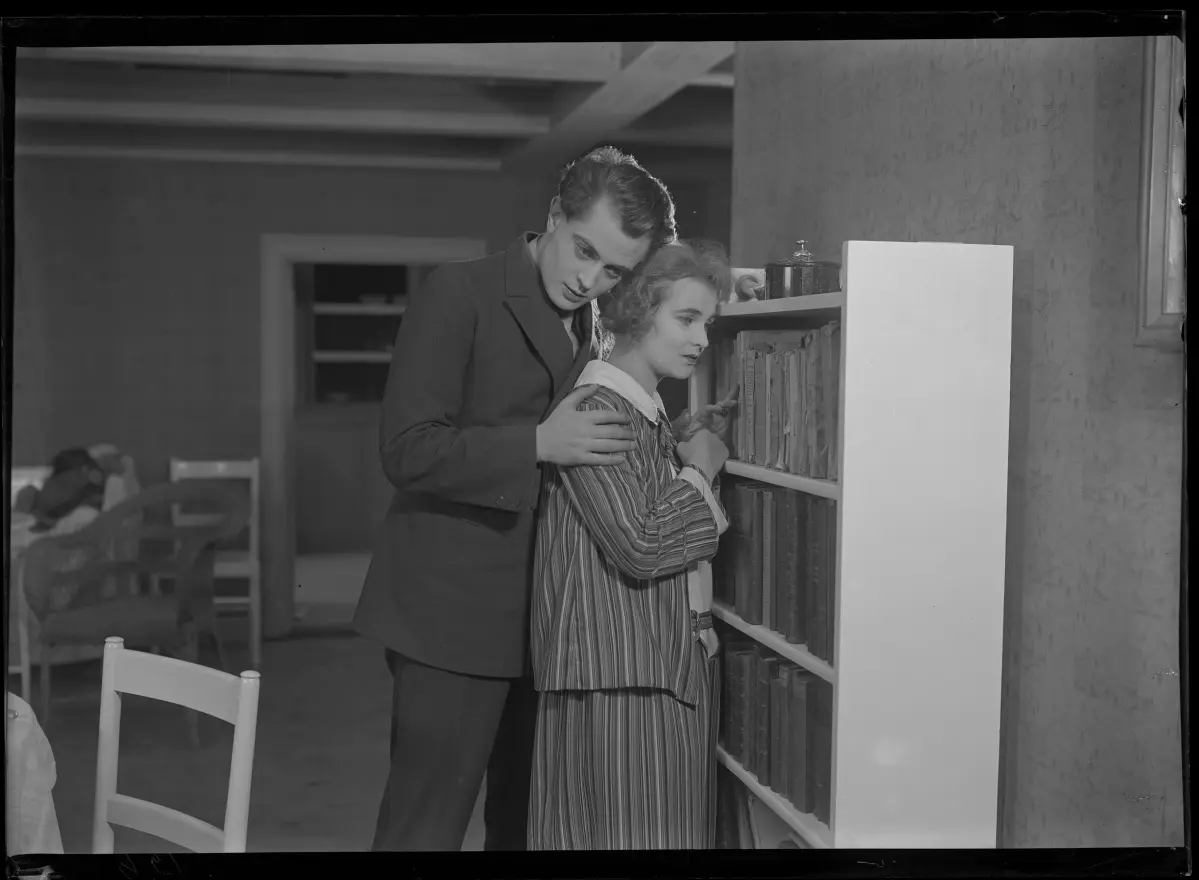
Mary Johnson, as his wife, provides a poignant counterpoint to Hanson's stoicism. Her portrayal of a woman caught in the crosscurrents of her husband's idealism and the devastating impact it has on their family is heart-wrenching. Her silent pleas, her anguished looks, and her desperate attempts to preserve their domestic sanctuary are incredibly powerful, adding layers of pathos to the unfolding tragedy. John Ekman, Berta Hillberg, and Gösta Hillberg, among others, contribute to a rich tapestry of supporting characters, each imbuing their roles with conviction, whether they are allies or antagonists in Ulfstjerna's grand, tragic crusade. The ensemble works in harmonious concert, creating a world that feels lived-in and authentic, where every glance and gesture carries significant dramatic weight. This collective effort ensures that the emotional stakes remain incredibly high throughout, pulling the viewer deeper into the Ulfstjerna family's plight. The very nature of silent cinema, demanding an exaggeration of expression yet a precision of gesture, is perfectly utilized here, transforming the actors into conduits for raw, unfiltered human feeling. One might draw a thematic parallel to the profound emotional sacrifice seen in films like The Greatest Thing in Life, where characters are pushed to their emotional limits for love or duty, though Johan Ulfstjerna elevates this to a national, existential plane.
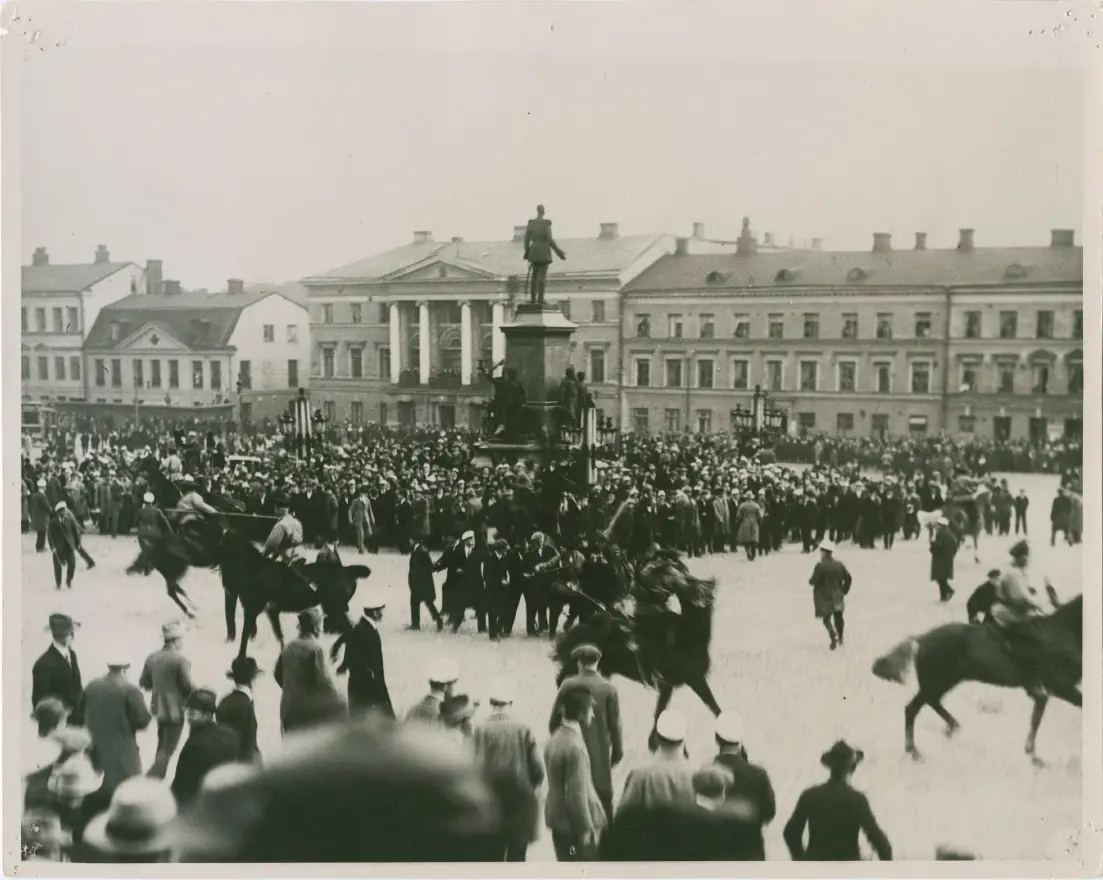
Ivan Hedqvist’s direction is a masterclass in translating theatrical grandeur to the cinematic canvas. He understands the inherent strengths of the silent medium, employing evocative cinematography and deliberate pacing to build tension and underscore the emotional intensity of Hedberg’s original play. The visual compositions are frequently stunning, utilizing deep focus and striking contrasts to create an atmosphere of impending doom and solemn purpose. There's a particular artistry in how Hedqvist frames his characters, often dwarfed by their surroundings or isolated within the frame, visually emphasizing their internal struggles against external pressures. The use of intertitles is judicious, never overbearing, serving to clarify plot points without disrupting the visual flow or diminishing the power of the actors' expressions.
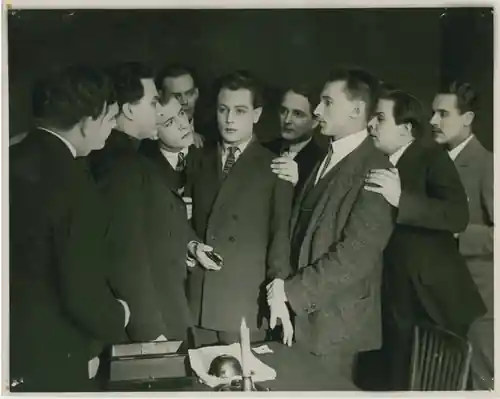
The film's aesthetic is one of somber beauty, reflecting the gravitas of its subject matter. Hedqvist employs a palette of light and shadow that is almost Expressionistic at times, creating a mood that is both foreboding and deeply moving. He ensures that every scene, every transition, contributes to the overarching tragic arc, meticulously guiding the audience through Ulfstjerna's journey towards his inevitable fate. The pacing, though deliberate, never lags, maintaining a steady, building momentum that culminates in a profoundly impactful climax. It’s a testament to Hedqvist’s vision that he was able to take a beloved stage play and transform it into a cinematic experience that feels both epic in scope and deeply intimate in its emotional resonance. This careful balance between the grand sweep of history and the minute details of human suffering is a hallmark of truly great filmmaking, and Hedqvist executes it with remarkable skill. The visual storytelling, reminiscent of the dramatic tension found in other silent era social dramas like The Upheaval, elevates the narrative beyond mere plot points into a realm of powerful allegorical imagery.
The thematic tapestry woven within Johan Ulfstjerna is rich and complex, exploring universal questions that continue to challenge humanity. The central conflict between personal loyalty and national duty is presented with unflinching honesty. Is a man’s primary allegiance to his family, to the flesh and blood that he has brought into the world, or to the abstract concept of a nation, a collective identity that demands ultimate fealty? The film doesn't shy away from the brutal implications of such a choice, showing how idealism, when taken to its extreme, can lead to devastating personal loss. Ulfstjerna’s journey is a cautionary tale, but also a celebration of a particular brand of heroism – one born of conviction, even if it leads to heartbreak.
Furthermore, the film delves into the nature of sacrifice itself. What constitutes a 'great sacrifice'? Is it the laying down of one's own life, or is it the offering up of that which is most precious to one's heart, knowing the profound and lasting anguish it will cause? Johan Ulfstjerna argues for the latter, portraying a sacrifice so deeply personal and agonizing that it elevates the protagonist's actions beyond mere political martyrdom into the realm of epic tragedy. The film also subtly critiques the very forces that demand such sacrifices, hinting at the destructive cycles of nationalism and political extremism. It’s a powerful reminder that behind every grand ideological struggle are individual lives irrevocably altered, families torn asunder, and dreams forever deferred. The film's enduring power lies in its ability to humanize these grand concepts, making the abstract notions of patriotism and duty tangible through the very real suffering of its characters. This exploration of duty's immense cost, even when driven by noble intentions, gives the film a profound and lasting resonance.
A century after its initial release, Johan Ulfstjerna remains a vital piece of cinematic history, a profound and moving example of silent film’s capacity for powerful storytelling. It stands as a testament to the enduring genius of Tor Hedberg’s dramatic vision, flawlessly translated to the screen by Ivan Hedqvist and an exceptional cast led by Einar Hanson and Mary Johnson. The film's themes of sacrifice, duty, and the devastating impact of political upheaval on the individual are as relevant today as they were in 1923, perhaps even more so in a world still grappling with similar conflicts. It’s not merely a historical artifact to be admired for its technical prowess; it’s a living, breathing work of art that continues to provoke thought, stir emotions, and remind us of the timeless struggles that define the human condition.
For those who appreciate the nuanced artistry of silent cinema, or anyone seeking a deeply affecting human drama, Johan Ulfstjerna is an absolute must-see. It’s a film that lingers long after the final frame, prompting contemplation on the nature of heroism, the cost of conviction, and the unbreakable, yet fragile, bonds of family. Its legacy is not just in its pioneering techniques or historical context, but in its unwavering ability to speak to the heart of what it means to be human, faced with choices that test the very limits of endurance and love. This cinematic gem, penned by Tor Hedberg and Carlo Keil-Möller, truly encapsulates an era's dramatic sensibilities while offering a timeless reflection on the burdens of existence. It compels us to consider the echoes of past sacrifices in our present realities, solidifying its place not just as a Swedish classic, but as a universal narrative of profound emotional weight.

IMDb 6.9
1922
Community
Log in to comment.