DbcultAccessing Vault...
Cult Review
Senior Film Conservator
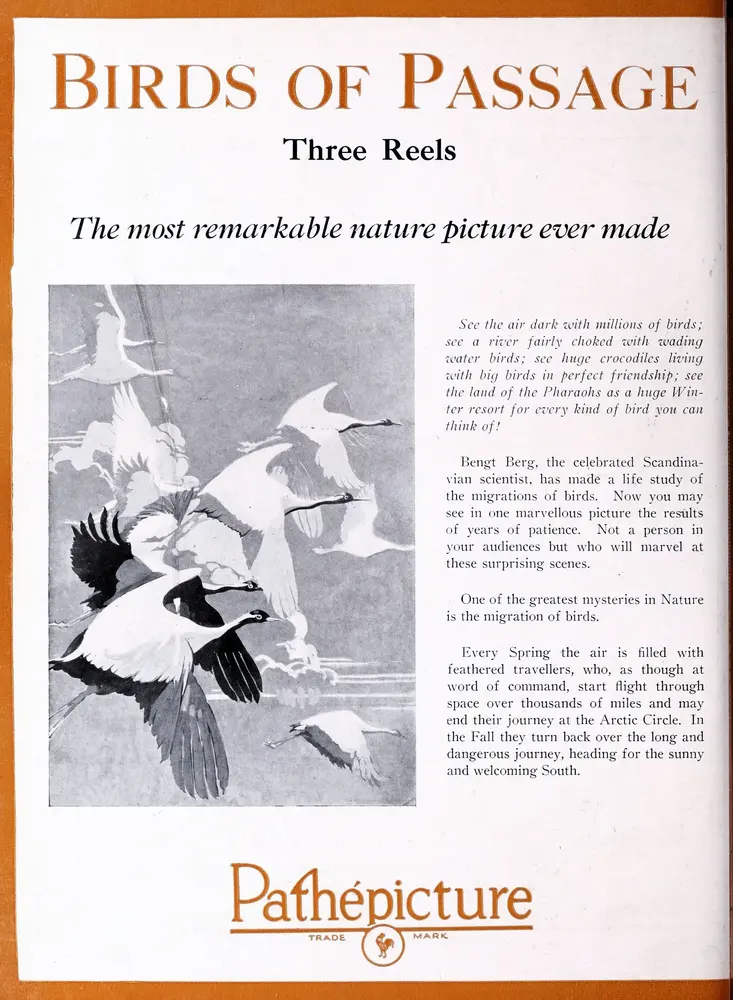
The cinematic landscape is often cluttered with the glorification of the outlaw, yet Birds of Passage (Pájaros de verano) dismantles this trope with the precision of a surgeon and the soul of a poet. Directed by Cristina Gallego and Ciro Guerra, the film functions as a profound counter-narrative to the sensationalized 'narco-culture' popularized by Western media. Instead of the flashy urbanity of Medellín, we are thrust into the arid, uncompromising beauty of the Guajira desert, where the wind carries the whispers of ancestors and the laws of the land are dictated by clan matriarchs rather than kingpins.
The film opens with a sequence of staggering ethnographic beauty: the 'Yonna' dance. Zaida, emerging from a year of ritual seclusion, dances with Rapayet. This isn't merely a romantic overture; it is a negotiation of lineage and worth. Unlike the simplistic moral binaries found in early cinema like The Victory of Virtue, the motivations in Birds of Passage are rooted in a complex necessity. Rapayet’s descent into the drug trade begins not with a desire for decadence, but with a need to fulfill a dowry. He is a man caught between two worlds—the ancient traditions of his people and the seductive, corrupting influence of global capitalism represented by the American 'Gringos' seeking marijuana.
As the narrative progresses through its 'Cantos,' we witness the gradual infiltration of modernity. The first exchange of grass for cash is handled with a sense of trepidation, a stark contrast to the reckless abandon seen in more commercial fare. The filmmakers utilize the desert as a character itself, its vastness reflecting the isolation of the Wayuu and the encroaching emptiness of their souls as they trade their heritage for concrete mansions and gold jewelry. This thematic weight reminds one of the moral decay explored in The City of Purple Dreams, though here the stakes are communal rather than individualistic.
At the center of this storm is Ursula, played with chilling gravitas by Carmiña Martínez. She is the keeper of dreams and the interpreter of omens. In the Wayuu culture depicted here, the woman is the ultimate arbiter of peace and war. Ursula’s transition from a guardian of tradition to a facilitator of violence is the film’s most heartbreaking arc. She initially uses her power to protect her family, but eventually, her adherence to the 'word' becomes a rigid catalyst for destruction. Her presence is as formidable as any character in The She Devil, yet her motivations are far more nuanced, born of a desperate desire to maintain the sovereignty of her clan against an invisible, encroaching rot.
"Dreams are the only way to know the truth," Ursula proclaims, yet as the blood begins to soak the sand, even the dreams turn dark, populated by the 'birds of passage' that signal a migration toward death.
The cinematography by David Gallego is nothing short of miraculous. He captures the saturation of the Wayuu textiles—the deep reds and vibrant yellows—against the monochromatic beige of the desert. These colors aren't just aesthetic choices; they are symbols of life, menstruation, and eventually, the blood of vendetta. The use of long shots and wide vistas emphasizes the insignificance of human greed in the face of the eternal landscape. This visual storytelling is far more sophisticated than the theatrical staging of early 20th-century works like Vor fælles Ven, opting for a visceral realism that feels both grounded and hallucinatory.
Sound design also plays a pivotal role. The constant chirping of insects, the flapping of wings, and the rhythmic chanting create a sensory experience that borders on the religious. When the silence of the desert is finally shattered by the staccato rhythm of machine-gun fire, the impact is jarring. It signifies the end of an era where the 'Pütchipü’ü' (the Wordbound messenger) could settle disputes with rhetoric and goats. Now, the only language understood is that of the bullet, a tragic evolution that mirrors the loss of innocence in The Summer Girl, albeit on a much more violent and systemic scale.
One of the most compelling aspects of Birds of Passage is its exploration of the 'Wordbound.' These individuals are diplomats, tasked with resolving conflicts through dialogue to avoid the 'war of clans.' However, as the drug money flows, the value of the 'word' depreciates. Rapayet’s partner, the volatile and increasingly erratic Moises, represents the chaotic element of the 'Arijuna' (outsider) influence. His lack of respect for Wayuu customs acts as the spark that ignites the dry tinder of the desert. The tension between the sacred duty of the messenger and the pragmatic cruelty of the businessman is a theme that resonates deeply, echoing the moral dilemmas found in The Light in the Clearing.
As the family builds a literal fortress in the middle of nowhere, they become prisoners of their own wealth. The mansion, white and sterile, stands as a monument to their alienation. They no longer sleep under the stars or listen to the spirits; they hide behind reinforced walls, waiting for the inevitable retaliation. This descent into paranoia is handled with a slow-burn intensity that makes the final explosion of violence feel earned and unavoidable. It is a Shakespearian tragedy played out in the dust, where the ghosts of the past are more terrifying than the enemies of the present.
Birds of Passage is not just a film about drugs; it is a film about the end of a world. It captures the moment when a culture’s internal logic is overwritten by an external virus. The 'Bonanza Marimbera' was a real historical period in Colombia, a precursor to the more famous cocaine era of the 80s. By focusing on this specific window of time, Guerra and Gallego highlight how the foundations of modern corruption were laid. The film’s structure—moving from the mythic to the mundane, and finally to the apocalyptic—mirrors the trajectory of the nation itself.
In comparing this work to the simplistic morality plays of the past, such as Betty to the Rescue, one realizes how far cinema has come in its ability to handle cultural specificity. There is no 'rescue' here; there is only the lingering echo of a song and the sight of a lone survivor wandering the waste. The film refuses to offer easy catharsis. Instead, it leaves the viewer with a sense of profound loss—not for the money or the lives, but for the stories and traditions that were burned away in the pursuit of the 'purple dream.'
Ultimately, Birds of Passage is a monumental achievement in world cinema. It manages to be both an intimate family drama and a sweeping historical epic. It respects the Wayuu people enough to show them in all their complexity—both as victims of external forces and as architects of their own demise. The performances are universally excellent, particularly the stoic Jose Acosta as Rapayet, whose face becomes a map of regret as the film unfolds. This is a film that demands to be seen on the largest screen possible, to fully absorb the majesty of its images and the weight of its silence.
While early narrative experiments like Jack and the Beanstalk dealt with giants and magic beans, Birds of Passage deals with the real-world giants of greed and the magic of a culture that, despite the trauma, refuses to be entirely forgotten. It is a haunting, beautiful, and essential piece of storytelling that lingers in the mind long after the final 'canto' has ended. It is a reminder that when we trade our spirits for gold, we are not just losing our way—we are losing our very ability to dream.
IMDb —
1919
Community
Log in to comment.