DbcultAccessing Vault...
4.9/10
Senior Film Conservator
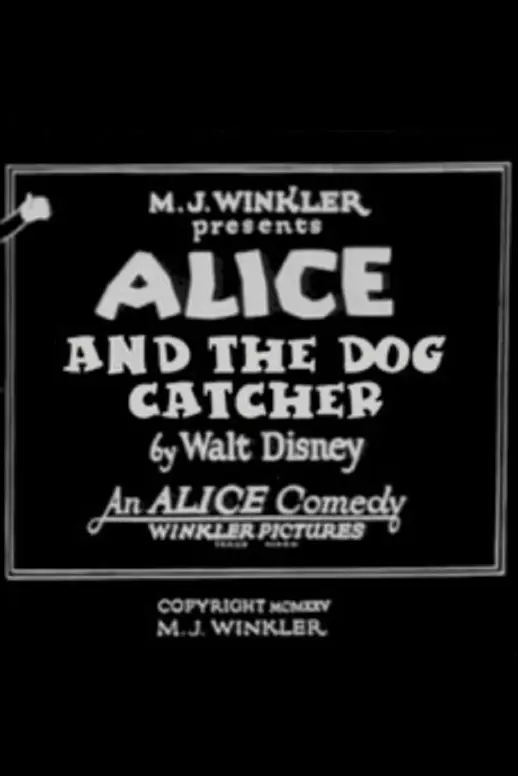
A definitive 4.9/10 rating for a film that redefined the boundaries of cult cinema. Alice and the Dog Catcher remains a cornerstone of transgressive art.
To witness Alice and the Dog Catcher in the modern era is to observe the very DNA of the Disney empire in its most raw, experimental state. Released in 1924, this short film represents a daring departure from the standard animated fare of the early twenties. While contemporaries were experimenting with purely hand-drawn narratives, Walt Disney and his small cohort in Los Angeles were busy folding reality into the inkwell. This isn't just a relic; it is a manifesto of visual storytelling that challenged the boundaries of what an audience could perceive as 'real.'
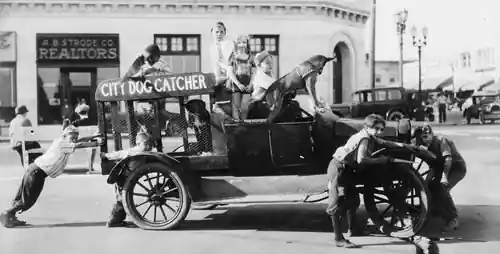
The film opens not with a cartoon, but with a gritty, naturalistic depiction of childhood hierarchy. Virginia Davis, as Alice, possesses a screen presence that rivals the child stars of Boy Crazy. She is the undisputed sovereign of her domain, leading a secret meeting that feels more like a war council than a game of make-believe. The stakes are established with immediate clarity: the dog catcher is a villain of Dickensian proportions, a symbol of adult overreach that must be neutralized. This thematic resonance of 'children versus the machine' is a recurring trope that would echo through decades of cinema, yet here it feels remarkably fresh and unencumbered by later clichés.
Technically, the film is a marvel of its period. The 'Alice Comedies' were revolutionary because they placed a live human child inside a completely animated world. Unlike the 'Out of the Inkwell' series where cartoons entered the human world, Disney inverted the formula. This inversion required a meticulous level of technical precision—double exposures, matte paintings, and frame-by-frame synchronization that remains impressive even in the age of CGI. When Alice interacts with Julius the Cat, the interaction doesn't feel like a gimmick; it feels like a cohesive reality. The spatial awareness shown by the animators, including the legendary Rollin Hamilton, ensures that Alice’s eyelines and physical movements align perfectly with the animated inhabitants of her world.
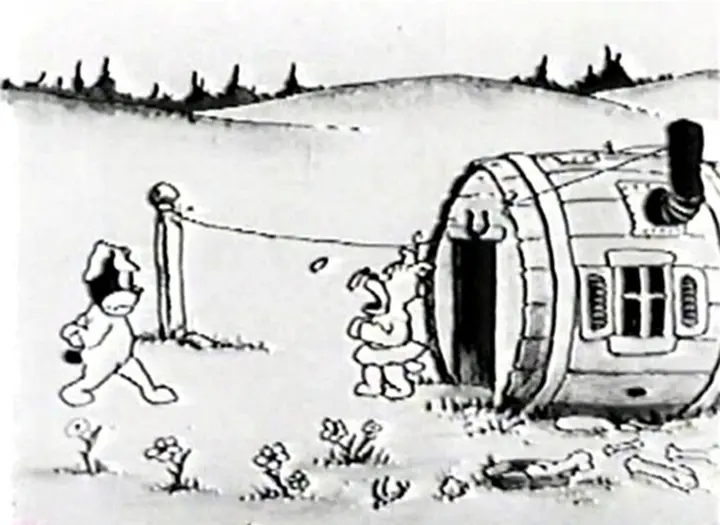
Compare this to the visual language of The Jazz Hounds, which relied on more traditional pacing. Alice and the Dog Catcher pushes the envelope by integrating the live-action Pepperville Gang into the climax, creating a frantic, high-energy chase that utilizes the best of both mediums. The dog catcher himself is portrayed with a menacing physicality that contrasts sharply with the elastic, surreal physics of the animated dogs he seeks to capture. This juxtaposition creates a unique tonal friction—part thriller, part absurdist comedy.
There is a layer of social commentary buried beneath the slapstick. The 1920s were a time of rapid urbanization, and the figure of the dog catcher was a very real boogeyman for city-dwelling children. In this film, the liberation of the dogs serves as a proxy for the children’s own desire for agency. While films like A Woman of Paris: A Drama of Fate were exploring the complexities of adult morality and social standing, Disney was focusing on the primal struggle for freedom within the playground. Alice is not a damsel; she is a tactician. She represents a proto-feminist archetype that was rare for the time—a young girl who leads boys not through charm, but through superior intellect and strategic planning.
The secret meeting sequence is particularly noteworthy for its use of shadow and composition. The lighting in the clubhouse scenes evokes a sense of noir-lite, a stylistic choice that elevates the film above mere juvenile distraction. It shares a certain atmospheric DNA with The Woman in Black, albeit in a much more whimsical context. The way the kids use hand signals and codes suggests a world that adults are not privy to, a secret society that operates in the shadows of the mundane world.
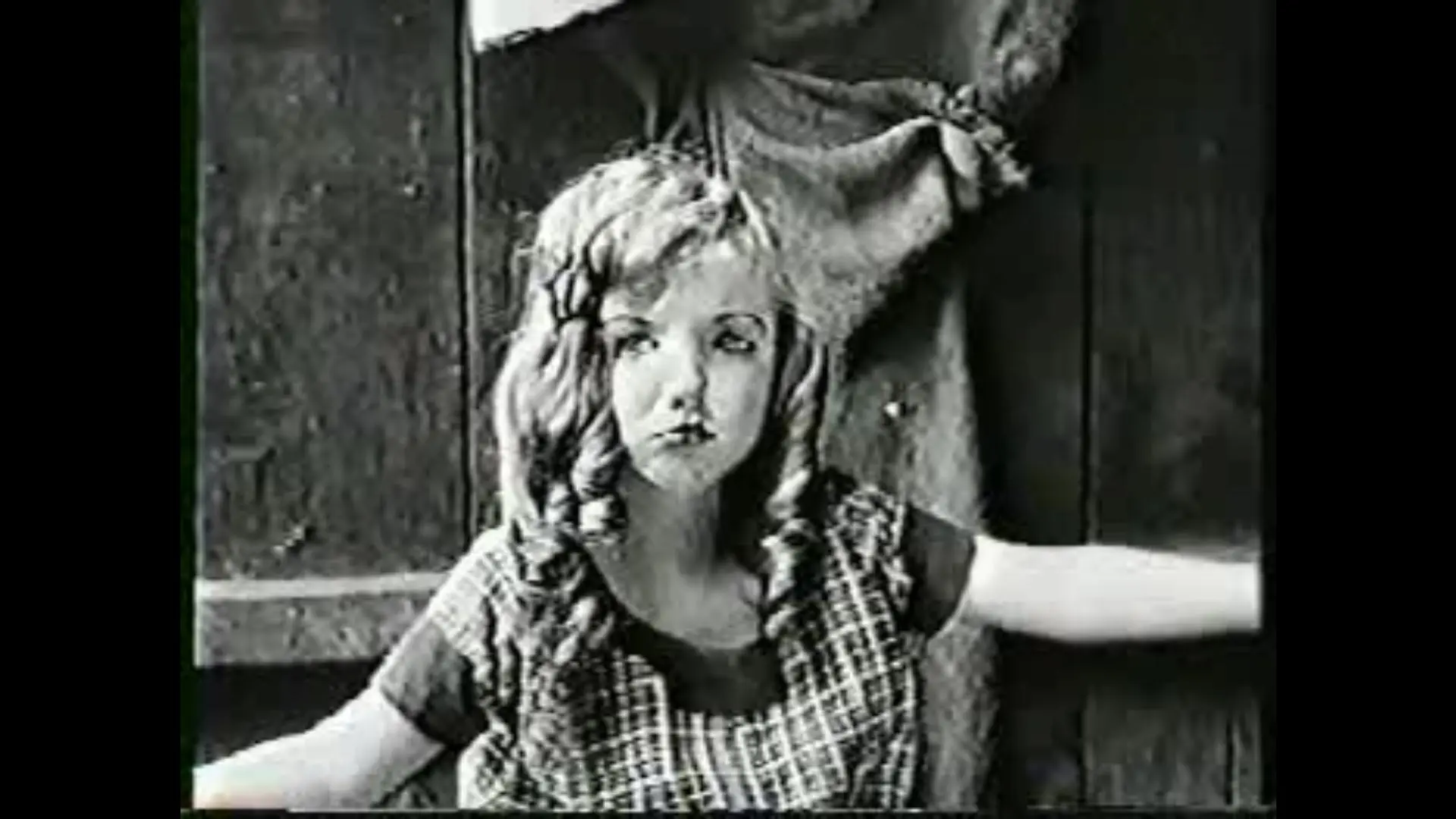
Virginia Davis delivers a performance of remarkable subtlety for the silent era. In an age where overacting was the norm, Davis uses her eyes and posture to convey authority. She isn't just 'playing' a leader; she embodies the weight of the mission. The supporting cast, including Spec O'Donnell and Leon Holmes, provide the necessary comedic foil, but they never overshadow Alice’s central arc. Even the dog catcher, played with a delightful grumpiness, serves his purpose as the immovable object against which Alice’s irresistible force must collide.
The animated characters, particularly Julius the Cat (a precursor to Mickey Mouse in many ways), provide the 'impossible' elements of the story. Julius’s tail, which he often uses as a tool or a weapon, represents the limitless potential of the animated medium. When the gang needs a way to bypass a fence or distract the villain, the animation steps in to provide a solution that the physical world cannot. This synergy is what makes the film a standout. It isn't just a live-action film with cartoon inserts; it's a world where the laws of physics are negotiable based on the needs of the narrative.
When we look at other films from this period, such as Tangled Threads or The Silver King, we see a cinema grappling with the transition from stage-like presentations to more dynamic, cinematic forms. Alice and the Dog Catcher is firmly in the latter camp. The editing is brisk, and the camera movement—while limited by the technology of the day—feels intentional and purposeful. It lacks the static, theatrical feel of many 1924 releases, opting instead for a kinetic energy that mirrors the restlessness of its young protagonists.
Even compared to Price of Treachery; Or, The Lighthouse Keeper's Daughter, which relies heavily on melodrama, the Alice short feels modern. It prioritizes action and visual gags over intertitles, allowing the images to speak for themselves. This visual-first philosophy would become the hallmark of Disney’s later work, but its roots are clearly visible here. The sequence where the dogs are finally freed is a masterclass in silent comedy timing, utilizing a series of escalating gags that would make Buster Keaton proud.
Why does Alice and the Dog Catcher matter today? It matters because it is the blueprint for the modern blockbuster. The idea of placing a human actor in a fantastical, computer-generated environment—the foundation of everything from *Avatar* to the Marvel Cinematic Universe—begins right here with Virginia Davis standing in front of a white screen while Walt Disney sketched a world around her. The film also captures a specific moment in American history, documenting the landscapes of early Los Angeles before it became the sprawling metropolis we know today.
The film’s charm lies in its lack of pretension. It doesn't aim to be a grand epic like Fantasma, nor does it carry the heavy emotional weight of The Sentimental Bloke. Instead, it is a pure distillation of creative joy. It is the work of a young artist (Disney) who was still hungry, still willing to break things to see how they worked. The dog catcher is defeated not just by the children, but by the sheer imagination of the filmmakers.
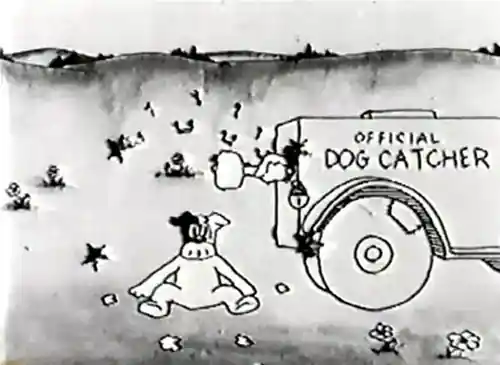
In the grand tapestry of film history, Alice and the Dog Catcher is a vital thread. It bridges the gap between the primitive animations of the 1910s and the sophisticated features of the 1930s. It showcases a studio finding its voice and a medium finding its soul. For those who dismiss silent film as slow or unapproachable, this short serves as a vibrant counter-argument. It is funny, inventive, and surprisingly sophisticated in its execution.
Whether you are a historian looking for the origins of the Disney aesthetic or a casual viewer looking for a glimpse into the past, this film offers plenty to admire. From the intricate planning of the 'secret meeting' to the chaotic triumph of the final rescue, Alice and the Dog Catcher remains a testament to the power of imagination. It reminds us that at its heart, cinema is about making the impossible seem real, a task that Alice and her gang accomplish with style, wit, and a very helpful cartoon cat.
Reviewer's Note: For those interested in more obscure silent shorts, I recommend checking out Starland Review No. 1 or the whimsical Too Much Dutch for further context on the era's diverse output.
IMDb 5.7
1934
Community
Log in to comment.