DbcultAccessing Vault...
Cult Review
Senior Film Conservator
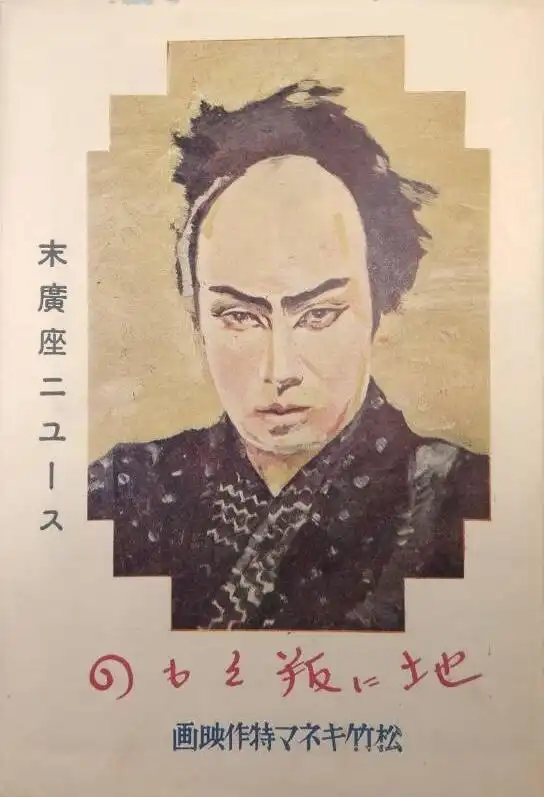
Alright, so Chi ni somuku mono. If you’re into the idea of a slow, deliberate drama, especially from an earlier era of Japanese filmmaking, then yeah, this one’s probably worth your time. It’s definitely for folks who enjoy picking apart quiet tension and subtle character work. But if you need fast pacing, big action, or clear-cut answers, you’ll probably find yourself checking your watch. 😴
This film really lives in its silences. There are moments where the camera just sits, focusing on someone’s face or a small detail in a room, and the quiet hangs there for what feels like ages. It’s not boring, though, not really. It just makes you lean in a bit more, trying to figure out what’s going on behind the eyes.
Kinuko Wakamizu, wow. Her performance here, it’s not flashy at all. It’s all in these tiny shifts, a slight clench of the jaw, or a way she holds her teacup. You feel her character’s entire world pressing down on her without a single word being said sometimes. It’s _really_ effective.
There’s this one scene, I keep thinking about it. She’s sitting across from an elder, maybe her father, and the whole conversation is about duty, honor, what’s expected. Her replies are so soft, almost whispers, but her eyes are just blazing. It's a fantastic contrast, the outward submission versus the _inner fire_ 🔥. That shot alone makes you get it, the whole title, 'rebelling against the blood'.
The pacing, man. It’s a commitment. Some scenes go on about 20 seconds too long, and the silence starts to feel awkward rather than emotional. But then, right when you’re about to drift, something clicks. A gesture. A sudden, sharp word from someone else. It pulls you back.
I also loved how they used space. So many scenes in these traditional Japanese rooms, very structured, very orderly. It really emphasizes the feeling of being trapped, you know? Like the physical space itself is part of the system the main character is fighting against. The hallways feel long, almost endless.
Kazuo Hasegawa, as the opposing force maybe, he’s got this intense stillness. He doesn’t have to yell. His presence alone feels heavy. Like a mountain. You can almost feel the movie trying to convince you this moment matters, and it usually does.
One reaction shot lingers so long it becomes funny, just for a second, then it turns kinda sad. It’s a tricky balance that this film somehow pulls off. It’s not trying to be slick or modern.
The camera work, it's very deliberate. Not a lot of fancy movement. Mostly static shots, framing the characters almost like paintings. This really makes any slight movement, like someone shifting their weight or adjusting their kimono, feel _significant_. It adds to that quiet intensity.
Sometimes, the dialogue gets a little dense, a lot of formal language about honor and family lines. It can be a bit of a hurdle if you’re not used to it. But then, a moment of raw, human frustration cuts through, and you remember what the core of it is all about.
It’s not perfect, certainly. Some parts drag, and if you’re not invested in the character’s internal conflict, it’s easy to tune out. But for those who lean into it, there’s a lot to chew on. It’s a film that leaves you thinking about it for a while after it ends. 🤔
Definitely an experience more than just a story. A good one for a quiet evening, maybe with a cup of tea. Don't expect fireworks, but do expect a slow, simmering burn. The kind that leaves a lasting warmth.

IMDb 6.2
1927
Community
Log in to comment.