A definitive 6.2/10 rating for a film that redefined the boundaries of cult cinema. Jewish Prudence remains a cornerstone of transgressive art.
Is Jewish Prudence worth watching today? Short answer: Yes, but primarily for those who appreciate the abrasive, neurotic energy of early 20th-century domestic satire. This film is for viewers who enjoy character-driven frustration and the roots of the modern sitcom, but it is certainly not for anyone looking for a polite, high-brow cinematic experience.
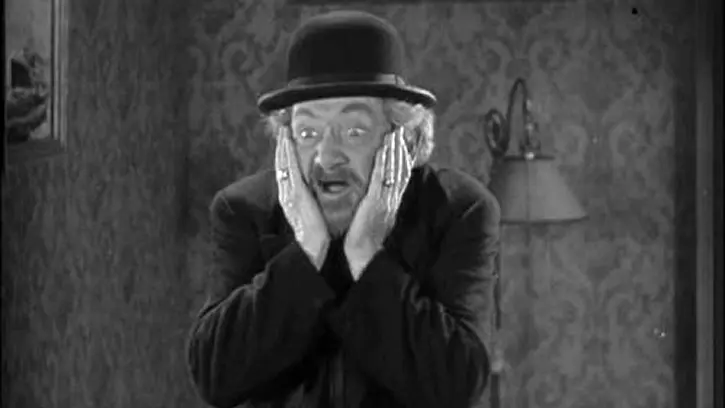
Jewish Prudence is a fascinating artifact from the Hal Roach studios, acting as a bridge between the slapstick of the early twenties and the more sophisticated character comedies of the thirties. It is a film that lives and dies on the face of Max Davidson. He doesn't just act; he suffers. He suffers his children, he suffers his surroundings, and he suffers the very idea of progress. It works. But it’s flawed.
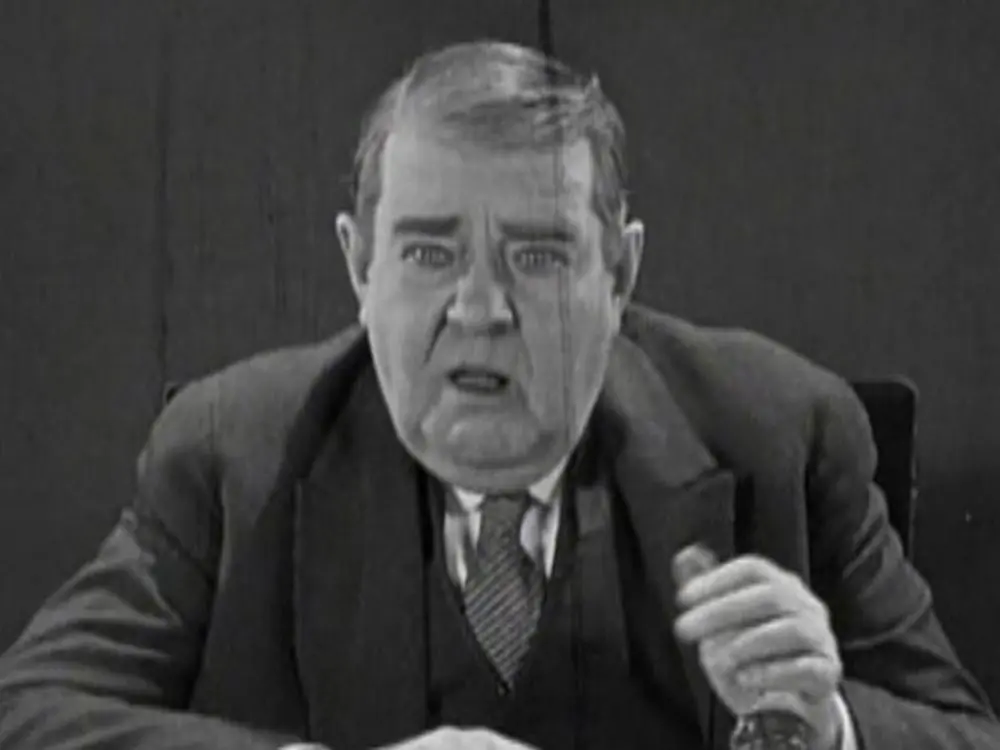
1) This film works because Max Davidson’s 'Papa Gimplewart' is an early prototype of the harried father figure that would dominate television for decades, delivering a performance rooted in relatable, high-stakes anxiety.
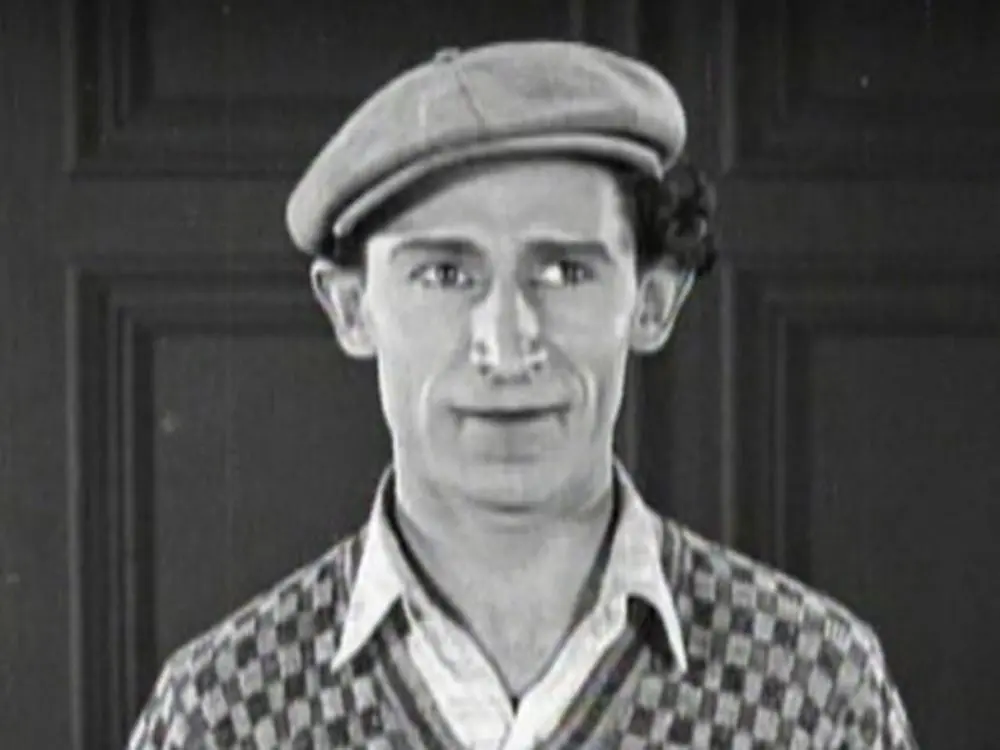
Scene from Jewish Prudence
Cinematic perspective: Exploring the visual vocabulary of Jewish Prudence (1927) through its definitive frames.
2) This film fails because the supporting children characters are written with such one-dimensional incompetence that the joke occasionally feels like it’s running in place during the second act.
3) You should watch it if you want to see the exact moment when Leo McCarey began perfecting the comedic timing that would eventually define legendary acts like Laurel and Hardy.
The Genius of Max Davidson’s Neuroticism
To understand Jewish Prudence, you have to understand the specific brand of comedy Max Davidson brought to the screen. Unlike the athletic grace of Buster Keaton or the sentimental slapstick of Chaplin, Davidson’s comedy was psychological. He played the 'small man'—not just in stature, but in social standing—constantly besieged by the world. In this film, his primary antagonists aren't villains; they are his own children. This creates a unique tension that feels surprisingly modern.
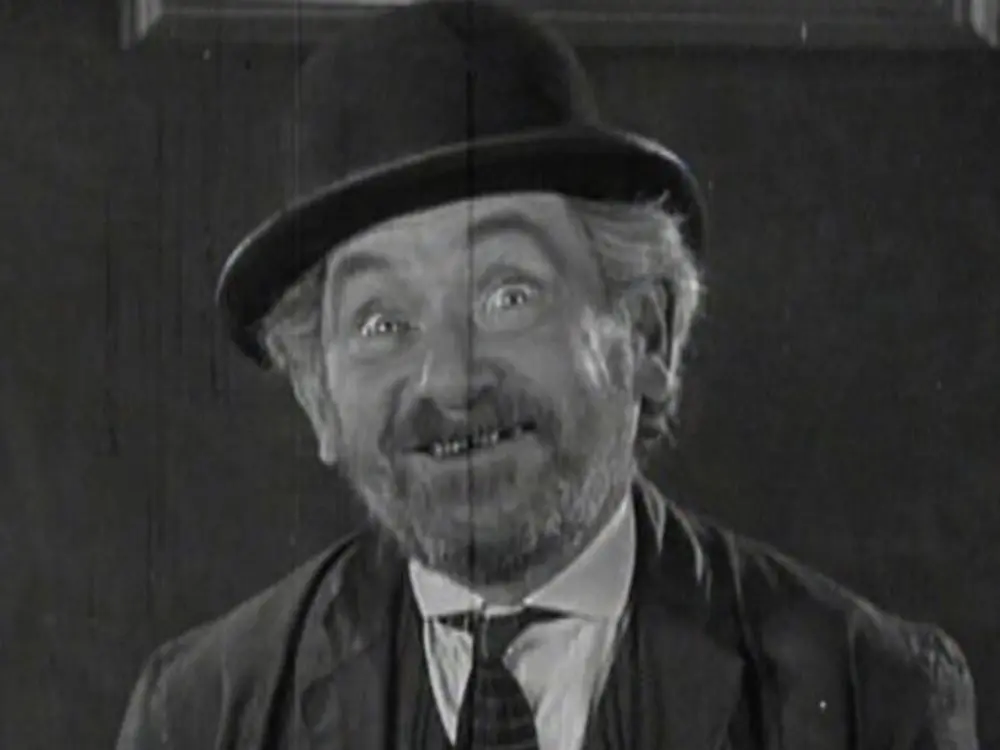
Scene from Jewish Prudence
Cinematic perspective: Exploring the visual vocabulary of Jewish Prudence (1927) through its definitive frames.
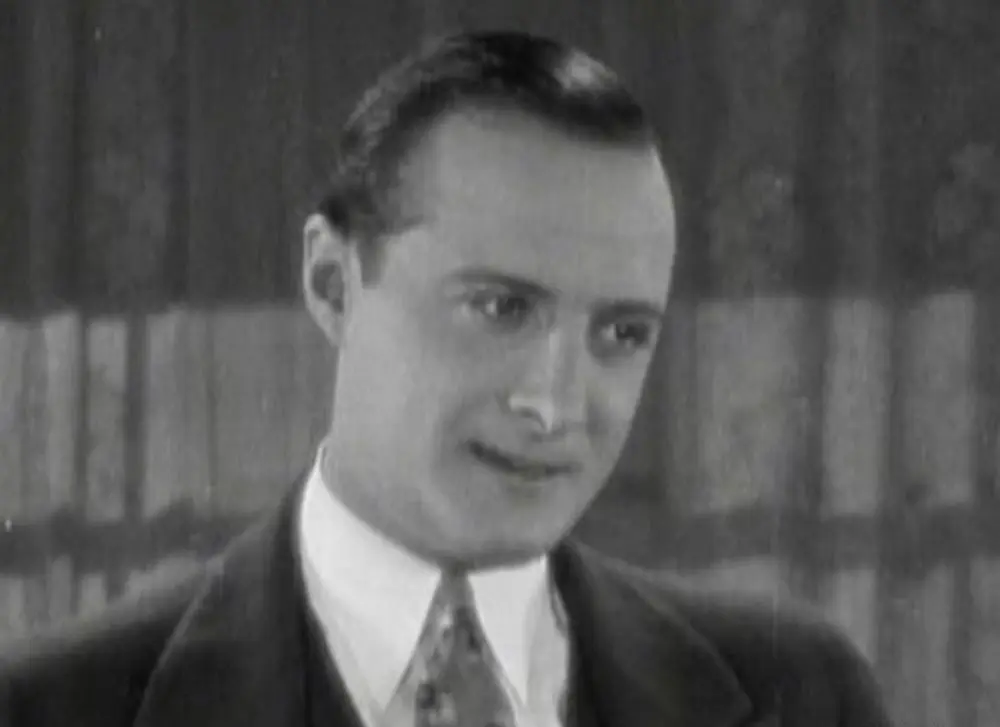
Take, for instance, the scene where the young lawyer, played by Gaston Glass, tries to present his credentials. Davidson doesn't just listen; he scrutinizes Glass with a level of suspicion that borders on the pathological. Every gesture Glass makes is met with a wince or a cynical shrug from Davidson. It’s a masterclass in the 'reaction shot.' While other films of the era, like The Prisoner of Zenda, focused on grand gestures and sweeping heroism, Jewish Prudence finds its gold in the micro-expressions of a man who expects the worst from everyone.
The physical comedy here is more grounded than what you’d see in Navy Blue Days. It’s not about falling down stairs; it’s about the mental exhaustion of dealing with idiots. Davidson’s Papa Gimplewart is a man who is perpetually five seconds away from a nervous breakdown. This makes every gag feel earned. When a plate breaks or a plan fails, we aren't just laughing at the accident; we are laughing at the cumulative weight it adds to Gimplewart’s shoulders.
Leo McCarey and the Hal Roach Factory
Leo McCarey’s direction is the secret sauce that prevents this from being a generic ethnic comedy. McCarey had an innate sense of how to space out gags. He understood that the silence between the jokes was just as important as the punchline. In Jewish Prudence, the pacing is staccato. It moves in fits and starts, mimicking the chaotic energy of the Gimplewart household.
Scene from Jewish Prudence
Cinematic perspective: Exploring the visual vocabulary of Jewish Prudence (1927) through its definitive frames.
Compared to the more straightforward direction in The County Chairman, McCarey’s work here is adventurous. He uses the camera to trap the characters in tight frames, emphasizing the domestic claustrophobia. The house feels like a pressure cooker. When the children—played with varying degrees of delightful uselessness by Jesse De Vorska and Johnny Fox—inevitably mess up, the camera stays on Davidson for a beat too long. That extra second of silence is where the real comedy lives.
The script, co-written by McCarey and Hal Roach, is lean. It doesn't waste time with unnecessary subplots. It knows its premise: a father who wants better for his family but knows they aren't capable of it. This cynicism is what gives the film its bite. It lacks the sugary sentimentality found in films like Such a Little Queen. Instead, it offers a raw, albeit funny, look at generational friction.
Is this film worth watching?
Jewish Prudence is absolutely worth watching if you are a student of comedy history or a fan of character-driven silent shorts. While some of the cultural stereotypes are dated, the core theme of parental frustration is universal and timeless. It offers a bridge between the physical slapstick of the early 1920s and the sophisticated 'screwball' comedies that would dominate the 1930s. If you enjoy seeing a master of the 'slow burn' at work, Max Davidson's performance is essential viewing.
Scene from Jewish Prudence
Cinematic perspective: Exploring the visual vocabulary of Jewish Prudence (1927) through its definitive frames.
The Supporting Cast: Martha Sleeper and the Useless Brood
While Davidson is the sun around which the film orbits, the supporting cast is equally vital. Martha Sleeper provides a necessary anchor as the daughter. She is the only character who seems to possess a shred of normalcy, which only serves to highlight the absurdity of the men surrounding her. Her chemistry with Gaston Glass is functional, but the real 'romance' in the film is between Gimplewart and his own misery.
The sons, played by Jesse De Vorska and Johnny Fox, are portrayed as monumental disappointments. There is a specific scene involving a simple task that goes horribly wrong—a staple of the Roach factory—but it’s played with such a sense of inevitable doom that it transcends mere slapstick. It reminded me of the character dynamics in Pop Tuttle's Tac Tics, where the humor comes from the gap between ambition and ability.
Gaston Glass, as the lawyer, plays the 'straight man' with a stiff-collared sincerity that makes him the perfect foil for Davidson’s erratic behavior. He represents the outside world—order, law, and success—trying to penetrate the chaotic bubble of the Gimplewart home. The clash between his professionalism and the family’s dysfunction is the film’s primary engine.
Scene from Jewish Prudence
Cinematic perspective: Exploring the visual vocabulary of Jewish Prudence (1927) through its definitive frames.
Technical Execution and Pacing
Technically, the film is a product of its time, but that’s not a slight. The cinematography is clean and serves the comedy. There are no flashy camera moves because the movement is all in the performances. The editing is where the film shines. The cuts between the children’s failures and Gimplewart’s reactions are timed with surgical precision. This is a level of craft you don't always see in contemporary titles like The Bluffer.
The pacing is brisk, clocking in at a length that ensures the joke never wears out its welcome. However, the middle section does feel a bit repetitive. Once the dynamic of 'son fails, father reacts' is established, the film repeats it several times before moving to the climax. A bit more variety in the types of conflict would have elevated the film from a great short to a perfect one. It’s a minor gripe, but one that keeps it from reaching the heights of McCarey’s later work.
Key Takeaways
Best for: Fans of early 20th-century comedy and those interested in the evolution of the domestic sitcom.
Not for: Viewers who are sensitive to 1920s ethnic caricatures or those who prefer high-octane action.
Standout element: Max Davidson’s incredible facial expressions and his ability to convey pure, unadulterated exasperation.
Biggest flaw: A slightly repetitive middle act that relies too heavily on the same 'failure/reaction' loop.
Pros and Cons
Pros
Expertly timed comedic performances, specifically from Max Davidson.
Sharp direction from Leo McCarey that elevates the material.
A relatable, timeless core theme of familial frustration.
Short, punchy runtime that makes it easy to digest.
Cons
Some supporting characters are a bit too one-dimensional.
The domestic setting can feel a bit repetitive visually.
Dated cultural tropes that may not sit well with all modern audiences.
Verdict
Jewish Prudence is a sharp, cynical, and surprisingly modern take on the family dynamic. While it carries the baggage of its era, the comedic DNA of Leo McCarey and the singular talent of Max Davidson make it a standout in the Hal Roach library. It isn't a sweeping epic like Shadows, nor is it a tragic romance like The Heart of a Painted Woman. It is something much more relatable: a story about a man who just wants his family to stop being embarrassing for five minutes. It’s loud, it’s frantic, and it’s deeply human. It works because it doesn't try to be anything other than a showcase for a man at the end of his rope. Watch it for Davidson; stay for the McCarey-led chaos.