DbcultAccessing Vault...
7.3/10
Senior Film Conservator
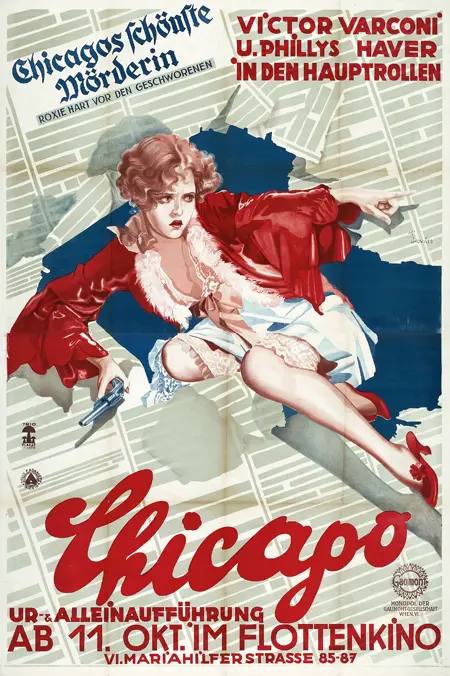
A definitive 7.3/10 rating for a film that redefined the boundaries of cult cinema. Chicago remains a cornerstone of transgressive art.
Is this 1927 silent classic still relevant for a modern audience? Short answer: Yes, but only if you are prepared to trade the glitzy showtunes of the 2002 musical for a much more cynical and grounded exploration of fame.
This film is for the cinephile who appreciates the sharp edges of the Jazz Age and those who want to see the blueprint for modern true-crime obsession. It is definitely not for those who need a rhythmic beat or a sympathetic protagonist to stay engaged.
This film works because Phyllis Haver delivers a performance that is terrifyingly modern in its vanity, capturing a woman who views a murder trial as a career opportunity.
This film fails because the middle act loses momentum as it focuses heavily on the technicalities of the legal system, occasionally feeling like a dry procedural rather than a biting satire.
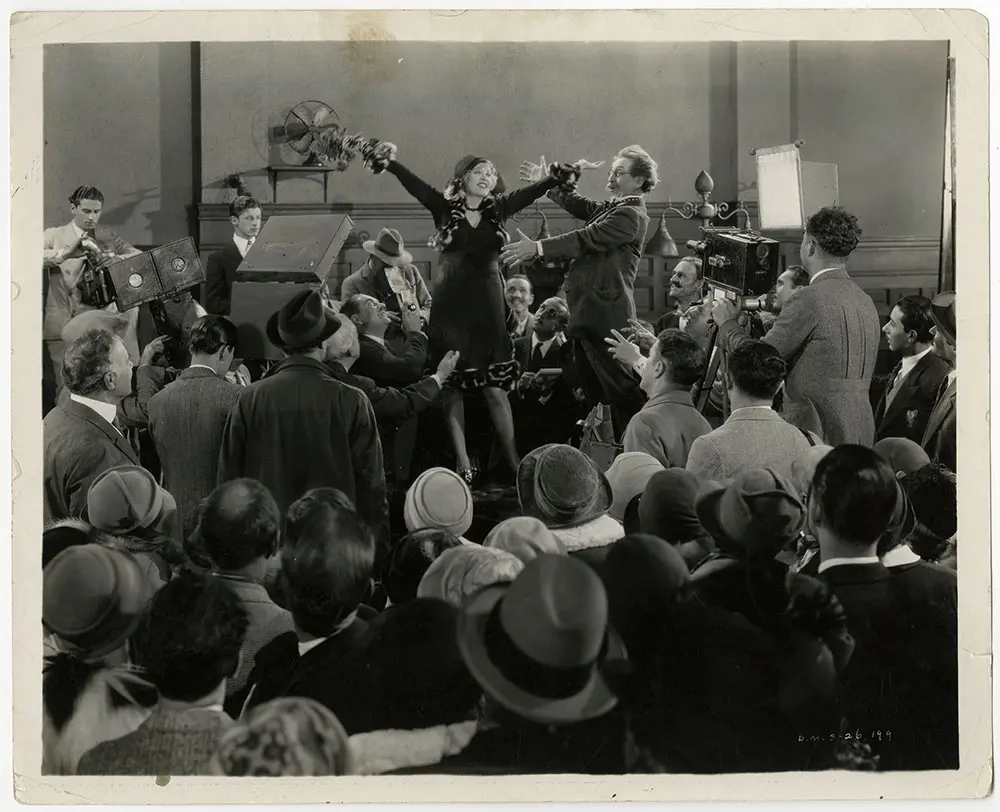
You should watch it if you want to see how the 1920s actually viewed the 'celebrity criminal' phenomenon without the rose-colored glasses of later Broadway revivals.
Yes, it is. Unlike many silent films that feel like museum pieces, the 1927 version of Chicago feels remarkably contemporary in its cynicism. It asks a simple question: Can a pretty woman get away with murder in a city that loves a good story? The answer is as uncomfortable now as it was then.
The film strips away the 'Razzle Dazzle' and replaces it with a cold, hard look at the machinery of the press. If you enjoy seeing the gears of manipulation turn, this is a mandatory watch. It offers a grit that was largely absent in films like The Flower Girl or the more sentimental Dr. Jim.
Phyllis Haver is a revelation. While Renée Zellweger played Roxie with a certain wide-eyed fragility, Haver plays her with the predatory instinct of a shark. In the scene where she first realizes the reporters are interested in her, you can see the calculation behind her eyes. She doesn't just want to be acquitted; she wants to be a star.
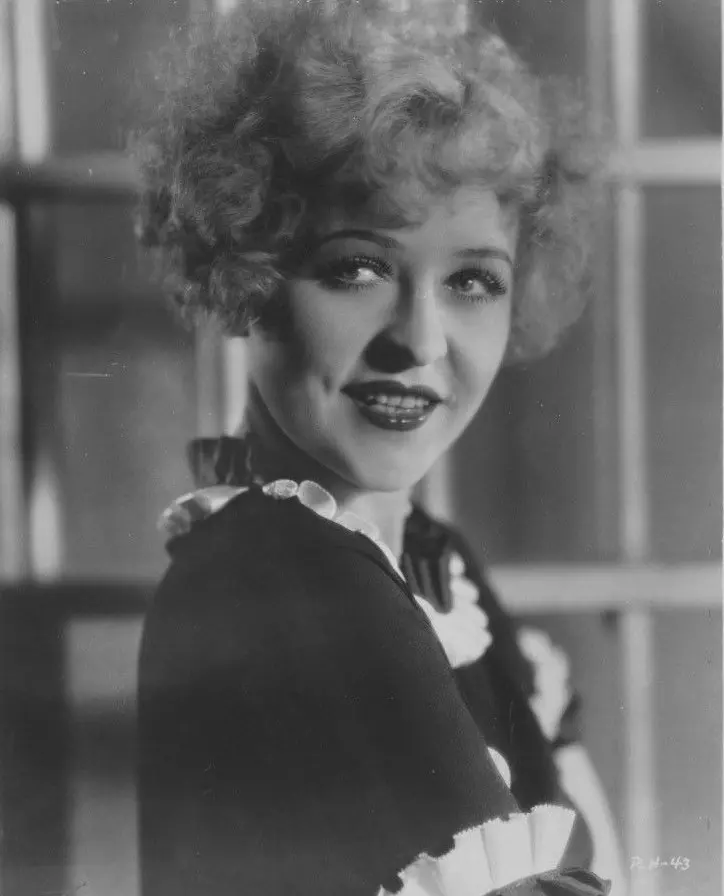
There is a specific moment where Roxie practices her 'innocent' face in a hand mirror while sitting in her cell. It is a chilling bit of acting. She isn't practicing for the jury; she is practicing for the camera. This performance anchors the film, making it more of a character study than a simple crime drama.
Haver’s physicality is also notable. She uses her body to manipulate every man in the room, from the jailer to her own lawyer. It’s a performance that feels much more dangerous than the theatrical versions that followed. She makes you hate Roxie, yet you cannot look away.
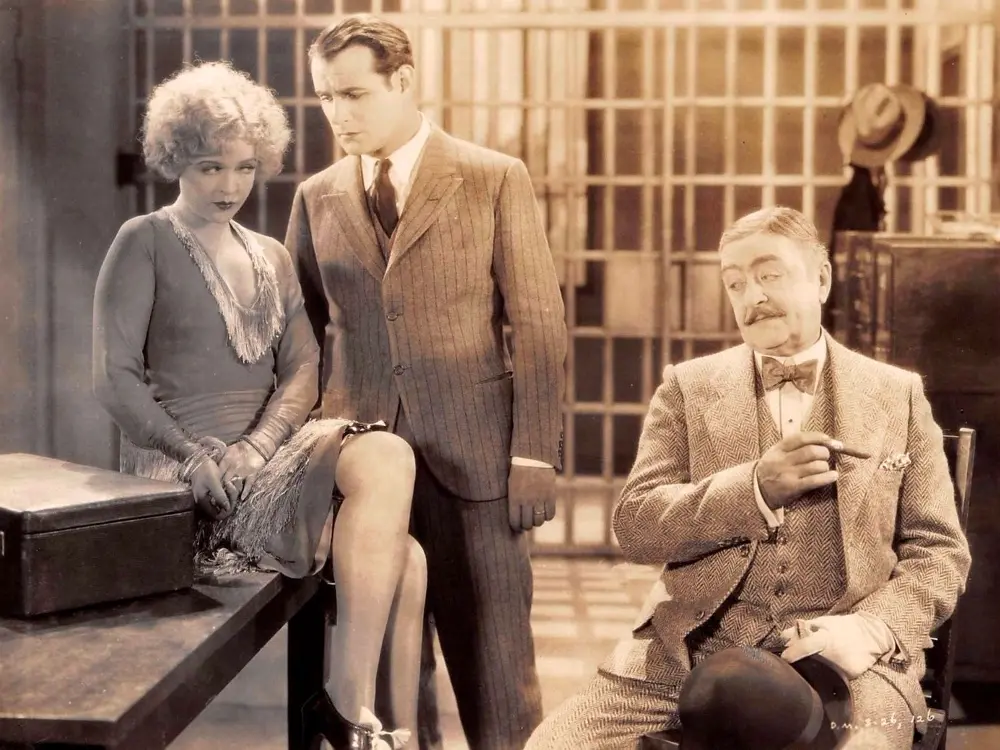
Produced by Cecil B. DeMille, the film carries his signature sense of scale, even in the claustrophobic setting of a jail. The sets are lavish, but they are used to highlight the absurdity of the situation. The jail cell begins to look more like a dressing room as Roxie’s fame grows, filled with flowers and fan mail.
The cinematography by Peverell Marley is sharp. He uses light to contrast the dark reality of the murder with the bright, artificial world of the courtroom. When compared to the softer, more romantic lighting found in The Third Kiss, Chicago feels jagged and aggressive.
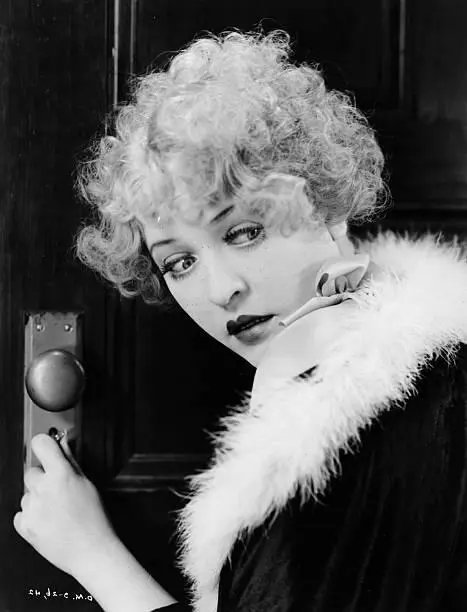
One particularly effective visual is the recurring motif of the ticking clock. It emphasizes the countdown to the trial, but also the fleeting nature of Roxie’s fame. The film understands that the public's attention span is short, a theme that resonates deeply in our current era of viral cycles.
The pacing of the film is its most significant hurdle. The first act is a masterclass in tension, building from the domestic boredom of the Hart household to the explosive violence of the murder. However, once the film enters the courtroom, it slows down significantly. The intertitles become dense with legal jargon.
While this adds to the realism, it saps the energy of the film. We see the same arguments repeated, and the satire begins to feel a bit repetitive. It lacks the punchy rhythm found in contemporary silents like Call a Taxi, which manages its shorter runtime with much more grace.
However, the trial does offer some of the film's best character work. Eugene Pallette as the prosecutor provides a sturdy foil to the circus, and Victor Varconi’s Amos is heartbreakingly pathetic. Amos is the only character with a soul, and the film treats his devotion as a tragedy rather than a punchline.
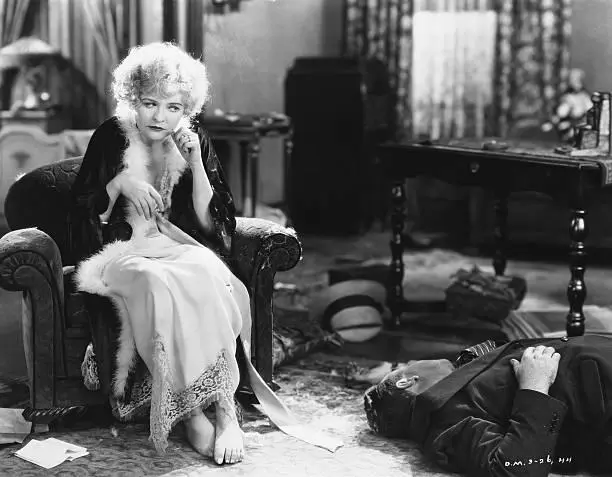
The film walks a tightrope between broad satire and heavy melodrama. At times, it feels like a precursor to the screwball comedies of the 1930s, especially in the interactions between the female inmates. At other times, it leans into the tragedy of the situation, particularly regarding the collateral damage Roxie leaves in her wake.
This tonal shift can be jarring. One moment we are laughing at a reporter's antics, and the next we are forced to confront the wreckage of Amos's life. It isn't as cohesive as Journey's End, which maintains a consistent atmosphere of dread. But this instability is also what makes Chicago interesting.
The film refuses to let the audience off the hook. It doesn't allow you to simply enjoy the spectacle; it forces you to acknowledge that you are part of the problem. By watching Roxie, we are the very public that she is trying to entertain.
Pros:
Cons:
There is a debatable opinion I hold: Chicago is actually better as a silent film. In the musical, the songs often serve as a buffer between the audience and the character's depravity. You can excuse Roxie’s behavior because she’s singing a catchy tune. In the 1927 version, there is no music to hide behind.
The silence forces you to sit with her coldness. When she kills Fred Casely, there is no orchestral swell—just the visual of a woman making a choice. It makes the story feel more like a precursor to the grim realism of Stolen Orders or the gritty Westerns like Whispering Smith.
The absence of sound amplifies the visual storytelling. We see the sweat on the jurors' brows and the desperation in Amos’s eyes. It’s a more intimate and, frankly, more disturbing experience. It works. But it’s flawed.
Chicago (1927) is a fascinating artifact that proves some things never change. It is a brutal, funny, and technically impressive piece of filmmaking that deserves to be seen outside the shadow of its musical successor. While it suffers from some typical silent-era pacing issues, the strength of Phyllis Haver’s performance and the sharpness of the script make it a vital watch.
It is a film that understands the dark heart of the American dream. It shows that in the right hands, a murder isn't a tragedy—it's a headline. This is a cold film for a cold world. If you can handle the lack of a beat, you'll find a much more rewarding experience here than in any Broadway theater.
"A biting, cynical masterpiece that proves the Jazz Age was more about the hangover than the party."
IMDb —
1920
Community
Log in to comment.