DbcultAccessing Vault...
Cult Review
Senior Film Conservator
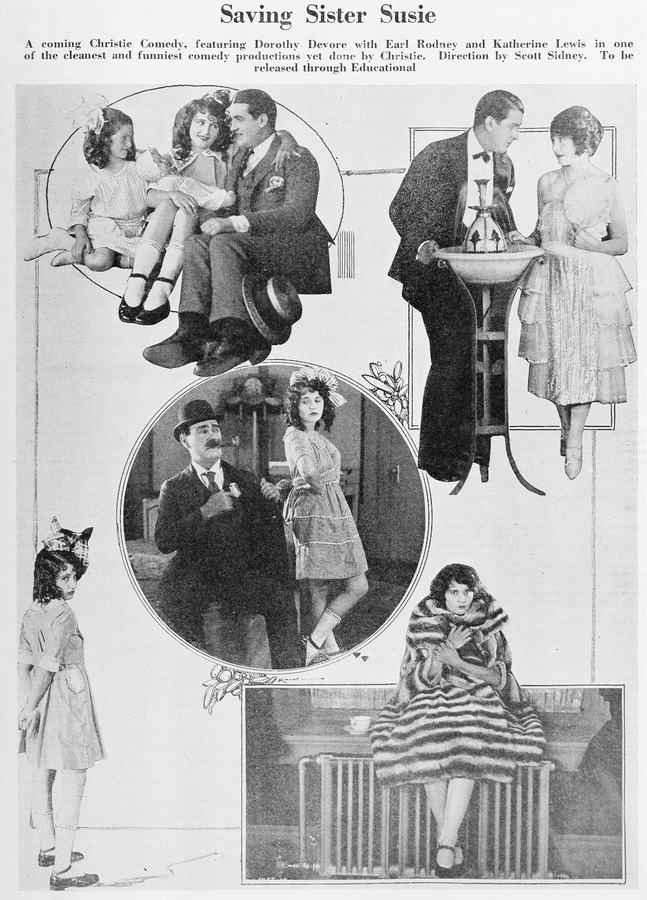
In the dim-lit corridors of early sound cinema, Saving Sister Susie emerges as a grotesque yet compelling artifact of pre-Code experimentation. This 1931 melodrama, directed with a curious blend of sincerity and artifice by Walter Graham, positions the Devore sisters in a familial power struggle that veers from farcical to disturbing with alarming ease. The film's most jarring innovation lies in its refusal to differentiate between physical transformation and identity erasure—a theme that reverberates through later works like Ernst Lubitsch's Erotikon and the Freudian-inflected narratives of The Secret Sin.
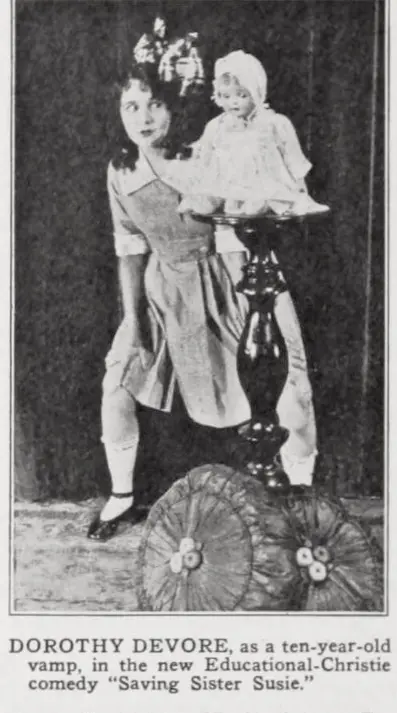
Dorothy Devore, as the titular sister, navigates a treacherous emotional landscape where infantilization becomes both weapon and prison. Her performance oscillates between wide-eyed vulnerability and a strange, disquieting agency; even swaddled in rompers, Susie exudes an uncanny allure that defies the maternal scheming of her older sibling (Eugenie Forde) and the patriarchal authority represented by the minister. This tension between external imposed identity and internal selfhood recalls the existential crises in Life Story of John Lee, though here the stakes are confined to domestic rather than political upheaval.
The film's most audacious sequence occurs during the ill-fated elopement scene. As the young man (Earle Rodney) carries the 'baby' Susie toward the altar, the camera lingers on his face—a mixture of earnest devotion and cognitive dissonance. This moment, shot in a stark high-contrast style, evokes the surrealism of Flip's Circus while questioning the societal norms that equate beauty with value. The minister's abrupt intervention—not for moral transgression but for age violation—highlights the film's sly subversion of romantic comedies like The Home Town Girl, where such obstacles are mere plot conveniences rather than ethical quandaries.
Walter Graham's script, while derivative in structure, demonstrates a proto-feminist ambivalence rare for its era. The mother's manipulation mirrors the controlling forces in Roman Candles, yet here the 'villain' is not a monstrous figure but a product of her social conditioning. Katherine Lewis's performance as the matriarch avoids caricature, instead revealing a woman whose power is both constrained and amplified by the patriarchal system she navigates. This nuanced portrayal recalls the complex matron roles in In the Diplomatic Service, though Graham lacks the subtlety to fully explore the character's interiority.
Technically, the film employs a rudimentary but effective use of sound design. The infantile coos of Susie, juxtaposed with the sultry lilt of her mature voice in flashbacks, create a haunting auditory motif. This sonic dissonance anticipates the more sophisticated sound experimentation in The Love Bug, though Graham's budgetary limitations prevent full realization of the concept. The cinematography, while unremarkable by modern standards, uses chiaroscuro techniques to great psychological effect during the climactic confrontation scene.
What elevates Saving Sister Susie above its contemporaries is its willingness to interrogate the absurdity of its own premise. Unlike the more straightforward romantic farces of Prinz Kuckuck - Die Höllenfahrt eines Wollüstlings, this film treats its audience as complicit in the moral decay it depicts. The final scene, where Susie is forcibly returned to her mother's custody, carries an almost tragic weight—the resolution not of a comedy but a castrating of agency. This bleak conclusion echoes the social realist tone of The Social Secretary, though Graham lacks the narrative ambition to sustain such themes.
For modern viewers, the film functions as both a curiosity and a cautionary tale. Its exploration of body dysmorphia and identity fraud through the lens of infantilization resonates with contemporary debates about gender and autonomy. The film's aesthetic choices—particularly the juxtaposition of childlike costumes with overt sexuality—anticipate the gender-bending aesthetics of later works like Zonnetje, though Graham's approach remains rooted in the moral panic of its era.
In conclusion, Saving Sister Susie occupies a peculiar space in cinematic history. It is neither a forgotten masterpiece nor a complete failure, but rather a transitional work that reflects the anxieties of its time while hinting at future narrative possibilities. For scholars of film history, it serves as a fascinating case study in pre-Code experimentation; for general audiences, it offers a disquieting glimpse into the grotesque potential of familial love. Those seeking similar thematic explorations might explore The Common Law or Was She Justified?, though neither quite capture the unsettling beauty of Graham's flawed but compelling vision.
IMDb 5.7
1934
Community
Log in to comment.