DbcultAccessing Vault...
7.1/10
Senior Film Conservator
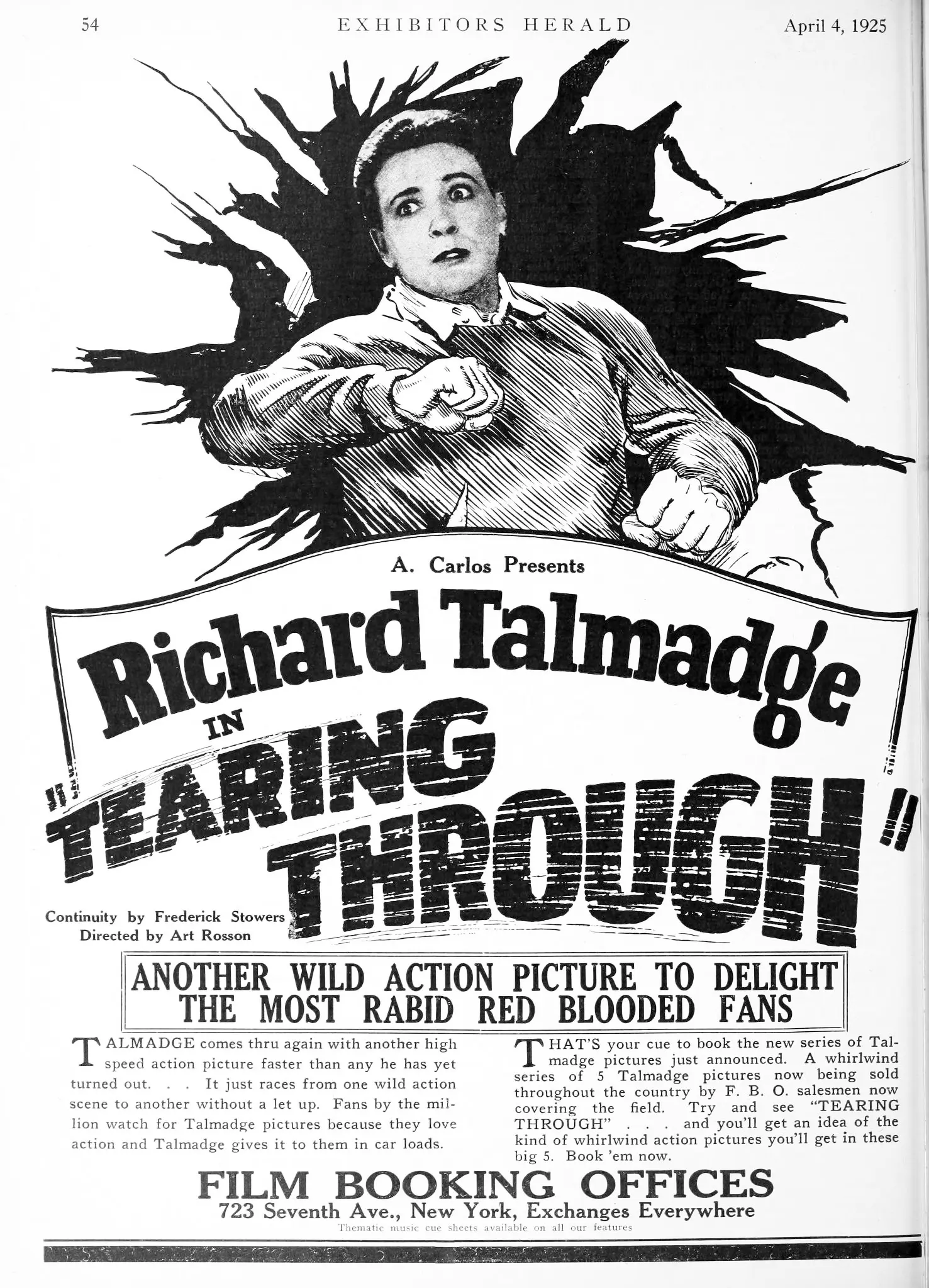
A definitive 7.1/10 rating for a film that redefined the boundaries of cult cinema. Tearing Through remains a cornerstone of transgressive art.
Is Tearing Through a hidden gem or a forgotten relic? Short answer: it is a high-octane relic that deserves a look for its stunt work, even if the plot is as thin as the celluloid it was shot on. This film is for the cinephile who enjoys the raw athleticism of early action stars like Richard Talmadge, but it is certainly not for those who require complex, nuanced character arcs or modern pacing.
1) This film works because Richard Talmadge’s physical performance bridges the gap between the melodrama of the 1920s and the high-stakes stunt work we see in modern cinema.
2) This film fails because the secondary characters, particularly the villainous Mr. Greer, are painted with such broad, stereotypical brushes that they lose any sense of genuine menace.
3) You should watch it if you want to see the exact moment when the 'action hero' archetype began to favor physical prowess over moral posturing.
Richard Talmadge was never the most subtle actor of his generation. Unlike the stars of The Poor Boob, who relied on comedic timing and expressive faces, Talmadge used his entire body as a tool of narrative progression. In Tearing Through, his portrayal of Richard Jones is a whirlwind of motion. When he discovers the corruption within the District Attorney's office, he doesn't just brood; he moves. The way he navigates the physical space of the set—climbing, jumping, and engaging in hand-to-hand combat—tells us more about his character's internal drive than any title card ever could.
There is a specific sequence early in the film where Richard decides to go rogue. He doesn't have a long, soul-searching monologue. He simply changes his posture. He stops being the assistant and starts being the hunter. It’s a subtle shift that demonstrates Talmadge’s underrated ability to communicate character through physical presence. This is a film that values momentum above all else. It is fast. It is relentless. It is occasionally exhausting.
To understand Tearing Through, one must understand the era's obsession with the 'narcotics' underworld. Much like The Fatal Sign, this movie uses the drug trade as a shorthand for moral decay. The depiction of the Chinatown opium den is, by modern standards, problematic and steeped in the 'Yellow Peril' tropes of the time. However, from a technical standpoint, the lighting in these scenes is some of the best in the film. The use of deep shadows and low-key lighting creates a claustrophobic atmosphere that contrasts sharply with the bright, sterile offices of the District Attorney.
Mr. Greer, played with a slithering intensity by Frank Elliott, represents the ultimate corruption: the man who uses the misery of others to gain leverage in his personal life. His pursuit of Constance is not born of love, but of a desire for ownership. When Richard finally infiltrates the den to rescue her, the film shifts from a procedural to a full-blown rescue fantasy. The choreography here is chaotic but effective, showcasing the 'tearing through' mentioned in the title. It’s visceral. It’s messy. It’s effective.
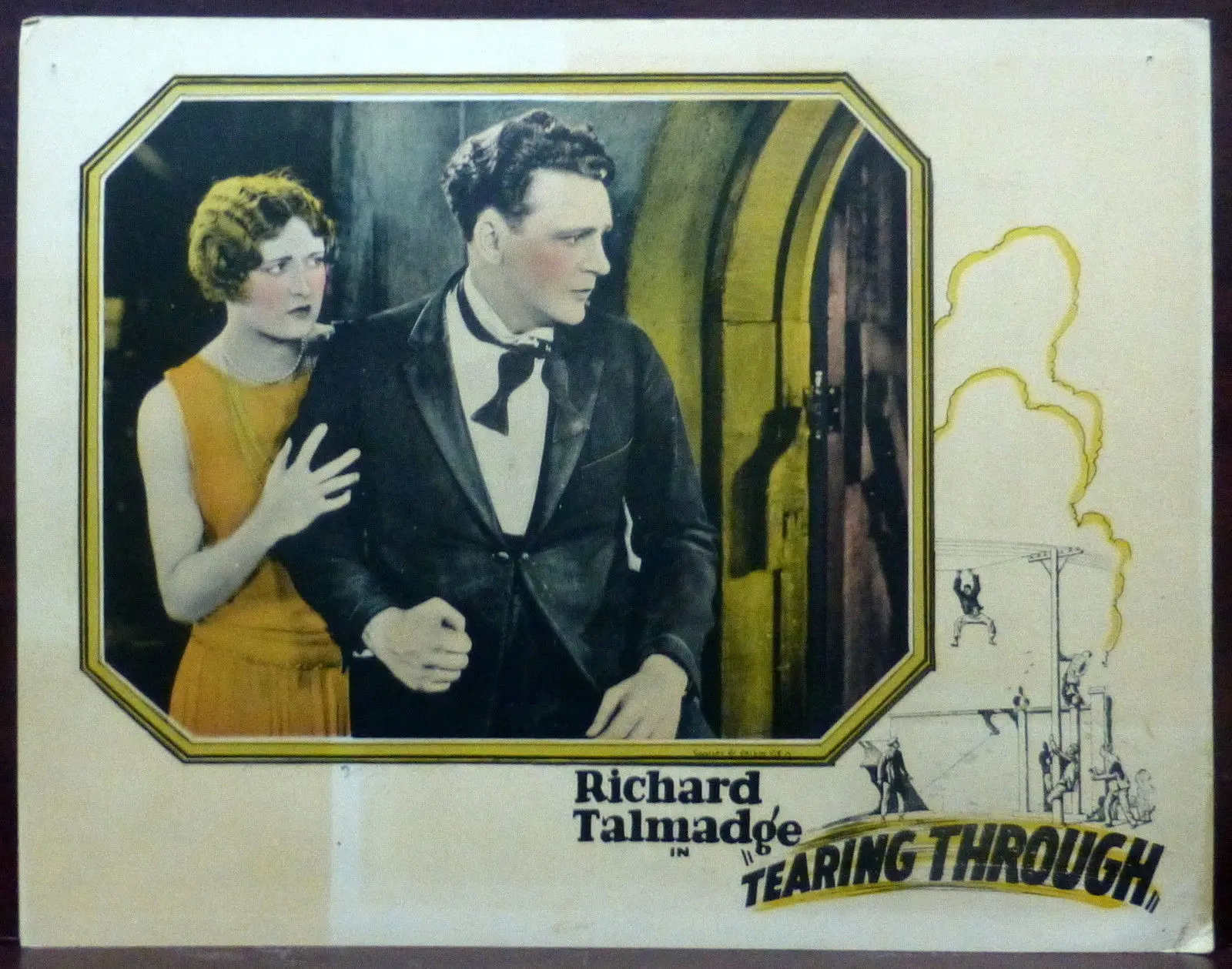
Yes, Tearing Through is worth watching for anyone interested in the evolution of the action genre. While the plot follows a predictable path of corruption and redemption, the execution of the stunts remains impressive nearly a century later. It provides a fascinating look at how early cinema handled social issues like addiction and political bribery through the lens of a hero's journey.
One of the most debatable aspects of the film is its cynical view of the legal system. DA Johnson isn't just incompetent; he is a traitor to his office. In many films of this period, like Manhattan, the law is eventually shown to be a righteous force. Here, the law is a hollow shell that must be purged from within. This is a surprisingly modern sentiment. The film suggests that the system cannot fix itself; it requires an outsider—or an insider acting like an outsider—to tear it down and start over.
The moment Richard discovers the bribes is played with a shocking lack of sentimentality. There are no grand speeches about the sanctity of the court. There is only the grim realization that the man he looked up to is a fraud. It’s a brutally simple realization. This cynicism gives the film a weight that its more cartoonish villainy lacks. It makes the stakes feel real, even when the stunts feel like circus acts.
The pacing of Tearing Through is its greatest asset and its greatest flaw. It moves at such a breakneck speed that it often skips over necessary character development. Bob Madison’s addiction, for instance, is treated more as a plot device than a human tragedy. We see him under the 'control' of the gang, but we never truly feel his struggle. He is a pawn to be moved across the board to motivate Richard.
However, the cinematography during the chase sequences is remarkably fluid. The camera follows Talmadge with a persistence that was rare for the mid-20s. There is a sense of verticality in the direction—characters are constantly moving up and down stairs, through windows, and over rooftops. This keeps the visual interest high even when the narrative logic falters. Compared to the static framing of Still Waters, Tearing Through feels like it belongs to a different decade entirely.
Pros:
Cons:
Tearing Through is a fascinating specimen of silent cinema that prioritizes the 'action' in 'action-drama.' It doesn't have the emotional depth of some of its contemporaries, but it possesses a raw, unbridled energy that is infectious. Richard Talmadge is the glue that holds this somewhat disjointed narrative together. Without his physical commitment, the film would be a forgettable procedural. With him, it becomes a testament to the power of the early action star. It works. But it’s flawed. If you can look past the dated social perspectives, you will find a film that paved the way for every rogue-cop movie that followed. It’s a loud, proud, and violent piece of history that deserves its place in the conversation of early genre cinema.
IMDb —
1929
Community
Log in to comment.