DbcultAccessing Vault...
Cult Review
Senior Film Conservator
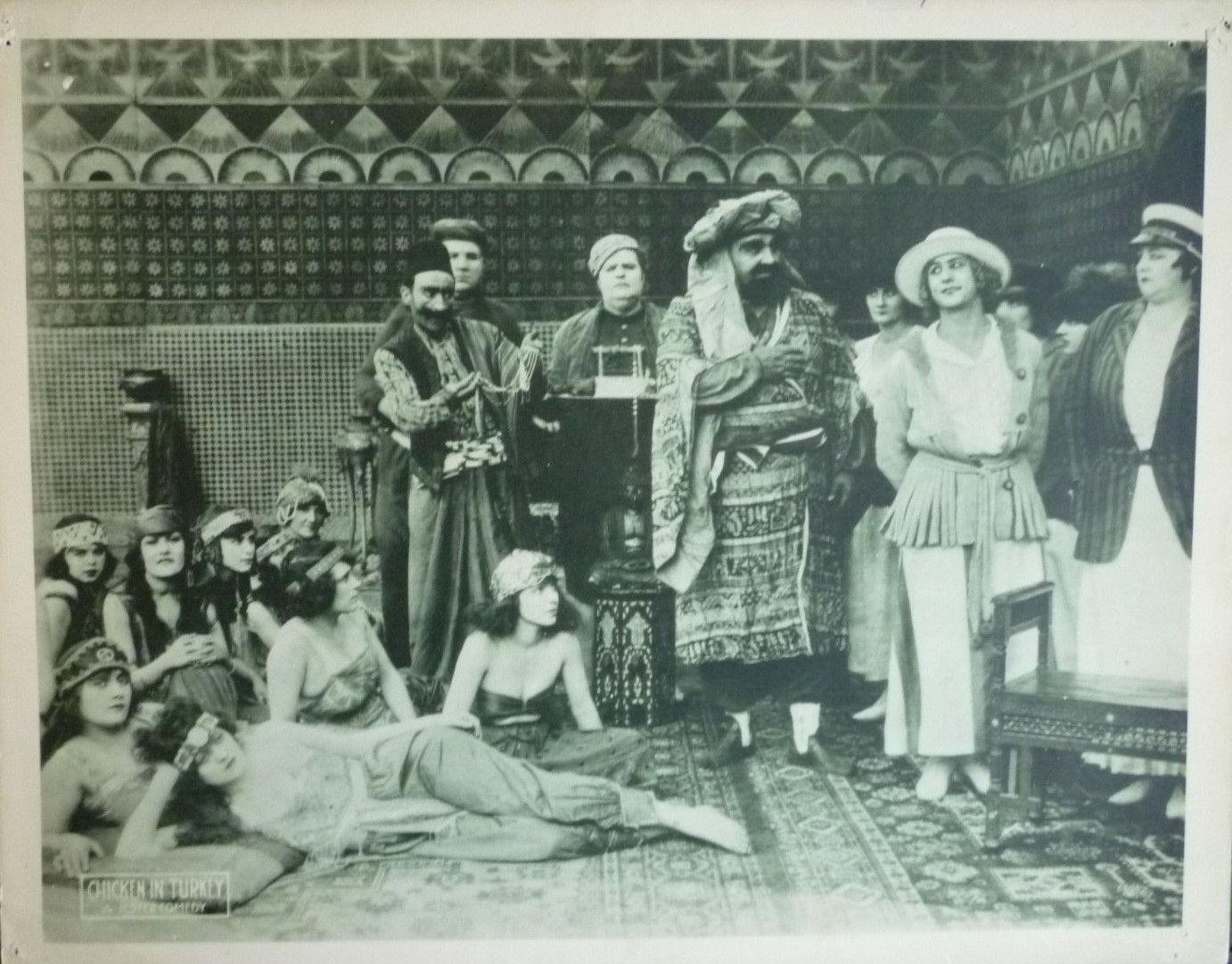
Marcel Perez’s latest offering, Chickens in Turkey, arrives as a daring, idiosyncratic portrait of a community caught between the weight of tradition and the relentless march of modernity. The film’s premise—an edict to relocate an entire village’s poultry to a state‑run industrial farm—might initially appear whimsical, yet Perez harnesses this conceit to excavate profound questions about agency, belonging, and the invisible mechanisms of power.
Set against the ochre‑tinted hills of a remote Anatolian hamlet, the cinematography is drenched in a palette that mirrors the film’s emotional tenor: the deep, earthy brown of the soil, the muted turquoise of distant seas, and the occasional flash of dark orange (#C2410C) that punctuates moments of heightened tension. This chromatic strategy is reminiscent of the visual language in Midnight Madness, where color serves as a narrative compass.
Dorothy Earle, portraying the stoic schoolteacher Aylin, delivers a performance that oscillates between restrained melancholy and fierce resolve. Her eyes, often framed by the soft glow of oil‑lamps, convey an internal ledger of loss that no dialogue can fully articulate. Pierre Collosse, as the conflicted inspector Mehmet, navigates a delicate balance: he is both the embodiment of bureaucratic authority and a man haunted by memories of his own childhood spent among the same clucking companions now slated for removal.
Flo Bailey’s Leyla is the film’s kinetic spark. The teenager’s rebellious streak manifests not in overt protest but in quiet, subversive acts—sneaking into the coop after curfew, whispering lullabies to the hens, and eventually orchestrating the midnight exodus that defines the film’s climactic sequence. Marcel Perez, who also penned the script, appears in a cameo as a traveling merchant, his brief exchange with Aylin serving as a micro‑cosm of the larger ideological clash.
The screenplay eschews linearity in favor of a mosaic‑like construction. Scenes interlace present‑day confrontations with flash‑forwards that envision a dystopian future where mechanized chickens patrol the streets, a visual metaphor echoing the surveillance state depicted in The Show Down. These temporal jumps are not mere gimmicks; they serve to underscore the cyclical nature of oppression, suggesting that the present moment is both a product of and a prelude to the future.
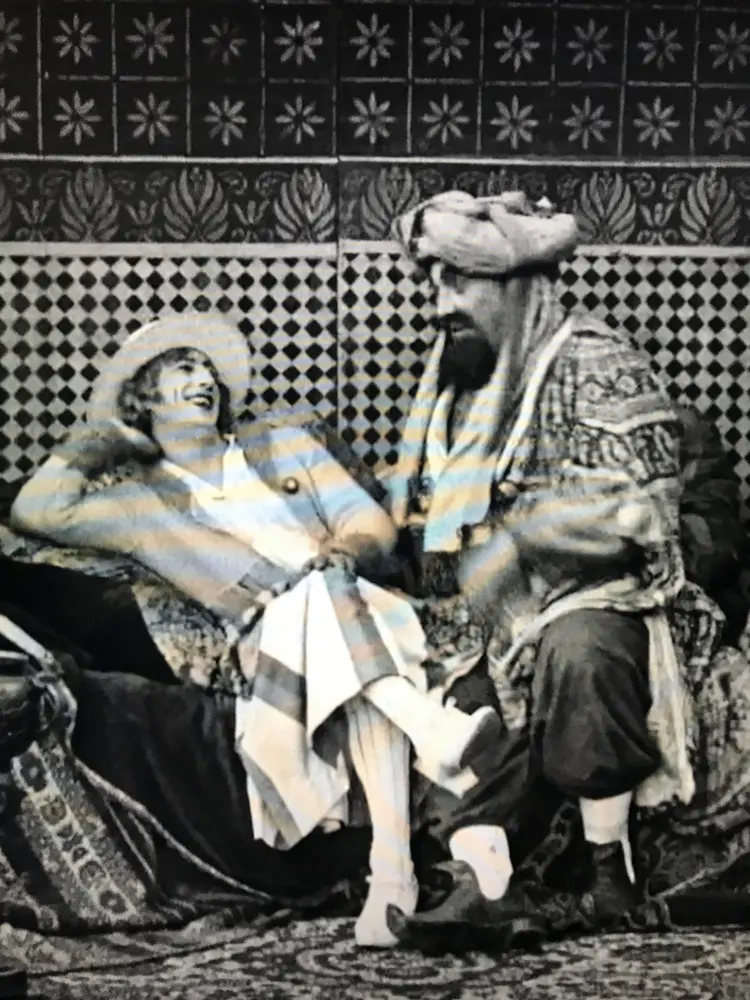
The central conflict—whether to surrender the chickens to a faceless, efficient system—mirrors broader societal debates about the commodification of life. Perez’s script is peppered with lyrical dialogue that feels more like poetry than conventional exposition. One memorable line, delivered by Aylin to a flock of bewildered birds, reads, "You have known the wind before the machines learned to count its gusts." This line encapsulates the film’s reverence for organic existence against the cold calculus of progress.
Cinematographer Levent Yılmaz employs long, unhurried takes that linger on the chickens’ rhythmic pecking, allowing the audience to inhabit the same temporal space as the birds. The camera often adopts a low, ground‑level perspective, aligning the viewer’s eye with the feathered protagonists and subtly subverting the human‑centric gaze. This technique recalls the immersive framing of Gatans barn, where animal subjects become conduits for human introspection.
The sound design is equally meticulous. Ambient farm noises—clucks, rustling straw, distant muezzins—interweave with a minimalist score composed of traditional Turkish instruments, each note resonating like a heartbeat in the film’s quiet moments. When the midnight exodus unfolds, the score swells with a haunting blend of oud and synth, amplifying the surreal quality of chickens perched upon a rusted ferry against a bruised sunrise.
While Chickens in Turkey stands as a singular work, its thematic concerns echo those explored in Pro Patria—namely, the tension between nationalistic duty and personal conscience. Both films employ allegorical animal symbolism to critique state power, yet Perez’s approach is more intimate, focusing on the micro‑cosm of a single village rather than the sweeping canvases of war and patriotism.
In contrast to the frenetic pacing of Hell Morgan's Girl, Perez opts for a deliberate, contemplative tempo, granting the audience space to ruminate on each ethical nuance. The film’s refusal to provide a tidy resolution aligns it with the existential ambiguity of The Soul of Satan, where moral clarity is deliberately withheld.
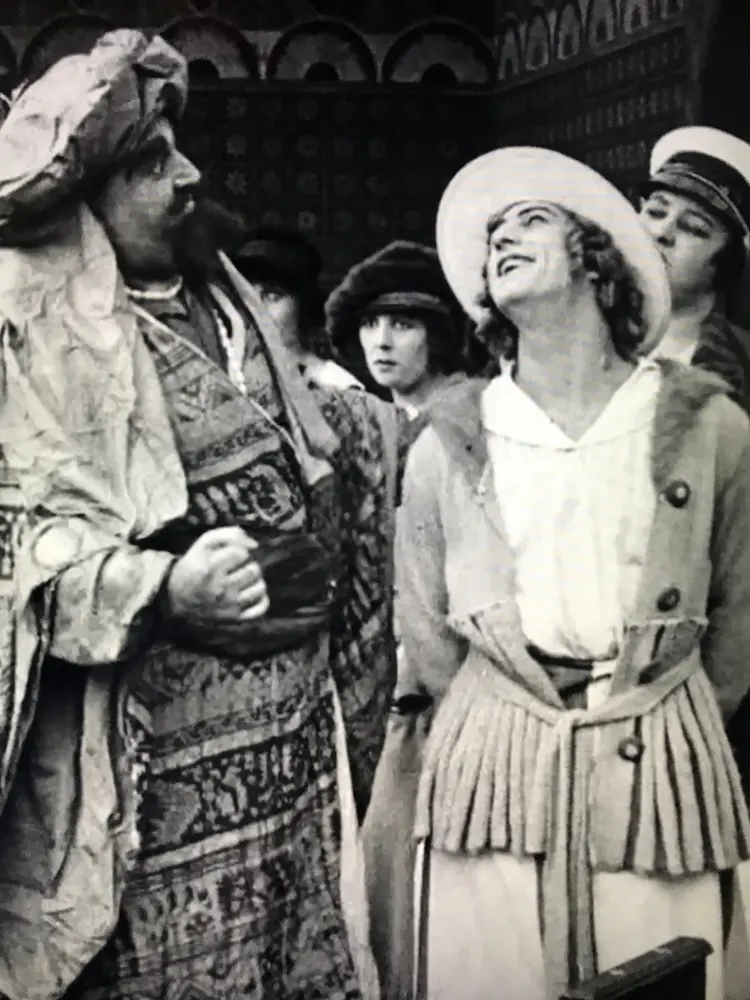
Dorothy Earle’s Aylin is a study in restrained ferocity. In a pivotal scene where she confronts the bureaucrats, her voice trembles just enough to betray a simmering fury, yet her posture remains impeccably composed—a physical manifestation of the village’s collective endurance. This performance is reminiscent of the stoic gravitas displayed by the lead in The Manxman, where internal conflict is conveyed through subtle gestures rather than overt dramatics.
Pierre Collosse’s Mehmet undergoes a transformation that is both external and internal. Initially presented as a faceless functionary, he gradually reveals a personal history intertwined with the very chickens he is ordered to relocate—his father once tended the same coop, a fact revealed through a tender flashback where young Mehmet feeds a chick with a piece of bread. This revelation recontextualizes his later decision to aid Leyla’s escape, painting him as a man caught between duty and memory.
Flo Bailey’s Leyla is perhaps the film’s most compelling conduit of youthful rebellion. Her clandestine nighttime visits to the coop are filmed in near‑silence, the only sound being the soft rustle of feathers. When she finally decides to lead the chickens across the Bosphorus, her resolve is palpable, her eyes shining with a fierce, almost reckless optimism that echoes the daring spirit of the protagonists in Damsels and Dandies.
The chickens themselves function as a multifaceted symbol. On one level, they represent the everyday laborer—unassuming, essential, yet easily dismissed by those in power. On another, they become an emblem of innocence caught in the gears of industrialization. Their eventual placement on the derelict ferry—a vessel once designed to transport people across waters—suggests a transposition of purpose, a reimagining of what it means to traverse boundaries.
The film’s use of light is equally symbolic. The climactic sunrise, rendered in a gradient of sea blue (#0E7490) fading into amber, signifies both an ending and a nascent beginning. The darkness that precedes it, a deep black that dominates the film’s visual field, underscores the oppressive weight of the decree, while the sudden incursion of color heralds the possibility of emancipation.
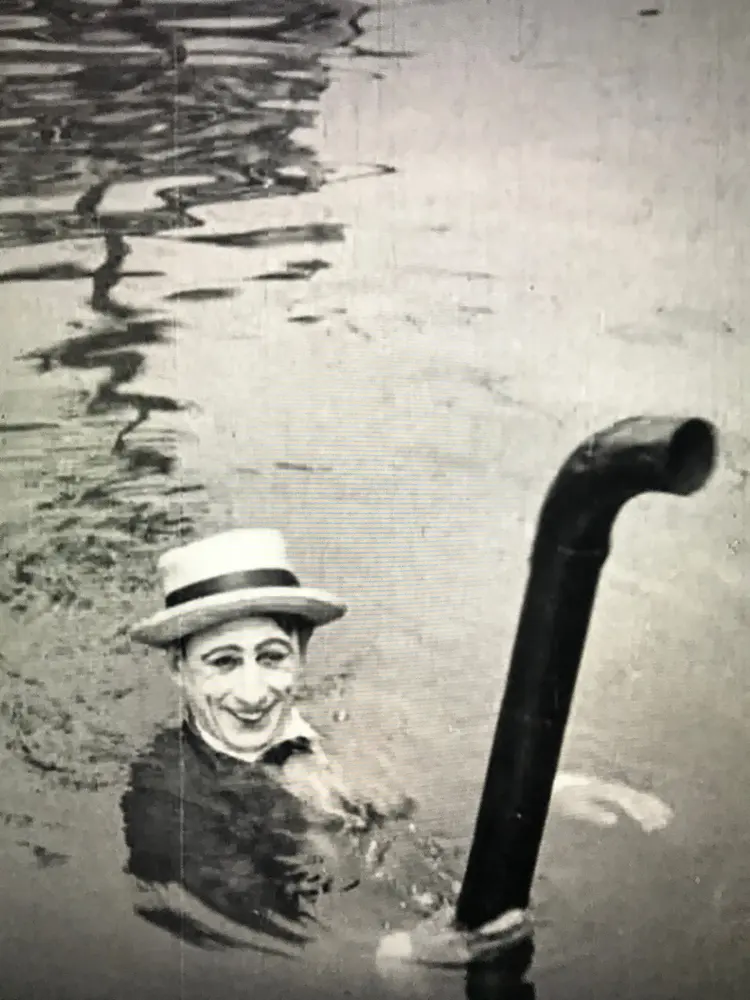
Perez’s decision to intersperse the narrative with static tableau shots—each resembling an Ottoman miniature—creates a rhythmic pause that allows viewers to absorb the cultural texture of the setting. These moments, devoid of dialogue, rely on visual storytelling, reinforcing the notion that some truths are best conveyed without words. The technique aligns with the contemplative pacing seen in Checkers, where silence becomes a narrative character in its own right.
The film’s climax, the midnight exodus, unfolds over a single, uninterrupted take that follows Leyla and the chickens as they navigate the moonlit streets. The camera glides at ground level, mirroring the chickens’ perspective, and the lack of cuts heightens the tension, immersing the audience in the characters’ breathless urgency.
Since its premiere at the Istanbul International Film Festival, Chickens in Turkey has sparked vigorous discourse among critics and scholars alike. Some laud its audacious allegory, praising Perez for daring to center a narrative around a seemingly mundane subject and elevating it to universal relevance. Others critique its deliberate pacing, arguing that the film’s languid tempo may alienate audiences accustomed to more kinetic storytelling.
Nevertheless, the film’s cultural resonance is undeniable. In an era where agricultural policies and animal rights dominate global headlines, Perez’s work offers a poignant, human‑scaled reflection on these macro‑issues. The film has been referenced in academic panels discussing the intersection of cinema and agrarian law, cementing its status as a text worthy of scholarly examination.
In its final frames, the camera lingers on Aylin’s silhouette against the amber horizon, her gaze fixed on the distant ferry where chickens perch like reluctant sentinels. The image is both a lament and a promise—an acknowledgment of loss, yet an affirmation that agency can be reclaimed, even in the smallest of acts. Chickens in Turkey does not provide tidy answers; instead, it invites contemplation, urging viewers to consider the quiet rebellions that ripple beneath the surface of ordinary life.
For those seeking cinema that marries visual poetry with incisive social critique, Marcel Perez’s feathered fable stands as a testament to the power of storytelling that dares to be both intimate and expansive. Its rich tapestry of performance, symbolism, and aesthetic daring ensures that it will linger in the collective memory long after the credits roll.
IMDb 5.3
1926
Community
Log in to comment.