DbcultAccessing Vault...
Cult Review
Senior Film Conservator
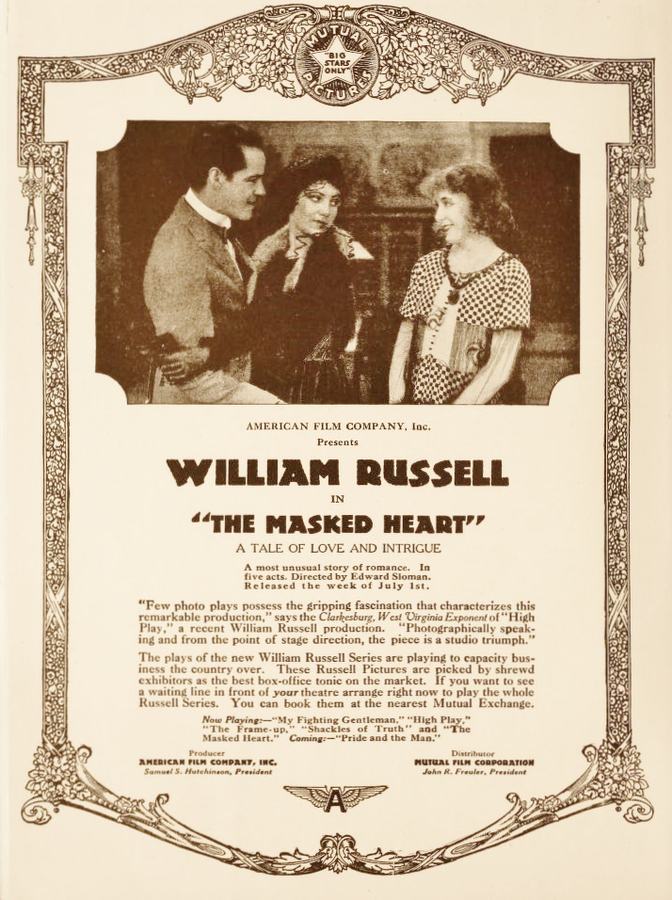
Stepping back into the flickering glow of early 20th-century cinema, one encounters a fascinating tapestry of human emotion, often exaggerated for the silent screen, yet profoundly resonant. 'The Masked Heart', a 1917 production, stands as a testament to the era's storytelling prowess, weaving a narrative that is as intricate as it is emotionally charged. This is not merely a film; it is a meticulously crafted dramatic ballet, where every gesture, every lingering glance, carries the weight of unspoken words and simmering desires. It invites us to consider the enduring power of mystery, the seductive pull of the unknown, and the societal constraints that often dictate the course of love and loyalty.
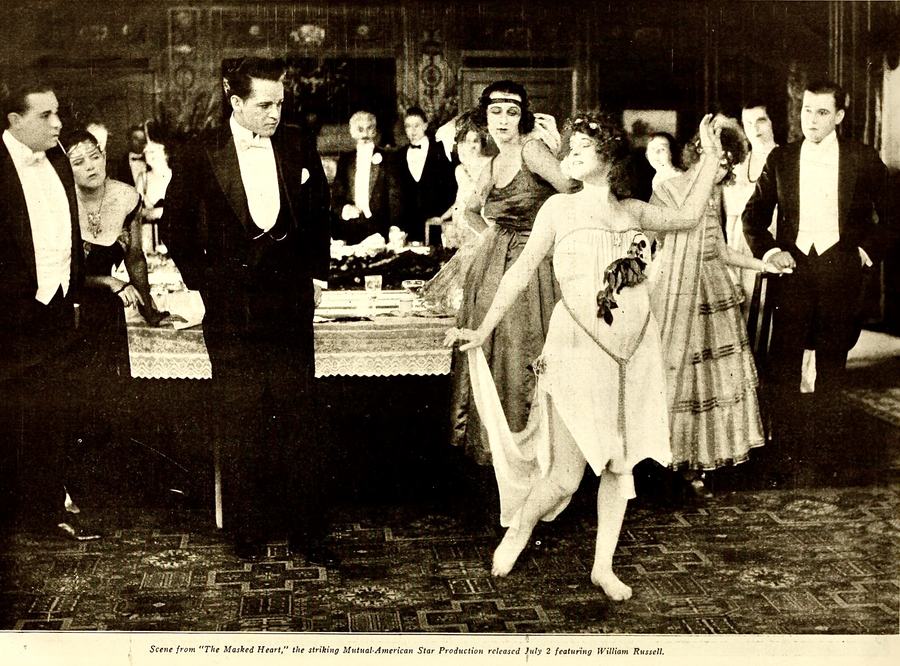
At the narrative's core is Philip Greycourt, portrayed with a compelling blend of ennui and nascent curiosity by William Conklin. Philip is the quintessential society man, accustomed to a world where desires are easily sated and conquests come effortlessly. His initial encounter, a pivotal scene at a masked ball, sets the entire dramatic engine in motion. The anonymous woman, cloaked in a demure gray gown, presents an irresistible enigma. Her refusal to unmask, to reveal her true self, elevates her from a mere flirtation to an object of profound fascination. This initial spark, born of mystery and defiance of expectation, is what truly captivates Philip, pulling him into a web of intrigue he neither anticipates nor fully comprehends. It's a classic trope, certainly, but executed here with a nuanced understanding of human psychology, exploring how the forbidden and the unknown can invigorate a spirit grown weary of the predictable.
The silent era, without the benefit of spoken dialogue, relied heavily on visual cues and the expressive capabilities of its actors. Conklin's performance, therefore, becomes a study in subtle shifts of expression – from bored indifference to intrigued pursuit, then to confused suspicion. The challenge for actors of this period was to convey internal states with external gestures, a task Conklin handles with commendable skill. The initial encounter, brief as it is, establishes the central conflict: the elusive nature of true identity and the compelling force of an unfinished narrative. This pursuit of a phantom identity mirrors similar thematic explorations in other films of the era, where mistaken identities or hidden pasts drive much of the dramatic tension, much like the intricate plotting found in The Firm of Girdlestone, where secrets unravel with devastating consequences.
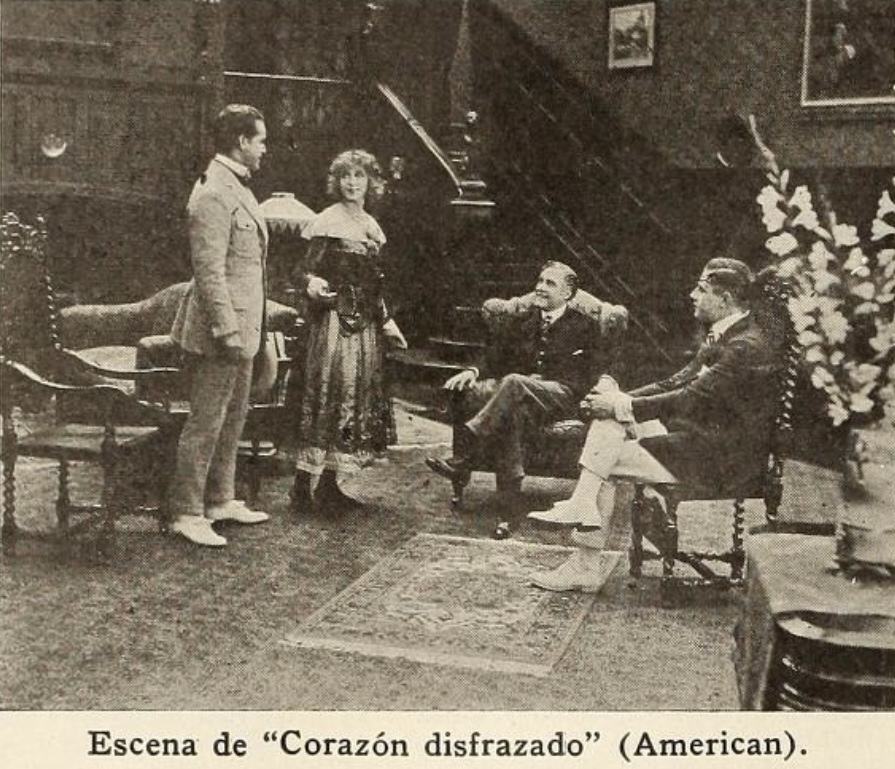
The transition to John Villiers' country home introduces a new layer of complexity, transforming the initial romantic pursuit into a tangled domestic drama. Here, the narrative broadens to include the formidable presence of Helen, Villiers' second wife, brought to life by the nuanced performance of Francelia Billington. Billington imbues Helen with a captivating blend of charm and cunning, her flirtatious overtures towards Philip serving to fan the flames of his suspicion. Is this the masked woman? Her denials, delivered with a conviction that belies the truth, only deepen the mystery and draw Philip further into her orbit. This interplay of denial and unspoken acknowledgment creates a palpable tension that permeates the stately country setting.
The introduction of Catherine, Villiers' stepdaughter, played by Kathleen Kirkham, adds a poignant counterpoint to Helen's sophisticated machinations. Catherine, initially an almost invisible figure in Philip's world, embodies innocence and genuine affection. Her burgeoning love for Philip, largely unacknowledged by him in his preoccupation with Helen, sets up a dramatic irony that is both heart-wrenching and ultimately redemptive. This contrast between the worldly, manipulative Helen and the pure-hearted Catherine is a classic literary device, effectively utilized to highlight different facets of love and desire. The film expertly navigates these shifting loyalties and hidden agendas, creating a sense of impending revelation that keeps the audience thoroughly engaged, much like the escalating drama in A Modern Thelma, where a woman's true nature is tested by circumstance.
The narrative truly ignites with Villiers' departure, creating the perfect opportunity for Helen to finally reveal her secret. In her sitting room, the truth is laid bare: she was indeed the masked woman. This confession, followed by an embrace, is a moment of intense emotional climax, quickly shattered by the unexpected return of Villiers (William Russell). The sight of embracing shadows in a window, a classic cinematic device for conveying illicit passion without explicit depiction, propels Villiers into a furious dash indoors. The maid's swift warning to Helen, and Philip's desperate scramble for refuge, create a sequence of breathless suspense.
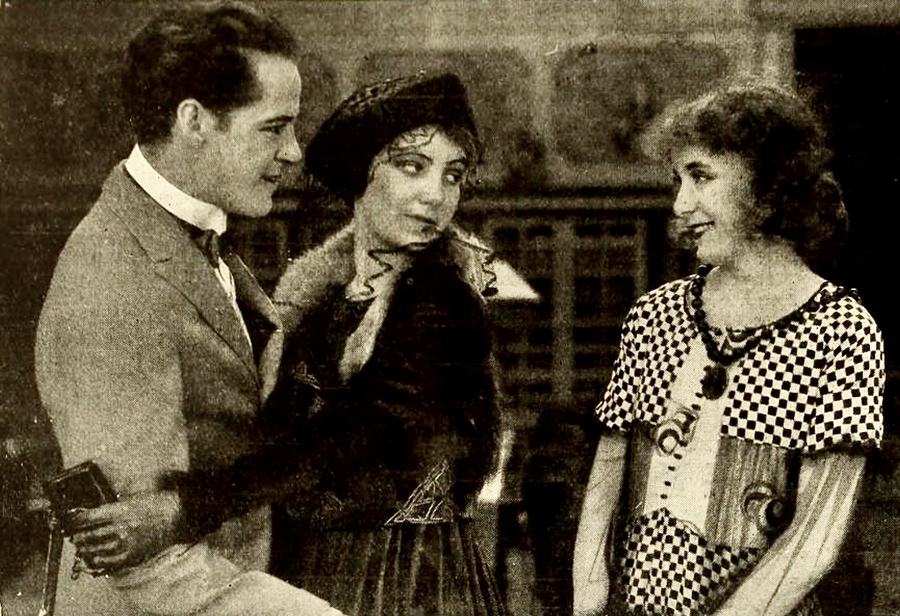
Philip's sudden appearance in Catherine's bedroom, where she lies innocently in bed, is a masterstroke of dramatic timing. As Villiers pounds on the door, the urgency of the situation forces an unthinkable solution. Catherine, faced with the immediate threat of scandal and ruin, accepts Philip's hasty proposal. This is not a proposal born of love, but of necessity, a desperate maneuver to protect reputations and avert disaster. The scene is a powerful demonstration of how quickly circumstances can dictate destiny, transforming nascent feelings into binding commitments. The silent film excels in these moments of high drama, where close-ups on anxious faces and frantic gestures convey the sheer panic and desperation. It's a plot twist that, while potentially melodramatic by modern standards, was a staple of the era, reflecting societal anxieties around reputation and propriety, a theme also powerfully explored in films such as The Prima Donna's Husband, where public perception dictates private lives.
The marriage of Philip and Catherine, initially a desperate act, becomes the crucible in which genuine affection is forged. The film beautifully portrays the slow, organic growth of love between them, a stark contrast to the fleeting, superficial passion Philip felt for Helen. This evolution of their relationship is crucial, transforming a marriage of convenience into a bond of true emotional depth. It speaks to the idea that love can blossom in unexpected places, often when least expected, and that true compatibility can emerge from shared experiences and mutual respect rather than initial infatuation.
However, the shadow of Helen looms large. Villiers' death, while freeing Catherine and Philip from the immediate threat of exposure, also unleashes Helen's unresolved desires. Her attempts to seduce Philip, even after his marriage, underscore her manipulative nature and her inability to let go of what she perceives as rightfully hers. This continued interference provides a compelling antagonist, ensuring that the dramatic tension remains high. The film masterfully uses Helen's character to explore the destructive power of jealousy and unrequited passion, a force that often drives the most compelling silent film narratives, not unlike the passionate rivalries depicted in Carmen, albeit with a different cultural backdrop.
The climax of Helen's destructive jealousy arrives when she reveals her past entanglement with Philip to Catherine. This confession, designed to inflict maximum pain and shatter Catherine's newfound happiness, is a moment of profound emotional upheaval. The audience feels Catherine's betrayal and heartbreak acutely, a testament to Kirkham's ability to convey deep emotion without dialogue. This revelation serves as a catalyst, pushing Catherine to a drastic decision: to leave on a steamer, seeking escape from the pain and the shadow of her husband's past. The film here taps into a universal fear of betrayal and the devastating impact of secrets on relationships.
Philip's realization of his true feelings for Catherine, awakened by the threat of losing her, drives the thrilling final act. His frantic pursuit of her to the steamer is a classic cinematic race against time, a desperate dash to prevent a final, irrevocable separation. The scene is imbued with urgency and emotional weight, as Philip, once so jaded and aloof, now fights with every fiber of his being for the woman he has come to truly love. This journey, both literal and metaphorical, culminates in their reunion and the symbolic honeymoon cruise, a powerful image of a fresh start and a love finally free from the burdens of deceit and past entanglements. It’s a resolution that, while perhaps idealized, offers a satisfying emotional release after the turbulent journey, reminiscent of the dramatic reconciliations often seen in romantic dramas like Sally in Our Alley.
The narrative's compelling structure and its ability to maintain suspense and emotional depth are largely attributable to the writing of Jules Furthman. Furthman, a prolific writer of the era, demonstrates a keen understanding of character motivation and plot development, crafting a story that is both intricate and emotionally resonant. His ability to build tension, introduce unexpected twists, and resolve complex relationships speaks to his mastery of the dramatic form. The film, despite its age, feels surprisingly modern in its psychological undercurrents and its exploration of moral ambiguities. Furthman's influence is evident in the clear progression of the plot, the well-defined character arcs, and the effective use of dramatic irony. His skill in weaving together threads of desire, deception, and eventual redemption is exemplary, showcasing the kind of narrative sophistication that characterized many of the era's best silent films.
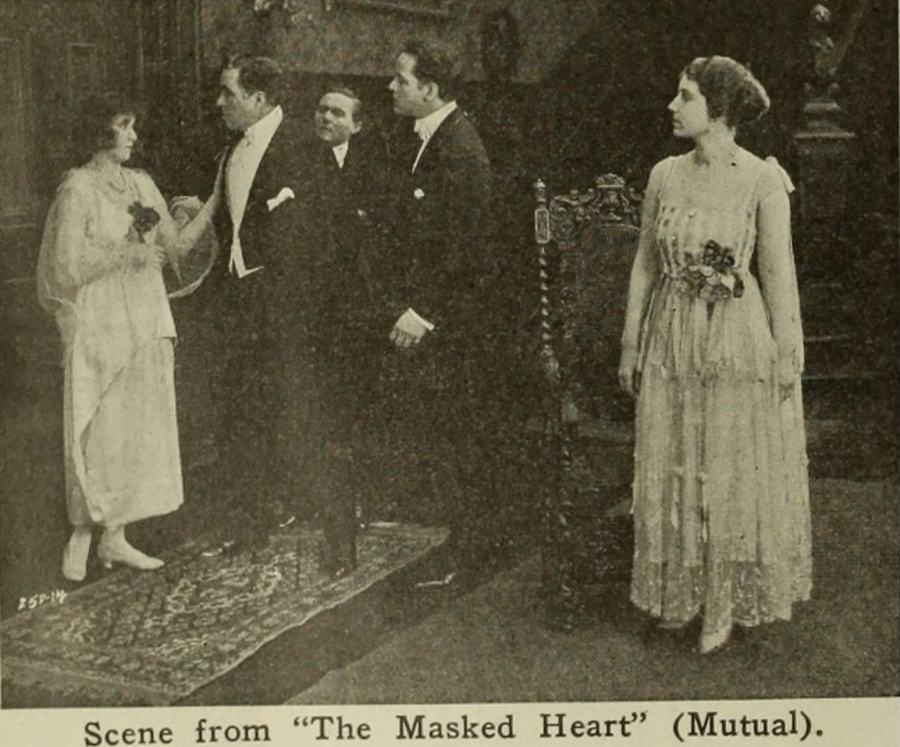
The direction, though not explicitly credited in the provided details, undoubtedly played a crucial role in translating Furthman's script into a visually engaging experience. Silent films relied on strong visual storytelling, clear blocking, and expressive intertitles to convey information and emotion. The effective use of shadows, character positioning, and facial expressions would have been paramount in bringing this complex narrative to life. The film's success lies not just in its compelling plot but in its execution, demonstrating a synergistic relationship between writer, director, and cast in creating a cohesive and impactful cinematic experience. One can imagine the meticulous planning required to convey such a complex story without spoken words, relying instead on the universal language of gestures and expressions, much like the challenging adaptations of literary works such as Obryv, which demanded visual artistry to capture its essence.
'The Masked Heart' also serves as a fascinating cultural artifact, offering a glimpse into the societal norms and moral anxieties of the early 20th century. The emphasis on reputation, the scandal of illicit affairs, and the desperate measures taken to preserve social standing are all reflections of the era. The film's resolution, where true love ultimately triumphs over deceit and manipulation, offers a comforting moral message, suggesting that genuine affection, even when born from difficult circumstances, can lead to lasting happiness. This moral framework was common in films of the period, providing audiences with narratives that, while dramatic, ultimately affirmed prevailing ethical values.
The cast, including Ashton Dearholt in an unspecified role, contributes to the overall texture of the film, creating a believable world for these dramatic events to unfold. The ensemble's ability to communicate complex emotions and motivations without dialogue is a testament to their skill and the unique demands of silent acting. Each character, from the central protagonists to the supporting figures like the maid who warns Helen, plays a vital role in propelling the narrative forward and enriching its emotional landscape. The meticulous attention to detail in character portrayal, even for minor roles, enhances the film's immersive quality. This collaborative effort to bring a vivid world to the screen is a hallmark of the silent era's artistic achievements, akin to the detailed world-building seen in ambitious productions like Graft.
Despite being over a century old, 'The Masked Heart' retains a remarkable power to captivate. Its themes of identity, deception, and the unpredictable nature of love are timeless. The film demonstrates that even without spoken dialogue, a compelling story, well-crafted characters, and expressive performances can transcend the limitations of their medium. It reminds us of the foundational elements of storytelling that continue to resonate with audiences today: the allure of a mystery, the pain of betrayal, and the ultimate triumph of genuine human connection. For those interested in the evolution of cinema, or simply in a gripping drama, 'The Masked Heart' offers a rich and rewarding viewing experience, a true gem from the silent era.
The artistry involved in creating such a nuanced narrative in the silent film era cannot be overstated. From the deliberate pacing to the evocative use of intertitles, every element worked in concert to engage the audience's imagination. The film’s ability to conjure such vivid emotions and intricate plot developments underscores the sophisticated understanding of visual storytelling possessed by its creators. It stands as a powerful example of how early cinema, far from being primitive, was a highly developed art form capable of exploring the depths of the human condition with profound grace and dramatic flair. Its legacy, though perhaps overshadowed by later, more technically advanced films, is undeniable, providing a blueprint for future romantic dramas and thrillers alike. Much like the ambitious storytelling found in The Man Who Couldn't Beat God, 'The Masked Heart' explores the intricate dance between fate and human will, leaving a lasting impression on its viewers.
In its intricate dance of hidden identities and revealed truths, 'The Masked Heart' offers more than just a glimpse into a bygone cinematic era; it provides a timeless exploration of the human heart's complexities. It’s a film that asks us to look beyond the surface, to question appearances, and to believe in the transformative power of love, even when it emerges from the most unexpected and scandalous circumstances. The journey of Philip and Catherine, from a forced union to a genuine bond, remains a compelling testament to the enduring human capacity for growth and connection, making it a film well worth rediscovering for any cinephile.
IMDb 7.2
1920
Community
Log in to comment.