DbcultAccessing Vault...
Cult Review
Senior Film Conservator
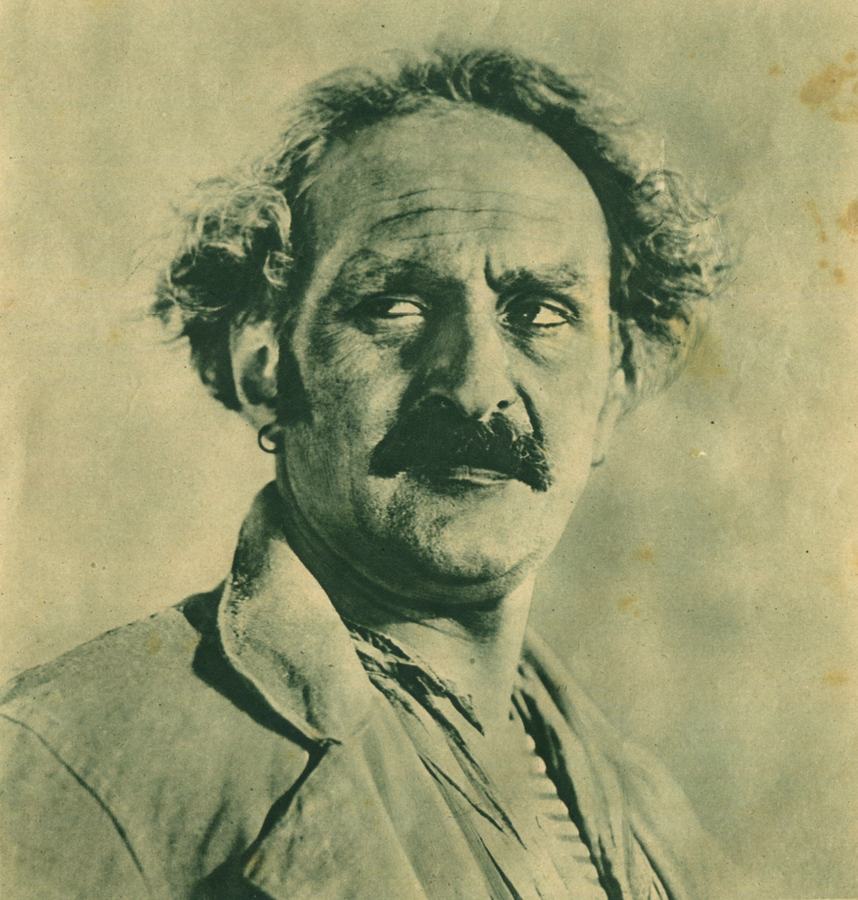
The year 1923 remains a watershed moment for European cinema, a period where the visual vocabulary of the medium was being rewritten by directors who viewed the camera not merely as a recording device, but as a scalpel. In Sarati, le terrible, René Le Somptier crafts a narrative so thick with humidity and psychological dread that it transcends the limitations of its silent format. Unlike the operatic grandeur of Anna Boleyn, which relied on historical scale, Le Somptier focuses on the suffocating intimacy of a man whose nickname, 'The Terrible,' is earned through every callous gesture and predatory gaze.
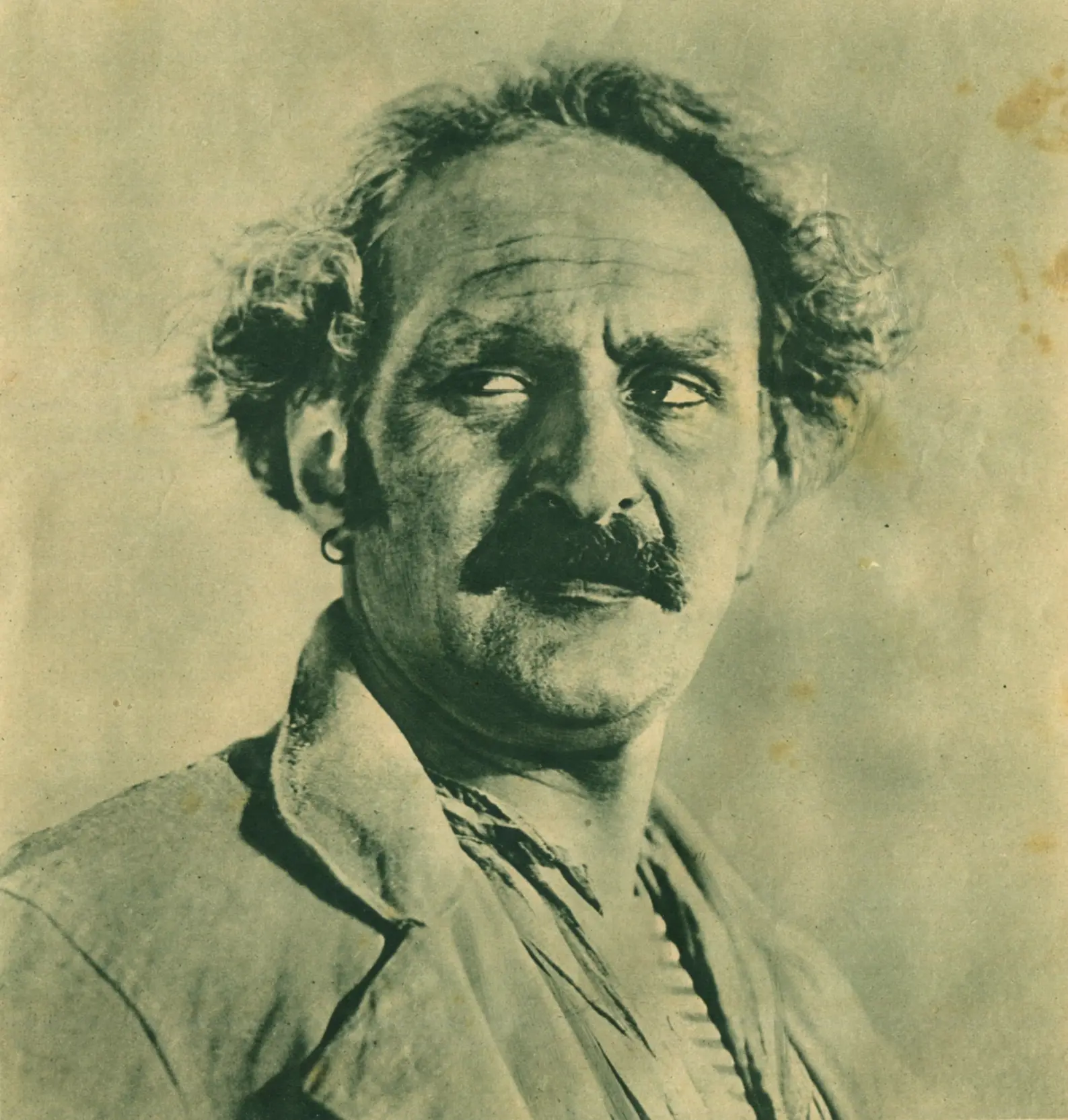
Henri Baudin’s portrayal of Sarati is nothing short of monolithic. He occupies the screen with a gravitational pull that makes the other characters—and indeed the audience—feel perpetually off-balance. In the grit of the Algiers docks, Sarati is a king of the mud and the rope, a figure who commands respect through the sheer threat of his physical presence. This isn't the refined villainy often found in early dramas; it is a primal, earth-bound cruelty. When we compare this to the psychological unraveling in Il medico delle pazze, we see a shift from institutional madness to a more personal, localized form of insanity—the madness of the patriarch who cannot distinguish between love and ownership.
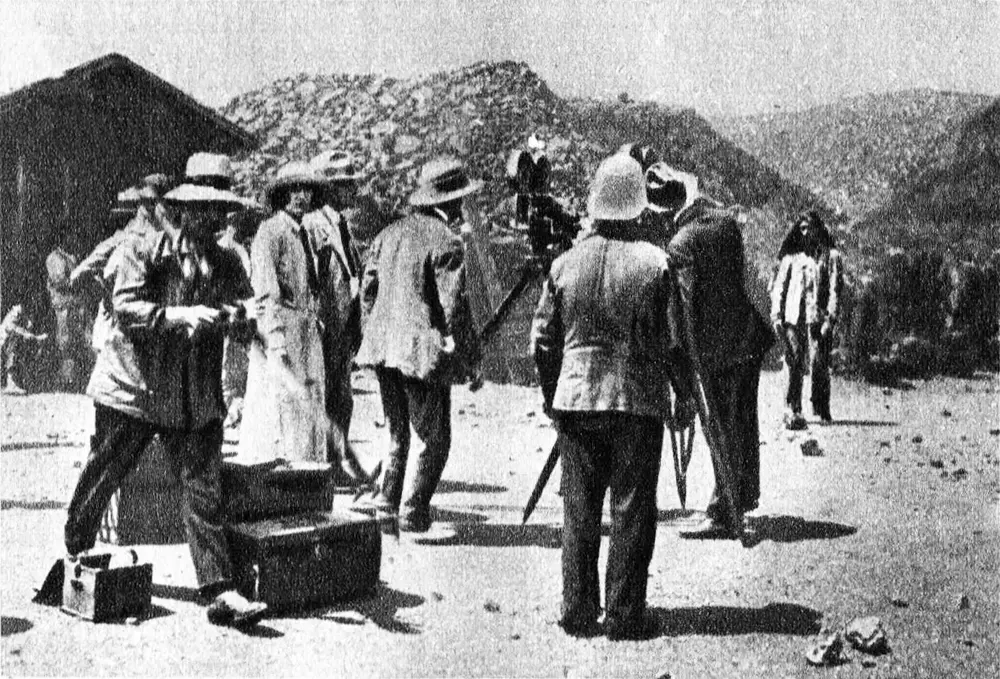
The setting itself functions as a secondary protagonist. Algiers is not presented as a postcard-perfect exotic locale, but as a sprawling, dusty organism. The cinematography captures the harsh contrast between the blinding white light of the African sun and the deep, ink-black shadows of Sarati’s home. This chiaroscuro effect mirrors the duality of the characters. Rose, played with a fragile yet burgeoning resilience by Ginette Maddie, represents the light attempting to pierce through the dense, oppressive gloom of her uncle’s world. Her performance avoids the melodramatic pitfalls of the era, offering instead a nuanced look at a woman trapped in a social and familial vice.
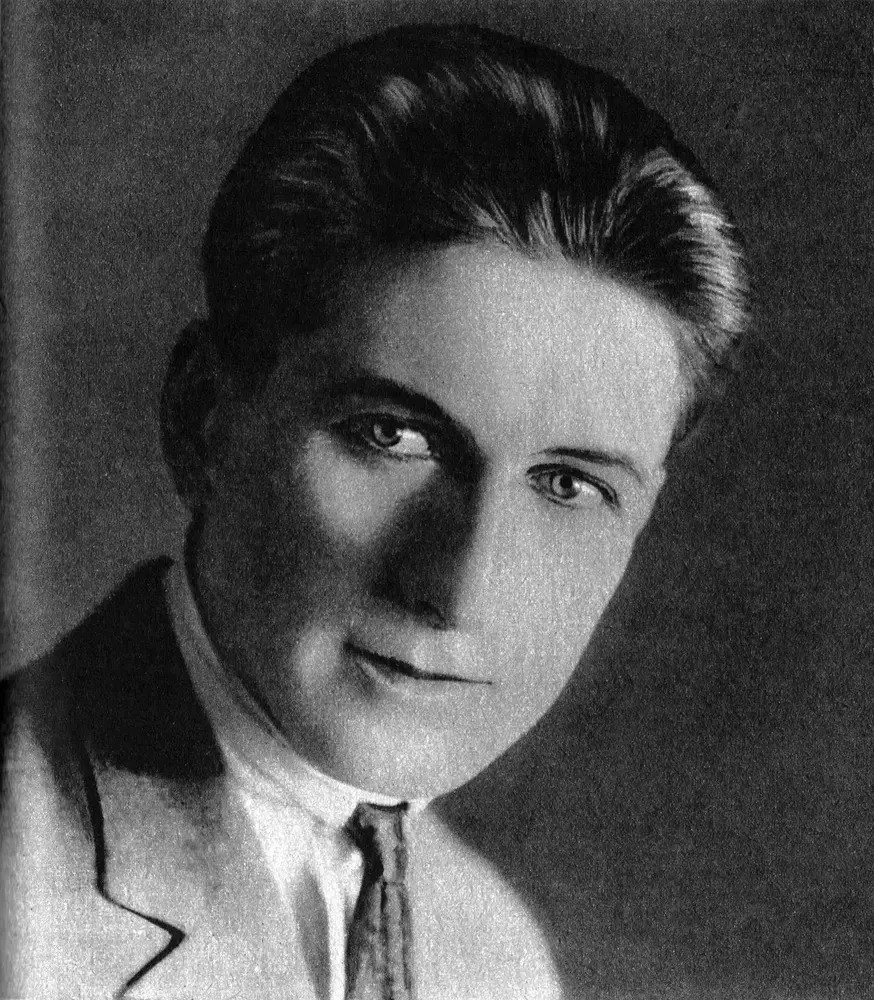
There is a gritty naturalism here that predates the poetic realism of the 1930s. While films like Die Bestie im Menschen delved into the animalistic impulses of the working class, Sarati, le terrible grounds its conflict in the specific cultural friction of the colonial era. The introduction of Gilbert, portrayed by André Feramus, brings a sense of European malaise into the heat of the Casbah. Gilbert is the catalyst, the spark that threatens to ignite the dry tinder of Sarati’s temper. The tension between the two men is not just about the affection of a woman; it is a clash of worldviews—the old world of brute force versus the new, albeit fractured, world of modern sensibility.
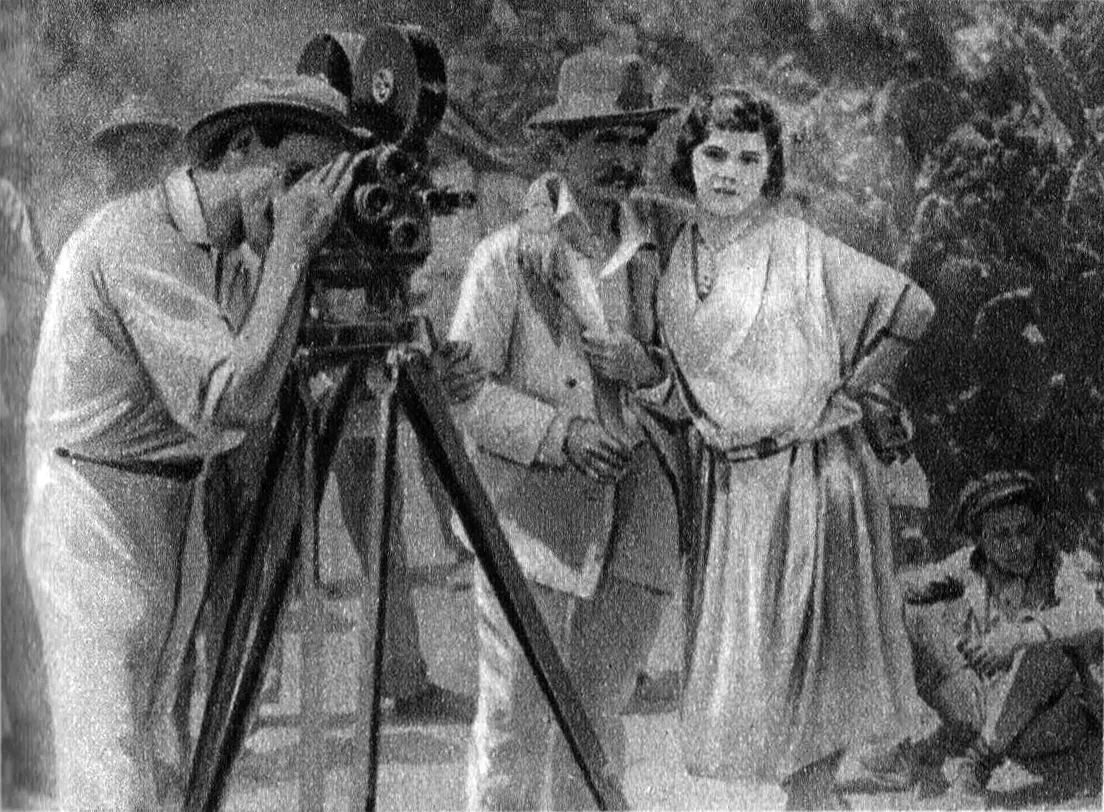
Le Somptier’s direction is remarkably patient. He allows the camera to linger on the faces of the dockworkers, the texture of the shipping crates, and the rhythmic swaying of the ships in the harbor. This attention to detail creates a lived-in reality that is often missing from contemporary silent productions like The Cotton King. In Sarati's world, everything has weight. Every sack of grain carried by a laborer feels heavy, and every word unspoken between Rose and Gilbert feels laden with consequence.
The film’s pacing is a masterclass in slow-burn anxiety. It doesn’t rush toward its violent climax but instead builds pressure like steam in a boiler. We see the cracks forming in Sarati’s composure. The man who can control an entire dockyard cannot control the heart of a young woman. This thematic thread shares a DNA with the fiery passions depicted in Il fuoco (la favilla - la vampa - la cenere), though Le Somptier swaps the Italian decadence for a more rugged, sun-scorched intensity. The 'terrible' nature of Sarati is ultimately his inability to adapt to a world where his will is not law.
Supporting performances, particularly Pâquerette as Maria and Arlette Marchal as Hélène, provide essential context to the central trio. They represent the various ways individuals survive in the orbit of a tyrant—some through compliance, others through quiet subversion. Their presence reminds us that Sarati’s terror isn't an isolated incident; it is a systemic shadow cast over everyone he touches. The film’s exploration of these dynamics gives it a psychological depth that rivals the character studies found in Das sterbende Modell.
One cannot discuss this film without acknowledging its visual metaphors. The sea, often visible in the background, serves as both a promise of escape and a reminder of the vast, uncaring world beyond the harbor walls. Unlike the frozen isolation of The Snowbird, the heat in Sarati, le terrible is a palpable force that seems to drain the energy of those who resist it. The dust that coats the characters' skin is a physical manifestation of their moral and emotional stagnation. It is a film you can almost smell—a mixture of brine, tobacco, and fear.
The editing, while traditional for the early 20s, utilizes cross-cutting to heighten the suspense during the film’s final act. As the inevitable confrontation between Sarati and Gilbert approaches, the film abandons its leisurely pace for a jagged, frantic rhythm. It is here that we see the true 'terrible' Sarati—a man stripped of his social standing, reduced to a cornered animal fighting for his perceived territory. It is a far cry from the lighter, more comedic beats of Pop Tuttle's Grass Widow or the adventurous spirit of The Lone Hand. This is a tragedy in the truest sense, where the protagonist's fatal flaw is his own strength.
While later remakes would attempt to modernize the story, there is an unvarnished power in this 1923 version that remains unmatched. It captures a specific moment in time when Algiers was a crossroads of cultures and when cinema was discovering its ability to portray complex human emotions without the need for dialogue. The film doesn't offer easy answers or a comfortable moral lesson. Instead, it leaves the viewer with the haunting image of Sarati—a giant of a man defeated not by a greater force, but by the simple, quiet refusal of a girl to be his property.
In the broader context of silent cinema, Sarati, le terrible stands as a bridge between the theatricality of the early 1910s and the sophisticated visual storytelling of the late 1920s. It lacks the patriotic fervor of The Independence of Romania, opting instead for a universal story of human passion and failing. It avoids the broad strokes of Kentucky Brothers or the sentimentalism of The Parish Priest, choosing a path of uncompromising emotional honesty. Even when compared to the high-stakes financial drama of Stripped for a Million, the stakes in Sarati’s household feel infinitely more perilous because they involve the very soul of the characters.
Ultimately, the film asks the question: what happens when a man who has built a world on fear finally encounters something he cannot terrify? The answer is a harrowing, beautifully shot descent into the abyss. It is a testament to Le Somptier’s vision and Baudin’s performance that Sarati, le terrible remains as potent today as it was a century ago. It is a work of dark, shimmering beauty that demands to be seen by anyone who appreciates the power of the silent image to convey the loudest of human cries. In the end, we are left wondering What Next? for a cinema that had already reached such heights of psychological complexity so early in its history. This film is not just a relic; it is a living, breathing piece of art that continues to challenge our perceptions of power, gender, and the human heart.
Review by the Cine-Analyst.
IMDb —
1912
Community
Log in to comment.