DbcultAccessing Vault...
6.6/10
Senior Film Conservator
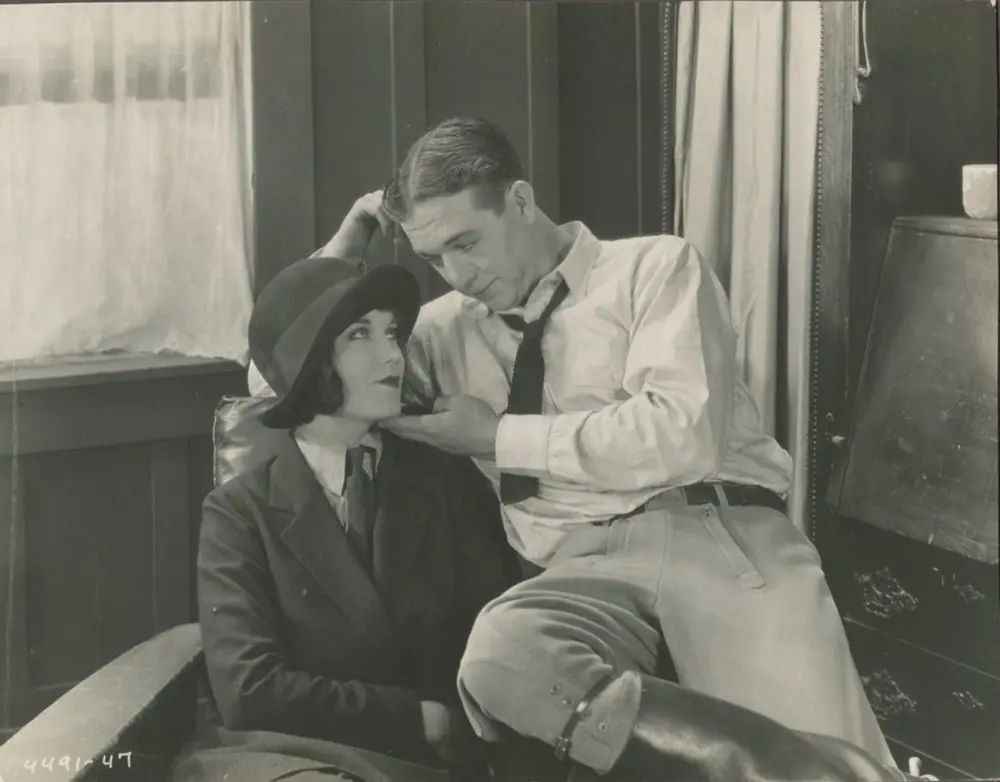
A definitive 6.6/10 rating for a film that redefined the boundaries of cult cinema. A One Man Game remains a cornerstone of transgressive art.
Can a silent Western from an era long past still captivate a modern audience? Short answer: yes, A One Man Game absolutely can, but with specific caveats. This film is a surprisingly resilient piece of early cinema, offering a unique blend of stoicism and strategic storytelling that stands apart from many of its contemporaries.
This film is an essential watch for cinephiles, historians of the American Western, and anyone with an appreciation for the subtle power of silent acting. It is NOT for viewers who demand constant dialogue, rapid-fire action, or high-budget spectacle. Approach it with an open mind, and you might find a profound and satisfying experience.
This film works because: It masterfully builds tension through character interaction and strategic plotting rather than brute force, offering a nuanced take on frontier justice.
This film fails because: Its deliberate pacing, while often effective, occasionally meanders, and some supporting character arcs feel underdeveloped.
You should watch it if: You appreciate the art of silent storytelling, character-driven Westerns, and the intricate dance of wits over brawn.
From its opening frames, A One Man Game establishes a tone distinct from the boisterous, often simplistic Westerns of its time. Director William Berke, working from his own script, crafts a narrative that trusts its audience to read between the lines, to interpret the flicker of an eye or the set of a jaw as deeply as any spoken dialogue. This is a film that rewards attention, unfurling its story with the patience of a desert sunrise.
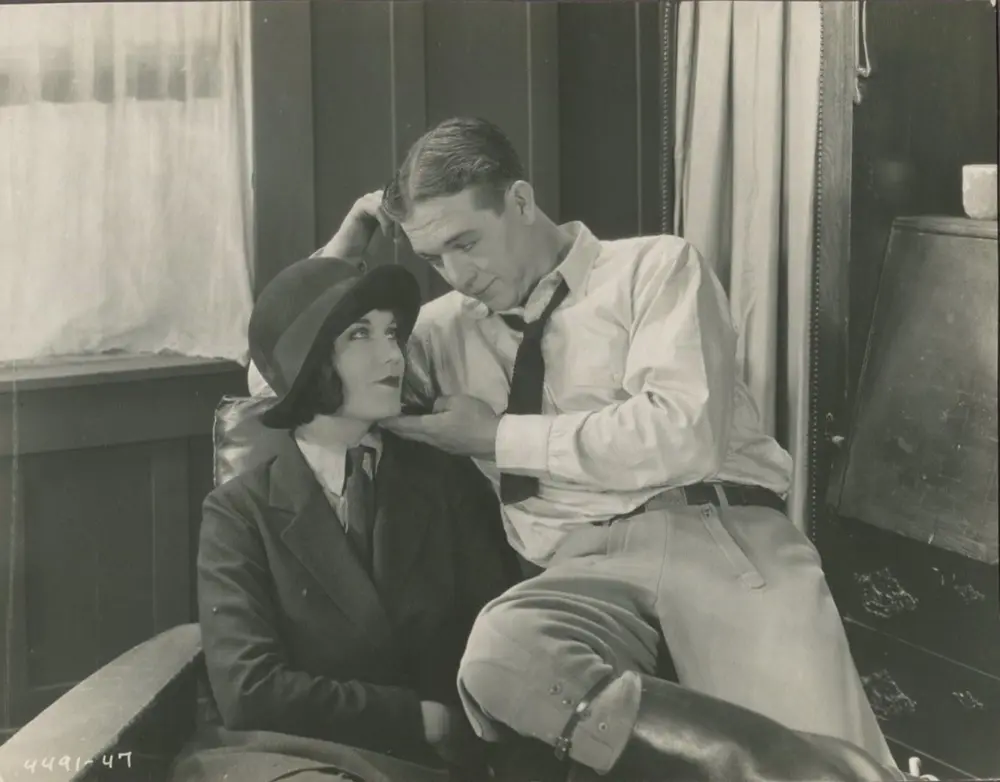
The plot, centered on Jim Travers' quiet defiance against Cyrus Thorne, is deceptively simple. Yet, within this framework, Berke explores themes of courage, community, and the corrosive nature of unchecked power. It’s a classic battle of good versus evil, certainly, but rendered with an unexpected psychological depth for the era.
William Malan, as Jim Travers, is the film's anchor. His performance is a masterclass in understated intensity. Travers is not the typical swaggering cowboy; he's a man burdened by a past, his heroism emerging from a place of quiet conviction rather than overt bravado. Malan communicates volumes with minimal gestures, his eyes often conveying the weight of his resolve and the shrewdness of his strategic mind.
Consider the scene where Travers first witnesses Thorne's men brutalizing an elderly rancher. Malan doesn't erupt in a fit of rage. Instead, his gaze hardens, a subtle clenching of his jaw signaling a shift from detached observer to committed participant. It’s a moment of profound internal transformation, communicated solely through physical acting, a testament to Malan's skill.
Julia Griffith, as Mary Harding, provides a compelling counterpoint to Malan's stoicism. Her portrayal of a woman caught between despair and defiance is both nuanced and powerful. She avoids the pitfalls of the damsel-in-distress trope, instead embodying a resilient spirit that makes her eventual alliance with Travers feel earned and believable. Her scenes with her father, John Harding (Clarence Geldert), are particularly poignant, illustrating the human cost of Thorne's tyranny.
“The true strength of 'A One Man Game' lies not in its physical confrontations, but in the quiet, psychological duel between its protagonist and antagonist.”
William Berke's direction is marked by a confident restraint. He understands the power of the wide shot to convey isolation and the tight close-up to reveal inner turmoil. The cinematography, while not groundbreaking by today's standards, is remarkably effective in capturing the harsh beauty of the Western landscape and the claustrophobia of Redemption Gulch.
There's a recurring visual motif of dust and desolation that permeates the film, mirroring the town's moral decay. Berke frequently frames characters against vast, empty horizons, emphasizing their vulnerability and the enormity of the challenge they face. This is particularly evident in the establishing shots of Thorne's sprawling ranch, which loom over the town like a predatory shadow.
The action sequences, when they occur, are choreographed with a practical efficiency. They lack the frenetic energy of later Westerns, but gain a sense of gritty realism. The climactic poker game, for instance, is a masterclass in building suspense through facial expressions and subtle gestures, rather than overt violence. The camera lingers on the players' faces, capturing every flicker of doubt or triumph, making the intellectual battle as gripping as any gunfight.
This film, much like Godless Men, relies heavily on the visual language of the silent era to tell a story rich in moral complexity. It's a testament to Berke's skill that he manages to convey such intricate plotting without the aid of spoken dialogue, leaning heavily on the performances and the visual environment.
The pacing of A One Man Game is undeniably deliberate. This isn't a film that rushes its narrative; it prefers to unspool events with a methodical rhythm that allows the audience to absorb the atmosphere and character motivations. While some modern viewers might find this slow in stretches, it's crucial to understanding the film's artistic intent. The tension builds gradually, like a slow-burning fuse.
The film's tone is largely somber, reflecting the oppressive atmosphere of Redemption Gulch, but it is punctuated by moments of quiet hope and fierce determination. There's a tangible sense of injustice that permeates the early acts, making Travers' eventual interventions all the more impactful. The final act, while still measured, delivers a satisfying resolution that feels earned, not rushed.
One particular scene that encapsulates this pacing is Travers' reconnaissance of Thorne's operations. We see him silently observing, planning, and subtly disrupting Thorne's plans. These sequences are devoid of grand gestures, instead focusing on the meticulous execution of a strategy. It's an unconventional approach to heroism, but one that resonates deeply.
Compared to the more overtly comedic or action-packed silent films like The Nut, A One Man Game carves out its own niche. It's a serious drama that doesn't shy away from the darker aspects of human nature, yet ultimately champions resilience and integrity.
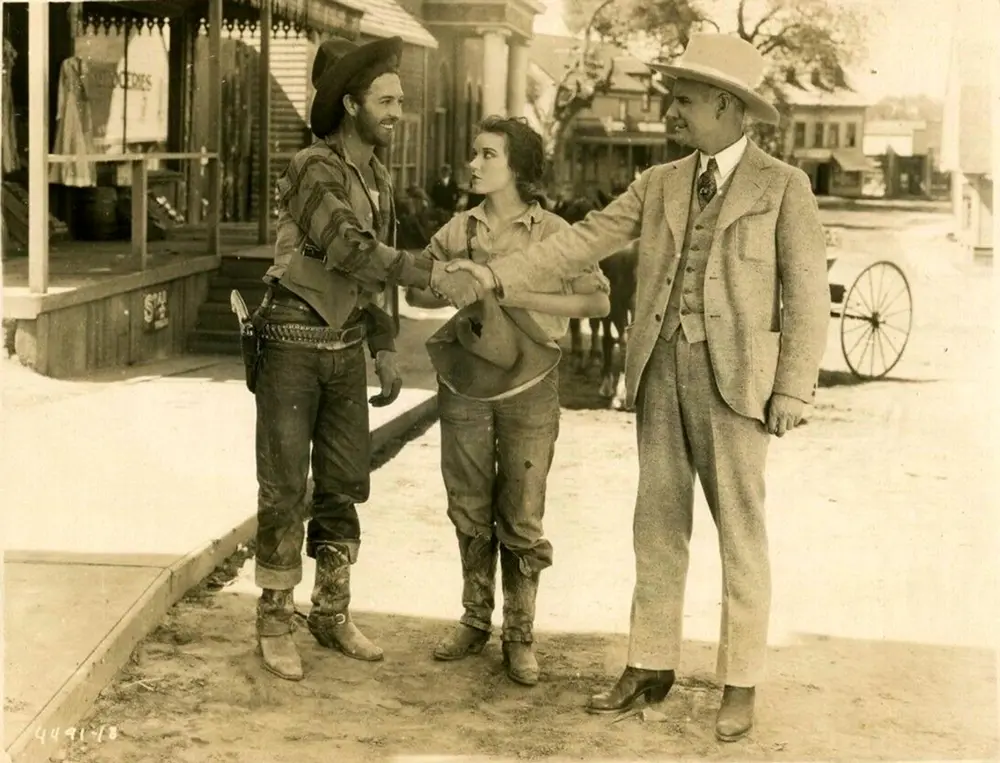
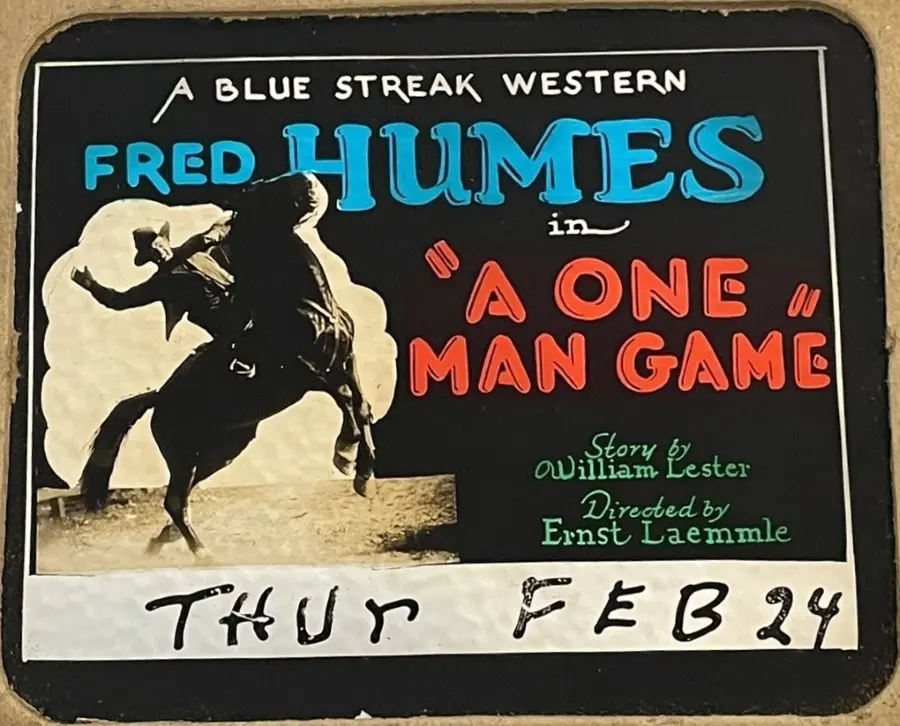
Beyond Malan and Griffith, the supporting cast delivers solid performances that flesh out the world of Redemption Gulch. Fred Humes, as the villainous Cyrus Thorne, embodies ruthless ambition. He’s not a mustache-twirling caricature but a calculating businessman whose greed drives his every action. His performance, though broad at times, effectively conveys a sense of menace.
Norbert A. Myles, as 'Snake' Myers, Thorne's chief enforcer, provides a more visceral threat. His physicality and aggressive posturing offer a stark contrast to Malan's quiet intensity, creating a compelling dynamic whenever their paths cross. The silent era often relied on strong, clear archetypes, and Myers fits the bill of the dangerous henchman perfectly.
Fay Wray, in an early role, brings a touch of vulnerability and youthful innocence to her brief appearances. While her role is not extensive, her presence adds to the ensemble's texture, hinting at the talent that would later make her a scream queen icon. Even in these smaller parts, the actors understood the exaggerated yet precise movements required for silent film, a skill often lost in modern cinema.
The ensemble works cohesively to create a believable community, even one on the brink of collapse. The fear in the townsfolk's eyes, the desperation in their gestures – these are all conveyed without a single spoken word, a testament to the power of pure acting.
Here's my controversial take: A One Man Game is, in many ways, more sophisticated in its plotting than a significant number of talkies that followed in the early sound era. The necessity of visual storytelling forced writers like Berke to craft narratives that were inherently more reliant on cause-and-effect and character psychology, rather than expositional dialogue. It’s an intellectual Western, not just a spectacle.
I also believe William Malan's performance here is criminally overlooked in the annals of silent film acting. While names like Keaton and Chaplin dominate, Malan's subtle, powerful portrayal of Jim Travers deserves far more recognition. He’s not performing for laughs or grand gestures; he’s performing for truth, and it resonates.
One surprising observation is how modern the film feels in its depiction of systemic corruption. Thorne isn't just a bandit; he's a land baron manipulating the system. This resonates with contemporary issues of corporate greed and power imbalances, making the film feel less like a historical relic and more like a timeless cautionary tale. It works. But it’s flawed.
A One Man Game is more than just a historical curiosity; it's a compelling and intelligently crafted silent Western that deserves a wider audience. While its deliberate pace and lack of dialogue might be challenging for some, those willing to immerse themselves in its unique rhythm will discover a deeply satisfying story of courage, strategy, and quiet defiance. It’s a powerful reminder of the sophisticated storytelling possible in the silent era, proving that sometimes, the most profound narratives are those left unspoken. It's a film that resonates long after the final fade to black.
IMDb 4.9
1913
Community
Log in to comment.