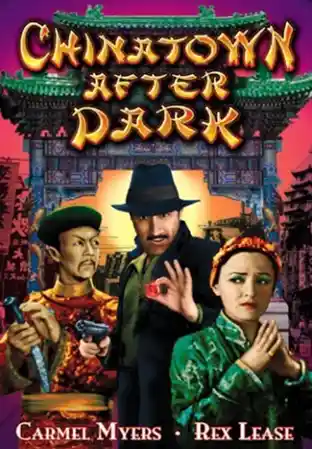
A definitive 4.1/10 rating for a film that redefined the boundaries of cult cinema. Chinatown After Dark remains a cornerstone of transgressive art.
Is _Chinatown After Dark_ worth watching today? Honestly, probably not for most folks seeking a modern thrill. If you’re a real enthusiast for old, gritty crime pictures, especially ones where a strong villain takes center stage, then maybe give it a look.
But if you need anything resembling fast pacing or characters you can actually root for, this might feel like a bit of a slog. 😩
The film throws us into the murky corners of a stylized Chinatown. It’s a place that feels more like a carefully built set than a living, breathing neighborhood, to be frank.
At its heart is Carmel Myers, playing the female head of a criminal gang. She’s after this one particular jewel, and nothing, absolutely nothing, will stand in her way.
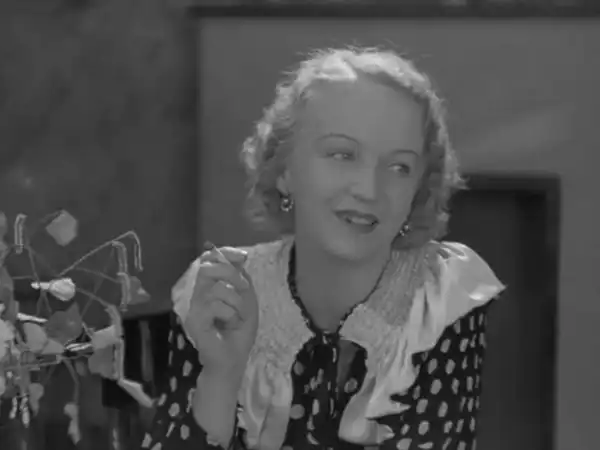
Myers, as the boss, is _the_ reason to even give this movie a second glance. She’s got this incredible intensity in her eyes, a constant, almost palpable ambition boiling just under the surface. It’s pretty captivating for its time.
There’s this moment where she’s talking to one of her underlings, maybe George Chesebro's character. He suggests something, and she just dismisses him with this *flick of the wrist*.
No words, just a look and that hand movement. It speaks volumes about who’s truly in charge. 👑
You can almost feel her character’s frustration building, even when she’s just listening. It's a very physical performance, almost like she’s trying to burst out of the frame. That’s a powerful thing to pull off in a largely silent film.
The actual hunt for the jewel, though? It’s a bit… *clunky*. A lot of shadowy figures darting about and some rather staged confrontations.
It never quite builds the suspense you’d hope for. You can tell the movie is _trying_ to convince you this whole pursuit is thrilling. But the energy often just isn't there. It sort of meanders.
Rex Lease is around, playing what I assume is our hero or the main foil. He’s present, he performs the actions required. Yet his presence feels a little flat, especially next to Myers’ magnetic pull.
You sometimes forget he’s even in a scene until he speaks. He just doesn’t make much of an impression. It’s a shame, really.
Then there’s Billy Gilbert, who pops in for some comic relief. You know his type: the blustery, slightly bumbling guy who means well but causes trouble. It’s a bit of a jarring change of pace.
He feels like he wandered in from a different, lighter movie. His antics provide a brief chuckle, but they don't really mesh with the grimy atmosphere they're trying to build. 🎭
The sound design, or rather the accompanying score, is also a bit… minimal. It’s mostly silent, sure, but even the musical cues feel thin at times.
Like a piano player just making it up on the spot. It doesn’t always hit the right notes for the tension they’re going for. Sometimes it feels almost whimsical during a supposedly serious moment.
There's a scene, not even a big one, where a character lights a cigarette. The match flares up, and the shot just lingers on it for what feels like *way too long*. It’s not atmospheric; it’s just… a long match strike.
You find yourself noticing these tiny, odd details when the main story isn't quite grabbing you. The crowd scenes, for example, have this oddly sparse feeling. Like half the extras went home for lunch.
The ending itself, without giving much away, feels a little abrupt. It resolves things, yes, but not in a particularly satisfying way.
You’re left thinking, "Oh, that’s it then?" with a shrug.
It’s a curious piece, this one. A peek into a certain style of filmmaking from a bygone era. It has its moments, almost entirely thanks to Carmel Myers’ sheer force of will on screen. But honestly, it’s a bit of a dusty curiosity. Not much shine on this particular jewel. ✨