DbcultAccessing Vault...
7.1/10
Senior Film Conservator
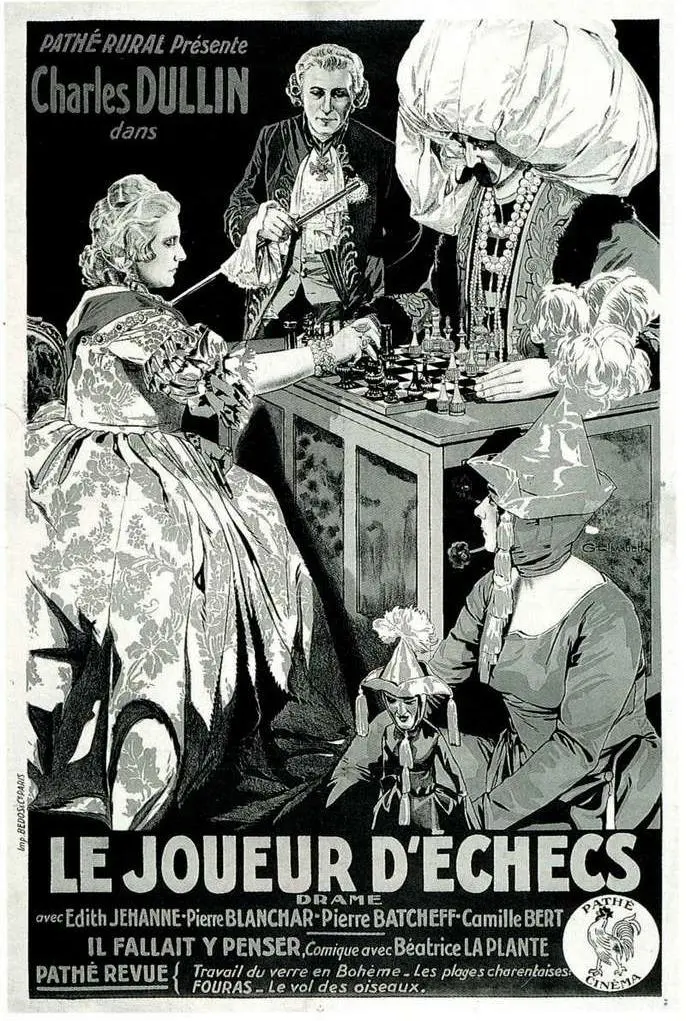
A definitive 7.1/10 rating for a film that redefined the boundaries of cult cinema. The Chess Player remains a cornerstone of transgressive art.
Is The Chess Player (1927) worth your time in the modern era? Short answer: Yes, but only if you are willing to trade the frantic pace of modern blockbusters for a rich, atmospheric descent into historical paranoia. This is a film for the patient cinephile who values world-building and technical ingenuity over quick cuts. It is certainly not for anyone who finds the deliberate silence of early cinema tedious or those looking for a lighthearted romp.
Yes. It is a monumental achievement of the late silent era that manages to feel both ancient and strangely prophetic. Under the direction of Raymond Bernard, the film transcends the simple 'man in a machine' trope to explore themes of national identity and the blurring lines between humanity and technology.
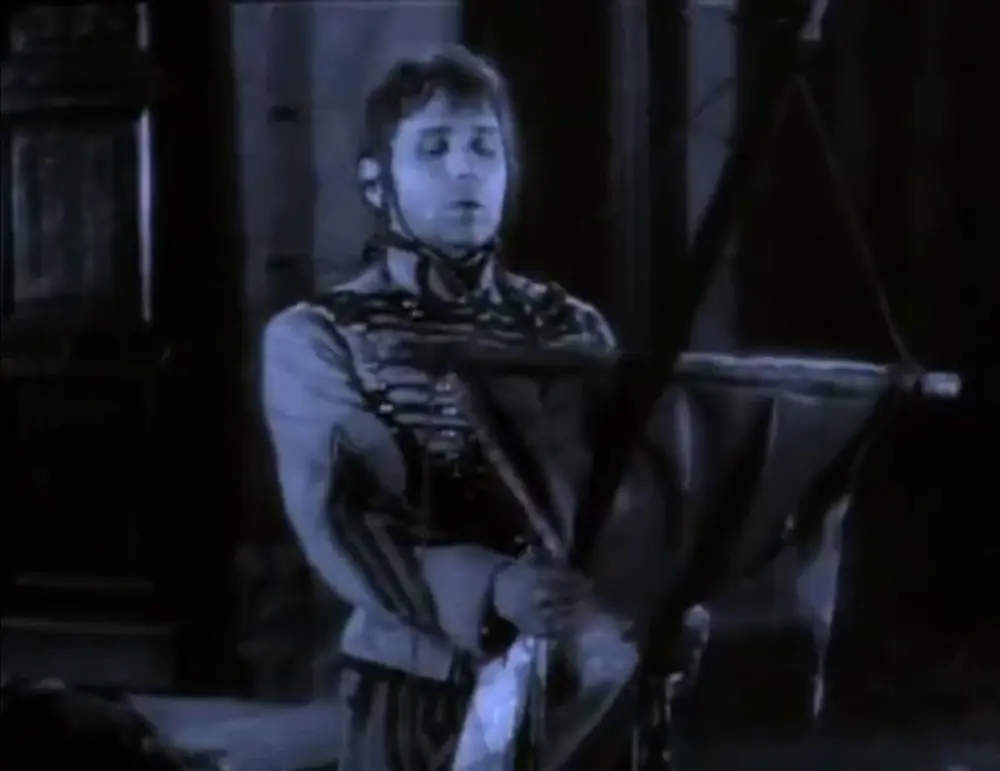
1) This film works because the 'Turk' automaton is one of the most effective uses of the uncanny valley in cinema history.
2) This film fails because the middle act lingers too long on courtly etiquette at the expense of the central tension.
3) You should watch it if you appreciate the grand-scale production design of the 1920s and want to see a thriller that relies on physical performance.
The heart of the film lies in the Baron von Kempelen’s workshop. Charles Dullin delivers a performance as the Baron that is nothing short of hypnotic. He doesn't just play an inventor; he plays a man possessed by his own creation. In one specific scene, the way Dullin oils the gears of the automaton feels more intimate and tender than any romantic interaction in the film. It’s unsettling. The machine itself, a recreation of the real-life 'Turk,' is a triumph of production design. Its jerky, non-human movements create a persistent sense of dread. You know there is a man inside, but the film makes you doubt your own eyes.
The direction by Raymond Bernard is surprisingly modern in its use of space. Unlike many films of the era that felt like filmed stage plays—such as The Mandan's Oath—Bernard uses deep focus to show the political machinations happening in the background while the automaton plays its game in the foreground. This visual depth keeps the viewer engaged even when the plot slows down. The camera doesn't just observe; it pries into the secrets of the court.

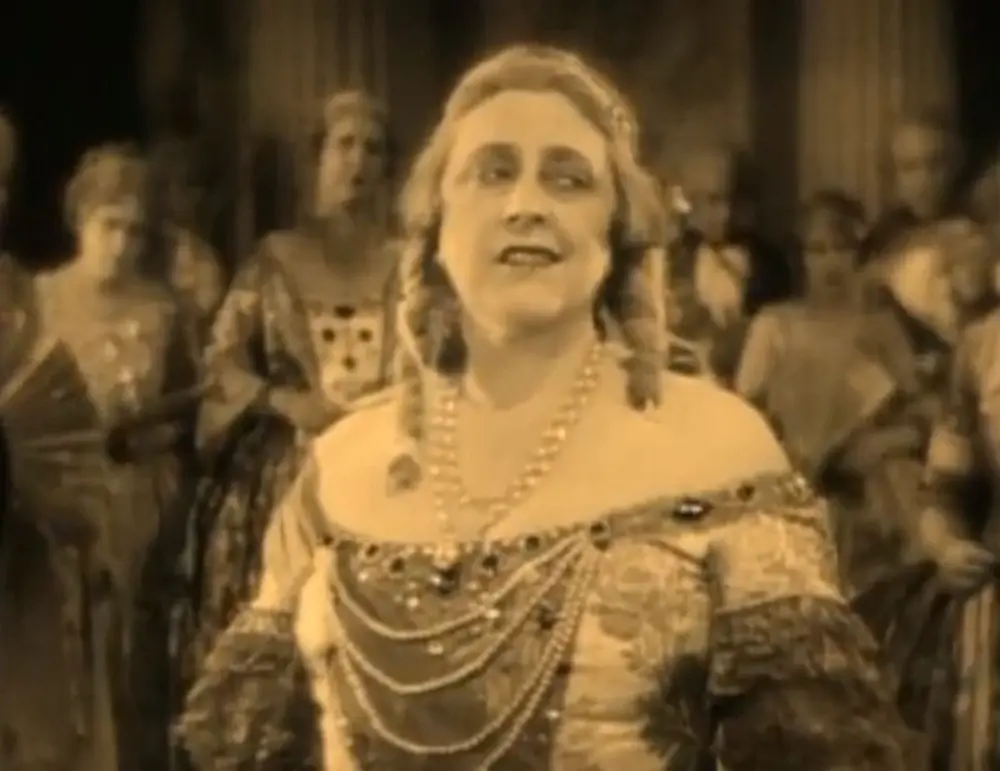
Pierre Blanchar, as the fugitive Boleslas Vorowski, has the unenviable task of acting while being confined. Much of his performance is restricted to his eyes and the subtle shifts in his posture. When the Empress Catherine, played with a chilling, calculated grace by Marcelle Charles Dullin, stands inches away from the machine, the tension is palpable. You can almost feel Vorowski’s breath catching. It is a masterclass in suspense that predates the modern thriller by decades.
Compare this to the more straightforward acting in The Demon Rider, and you see the leap in sophistication here. Blanchar isn't just playing a hero; he's playing a man losing his humanity to a wooden shell. The physical toll of the deception is etched into his face by the film’s climax. It’s a performance of endurance. It works. But it’s exhausting to watch in the best way possible.
The move from the humble workshop to the Russian court is a visual jolt. The cinematography captures the cold, oppressive grandeur of St. Petersburg with a clarity that rivals the best work of the era. The use of shadows in the palace hallways makes the environment feel like a labyrinth. In one standout moment, the camera pans across a line of soldiers, their uniforms as stiff and mechanical as the automaton itself. The metaphor is clear: everyone in the Empress's orbit is just another gear in her machine.
While films like Neal of the Navy leaned into adventure, The Chess Player leans into the psychological. The lighting during the final chess match is particularly noteworthy. The high-contrast shadows emphasize the artificiality of the 'Turk' while highlighting the very real fear in the eyes of the onlookers. It is a beautiful, terrifying sequence that justifies the film's nearly three-hour runtime.
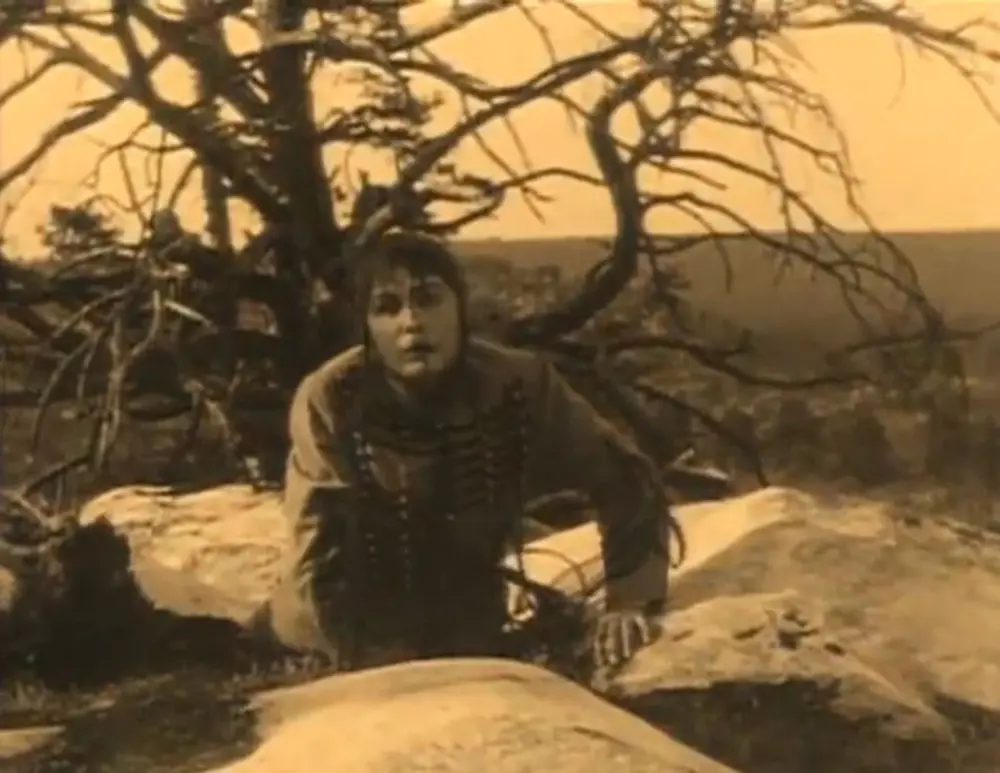
If there is a legitimate critique to be leveled, it is that the film is occasionally too enamored with its own scale. The political subplots involving the partition of Poland are necessary for context but can feel dry compared to the central conceit of the automaton. There are stretches where the film feels as though it is stalling, much like the characters in Rock Bottom. However, these lulls are always punctuated by a return to the uncanny presence of the machine.
The film’s tone is consistently somber. There is very little levity here, which might alienate viewers used to the occasional comic relief found in silent comedies like George the Winner. This is a tragedy in three acts, and it never lets you forget it. The score (if you are watching a restored version with the original Harsányi music) adds a layer of operatic doom that fits the visuals perfectly.
Pros:
The visual ambition is staggering. The final sequence involving the 'Turk' and the firing squad is one of the most haunting images in silent cinema. The acting is nuanced and avoids the 'theatrical' shouting often associated with the era. The sets are massive and feel lived-in, not like painted backdrops.
Cons:
The 160-minute runtime is a commitment that not every modern viewer will be willing to make. Some of the romantic subplots feel secondary and underdeveloped compared to the central tension between the Baron and the Empress. The political nuances of 1776 Poland may require a quick Wikipedia search for full appreciation.
The Chess Player is a titan of silent cinema. It is a film that understands the power of the image to convey complex psychological states. While it may lack the breezy accessibility of Miss Nobody or the pulp energy of Torchy's Frame-Up, it offers a depth of experience that those films do not attempt. It is a cold, beautiful, and ultimately tragic look at the cost of deception.
It is a rare film that manages to be both a technical showcase and a deeply human story. Despite its age, the 'Turk' still has the power to unsettle, and the film’s climax remains a gut-punch. If you consider yourself a student of cinema, this is mandatory viewing. It is not just a movie; it is a mechanical heart beating in a forgotten century. It is flawed, yes. But it is also magnificent.
IMDb 4.7
1931
Community
Log in to comment.