DbcultAccessing Vault...
5.4/10
Senior Film Conservator
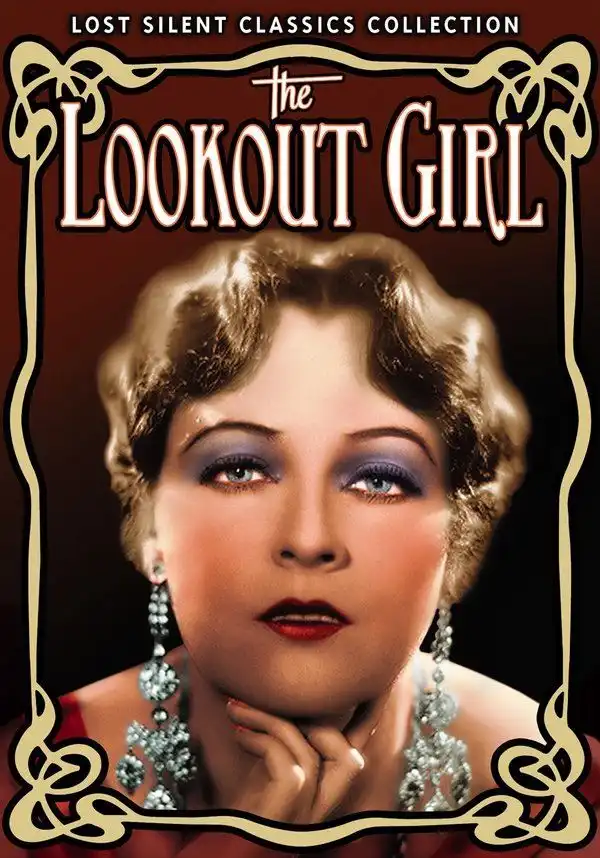
A definitive 5.4/10 rating for a film that redefined the boundaries of cult cinema. The Look Out Girl remains a cornerstone of transgressive art.
"The Look Out Girl," from way back in 1928, it’s a funny thing to watch now. It's a curiosity, mostly. If you’re really into old-school silent gangster dramas, the kind that feel like a stage play on film, you might find some quiet enjoyment here. But if you’re looking for fast thrills or anything deep in character, you’ll probably be checking your watch. This one is strictly for the silent film buffs. No doubt about it.
Geraldine Leslie plays the title character, a woman stuck as a lookout for the notorious Mowbray gang. Her performance, you know, it’s very much of its era. Lots of wide eyes and dramatic hand gestures to convey deep sadness or fear. Sometimes it works, sometimes it feels a bit… much. You can almost feel the director telling her to emote harder.
The Mowbray gang themselves are a pretty standard bunch for the period. Rough types, all shadows and menacing glares. There's this one scene where they're planning something, gathered around a table. It's dimly lit, and one guy keeps nervously fiddling with his hat brim. That little detail really stuck with me. It’s not a big moment, but it felt real. A little touch of human frailty in all the tough-guy posturing.
Her whole story is about trying to get away from them. She falls for a doctor, a respectable guy, played by Henry Hebert. You see these quick cuts showing her new, clean life – a nice house, polite society. It’s a pretty stark contrast to the grimy underworld. The film really wants you to feel her yearning for this escape. But you just know it won't be that simple. The past has a nasty habit of showing up uninvited. 🚪
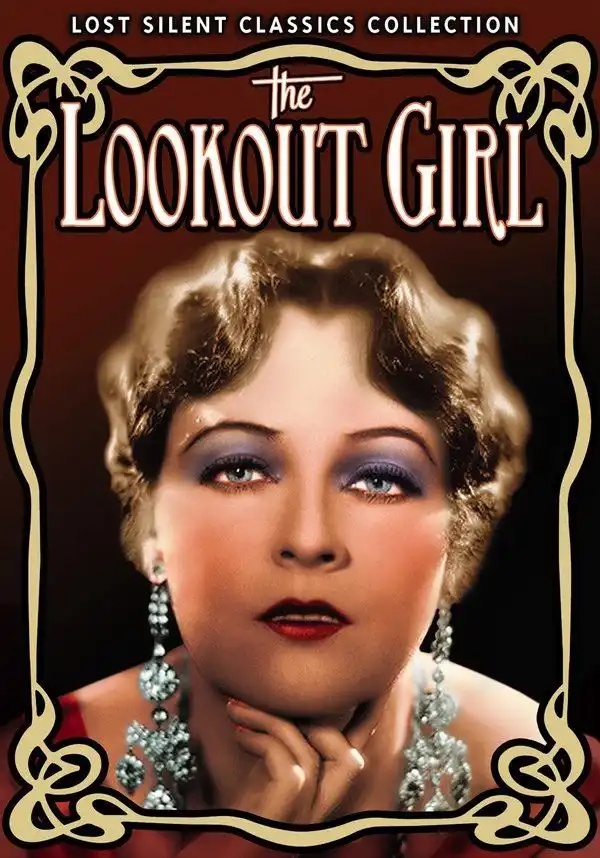
And, of course, it does. The Mowbrays track her down. There's this whole sequence where she's trying to hide, and the camera just lingers on her face, full of terror. The way the shadows play across her, it’s pretty effective. You really get that sense of dread, like a bad dream coming true. The lighting in these parts, when it works, is actually quite strong.
Then there are the action bits. They can be a bit… slow. There's a chase, I think it involves a car, but it’s more about the idea of a chase than any real speed. You can almost sense the filmmakers trying to make things exciting with limited technology. Like, "Look! A moving vehicle!" It's endearing in a way, but not exactly heart-pounding. 😅
Ian Keith, as one of the gang members, he’s got this fantastic sneer. It just sits on his face, a permanent expression of low-level menace. He doesn’t have a ton of lines, obviously, but every time he’s on screen, you know he’s bad news. It's just his presence. Some actors just have it, even in silent films.
The movie builds to this kind of frantic climax. There's a lot of running around, some close calls. It wants to be really dramatic, but it sort of… runs out of steam right before the finish line. The ending, without giving anything away, feels a little bit too neat, a little bit too convenient. Like the writers suddenly decided, "Okay, that's enough of that!" and tied it up quickly. It doesn't quite earn the big emotional release it’s aiming for.
Overall, it’s a fascinating look at early cinema, especially if you're into the origins of the crime genre. It’s got its moments, for sure. That close-up on Leslie’s face when she’s cornered, or Ian Keith’s ever-present scowl. But it’s definitely a product of its time. Not a hidden gem that will redefine your view of movies, but a decent enough way to spend an hour and a bit thinking about how far we've come. And how some stories, like escaping a bad past, are just timeless.
IMDb 6.5
1931
Community
Log in to comment.