DbcultAccessing Vault...
Cult Review
Senior Film Conservator
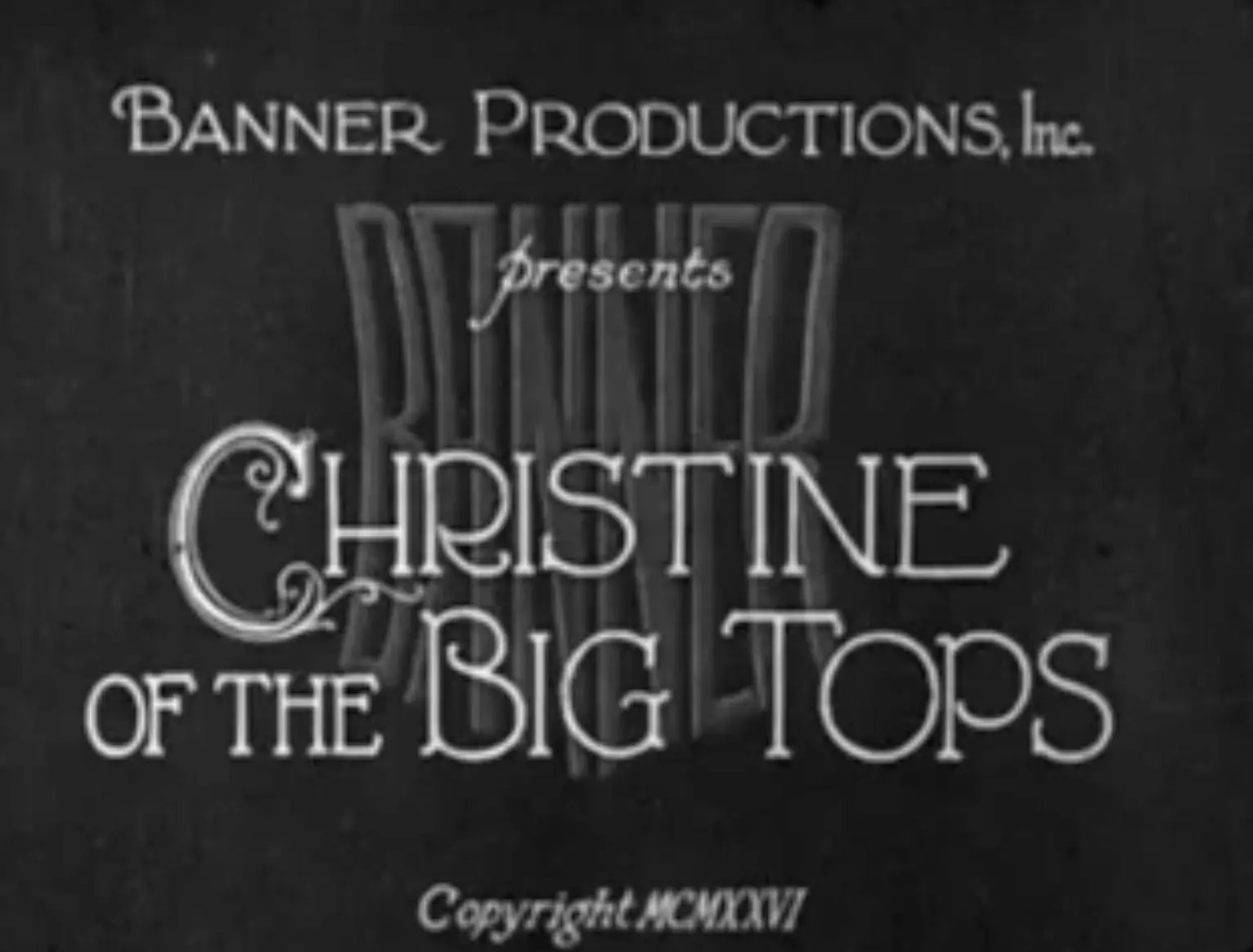
Should you seek out this nearly century-old circus drama today? Short answer: yes, but only if you appreciate the gritty, unpolished textures of silent-era melodrama over modern spectacle. This film is for the historian and the lover of character-driven tension; it is certainly not for those who demand high-octane action or contemporary pacing.
Christine of the Big Tops is a film that breathes through its atmosphere. While many circus films of the era focused on the wonder of the performance, this narrative, penned by Sonya Levien, focuses on the sweat and the ownership of the performers. It is a story about a girl who is treated as a communal asset before she is ever seen as a person.
1) This film works because it treats the circus as a claustrophobic social hierarchy rather than a playground.
2) This film fails because the romantic lead, Bob Hastings, is a cardboard cutout compared to the complexity of the villains.
3) You should watch it if you want to see how silent cinema handled themes of obsession and patriarchal control.
Yes, it is worth watching for its historical value and the performance of Pauline Garon. It provides a window into the 1920s obsession with the 'circus life' as a metaphor for freedom and danger. If you enjoy early character studies like The Dream Cheater, you will find enough depth here to justify the runtime. It is a slow burn that rewards patience.
The film opens with a tragedy that sets a somber tone for the rest of the narrative. The death of Christine’s parents is handled with a starkness that avoids the overly sentimental tropes of the time. This isn't a fairy tale about an orphan; it’s a story about a girl who becomes the property of her environment. The direction emphasizes the physical weight of the circus—the heavy canvas, the ropes, the constant movement.
Pauline Garon’s Christine is a revelation of subtle anxiety. In the scenes where she asks Pete Barman for permission to perform, her body language suggests a person who is constantly measuring the mood of her captors. It is a performance rooted in survival. Unlike the broader acting styles found in The Human Tornado, Garon keeps her emotions tightly coiled, which makes her eventual romance with Bob Hastings feel like a desperate gasp for air.
Pete Barman is the most fascinating element of the film. He is not a mustache-twirling villain, but something far more dangerous: a man who believes his love is a form of debt. Because he helped raise Christine, he feels entitled to her heart. This dynamic is portrayed with a surprising amount of psychological nuance for 1926. In one specific scene, Barman watches Christine from the shadows while she talks to Bob. The lighting here is stark, casting long, predatory shadows across the tent floor, visually articulating Barman’s internal rot.
The conflict between the 'protector' and the 'outsider' is a staple of the genre, seen in works like The Battle of Hearts, but here it feels more personal. The circus isn't just a setting; it’s a cage. When Bob Hastings enters the picture, he represents the medical, rational world outside the big top. However, the film struggles to make Bob as interesting as the circus folk. He is a catalyst for the plot, but he lacks the grit that makes the other characters feel real.
Technically, the film is a product of its time, but it utilizes its limited space effectively. The camera remains mostly static, yet the composition of the shots creates a sense of being trapped. There is a specific moment during a performance rehearsal where the camera looks up from the ground, making the circus heights look terrifying rather than majestic. It emphasizes the danger that took Christine’s parents and the danger she now embraces to please her guardians.
The pacing is deliberate. It doesn't rush to the romance. Instead, it spends a significant amount of time establishing the daily grind of circus life. This might bore some, but it adds a layer of realism. We see the mending of costumes, the feeding of animals, and the constant tension between the performers. It feels lived-in, much like the grounded atmosphere of The Lone Wagon.
Sonya Levien’s writing elevates what could have been a standard melodrama. She understands the power of the unspoken. The dialogue intertitles are sparse, allowing the actors' faces to carry the weight of the story. There is a maturity here that is often missing from contemporary silent films like She Loves Me, She Loves Me Not. Levien focuses on the internal cost of loyalty, which makes the climax feel earned rather than forced.
Pros:
Cons:
At its heart, Christine of the Big Tops is about the struggle for identity. Christine spends the first half of the film being who others need her to be. She is the orphan to Hagan, the prize to Barman, and the performer to the audience. Her journey toward Bob is not just a romantic choice; it is her first act of rebellion. It is a quiet rebellion, but in the context of the 1920s, it is a powerful one.
The film occasionally dips into the same moralizing found in The Moral Sinner, but it usually manages to stay focused on the characters. It is a film that respects its protagonist's inner life, even when the plot surrounding her is somewhat conventional.
Christine of the Big Tops is a fascinating, if somewhat uneven, artifact of the silent era. It works. But it’s flawed. The strength of its atmospheric direction and the central performance of Pauline Garon outweigh the lackluster romantic elements. It is a film that understands that the greatest dangers in the circus aren't on the high wire, but in the hearts of those standing on the ground. While it may not reach the heights of the era's greatest masterpieces, it remains a compelling look at the dark side of devotion. It is a solid, three-star drama that deserves a place in the conversation of early American independent cinema.
"A haunting reminder that under the big top, the most dangerous act is the one where you try to own another person's soul."
IMDb 6.9
1935
Community
Log in to comment.