DbcultAccessing Vault...
Cult Review
Senior Film Conservator
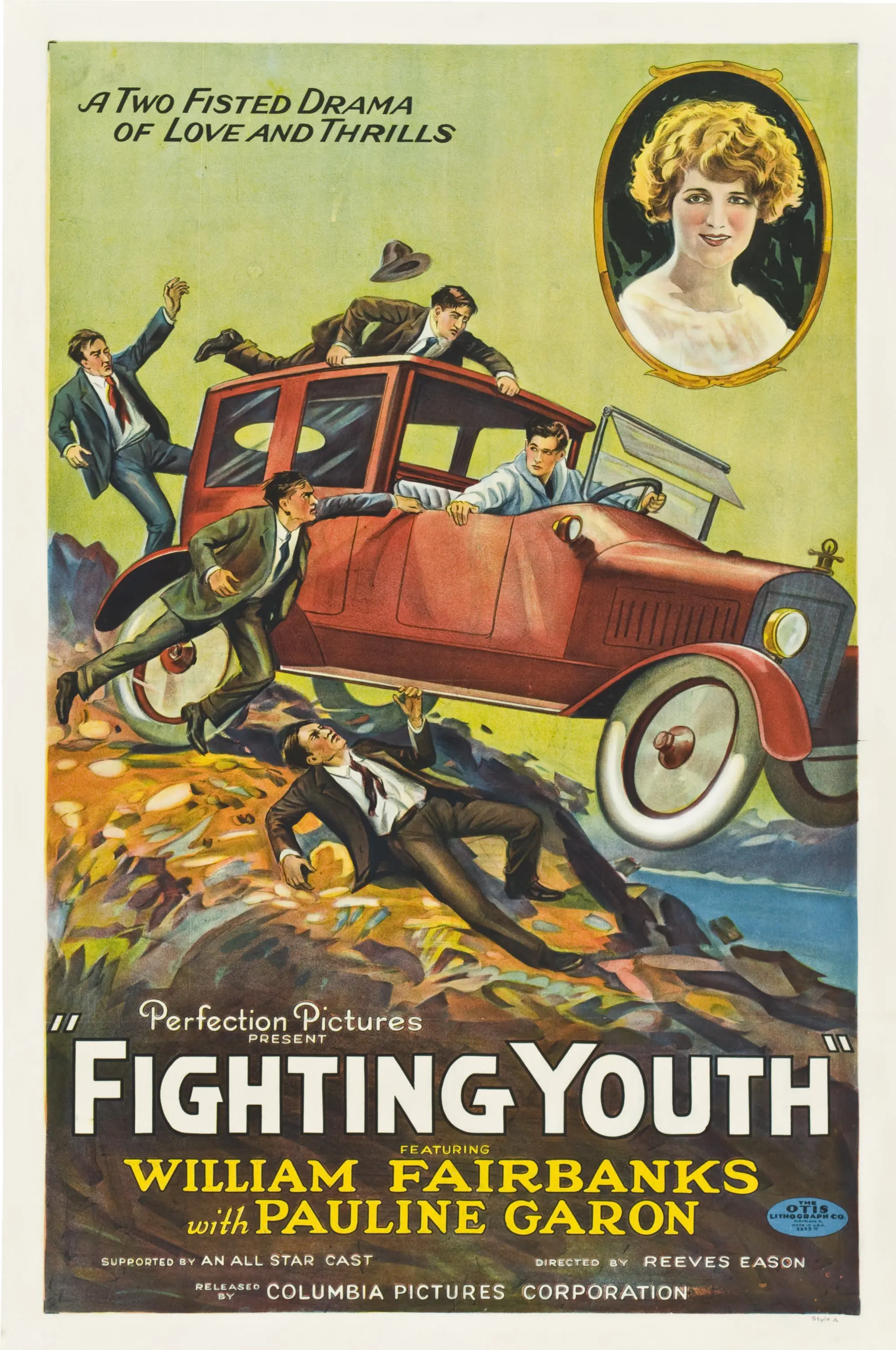
Fighting Youth
Directed by: Paul Archer, Dorothy Howell
Release Year: 1926
Set against the backdrop of early 20th-century America, 'Fighting Youth' is a film that masterfully intertwines the personal and the public, exploring the intricate dynamics of love, honor, and the consequences of one’s actions. Dick Covington, played with a blend of charisma and vulnerability by William Bailey, is a character whose life is inextricably linked to his fists. His reputation as a combatant precedes him, but it is his tumultuous relationship with Jean Manley that sets the stage for the film's central narrative.
From the outset, Dick's life is a patchwork of public scuffles and personal dilemmas. His fiancée, Jean, a woman of strong moral fiber, sees his violent tendencies as a clear and present danger to their relationship. Her decision to end their engagement is a pivotal moment, but it also serves as a catalyst for change. The film adeptly captures the complexity of human emotions, showing how a break in a personal bond can lead to a newfound purpose.
Judge Manley, played by George Periolat, offers Dick a way out by suggesting he participate in a charity bout to aid the milk fund. This opportunity presents a moral quandary for Dick, forcing him to consider the greater good over his own personal vendettas. The film’s tension escalates as Dick embarks on his training, culminating in a climactic fight where the stakes are higher than ever. The narrative is further enriched by the unexpected turn of events involving Mooney, Dick's opponent, and his connection to Jean's younger brother. This subplot adds layers of complexity to the already intricate plot, making the film a rich tapestry of human interaction and emotion.
The performances in 'Fighting Youth' are standout elements of the film. William Bailey delivers a nuanced portrayal of Dick Covington, capturing the character's inner turmoil and the gradual transformation he undergoes. Pauline Garon as Jean Manley brings a compelling blend of strength and vulnerability, making her character relatable and multidimensional. The supporting cast, including Frank Hagney and Pat Harmon, provides a solid foundation, contributing to the film's overall dynamism.
Filmed during a time when silent films were the norm, 'Fighting Youth' stands out for its technical prowess and the subtlety with which it conveys emotion through visuals and music. The use of stark contrasts between the public and private spheres of Dick's life enhances the film's thematic depth. The charity bout, for instance, is not just a physical contest but a symbolic battle for Dick's soul, reflecting the broader themes of morality and redemption.
Compared to other films of the era, 'Fighting Youth' offers a unique perspective on the intersection of personal and public life. While films like 'The Red Circle' and 'Sally of the Sawdust' may have had their own strengths, 'Fighting Youth' excels in its exploration of the human condition. The film's portrayal of Dick's journey from a combative young man to a figure of moral integrity is a testament to the power of storytelling in cinema. It challenges the viewer to ponder the nature of honor, the price of violence, and the enduring impact of love on our lives.
The film's legacy lies in its ability to resonate with audiences long after its initial release. Its themes of redemption, the cost of violence, and the importance of personal growth remain relevant in contemporary discussions. 'Fighting Youth' is not just a film about boxing; it is a profound exploration of the human spirit, its flaws, and its capacity for change. It serves as a reminder that even in the darkest of times, there is always a glimmer of hope for redemption.
In conclusion, 'Fighting Youth' is a cinematic masterpiece that deserves greater recognition. It is a film that not only entertains but also challenges and inspires. Its blend of action, drama, and introspection makes it a standout in the early 1920s film landscape. For anyone interested in the rich history of cinema, 'Fighting Youth' is a must-watch. It is a film that reminds us of the enduring power of storytelling and the timeless relevance of its themes.
IMDb 6.2
1932
Community
Log in to comment.