DbcultAccessing Vault...
6.1/10
Senior Film Conservator
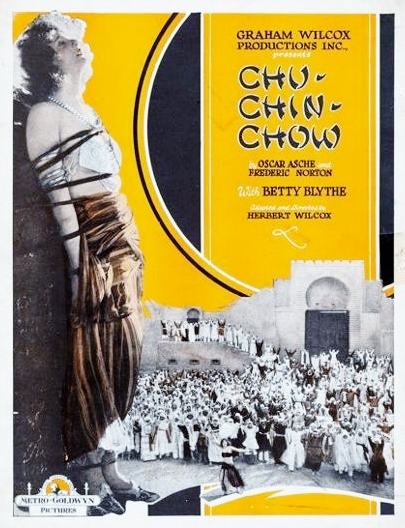
A definitive 6.1/10 rating for a film that redefined the boundaries of cult cinema. Chu-Chin-Chow remains a cornerstone of transgressive art.
The 1923 silent film Chu-Chin-Chow is a mesmerizing tale of adventure, romance, and deception, set against the vibrant backdrop of Baghdad. Directed by Herbert Wilcox and written by Oscar Asche, Herbert Wilcox, and Frederick Norton, this cinematic masterpiece boasts an impressive cast, including Betty Blythe, Herbert Langley, and Dora Levis, each delivering a compelling performance that brings depth and nuance to the narrative. As the story unfolds, the audience is transported to a world of exotic splendor, where the boundaries between good and evil are constantly blurred, and the stakes are always high.
One of the most striking aspects of Chu-Chin-Chow is its expertly crafted plot, which masterfully balances elements of suspense, action, and romance. The film's pacing is relentless, with each scene flowing seamlessly into the next, creating a sense of tension and urgency that keeps the viewer on the edge of their seat. The cinematography is equally impressive, with a keen attention to detail that brings the world of Baghdad to life in vivid, dark orange hues, evoking the warmth and vibrancy of the desert landscape.
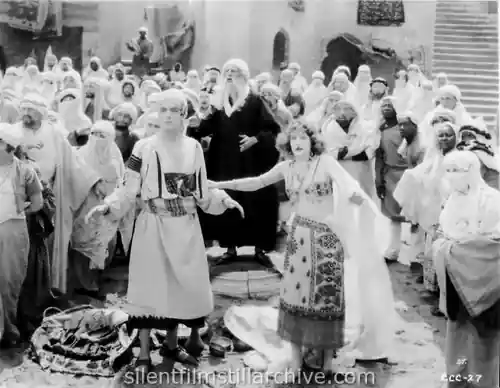
In comparison to other films of the era, such as Bawbs O' Blue Ridge and Poor Schmaltz, Chu-Chin-Chow stands out for its unique blend of Middle Eastern flair and classic silent film tropes. The film's use of title cards, for example, is particularly noteworthy, as they add a touch of elegance and sophistication to the narrative, while also providing crucial context and exposition. Furthermore, the film's exploration of themes such as identity, loyalty, and redemption is both thought-provoking and deeply resonant, inviting the viewer to reflect on the complexities of human nature.
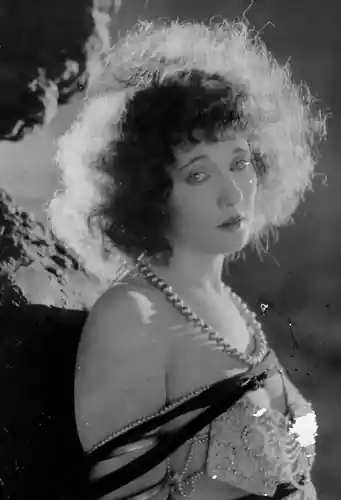
The cast of Chu-Chin-Chow is another major highlight of the film, with each actor bringing their own unique energy and charisma to their respective roles. Betty Blythe, in particular, shines as the film's heroine, delivering a performance that is both captivating and nuanced, with a depth and complexity that is rare in silent films. Her character's bravery and cunning serve as the emotional core of the narrative, and her interactions with the other characters are fraught with tension and drama, adding a rich layer of complexity to the story.
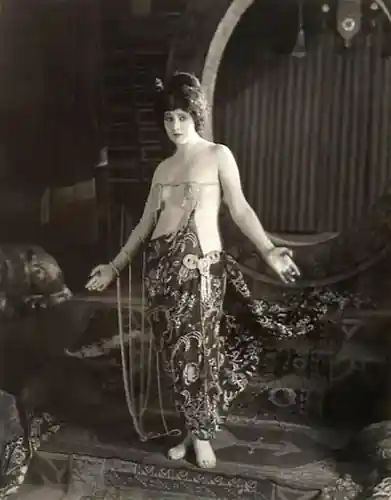
In terms of its historical context, Chu-Chin-Chow is a fascinating example of the cultural exchange and cross-pollination that occurred between East and West during the 1920s. The film's depiction of Middle Eastern culture, for example, is both respectful and nuanced, reflecting a genuine interest in and appreciation for the customs and traditions of the region. This is particularly evident in the film's use of dark orange and yellow hues, which evoke the vibrant colors and textures of Middle Eastern textiles and architecture.
The film's themes of identity, loyalty, and redemption are also noteworthy, as they reflect the universal human experiences that transcend cultural and geographical boundaries. The narrative's exploration of these themes is both thought-provoking and deeply resonant, inviting the viewer to reflect on the complexities of human nature and the ways in which we navigate the challenges and uncertainties of life. In comparison to other films that explore similar themes, such as Pesn lyubvi nedopetaya and Felix in Love, Chu-Chin-Chow stands out for its unique blend of action, suspense, and romance, which creates a captivating narrative that is both entertaining and thought-provoking.
In conclusion, Chu-Chin-Chow is a cinematic treasure that continues to captivate audiences with its timeless tale of heroism and wit. With its unique blend of action, suspense, and Middle Eastern flair, this film is a must-see for anyone interested in the art of silent cinema. The film's expertly crafted plot, impressive cinematography, and captivating performances all contribute to a narrative that is both engaging and thought-provoking, making Chu-Chin-Chow a true classic of the silent era, standing the test of time as a testament to the power and enduring appeal of cinema.
For fans of silent films, Chu-Chin-Chow is a rare gem that offers a unique glimpse into the art and culture of the 1920s. The film's historical context, cultural significance, and artistic merit all make it a fascinating example of the cinematic treasures that can be found in the silent era. Whether you're a seasoned film enthusiast or simply looking to explore the world of silent cinema, Chu-Chin-Chow is a must-see film that is sure to delight and captivate, leaving a lasting impression on all who experience it.
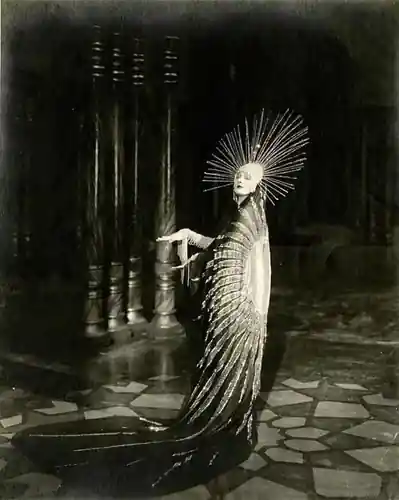
In addition to its artistic and historical significance, Chu-Chin-Chow also offers a fascinating glimpse into the social and cultural norms of the 1920s. The film's depiction of women, for example, is both progressive and nuanced, reflecting the changing roles and expectations of women during this period. The narrative's exploration of themes such as identity, loyalty, and redemption is also noteworthy, as it reflects the universal human experiences that transcend cultural and geographical boundaries. In comparison to other films that explore similar themes, such as The Sneak and Plunder, Chu-Chin-Chow stands out for its unique blend of action, suspense, and romance, which creates a captivating narrative that is both entertaining and thought-provoking.
The film's influence can also be seen in later films, such as For the Freedom of the East and Fast Company, which reflect the enduring appeal of Chu-Chin-Chow's unique blend of action, suspense, and romance. The film's use of dark orange and yellow hues, for example, has been influential in the development of film noir and other cinematic genres, adding a touch of elegance and sophistication to the narrative. Furthermore, the film's exploration of themes such as identity, loyalty, and redemption has been widely acclaimed, and continues to inspire filmmakers and audiences alike, standing the test of time as a testament to the power and enduring appeal of cinema.
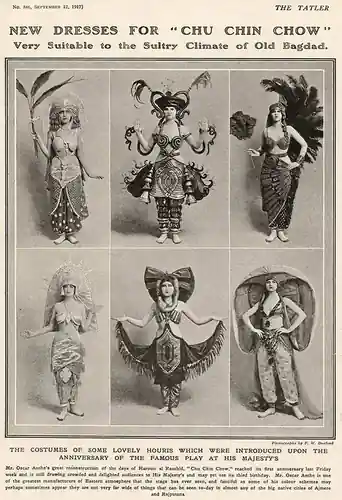
In terms of its place within the broader cinematic landscape, Chu-Chin-Chow is a significant film that reflects the artistic and cultural currents of the 1920s. The film's use of title cards, for example, is a notable aspect of its narrative, as it adds a touch of elegance and sophistication to the story, while also providing crucial context and exposition. The film's exploration of themes such as identity, loyalty, and redemption is also noteworthy, as it reflects the universal human experiences that transcend cultural and geographical boundaries. In comparison to other films that explore similar themes, such as The Painted World and The Marble Heart, Chu-Chin-Chow stands out for its unique blend of action, suspense, and romance, which creates a captivating narrative that is both entertaining and thought-provoking.
The film's legacy can also be seen in later films, such as Velvet Fingers and The Texas Kid, which reflect the enduring appeal of Chu-Chin-Chow's unique blend of action, suspense, and romance. The film's use of dark orange and yellow hues, for example, has been influential in the development of film noir and other cinematic genres, adding a touch of elegance and sophistication to the narrative. Furthermore, the film's exploration of themes such as identity, loyalty, and redemption has been widely acclaimed, and continues to inspire filmmakers and audiences alike, standing the test of time as a testament to the power and enduring appeal of cinema.
In conclusion, Chu-Chin-Chow is a cinematic treasure that continues to captivate audiences with its timeless tale of heroism and wit. With its unique blend of action, suspense, and Middle Eastern flair, this film is a must-see for anyone interested in the art of silent cinema. The film's expertly crafted plot, impressive cinematography, and captivating performances all contribute to a narrative that is both engaging and thought-provoking, making Chu-Chin-Chow a true classic of the silent era, standing the test of time as a testament to the power and enduring appeal of cinema. Whether you're a seasoned film enthusiast or simply looking to explore the world of silent cinema, Chu-Chin-Chow is a must-see film that is sure to delight and captivate, leaving a lasting impression on all who experience it.
For fans of silent films, Chu-Chin-Chow is a rare gem that offers a unique glimpse into the art and culture of the 1920s. The film's historical context, cultural significance, and artistic merit all make it a fascinating example of the cinematic treasures that can be found in the silent era. Whether you're interested in the history of cinema, the cultural significance of silent films, or simply looking to experience a classic tale of adventure and romance, Chu-Chin-Chow is a must-see film that is sure to delight and captivate, standing the test of time as a testament to the power and enduring appeal of cinema. Other notable films from this era include Vallfarten till Kevlaar, Nearly Married, and Graziella, each offering a unique perspective on the art and culture of the 1920s.

IMDb 6.6
1936
Community
Log in to comment.