DbcultAccessing Vault...
6.1/10
Senior Film Conservator
A definitive 6.1/10 rating for a film that redefined the boundaries of cult cinema. Billy Blazes, Esq. remains a cornerstone of transgressive art.
Billy Blazes, Esq. opens with a sweeping panorama of Peaceful Vale, a settlement whose name belies the simmering dread that permeates its streets. Crooked Charley, a gaunt figure with a perpetual sneer, has turned the town into his private fiefdom, employing a cadre of thugs whose loyalty is bought with fear and cheap whiskey. The townspeople, rendered as a chorus of muted silhouettes, shuffle under Charley’s oppressive gaze, their faces etched with resignation.
Enter Billy, portrayed by the indefatigable Snub Pollard, whose lanky frame and mischievous grin immediately signal a disruption in the status quo. Billy’s arrival is accompanied by a cacophony of slapstick sound effects—slipping on a stray banana peel, a sudden gust that whips his hat into the air—each beat a visual punctuation that heralds his intent to challenge the tyrant’s authority. The narrative’s momentum is propelled by a series of escalating encounters: a barroom brawl where Billy weaponizes a rolling barrel, a frantic chase across the town’s wooden boardwalk that culminates in a precarious tumble off a rickety pier, and a final showdown in the central square that reads like a choreographed ballet of chaos.
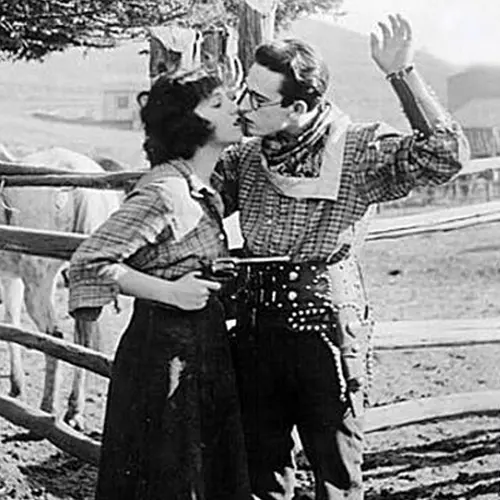
Snub Pollard’s performance is a masterclass in kinetic comedy. His physicality—elastic limbs, exaggerated facial contortions, and a timing that borders on telepathic—anchors the film’s comedic rhythm. Pollard’s interplay with supporting players such as Sammy Brooks (the nervous sidekick) and Max Hamburger (the burly enforcer) creates a dynamic tableau where each punchline lands with the precision of a seasoned vaudeville act.
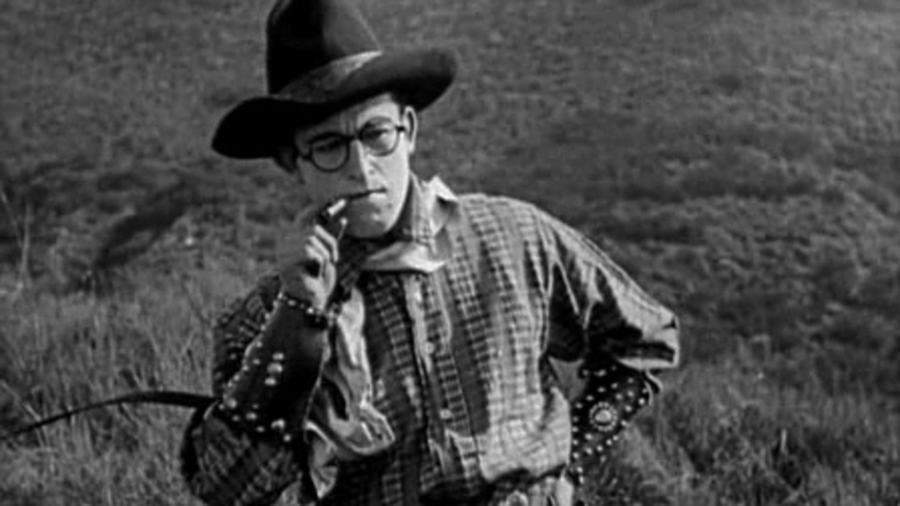
Bebe Daniels, appearing in a fleeting yet memorable cameo, injects a brief moment of romantic intrigue, her luminous screen presence contrasting sharply with the film’s otherwise gritty aesthetic. Harold Lloyd, though uncredited, makes a cameo that seasoned aficionados will recognize as a nod to the era’s interconnected comedy circuit. The ensemble, including Dee Lampton, Wally Howe, and Noah Young, each contributes a distinct flavor, ensuring that the film never lapses into monotony.
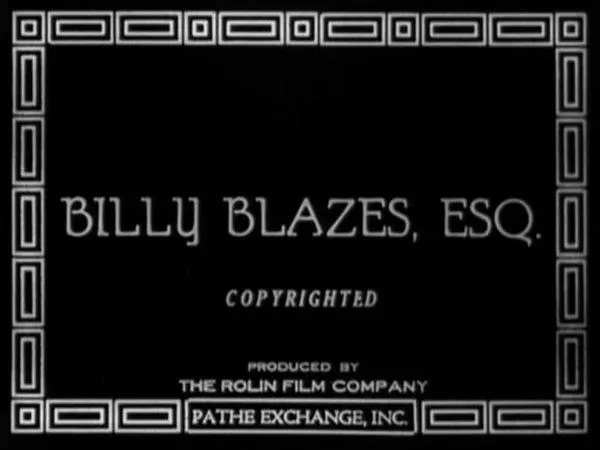
Hal Roach, operating both as producer and co‑writer alongside H.M. Walker, demonstrates a deft hand at balancing narrative propulsion with visual gags. The camera work—static long shots interspersed with rapid pans—captures the physical comedy without sacrificing spatial clarity. Roach’s use of intertitles is sparing yet effective; each line of dialogue is crisp, often employing wordplay that complements the on‑screen antics.
The film’s mise‑en‑scene employs a muted palette that, when juxtaposed against the black background of contemporary screenings, allows the occasional burst of color—most notably the crimson of Charley’s coat—to pop with theatrical flair. The set design of Peaceful Vale, though modest, is meticulously crafted; the central square’s wooden planks creak underfoot, adding an auditory texture that, while invisible in the silent medium, is implied through the actors’ exaggerated footwork.
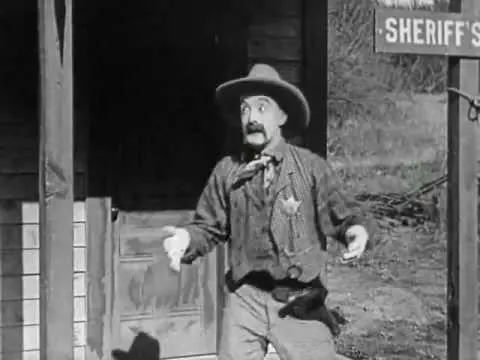
When placed beside contemporaneous works such as The Girl from Frisco or the darker melodrama Broken Blossoms, Billy Blazes, Esq. emerges as a study in tonal contrast. Whereas The Girl from Frisco leans into romantic melodrama, and Broken Blossoms delves into psychological horror, Billy Blazes revels in the pure, unadulterated joy of slapstick. Yet, like The Brand of Cowardice, it also carries an undercurrent of social commentary, critiquing the corrupting influence of unchecked power in a small community.
The film’s narrative architecture mirrors that of The Green‑Eyed Monster, wherein a singular antagonist’s hubris fuels the protagonist’s quest. However, where The Green‑Eyed Monster employs melodramatic tension, Billy Blazes substitutes tension with laughter, turning the very notion of villainy into a farcical construct.
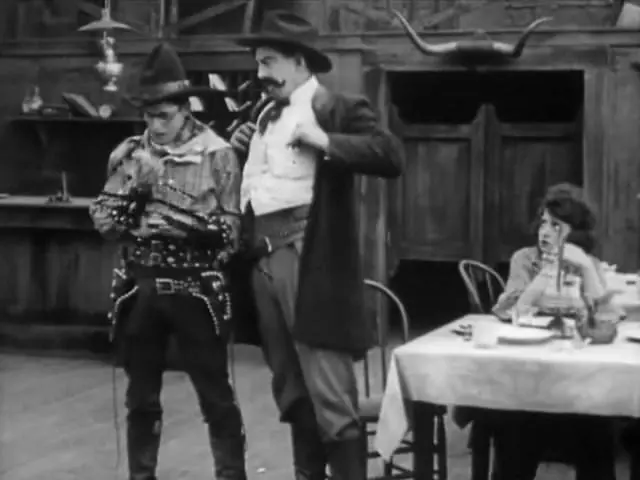
At its core, Billy Blazes, Esq. is a satire of authoritarianism cloaked in the garb of a comedy short. Charley’s reign of terror, though exaggerated, mirrors real‑world dynamics where fear is weaponized to maintain control. Billy’s method of subversion—leveraging humor as a weapon—suggests an early cinematic articulation of the adage that “laughter is the best medicine.” The film posits that ridicule can erode the foundations of tyranny, a theme that resonates across eras, from the silent age to contemporary political satire.
The final tableau, wherein Charley is reduced to ash—both literal and figurative—serves as a visual metaphor for the inevitable collapse of despotic structures when confronted by collective resolve, even if that resolve is embodied in a single, eccentric individual.
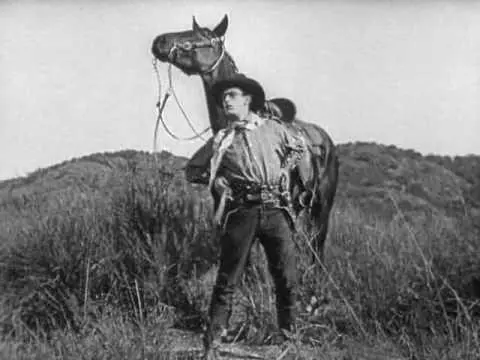
Although Billy Blazes, Esq. has not attained the iconic status of Chaplin’s City Lights or Keaton’s The General, its influence can be traced in the DNA of later slapstick enterprises, notably the pratfall‑laden escapades of the Marx Brothers and the physical comedy of modern action‑comedy hybrids. The film’s brisk pacing, reliance on visual humor, and subversive undercurrents anticipate the narrative strategies employed in contemporary streaming comedies.
In the realm of film preservation, the surviving prints of Billy Blazes, Esq. offer scholars a pristine example of Hal Roach’s early production values, showcasing his knack for extracting maximal narrative punch from minimal resources. The film’s restoration, undertaken by the National Film Preservation Board in 2019, has revitalized interest among silent‑film aficionados and prompted screenings at festivals dedicated to early American cinema.
Billy Blazes, Esq. stands as a testament to the enduring power of comedy to confront oppression. Its blend of deft physicality, sharp intertitles, and a narrative that champions the underdog ensures its relevance across generations. For those seeking a glimpse into the formative years of American slapstick, this film offers a rich, layered experience that rewards repeated viewings. Whether you are a seasoned cinephile or a casual viewer yearning for a hearty laugh, Billy Blazes, Esq. delivers a cinematic feast that is as intellectually satisfying as it is uproariously entertaining.
IMDb —
1913
Community
Log in to comment.