DbcultAccessing Vault...
Cult Review
Senior Film Conservator
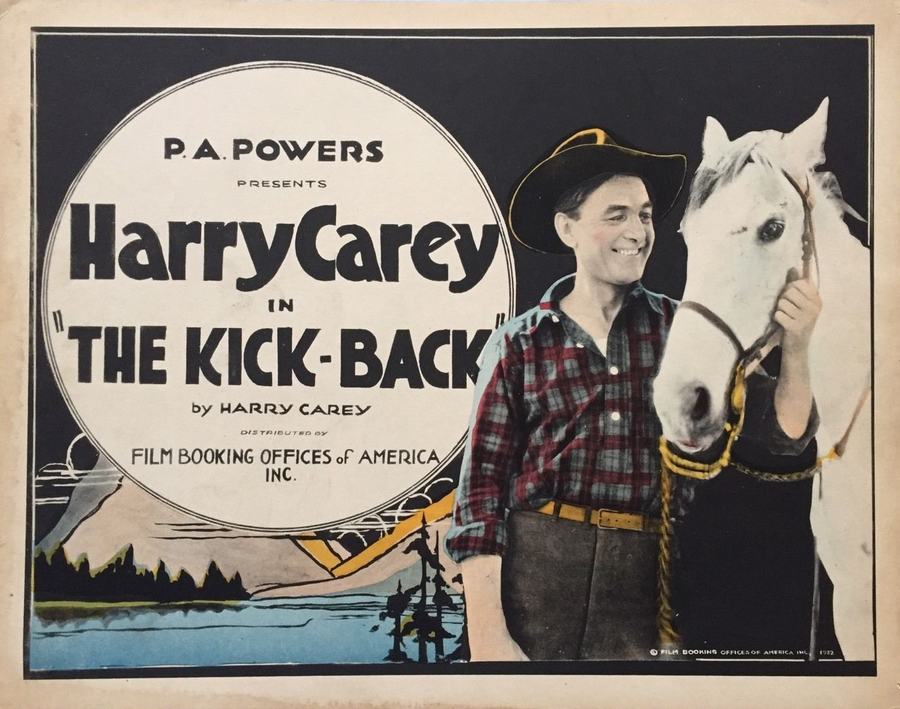
The year 1922 stood as a fascinating crossroads for American cinema, a period where the burgeoning art form was confidently shedding its nascent skin, embracing more complex narratives and refining its visual language. Amidst this exciting evolution, The Kickback emerges as a compelling artifact, a silent Western that, while perhaps overshadowed by some of its contemporaries, offers a potent distillation of frontier grit, individual resilience, and the enduring allure of justice in a lawless land. Directed by George Edwardes-Hall, this film, penned by Edwardes-Hall himself alongside the venerable Harry Carey, plunges viewers into a world where a man's reputation is as vital as his swiftness with a six-shooter, and where the boundaries of right and wrong are often blurred by the vast, unforgiving expanse of the West.
At its core, The Kickback is an odyssey of a rough rider, a man sculpted by the harsh realities of the open range, portrayed with understated intensity by Charles Le Moyne. This is not a character given to grand pronouncements; his story is etched in his weathered face, his determined stride, and the unspoken resolve in his eyes. He is a quintessential figure of the silent era Western—stoic, capable, and fundamentally decent, yet perpetually misunderstood. The narrative ignites when this solitary figure finds himself unjustly ensnared by the machinery of frontier law, thrown into the desolate confines of a jail cell. This pivotal moment, rather than signaling defeat, serves as the crucible from which his true adventure springs forth. It's a testament to the film's economical storytelling that this seemingly dire predicament becomes the launchpad for a thrilling quest for vindication, transforming a simple incarceration into a complex struggle against circumstance and deceit.
Charles Le Moyne’s portrayal of the unnamed rough rider is a masterclass in silent performance. Without the benefit of spoken dialogue, Le Moyne conveys a profound inner life, a coiled strength that simmers beneath a deceptively calm exterior. His expressions, subtle yet potent, articulate frustration, determination, and a quiet sense of honor. We witness his character's journey not just through action, but through the nuanced shifts in his gaze, the set of his jaw, and the weary slump of his shoulders when confronted with injustice. It’s a performance that anchors the film, imbuing the rough rider with a gravitas that elevates him beyond a mere archetype. He's a man of action, yes, but also a man of deep, unspoken conviction, a characteristic essential for a protagonist in a genre that often celebrated brute force over introspection. His physical prowess is undeniable, but it's his spiritual resilience that truly captivates, making his fight for freedom and justice deeply resonant.
The supporting ensemble cast provides crucial texture to this frontier drama. Ethel Grey Terry, a prominent actress of the period, embodies the film's feminine grace and moral compass. Her character, likely a virtuous rancher's daughter or a sympathetic townsfolk, serves as a beacon of hope and belief in our protagonist's innocence. Her presence introduces an emotional depth, a human connection that grounds the rough rider's solitary struggle. Then there is the inimitable Harry Carey, a titan of early Westerns, who not only co-wrote the film but also graces the screen with his distinctive presence. Carey's roles often brought a nuanced blend of toughness and weary wisdom, and in The Kickback, he likely injects a layer of authentic frontier experience, perhaps as a grizzled ally, a conflicted lawman, or even a morally ambiguous figure whose allegiances shift as the truth unfolds. His involvement, both behind and in front of the camera, speaks volumes about the film's commitment to capturing the spirit of the West.
Vester Pegg, Mignonne Golden, Henry B. Walthall, and James O'Neill fill out the roster, each contributing to the intricate web of deceit, loyalty, and conflict that drives the narrative. Walthall, known for his intense performances, could easily embody a ruthless antagonist, a corrupt official, or a cunning outlaw, providing a formidable foil to Le Moyne's steadfast hero. Pegg, often cast in villainous or supporting roles, would add to the sense of menace or the oppressive weight of the law. The interplay between these characters creates a dynamic tapestry, ensuring that the rough rider’s journey is fraught with both external dangers and the internal struggle of discerning friend from foe in a world where appearances can be deceiving. This rich character work, a hallmark of well-crafted silent cinema, ensures that the audience is not just observing a series of events, but investing emotionally in the fates of these individuals.
The plot, while seemingly straightforward in its initial premise of incarceration and escape, quickly escalates into a gripping adventure. The rough rider’s breakout from jail is not a simple dash for freedom; it is a meticulously planned and daring maneuver, underscoring his resourcefulness and indomitable will. Once free, he embarks on a relentless pursuit of the true perpetrators of the crime he was framed for, a quest that takes him across rugged landscapes, through bustling frontier towns, and into dangerous hideouts. This journey is punctuated by thrilling action sequences—horse chases, saloon brawls, and tense standoffs—all executed with the raw energy characteristic of silent Westerns. These sequences, devoid of sound, rely entirely on the actors' physicality, the editor's rhythm, and the cinematographer's eye to convey excitement and peril, a testament to the ingenuity of early filmmaking.
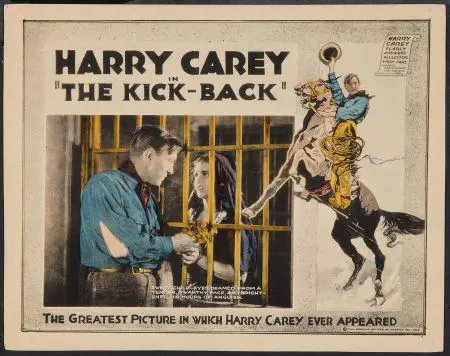
Thematically, The Kickback delves into classic Western motifs: the fight for justice against insurmountable odds, the yearning for freedom, and the inherent conflict between civilization and the untamed wilderness. It explores the idea that true honor resides not in adherence to rigid laws, but in the moral fiber of an individual. The rough rider’s journey is one of redemption, not just in the eyes of the law, but in the eyes of the community and, most importantly, himself. This struggle against an unfair system, a common trope in the genre, finds a particularly poignant expression here, resonating with audiences who appreciate a narrative where the underdog triumphs through sheer force of will and a commitment to truth. The film subtly critiques the often-arbitrary nature of frontier justice, where circumstantial evidence could condemn an innocent man, and emphasizes the personal responsibility required to set things right.
George Edwardes-Hall’s direction is marked by a pragmatic efficiency, typical of the era, yet he manages to infuse the proceedings with a palpable sense of urgency and atmosphere. The cinematography, while perhaps not groundbreaking, effectively captures the sweeping vistas of the Western landscape, contrasting the expansive freedom of the plains with the claustrophobic confines of the jail. The use of intertitles is judicious, providing necessary exposition without interrupting the flow of visual storytelling. Edwardes-Hall understands the power of visual metaphors—the open sky representing liberty, the bars of a cell symbolizing oppression. The pacing is brisk, propelling the narrative forward with an almost relentless momentum, ensuring that the audience remains fully engaged in the rough rider’s desperate struggle. This directorial approach, coupled with the compelling performances, solidifies The Kickback as a robust example of early genre filmmaking.
Comparing The Kickback to other films of its time reveals both its conventional strengths and subtle distinctions. While it shares thematic DNA with other silent Westerns like Salomy Jane, particularly in its portrayal of a rugged individual navigating a challenging frontier, The Kickback distinguishes itself through its focus on the protagonist's initial wrongful imprisonment. This setup lends a unique flavor of wrongful accusation and a more explicit quest for vindication, rather than simply a tale of romance or revenge. The narrative drive of clearing one's name echoes in spirit with films exploring personal integrity, though perhaps in different settings, such as the dramatic intensity found in The Lie or the complexities of reputation in Saving the Family Name, even if those are not Westerns. The meticulous plotting required for the escape and subsequent investigation showcases a narrative sophistication that was becoming increasingly prevalent in 1920s cinema.
Furthermore, the collaborative writing effort between George Edwardes-Hall and Harry Carey is noteworthy. Carey, a seasoned Western actor, brought an invaluable authenticity to the screenplay, understanding the nuances of character and action within the genre. His contributions likely ensured that the rough rider's motivations and challenges felt genuine, rooted in the lived experience of the frontier. This blending of directorial vision with an actor's intimate knowledge of the material often yields richer, more believable narratives. The film's emphasis on action and clear-cut good-versus-evil dynamics, while common for the era, is executed with a crispness that keeps the audience invested in the outcome. It's a testament to the power of well-defined archetypes and a straightforward, yet engaging, plot.
In the broader context of 1922 cinema, a year that also saw the release of diverse offerings like the star-studded The WAMPAS Baby Stars of 1922 (a collection of shorts showcasing new talent) or more dramatic fare such as The Woman He Married, The Kickback stands as a solid example of genre filmmaking done right. It doesn't aim for the epic scope of some later Westerns, nor does it delve into the psychological complexities of films like Half an Hour. Instead, it offers a focused, thrilling adventure that celebrates the enduring appeal of the individual against the system, a theme universally understood regardless of the setting. Its effectiveness lies in its adherence to foundational storytelling principles, executed with the unique characteristics of silent film.
The legacy of The Kickback, while perhaps not as widely discussed as some of its more famous contemporaries, is significant for what it represents: a robust, engaging piece of early Western cinema. It showcases the talents of actors like Charles Le Moyne and Ethel Grey Terry, and highlights the creative input of industry stalwarts like Harry Carey. For enthusiasts of silent films and the Western genre, it offers a captivating glimpse into a formative period of cinematic history, a time when stories were told through powerful visuals and emotive performances. It reminds us that even without spoken words, the universal themes of justice, freedom, and the indomitable human spirit can resonate with profound clarity. Its raw energy and unwavering commitment to its narrative make it a compelling watch, proving that a well-told story, regardless of its vintage, always finds its mark.
Ultimately, The Kickback is more than just a historical curiosity; it is a vibrant, pulse-pounding adventure that holds up remarkably well. Its simple yet effective plot, coupled with strong performances and solid direction, creates a timeless narrative of a man fighting for his name and his freedom. It’s a powerful reminder of the foundational strengths of early American cinema, a testament to the filmmakers who crafted compelling stories with the tools they had, laying the groundwork for the rich cinematic tapestry we enjoy today. To watch The Kickback is to step back into a formative era of moviemaking, experiencing the unvarnished excitement of the frontier through the expressive artistry of the silent screen. It's a film that earns its place in the annals of Western history, offering a satisfying blend of thrills, drama, and a timeless message of resilience.
IMDb —
1928
Community
Log in to comment.