DbcultAccessing Vault...
6.6/10
Senior Film Conservator
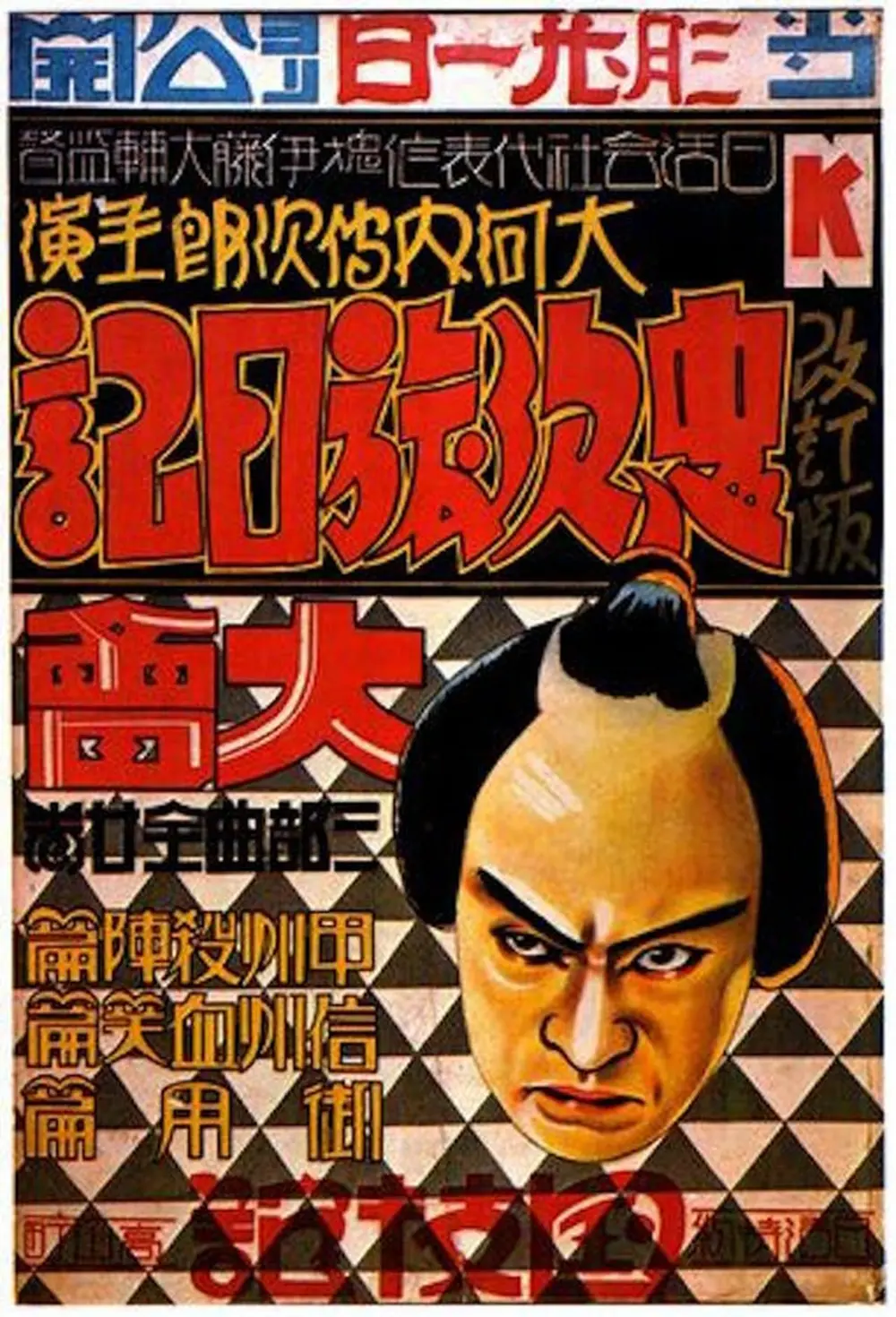
A definitive 6.6/10 rating for a film that redefined the boundaries of cult cinema. Chuji's Travel Diary part 2 remains a cornerstone of transgressive art.
Is Chuji's Travel Diary part 2 worth watching today? Short answer: yes, but with significant caveats and a specific audience in mind. This isn't a film for casual viewing; it's a profound, if sometimes arduous, journey into the heart of early Japanese cinema and a pivotal moment in the jidaigeki genre.
This film is an essential watch for devotees of classic Japanese cinema, film historians, and those with a deep appreciation for groundbreaking directorial vision, even when presented through the lens of early 20th-century filmmaking limitations. However, it is unequivocally not for viewers seeking modern pacing, high-fidelity visuals, or easily digestible narratives.
Daisuke Itô's Chuji's Travel Diary part 2, known as 'Shinshu Blood Laughter,' stands as a fascinating, if imperfect, testament to cinematic ambition from an era long past. Released as the second installment in a trilogy, it delves deeper into the life of Kunisada Chuji, a wandering bakuto whose kindly nature perpetually pits him against the harsh realities of Edo-era Japan.
The film's core narrative — Chuji's attempt to save the geisha Oshina — is a direct challenge to the rigid social structures of the time, making it far more than a simple period drama. It's a commentary, a rebellion, and a showcase of early cinematic storytelling prowess.
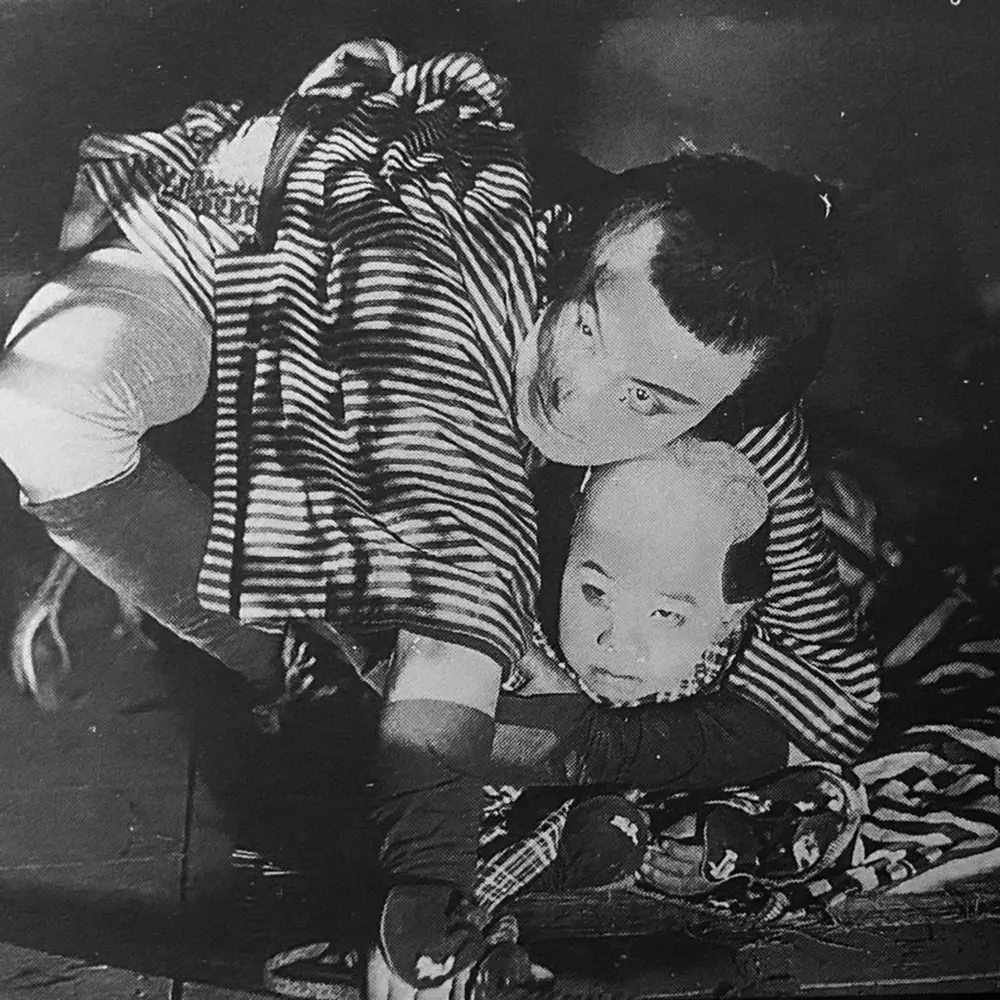
Daisuke Itô is a name that should resonate with anyone exploring the foundations of Japanese cinema. Often overshadowed by later giants, his work, particularly the Chuji trilogy, represents a crucial evolutionary step in the jidaigeki genre. He wasn't just telling stories; he was defining the visual language through which those stories could be told, pushing boundaries in an era where film was still finding its voice.
In Chuji's Travel Diary part 2, Itô's directorial signature is unmistakable. He eschews the theatricality common in many films of the period, opting instead for a more grounded, almost documentary-like approach to his characters and their world. This choice lends the film a raw authenticity that, even today, feels strikingly modern in its intent, if not always in its execution.
His use of dynamic camera movements, particularly during the film's sparse but impactful action sequences, was revolutionary. Rather than static shots typical of the era, Itô brought the camera into the fray, creating a visceral sense of participation. This was a bold move, anticipating techniques that would become commonplace decades later in the works of directors like Akira Kurosawa.
For those who appreciate the historical context and artistic ambition, the film offers a challenging but rewarding experience. It works. But it’s flawed.
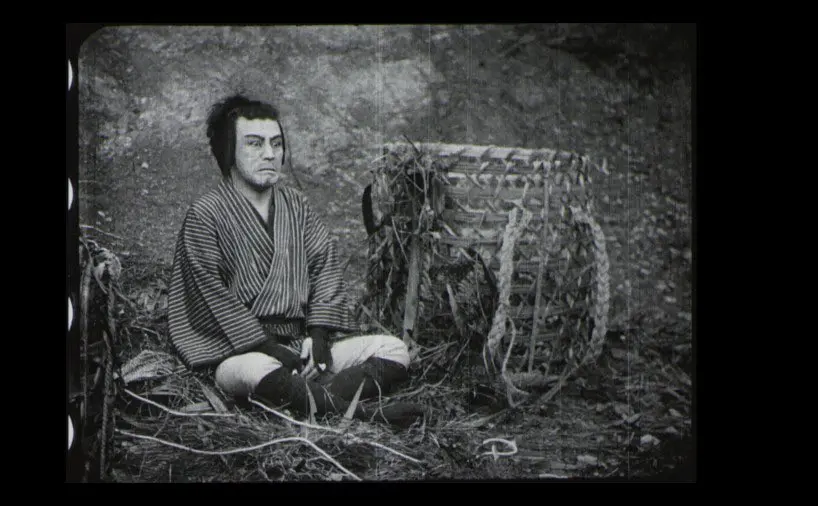
This film works because of its unflinching portrayal of societal injustice and its pioneering directorial vision. Itô's ability to imbue a seemingly simple rescue mission with such profound social commentary is remarkable.
This film fails because its pacing can feel glacial by contemporary standards, and some narrative threads, while conceptually rich, suffer from the constraints of early filmmaking techniques and perhaps, the lost context of a full trilogy that is not always readily available in its entirety.
You should watch it if you are a cinephile keen to witness the birth of modern cinematic techniques and appreciate narratives that challenge societal norms, even if they demand considerable patience and an open mind.
At the heart of Chuji's Travel Diary part 2 is Haruo Okazaki's portrayal of Kunisada Chuji. Okazaki delivers a performance that is less about grand gestures and more about internal struggle. His Chuji is a man burdened by an innate moral compass in a world that consistently rewards ruthlessness.
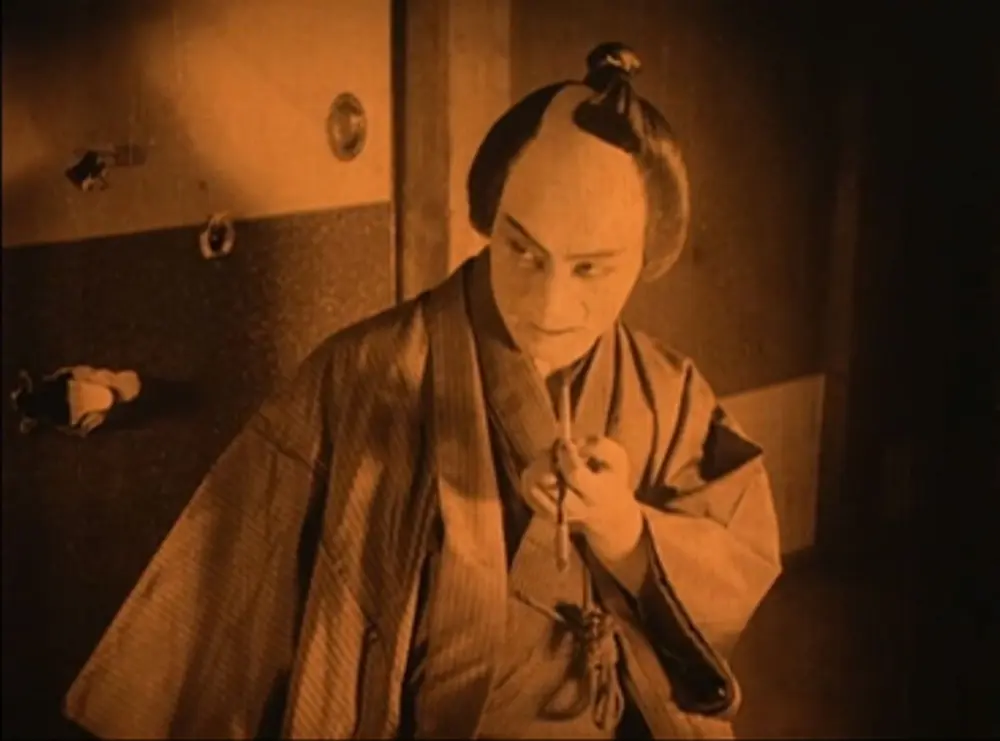
The 'kindly bakuto' is a fascinating contradiction, and Okazaki embodies this with a subtle intensity. His eyes often convey more than dialogue ever could, reflecting the weariness of a man constantly fighting against the tide. He's not a boisterous hero; he's a reluctant one, driven by a quiet sense of justice.
Consider the scenes where Chuji observes Oshina's plight. Okazaki doesn't overplay the drama. Instead, he projects a simmering indignation, a resolve that slowly hardens beneath a veneer of stoicism. This nuanced acting was quite progressive for its time, moving beyond the more exaggerated styles prevalent in early cinema.
The supporting cast, while less developed, serves to flesh out the rigid social landscape that Chuji rebels against. Characters like the oppressive figures holding Oshina captive are archetypal, but their very existence underscores the systemic nature of the struggle. Their performances, though sometimes broad, effectively establish the stakes.
The cinematography in Chuji's Travel Diary part 2 is a masterclass in making the most of limited technology. Itô, working with the tools of the era, crafts compelling visual narratives. While the film naturally lacks the crispness of modern productions, its black and white palette is utilized to great effect, creating stark contrasts and atmospheric depth.
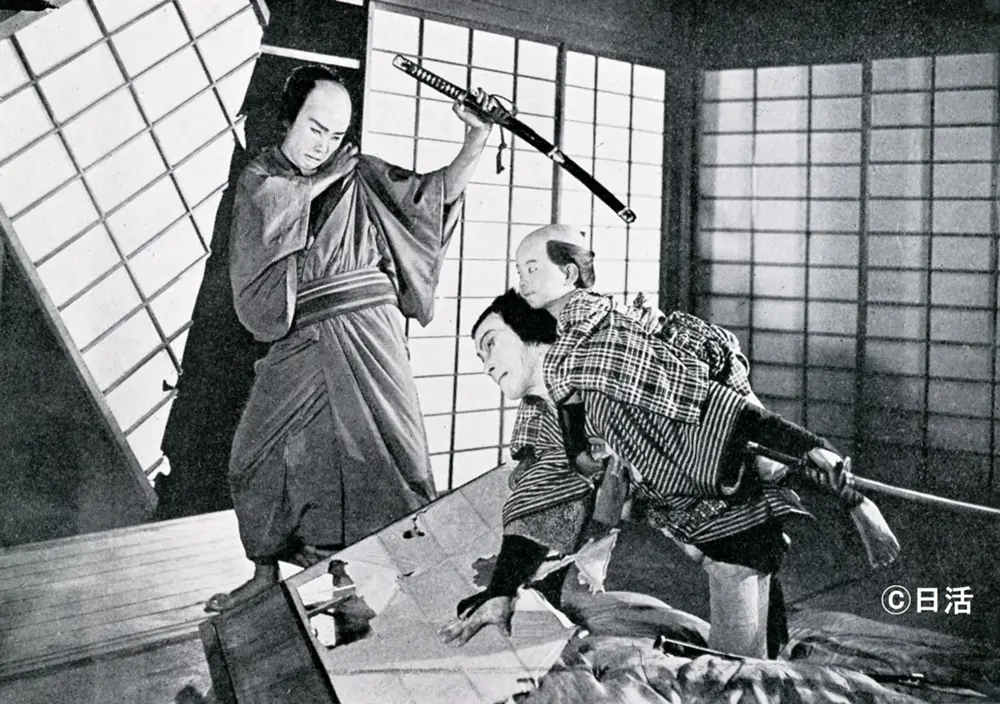
There are moments of striking visual poetry, such as wide shots of Chuji traversing desolate landscapes, which not only emphasize his solitary journey but also visually articulate his position as an outsider challenging the established order. These shots are not merely scenic; they are thematic, reinforcing the vastness of the system he seeks to defy.
The title 'Shinshu Blood Laughter' implies a certain grimness, and the visuals deliver on this. The film often employs chiaroscuro lighting to create a sense of foreboding, particularly in interior scenes or during confrontations. This aesthetic choice deepens the tone, suggesting that violence and desperation are never far from the surface.
Compared to more conventional films of the period, such as A Daughter of the Law, Itô’s visual grammar feels more dynamic and less stage-bound. He understood the power of the moving image to transcend theatrical limitations, pushing the medium towards its cinematic potential.
The pacing of Chuji's Travel Diary part 2 is arguably its most divisive element. This is a film that takes its time, allowing scenes to unfold with a deliberate, almost meditative rhythm. For contemporary audiences accustomed to rapid-fire editing, this can be a significant hurdle. However, this slow burn is not without purpose.
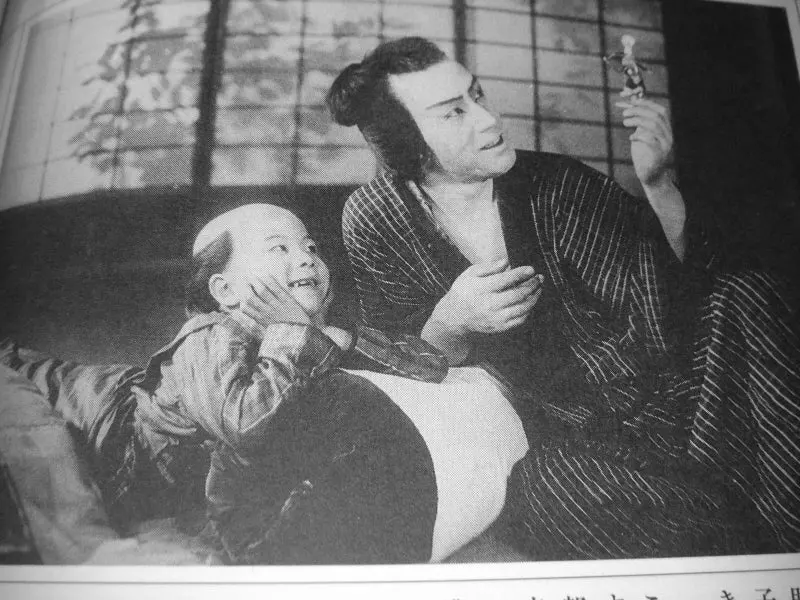
Itô uses extended takes and measured progression to build atmosphere and character depth. This allows the viewer to truly inhabit Chuji's world, to feel the weight of his decisions and the oppressive nature of his environment. The quiet moments are just as important as the dramatic ones, fostering a sense of immersion that might be lost with quicker cuts.
Yet, when the action does erupt, it does so with startling intensity. The 'Blood Laughter' of the title isn't a literal cackle, but the grim, almost cynical acceptance of violence as the only true constant in a rigid world. These sudden bursts of conflict are often brutal and unflinching, serving as sharp contrasts to the film's more contemplative stretches.
The tone is consistently melancholic, tinged with a sense of fatalism. Despite Chuji's noble intentions, there's an underlying current that suggests individual heroism might be futile against the monolithic power of societal structure. This pervasive sense of quiet desperation is a powerful, if somber, emotional through-line.
"Chuji's Travel Diary part 2" is less a narrative to be passively consumed and more a historical document of cinematic ambition, a raw, unfiltered glimpse into a bygone era of filmmaking and societal critique. Its true value lies in its influence and its daring.
Absolutely, but with a clear understanding of what you're getting into. Chuji's Travel Diary part 2 is not entertainment in the modern sense; it's an experience in cinematic archaeology. You're not just watching a story; you're observing a critical piece of film history being made.
For those interested in the evolution of jidaigeki, the development of film language, or simply a powerful story of defiance, this film is indispensable. It demands patience and an appreciation for the era's technical limitations, but it rewards those who commit with a glimpse into a revolutionary artistic mind. It stands as a testament to the fact that compelling storytelling and innovative direction existed long before advanced technology.
Chuji's Travel Diary part 2 is not merely a film; it is a vital document of cinematic evolution and a potent social critique. Daisuke Itô's vision, brought to life by Haruo Okazaki's understated performance, offers a challenging yet ultimately rewarding experience for those willing to meet it on its own terms. It's a film that demands an active, engaged viewer, one prepared to overlook the technical limitations of its era to appreciate the sheer artistry and audacity on display.
While its slow pace and dated aesthetics will undoubtedly deter many, its historical significance, thematic depth, and pioneering directorial techniques make it an indispensable piece for anyone serious about understanding the roots of Japanese cinema. It's a testament to the power of film to challenge, provoke, and innovate, even in its nascent stages. A challenging watch, yes, but one that undeniably leaves a lasting impression on those who truly appreciate the art form.

IMDb 5.9
1931
Community
Log in to comment.