DbcultAccessing Vault...
Cult Review
Senior Film Conservator
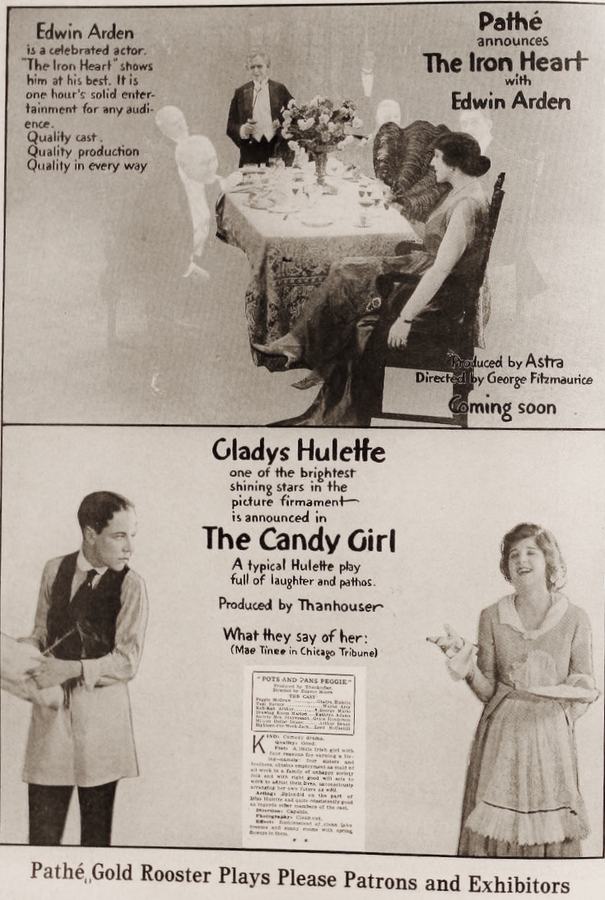
Stepping back into the nascent days of cinema, a period often dismissed as quaint or merely a precursor, one unearths treasures like The Iron Heart. This film, a stark and compelling drama from an era where visual storytelling reigned supreme, delves into the very core of human ambition, the corrupting influence of power, and the arduous path to redemption. It's a narrative that, despite its vintage, resonates with an almost unsettling contemporary relevance, exploring themes that continue to plague and define the human condition: avarice, familial discord, and the relentless pursuit of social standing. The film offers a fascinating window into the industrial landscape and societal structures of its time, presenting a powerful, albeit often bleak, reflection of early 20th-century American life.
At the epicenter of this tumultuous tale is Stephen Martin, portrayed with a formidable, unyielding presence. Martin is not merely a businessman; he is an embodiment of the industrial age itself, a titan whose will is as unyielding as the iron he forges. His factory is an extension of his own formidable ego, a kingdom where he rules with absolute, unquestioned authority. His heart, it is explicitly stated, is made of iron, a metaphorical and literal description of his emotional imperviousness. This characterization immediately sets the stage for a dramatic arc that promises either destruction or a profound transformation. His desire for power is not just a professional ambition but a personal creed, dictating every relationship and decision, often with devastating consequences.
The immediate casualty of Martin’s rigid ideology is his own son, Tom. When Tom, in a defiant act of individual agency, chooses love over his father's dictates, marrying against his wishes, the patriarch’s response is swift and brutal: banishment. This familial rupture is not just a plot point; it's a profound statement on the era's patriarchal dominance and the crushing weight of expectation placed upon offspring, particularly in powerful families. Forrest Winant, as Tom, manages to convey a quiet dignity and a burgeoning sense of independence, even in his forced exile. His plight evokes a sympathy that sharply contrasts with his father's cold demeanor, setting up a crucial moral dichotomy that underpins much of the film's emotional impact. This dynamic of a powerful, unbending father and a son seeking his own path echoes through cinematic history, a timeless struggle for identity and autonomy.
Martin's relentless ascent continues unchecked, bolstered by the death of his brother and the subsequent inheritance of an even larger manufacturing plant. This expansion is not merely a business transaction; it is a catalyst for further personal degradation. His wife, Mrs. Martin, portrayed with poignant vulnerability by Gertrude Berkeley, becomes another victim of his spiraling ambition. Deemed socially inadequate, unable to keep pace with his newly elevated status, she is unceremoniously discarded, replaced by the cunning and opportunistic adventuress Anne Parnell, brought to life by Leonore Harris. This segment of the film is particularly scathing in its critique of superficial social climbing and the objectification of women within a patriarchal society. Mrs. Martin's quiet suffering and forced displacement highlight the profound human cost of Stephen Martin's unbridled pursuit of power and prestige, a theme that finds resonance in countless dramas exploring the sacrifices made at the altar of ambition.
The narrative reaches its dramatic zenith with the eruption of a workers' strike. The laborers, toiling under harsh conditions and demanding fair compensation, represent the collective voice of the oppressed against the singular, unyielding will of the industrialist. Martin's refusal to meet their demands is not just a business decision; it’s a manifestation of his 'iron heart,' his inability to empathize or acknowledge the humanity of those who fuel his empire. This industrial conflict, a common theme in early 20th-century cinema, is depicted with raw intensity, showcasing the social tensions boiling beneath the surface of an rapidly industrializing nation. Tom, despite his previous ostracization, attempts to pacify the enraged workers, a futile but noble effort that underscores his inherent goodness and his desire for peace, a stark contrast to his father's confrontational stance. The escalating chaos, the desperation of the workers, and Martin’s stubborn refusal to yield create an almost unbearable tension, hinting at the impending catastrophe.
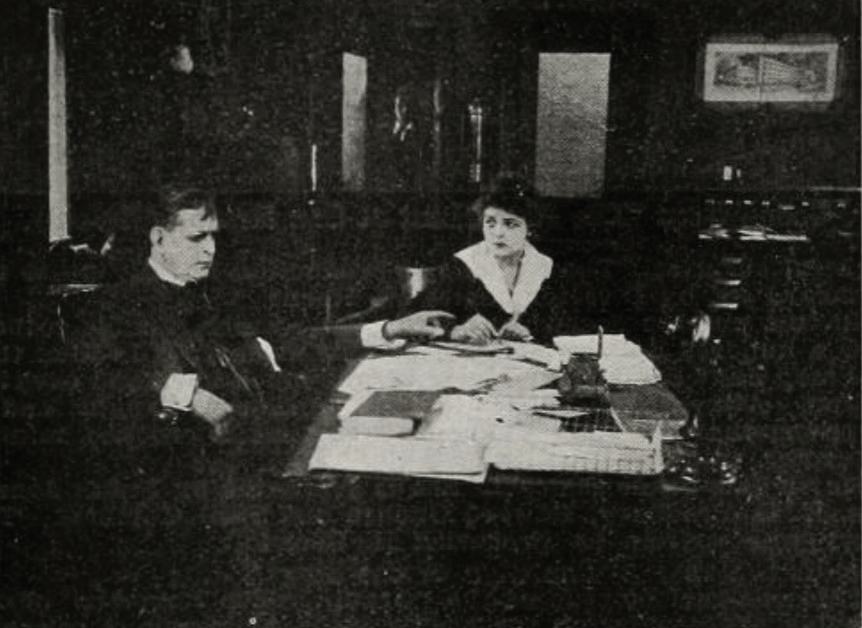
The inevitable cataclysm arrives with the burning of the plant. This inferno is more than just a physical destruction; it is a symbolic immolation of Stephen Martin's empire, his pride, and his 'iron heart.' Financially ruined, stripped of the very foundations of his identity and power, Martin is forced to confront the wreckage of his life. It is in this moment of profound desolation that his heart, once impervious, finally softens. The visual spectacle of the burning factory, even in a silent film context, would have been a powerful metaphor for the self-destructive nature of unchecked greed. This moment of ultimate loss serves as the crucible for his transformation, a classic narrative device where a character must lose everything to truly find themselves. This kind of dramatic downfall and subsequent introspection can be seen in other character-driven dramas of the era, where moral reckoning often follows material collapse.
The performances in The Iron Heart, particularly from Helene Chadwick (whose role as Mrs. Martin, though tragically limited, leaves a lasting impression), Forrest Winant, Gertrude Berkeley, Leonore Harris, and Edwin Arden, are crucial in conveying the narrative's emotional weight without the benefit of spoken dialogue. In silent cinema, every gesture, every facial expression, every movement is imbued with heightened significance. The actors of this period were masters of physical storytelling, conveying complex emotions through subtle shifts in demeanor and exaggerated pantomime when necessary. Chadwick, for instance, must communicate Mrs. Martin’s quiet suffering and dignity primarily through her eyes and posture, a testament to her skill. Winant’s Tom embodies a youthful idealism that contrasts effectively with the cynicism around him. Leonore Harris, as the adventuress Anne Parnell, would have relied on sharp, calculating expressions and elegant, yet predatory, movements to convey her character’s manipulative nature. Edwin Arden, in a supporting role, would have contributed to the overall texture of the film's dramatic landscape, adding depth to the world Martin inhabits.
Ouida Bergère’s script, the backbone of this cinematic endeavor, demonstrates a keen understanding of dramatic structure and character development. Even without dialogue, the narrative progression is clear, the motivations understandable, and the emotional impact palpable. The arc of Stephen Martin, from tyrannical industrialist to humbled seeker of forgiveness, is meticulously crafted, allowing for a believable, if sudden, transformation. This kind of morally driven storytelling was a hallmark of many films of the era, often serving as cautionary tales or explorations of societal values. For instance, films like Those Without Sin often explored themes of moral failings and the quest for redemption, albeit through different narrative lenses. The focus on the consequences of one’s actions and the potential for change, even in the most hardened hearts, is a powerful and enduring message.
The film’s portrayal of industrial strife is particularly noteworthy. While not a documentary, it captures the raw tension between labor and capital that defined much of the early 20th century. The workers are not just faceless masses; their demands, though not articulated verbally, are visually communicated through their actions and reactions. This portrayal would have resonated deeply with contemporary audiences, many of whom would have experienced or witnessed similar struggles. The burning of the plant, in this context, becomes a symbol of the destructive potential of unchecked conflict, a grim warning against the failure of empathy and negotiation. It’s a powerful moment that positions The Iron Heart not just as a personal drama but as a film with significant social commentary, much like other films that tackled societal issues head-on, such as those depicting the harsh realities of urban life or the struggles of the working class. The intensity of the confrontation and its devastating outcome bear a thematic kinship to the societal upheavals depicted in films like War Is Hell, even if the battlefields are different – one being industrial, the other military.
The concluding moments of the film are steeped in a potent emotional catharsis. Martin, humbled and broken, returns to his wife and seeks forgiveness from his son. This act of contrition is the ultimate softening of his 'iron heart,' a powerful statement on the transformative power of loss and the enduring strength of familial bonds. It suggests that even the most hardened individuals are capable of change, that empathy can emerge from the ashes of ambition. The reunion, though perhaps somewhat idealized, offers a glimmer of hope and a resolution that underscores the film's moral compass. It’s a testament to the idea that true wealth lies not in material possessions or power, but in human connection and the capacity for love and forgiveness. This journey from ruthless ambition to humble repentance is a classic cinematic trope, yet it is delivered here with a sincerity that transcends its silent film origins.
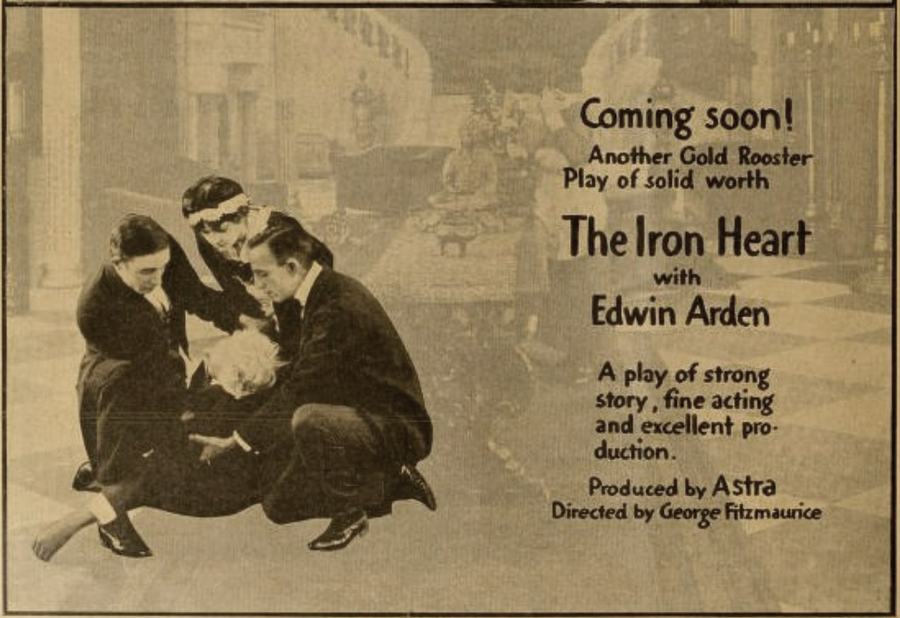
In an era dominated by nascent cinematic techniques, The Iron Heart stands as a compelling example of how powerful storytelling could be achieved with limited resources. Its themes of greed, power, family estrangement, social justice, and ultimate redemption are universal and timeless. The film’s ability to evoke strong emotions and convey a complex narrative without spoken dialogue is a testament to the artistry of its creators and the talent of its cast. It serves as a valuable artifact, offering insights into both the cinematic practices of its time and the societal concerns that shaped its narratives. For enthusiasts of early cinema and those interested in the evolution of dramatic storytelling, The Iron Heart remains a poignant and impactful viewing experience, a silent roar against the silence of a forgotten past.
The enduring relevance of The Iron Heart lies in its unvarnished examination of the human psyche when confronted with absolute power and devastating loss. It's a journey not just of a man, but of an entire societal struggle, compressed into a deeply personal narrative. While films like The Governor might explore political power, The Iron Heart dissects industrial might and its personal toll. The film’s stark visual language and the expressive performances of its cast create a world that feels both distant in time and intimately familiar in its human drama. It reminds us that the quest for power often comes at the cost of one's soul, and that true healing often begins when everything else has been stripped away. A truly masterful silent picture, it leaves an indelible mark, proving that the language of emotion transcends the need for spoken words.
Furthermore, the distinct character arcs within The Iron Heart, particularly those of Mrs. Martin and Anne Parnell, offer a subtle commentary on the roles and expectations of women during this period. Mrs. Martin's quiet suffering and eventual reinstatement reflect a certain societal ideal of endurance and forgiveness, while Anne Parnell's calculating opportunism highlights the limited avenues some women might have felt available for upward mobility or survival. Helene Chadwick, in her poignant portrayal, manages to convey a deep well of resilience and long-suffering love, making her character's eventual reunion with Stephen Martin all the more impactful. Her performance, though not as outwardly dramatic as others, provides a crucial emotional anchor to the narrative, reminding the audience of the human cost of Stephen's choices. This nuanced portrayal of female characters, even within the constraints of silent film, adds another layer of depth to the film's social fabric. It's a reminder that even in stories centered around powerful men, the experiences of the women around them often provide critical insight into the broader societal context, much like how films such as Her Maternal Right explored the struggles and moral dilemmas faced by women in their time.
The film also serves as a potent reminder of the raw power of visual storytelling inherent in silent cinema. Without the crutch of dialogue, every frame, every cut, every actor's gesture had to convey meaning with utmost clarity and emotional resonance. The director (uncredited in the provided details but undoubtedly a crucial force) would have orchestrated these elements with precision, using lighting, set design, and camera angles to amplify the dramatic tension and emotional shifts. The visual contrast between the oppressive, smoke-filled factory and the domestic scenes, or the stark imagery of the burning plant, would have been meticulously crafted to guide the audience through Stephen Martin's journey. This deliberate visual language is a hallmark of the era's best films, allowing them to transcend the lack of audible speech and communicate directly with the viewer's emotions. It's a masterclass in how to build a world and tell a story through pure cinematic expression, a skill that some modern films could learn from. The impact of such visual storytelling can be compared to the dramatic tension built through intricate plot and character development in films like Der Hund von Baskerville, where atmosphere and visual cues are paramount to the narrative's success.
Ultimately, The Iron Heart is more than just a historical curiosity; it is a timeless narrative about the human capacity for both immense cruelty and profound change. It probes the depths of ambition and the consequences of sacrificing human connection for power. Its enduring message, delivered through the expressive silence of early cinema, is that even the most hardened hearts can be melted, and that forgiveness, both given and received, is the ultimate path to true redemption. It's a film that speaks volumes without uttering a single word, inviting contemporary audiences to appreciate the foundational artistry of a bygone era while reflecting on themes that remain deeply relevant today. The journey of Stephen Martin is a compelling one, demonstrating that even in the face of ruin, there is always the possibility of a softened heart and a return to what truly matters. It exemplifies the enduring power of cinema to explore the complexities of the human spirit, making it a film well worth rediscovering for its artistic merit and its powerful, resonant message.

IMDb 6.8
1927
Community
Log in to comment.