DbcultAccessing Vault...
7/10
Senior Film Conservator
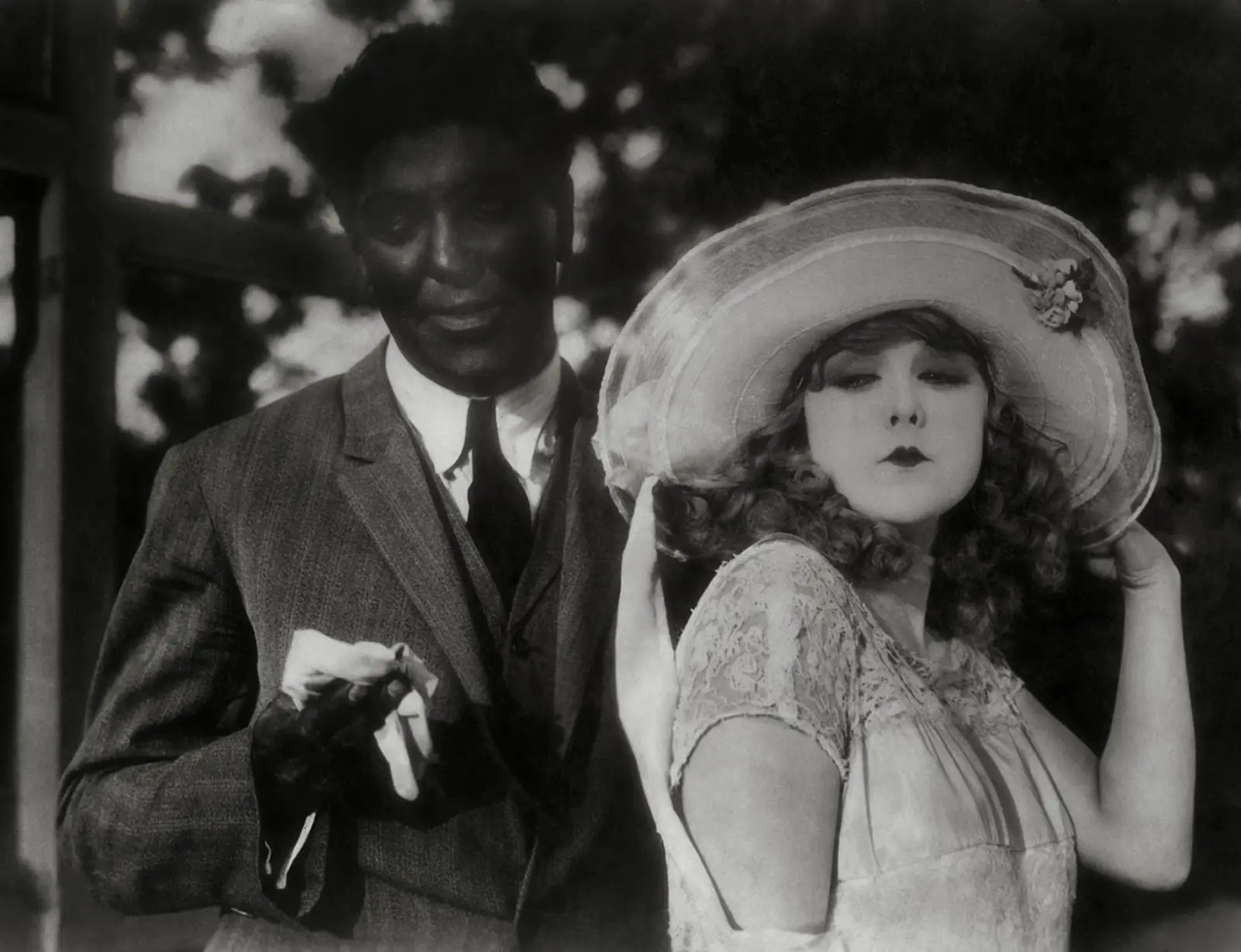
A definitive 7/10 rating for a film that redefined the boundaries of cult cinema. Chytte ho! remains a cornerstone of transgressive art.
Is 'Chytte ho!' a film worth seeking out in the modern era? Short answer: yes, but with significant caveats that speak to its historical context and specific comedic sensibilities. This silent Czech comedy, a relic from 1925, offers a fascinating glimpse into early European filmmaking, proving itself an intriguing watch for cinephiles and historians, though perhaps not for casual viewers accustomed to contemporary pacing and narrative styles.
It's a film for those who appreciate the foundational elements of slapstick, mistaken identity, and the pure, unadulterated charm of the silent era. Conversely, it is decidedly not for audiences seeking modern comedic timing, intricate plots, or high-definition visual fidelity. Manage your expectations, and you might find a surprising amount to enjoy.
At its core, 'Chytte ho!' (translated as 'Catch Him!') is a masterclass in situational irony, built upon a premise that is both simple and wonderfully absurd. Our protagonist, Johnny Miller, portrayed with a delightful blend of bravado and ineptitude by Luigi Hofman, embarks on a seemingly harmless bet: to navigate his way home while blindfolded. This act of hubris, however, veers wildly off course, landing him squarely in the midst of a gang of genuine, rough-and-tumble bandits. The film establishes its comedic engine early, hinging on Miller's accidental assimilation into this criminal fraternity.
The subsequent mission to rob the villa of banker Frank Sellins and his niece, Lilly (the radiant Anny Ondra), transforms Miller from a bumbling painter into an accidental antagonist, and then, inevitably, into something of a reluctant hero. The narrative threads of forced crime, blossoming romance, and the ever-present threat of exposure are woven together with a light, farcical touch. It's a testament to the script by Václav Wasserman and Karel Lamac that such a straightforward premise manages to sustain its comedic energy, even if some of its gags feel dated by today's standards. The film never takes itself too seriously, which is its greatest strength.
Absolutely, for the right audience. 'Chytte ho!' serves as a valuable historical document, showcasing the burgeoning talent within the Czechoslovak film industry during the silent era. It offers insights into early comedic tropes and the acting styles that defined the period. Watching it today is less about finding a 'timeless' comedy and more about appreciating the evolution of cinematic storytelling.
It's an experience that demands patience and an open mind, rewarding viewers with genuine laughs and a nostalgic charm that is increasingly rare. The film's technical achievements, while modest by modern metrics, were significant for its time and demonstrate a clear understanding of visual storytelling.
Karel Lamac, who also co-wrote the screenplay, demonstrates a clear understanding of silent film mechanics. His direction is surprisingly dynamic, eschewing static shots for more fluid camera work where appropriate, or employing clever edits to enhance comedic timing. For instance, the sequence where Johnny first stumbles into the bandit camp is a masterclass in building tension and then immediately deflating it with a punchline, using quick cuts between Johnny's bewildered reactions and the bandits' gruff indifference. This keeps the narrative moving at a respectable clip, preventing the film from feeling sluggish, a common pitfall for silent features of this length.
Lamac's ability to orchestrate chaotic ensemble scenes, such as the initial poker game at the bandit camp or the later scramble within the Sellins' villa, is commendable. Each character, even the minor ones, is given a brief moment to register, contributing to the overall sense of a bustling, lively world. This is a director who understood how to extract maximum comedic value from physical action and well-timed reactions, a skill that would serve him well throughout his prolific career.
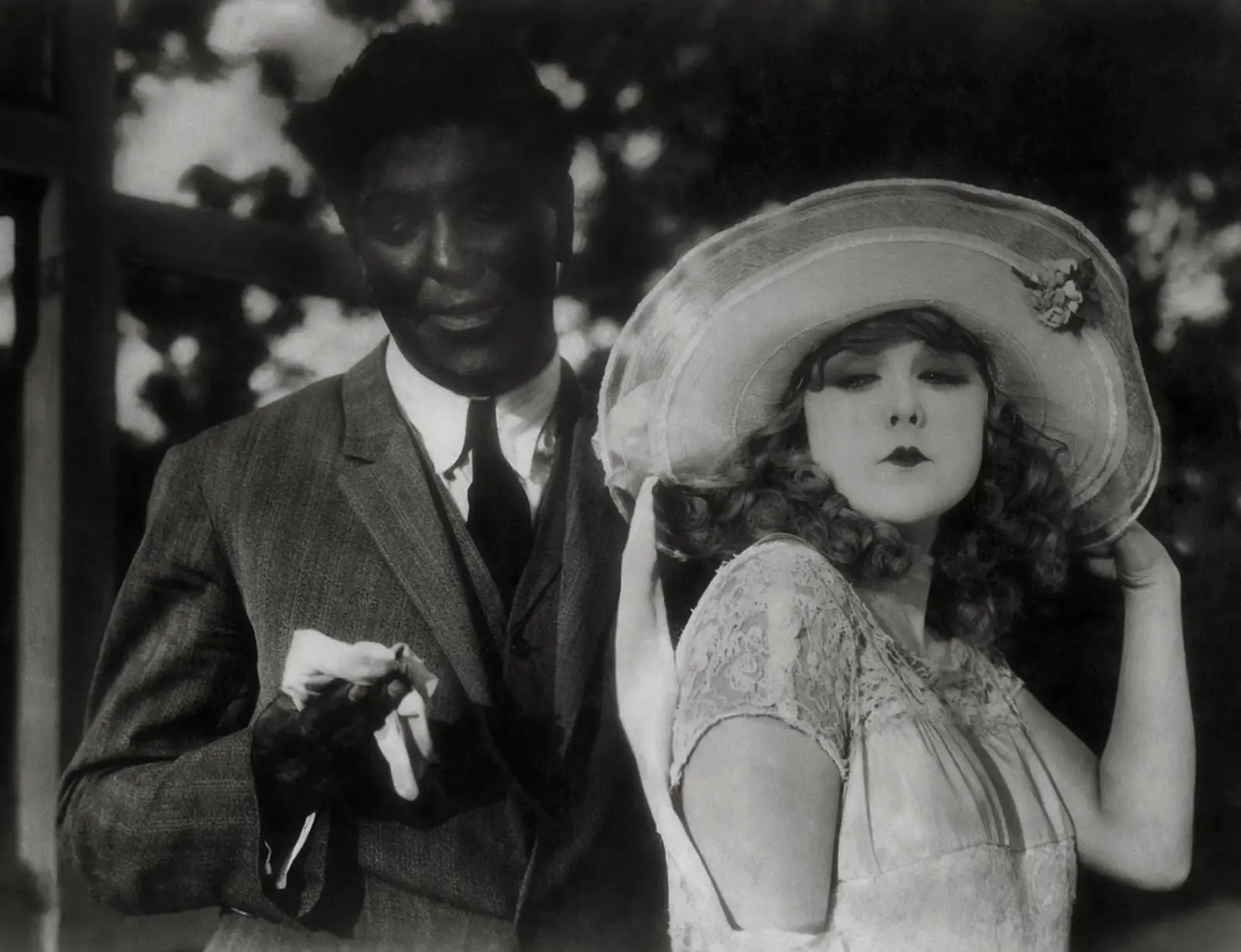
The film's true strength lies in its performances, particularly from its two leads. Luigi Hofman, as Johnny Miller, embodies the 'everyman caught in extraordinary circumstances' with a winning blend of physical comedy and earnestness. His wide-eyed confusion upon realizing he's amongst criminals, contrasted with his clumsy attempts to appear menacing during the robbery, are genuinely funny. He's not a brilliant actor by modern standards, but he possesses an undeniable screen presence that anchors the film's comedic heart.
However, it is Anny Ondra who truly shines. Even at this early stage of her career, Ondra's star quality is palpable. As Lilly, the banker's niece, she brings an effervescent charm and a captivating expressiveness that transcends the limitations of silent film acting. Her reactions to Johnny's bumbling attempts at robbery, shifting from fear to curiosity to eventual affection, are nuanced and entirely believable. One particular scene where she observes Johnny's awkward attempts to tie up her uncle, a mixture of terror and suppressed amusement playing across her face, perfectly encapsulates her talent. Ondra was a force, and her subsequent international career, including working with Hitchcock in Blackmail, is entirely justified by performances like this. Her chemistry with Hofman, though subtle, is a key ingredient in the film's enduring appeal. It's a debatable opinion, but her performance here is arguably more natural and less theatrical than some of her later silent work, perhaps due to the comedic nature of the role allowing for a lighter touch.
The supporting cast, including Jirí Hron as one of the more imposing bandits and Karel Lamac himself in a smaller role, contribute effectively to the comedic atmosphere. They lean into their archetypes with gusto, providing solid foils for Miller's accidental heroics.
While not groundbreaking, the cinematography of 'Chytte ho!' is competent and serves the story well. The film utilizes clear compositions and effective lighting to convey mood and setting. The interiors of the banker's villa are adequately opulent, contrasting sharply with the rustic, dimly lit bandit camp. There's a particular shot during the robbery sequence, framed from outside the villa looking in, that uses shadows and the silhouettes of the characters to create a sense of clandestine activity, even amidst the comedy. It's a simple yet effective visual choice that enhances the scene's tension.
The use of intertitles is standard for the era, but they are generally concise and well-integrated, providing necessary dialogue and exposition without interrupting the flow excessively. The visual gags are often clear enough that minimal text is needed, allowing the physical comedy to shine. This clarity in visual communication is a hallmark of good silent filmmaking, and 'Chytte ho!' largely succeeds in this regard.
The tone of 'Chytte ho!' is overwhelmingly lighthearted and farcical. It's a comedy designed purely for entertainment, aiming for chuckles and smiles rather than deep introspection. Yet, beneath the surface, one can discern subtle themes. The film playfully explores themes of identity and perception – how easily one can be mistaken for another, and how circumstances can force individuals into roles they never intended. Johnny Miller's transformation from a harmless painter to a reluctant bandit, and then to a romantic lead, is a commentary on the fluidity of social roles.
There's also a gentle satire of societal expectations. The wealthy banker is portrayed as somewhat aloof, while the bandits, despite their criminal enterprise, are shown with a surprising degree of camaraderie. This unconventional observation highlights a common trope in early cinema where the 'lower class' characters, even villains, were often imbued with a certain rough charm or simplicity that made them relatable. It's a simple narrative, but it resonates. It works. But it’s flawed.
Ultimately, 'Chytte ho!' is a delightful, if dated, piece of cinematic history. It's not a film that will redefine your understanding of comedy, nor will it likely top your list of all-time favorites. However, for those willing to engage with its historical context and appreciate its unpretentious charm, it offers a thoroughly enjoyable experience. Anny Ondra’s radiant performance alone makes it worth the watch, providing a captivating glimpse into the star power that would soon propel her to international fame. It’s a testament to the early ingenuity of filmmakers like Karel Lamac and Václav Wasserman, who, with limited resources, crafted a film that still manages to entertain and inform almost a century later. Dive in if you're curious about the roots of comedy and the magic of silent storytelling; otherwise, you might find its period quirks a barrier to full enjoyment.
IMDb 6.3
1931
Community
Log in to comment.