DbcultAccessing Vault...
Cult Review
Senior Film Conservator
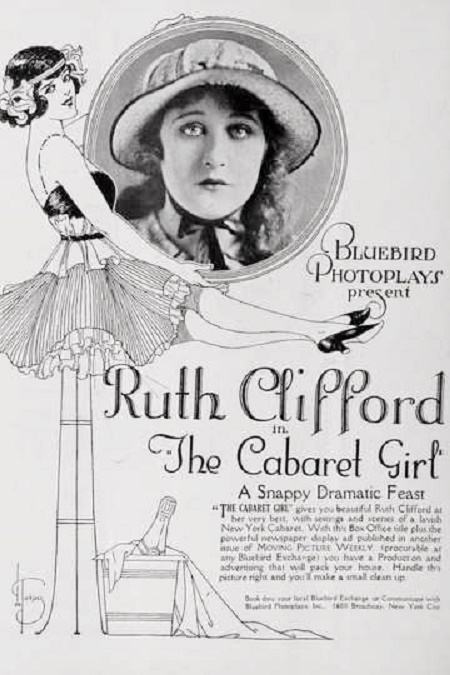
Stepping back into the flickering glow of the silent era, one often encounters narratives that, despite their age, resonate with an astonishing contemporaneity. Such is the case with The Cabaret Girl, a 1926 melodrama that, beneath its surface of dramatic twists and turns, offers a surprisingly nuanced exploration of ambition, societal stratification, and the profound sacrifices exacted by love. Directed by Douglas Gerrard, this film, while perhaps not a household name in the annals of silent cinema, nevertheless provides a rich tapestry of human emotion, rendered with the evocative power unique to its time.
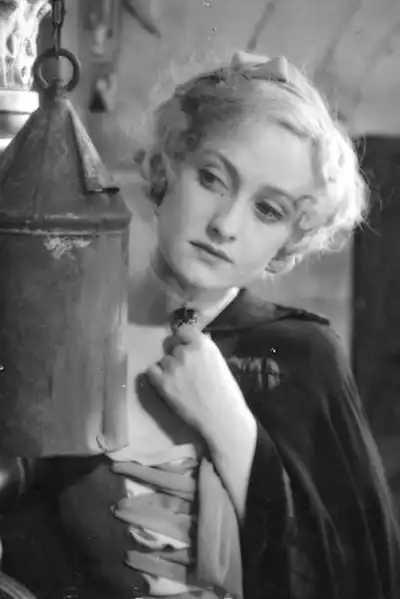
At the heart of this narrative is Ann Reid, portrayed with a compelling blend of vulnerability and nascent strength by Ruth Clifford. Ann arrives in the bustling, indifferent city, her spirit alight with the classical aspirations of an opera singer. It's a dream as grand as it is fragile, soon to be dashed against the unyielding rocks of a dismissive, perhaps even cynical, musical establishment. The early scenes, though brief, effectively convey the crushing weight of artistic rejection, a universal experience that transcends eras. Rather than succumbing to despair, however, Ann exhibits a remarkable resilience, a refusal to let her voice be silenced. She finds an unlikely, yet ultimately liberating, sanctuary in the vibrant, often scandalous, world of the cabaret. This transition from the hallowed halls of opera to the smoky, boisterous milieu of Balvini's cabaret is a pivotal moment, marking Ann's first significant transformation. It's here that her inherent talent, perhaps too raw or unconventional for the opera, finds its true, uninhibited expression. This pivot isn't merely a change of profession; it's a defiant embrace of an alternative path, a testament to her adaptability and an early indicator of the sacrifices she's willing to make to carve out her own existence.
The cabaret, with its dazzling lights and less rigid expectations, becomes a crucible for Ann's burgeoning identity. It's a world often viewed with suspicion by polite society, a place where reputations can be made or irrevocably shattered. Yet, for Ann, it represents freedom, a space where she can truly sing, truly perform, and truly live. This setting provides a stark contrast to the sterile, judgmental environment of the classical music world she left behind, highlighting the film's subtle commentary on the arbitrary nature of artistic and social value. Her friend Dolly, a character who serves as both a confidante and a catalyst, introduces Ann to Ted Vane, played by Ashton Dearholt. Ted represents an entirely different social stratum, a world of privilege and established respectability. Their meeting, facilitated by the casual camaraderie of the cabaret, immediately sets in motion the central conflict of the film: the clash between two disparate worlds and the love that dares to bridge them.
Ted's proposal to Ann is swift, a testament to the undeniable chemistry and genuine affection that blossoms between them. Ann, in turn, accepts, believing she has found not just love, but also a path to a stable, respected life. However, this idyllic vision is quickly shattered by the formidable presence of Ted's mother, portrayed by Carmen Phillips with an icy precision that perfectly embodies the societal gatekeeper. Her opposition to the match is not born of malice for Ann personally, but rather from a rigid adherence to class distinctions and a fierce protectiveness of her son's social standing. She embodies the era's pervasive anxieties about 'suitable' marriages and the perceived stain of association with professions deemed less than respectable. The mother's manipulation of Ann, convincing her that her presence will irrevocably ruin Ted's future, is a masterstroke of emotional blackmail, preying on Ann's inherent goodness and her deep love for Ted.
This act of parental interference, though a common trope in melodramas of the period, is executed with a chilling effectiveness. It forces Ann into an impossible dilemma: choose her own happiness, or sacrifice it for the perceived good of the man she loves. Her decision to assume the role of a 'worldly woman,' to deliberately cultivate a scandalous reputation, is a profoundly tragic and self-sacrificing act. It's a performance within a performance, a deliberate shattering of her own image to protect Ted from the very societal judgment his mother fears. This elaborate charade, culminating in her outrageous behavior at a high-society party, is designed to repel Ted, to make him believe she is unworthy, perhaps even depraved. The emotional toll of this deception on Ann is palpable, brilliantly conveyed through Clifford's nuanced expressions and gestures, the very essence of silent film acting. Her public humiliation is a private agony, a testament to the depths of her love and the cruel demands placed upon her.
The narrative's central theme of self-sacrifice for a loved one's perceived well-being finds powerful resonance in other cinematic works of the era and beyond. One cannot help but draw parallels to the devastating choices faced by protagonists in tales of societal condemnation and personal sacrifice, such as those depicted in La signora delle camelie. In both narratives, the 'fallen woman' or the woman from a 'questionable' background is compelled to relinquish her claim to love, believing it to be the only path to spare her beloved from social ostracism. The emotional weight of such decisions, the internal conflict between personal desire and perceived duty, forms the very bedrock of these powerful melodramas.
Furthermore, Ann's elaborate deception, her deliberate construction of a false persona to drive Ted away, mirrors the intricate webs of pretense and hidden truths explored in films like Garden of Lies. The idea that one must actively cultivate a negative image, endure public scorn, and shatter one's own reputation for the sake of another's future is a potent dramatic device. It speaks to a societal context where reputation, especially for women, was an incredibly fragile and precious commodity, capable of making or breaking one's prospects. This deliberate self-sabotage, while agonizing to witness, underscores the profound depth of Ann's love and the extreme measures she feels compelled to undertake.
The conflict between love and societal expectations, particularly those rooted in class and financial standing, is a timeless cinematic concern. The Cabaret Girl deftly navigates this treacherous terrain, much like the Russian silent film Nye dlya deneg radivshisya (Born Not for Money), which also scrutinizes the corrosive influence of wealth and status on personal relationships. Both films highlight how external pressures can warp individual choices and force lovers into agonizing compromises. Ann's situation, where her humble origins and profession are deemed insufficient for Ted's elevated status, is a poignant commentary on the enduring barriers that class distinctions erect between individuals, even when genuine affection exists.
Moreover, the theme of transforming oneself, or sacrificing one's true identity for the perceived benefit of another, is strikingly similar to the narrative core of Her Better Self. In both films, a woman undergoes a profound, often painful, metamorphosis, believing that by changing who she is, or at least how she is perceived, she can secure a better future for her beloved. This act of self-effacement, while noble in its intent, often leads to immense personal suffering, underscoring the tragic irony that true love should ideally celebrate, rather than suppress, one's authentic self.
The narrative builds to a dramatic crescendo as Ted, finally unearthing his mother's manipulative scheme, races to Ann's side. His timely arrival is crucial, for he finds her in a perilous situation, under attack by Balvini, the cabaret owner. This scene, while perhaps overtly melodramatic by modern standards, serves a vital purpose within the context of silent film storytelling. It provides a tangible, physical threat that Ted can heroically overcome, allowing him to rescue Ann not just from physical danger, but also from the emotional prison of her self-imposed disgrace. The confrontation between Ted and Balvini, while brief, is impactful, solidifying Ted's role as Ann's protector and vindicating her earlier sacrifices.
The film's resolution, with Ted and Ann finally united in marriage, is a triumphant affirmation of enduring love over societal prejudice and familial manipulation. It's a classic happy ending, yet one earned through considerable emotional turmoil and genuine sacrifice. The final scenes convey a sense of hard-won peace and the promise of a future where their love, tested by adversity, can finally flourish without pretense.
Douglas Gerrard's direction, while perhaps not groundbreaking, is competent and effective, particularly in its ability to extract genuine emotion from his cast. Ruth Clifford, as Ann, carries the emotional weight of the film with grace and conviction. Her expressive face and gestures, the very language of silent cinema, convey Ann's initial optimism, her crushing disappointment, her resolute sacrifice, and her ultimate relief with remarkable clarity. Ashton Dearholt, as Ted, provides a strong, sympathetic counterpoint, embodying the earnest, somewhat naive suitor who must learn to see beyond superficial appearances. Carmen Phillips, as the formidable mother, delivers a performance that, though brief, leaves a lasting impression of cold, unwavering social propriety.
The cinematography, typical of the era, relies on clear, functional compositions, but occasionally surprises with artful lighting or evocative close-ups that heighten the dramatic tension. The use of intertitles is judicious, providing necessary exposition without interrupting the flow of visual storytelling. The film's pacing is deliberate, allowing the audience to fully absorb the emotional beats of the narrative, a characteristic often appreciated by enthusiasts of silent cinema. The contrast between the opulent settings of high society and the more gritty, vibrant atmosphere of the cabaret is well-established, visually reinforcing the thematic conflicts at play.
Ultimately, The Cabaret Girl stands as a compelling example of silent era melodrama, a film that, despite its age, speaks to universal human experiences. It reminds us of the enduring power of love to overcome obstacles, the often-cruel demands of societal expectations, and the profound strength found in self-sacrifice. While it may not possess the grand scale or revolutionary techniques of some of its more famous contemporaries, its honest portrayal of human struggle and triumph ensures its place as a poignant and thought-provoking piece of cinematic history. It's a testament to the fact that even seemingly straightforward narratives can, when handled with sensitivity and skill, offer deep insights into the human condition, making it a film well worth rediscovering for those who appreciate the rich legacy of early cinema.
IMDb 5.3
1932
Community
Log in to comment.