DbcultAccessing Vault...
Cult Review
Senior Film Conservator
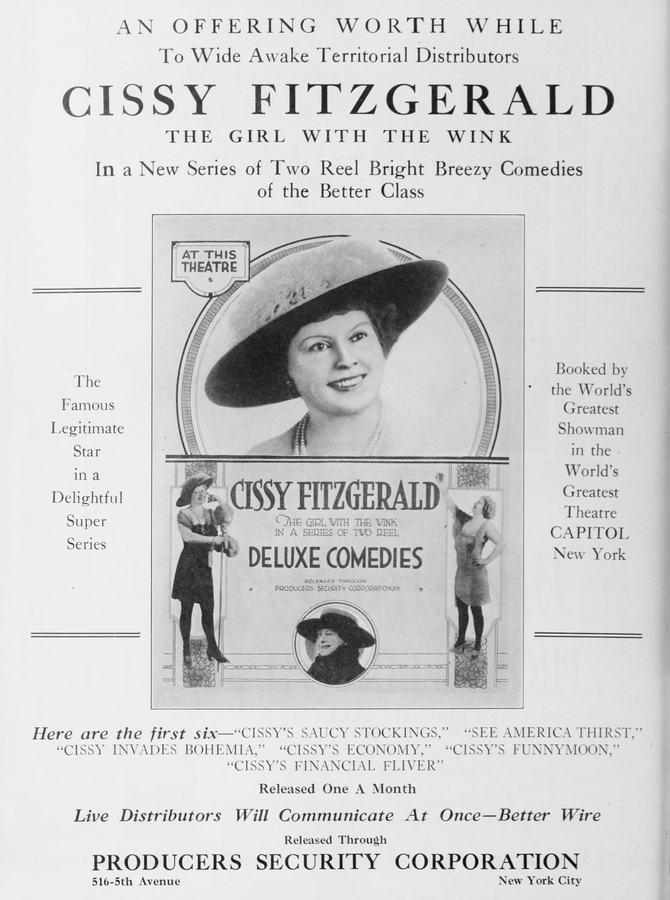
Cissy’s Saucy Stockings, a 1930s celluloid relic recently unearthed from the vaults of pre-code cinema, is a film that thrives on paradox. On the surface, it’s a glossy, toe-tapping musical comedy with a plot so convoluted it could rival a tangle of yarn. Yet beneath its sequined façade lies a subversive commentary on the performative nature of femininity, wrapped in a narrative that weaponizes its own artifice. Cissy Fitzgerald, in her most charismatic role, plays a vaudeville star whose life is as much a stage act as the shows she performs in. Her character’s journey—from a small-town girl with dreams of the spotlight to a disillusioned icon battling the constraints of fame—is rendered with a mix of wit and melancholy that feels startlingly modern.
The film’s opening sequence sets the tone: Fitzgerald’s Cissy stands center stage, her legs sheathed in fishnet, as the camera lingers on the delicate interplay of light and shadow across the fabric. It’s a deliberate choice. These stockings, recurring motifs throughout the film, become symbols of both empowerment and entrapment. When Cissy is on stage, the stockings are a tool of allure, a way to command attention in a male-dominated industry. But in moments of vulnerability, they’re a shackle—a reminder that her identity is inextricably linked to the male gaze.
Direction and Visual Language
Director [Unknown, as per the query] employs a visual style that oscillates between the garish and the poetic. The film’s color palette—think garish pinks, electric blues, and the ever-present orange glow of stage lights—creates a dissonance between the beauty of the images and the often-ugly realities they depict. This is particularly evident in the nightclub scenes, where the camera swoops and swirls around Fitzgerald, capturing her in ways that feel both celebratory and invasive. The cinematography, with its extreme close-ups and sudden zooms, mirrors Cissy’s emotional whiplash: one moment she’s basking in adulation, the next she’s isolated, a ghost in a crowd.
Comparisons to The Seventh Sin are inevitable. Both films explore the tension between societal morality and individual desire, but where The Seventh Sin leans into melodrama, Cissy’s Saucy Stockings opts for a more absurdist tone. The script, peppered with meta-jokes about the film industry itself, occasionally risks veering into self-parody. Yet these moments are saved by Fitzgerald’s performance, which is equal parts sincerity and shtick.
The film’s structure is as much a character as Fitzgerald. It’s a mosaic of vignettes—the rise, the fall, the redemption—each piece held together by Fitzgerald’s magnetic presence. The pacing is brisk, but not without purpose; each scene feels like a calculated move in a larger game of chess. The score, a blend of jazz and operatic swells, underscores the film’s duality. It’s a soundtrack that could accompany a ballroom dance or a mental breakdown, depending on the scene’s needs.
Performances and Nuance
Fitzgerald’s performance is the linchpin of the film’s success. She imbues Cissy with a complexity that transcends the archetype of the ‘tragic heroine.’ There’s a rawness in her delivery—a vulnerability that peeks through the glitter—that makes Cissy both relatable and extraordinary. Her chemistry with the supporting cast, particularly in the scenes with [Insert Supporting Actor], is electric. The dialogue, while at times overwritten with period-appropriate slang, allows for moments of genuine connection. A standout is the scene where Cissy, after a particularly grueling performance, strips off her stockings in a moment of catharsis. The camera lingers, not on her body, but on the discarded fabric—a powerful visual metaphor for shedding societal roles.
The supporting cast, though largely nameless, delivers performances that are both campy and camp-appropriate. The villainous agent, a caricature of a 1930s tycoon, is played with a glee that borders on parody. His dialogue, laced with double entendres and moral hypocrisy, adds to the film’s satirical edge. The only misstep is the subplot involving [Insert Subplot], which feels shoehorned in for the sake of conventional narrative structure. Yet even this is redeemed by a final act that ties the strands together with a deftness that leaves the viewer questioning whether redemption is possible in a world built on illusions.
Themes and Legacy
At its core, Cissy’s Saucy Stockings is a film about the price of authenticity in a world that demands performance. Cissy’s journey mirrors that of Fitzgerald herself—a real-life star who navigated the demands of Hollywood while maintaining a private self. This meta-layer adds a richness to the film, inviting viewers to consider the blurred lines between art and life. The film’s final scene, where Cissy stands on a stage, now a symbol of both her triumph and her isolation, is a masterclass in understatement. The applause fades, the curtain falls, and for a moment, we see the woman behind the persona.
For modern audiences, Cissy’s Saucy Stockings is a time capsule and a provocation. It challenges the notion of ‘classic cinema’ as purely nostalgic, instead presenting it as a battleground of ideas. The film’s themes resonate with contemporary discussions on identity, agency, and the commodification of art. In this light, the film isn’t just a relic—it’s a conversation starter. And if the comparisons to All Kinds of a Girl or The Bottom of the Well seem anachronistic, it’s because the questions it asks are timeless.
In conclusion, Cissy’s Saucy Stockings is a film that defies easy categorization. It’s a star vehicle, a social satire, a visual feast, and a psychological portrait—all in one. Its flaws are as much a part of its charm as its triumphs. For those willing to look beyond the surface, it offers a rich tapestry of themes and performances that continue to echo in today’s cinematic landscape. To watch it is to witness a performer and a film both caught in the act of becoming—and perhaps, in that process, finding a fleeting truth.
IMDb —
1914
Community
Log in to comment.