DbcultAccessing Vault...
Cult Review
Senior Film Conservator
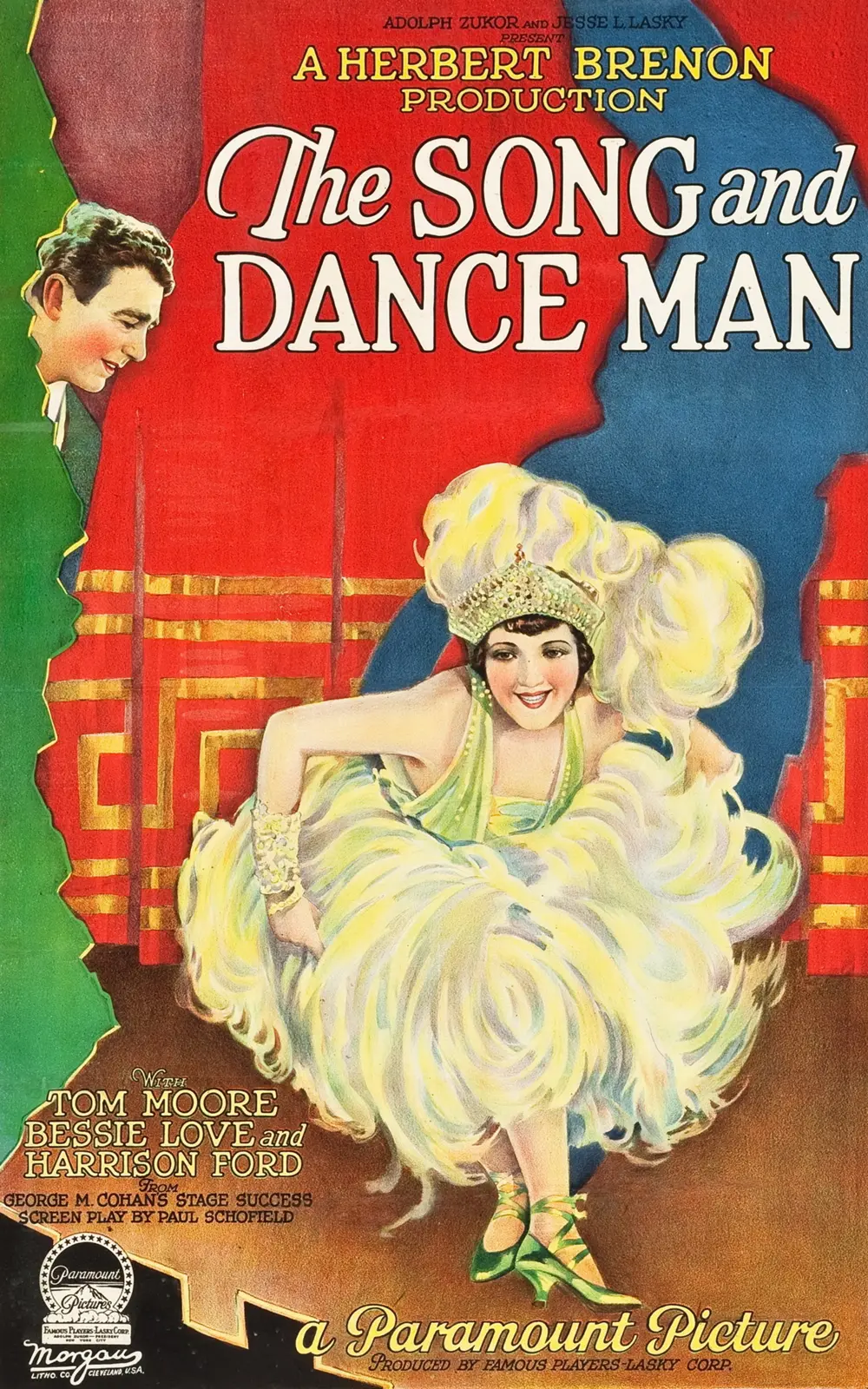
Is 'The Song and Dance Man' worth watching today? Short answer: yes, but with significant caveats that demand a particular kind of viewer. This 1926 silent film, a fascinating relic from the vaudeville era, offers a unique window into a bygone form of entertainment and the often-harsh realities behind its glittering facade.
It’s a film for cinephiles interested in the evolution of storytelling, silent film enthusiasts, and anyone curious about the foundational myths of show business. However, it is decidedly not for those seeking fast-paced modern narratives, complex psychological dramas, or an easily digestible plot without a deep appreciation for the historical context.
At its core, 'The Song and Dance Man' is a narrative about ambition, integrity, and the often-disappointing pursuit of fame. It centers on Happy Farrell, a character whose name belies a deeper melancholy, played with earnest charm by Tom Moore.
The film opens with a rather dramatic, almost farcical, setup involving a botched holdup. This initial sequence, while a little jarring in its abruptness, serves as a clever narrative device to introduce Happy and his plight.
It immediately sets a tone that oscillates between lighthearted comedy and the underlying struggles of a performer trying to make his way in the world. The shift from potential criminal to sympathetic storyteller is swift.
This film works because it taps into a universal story of chasing a dream and finding one's true calling, even if that calling isn't the one society deems 'successful.'
This film fails because its pacing can be uneven, and some of the narrative conveniences feel dated, demanding a degree of historical empathy from the viewer.
You should watch it if you appreciate silent cinema's unique expressive qualities and stories that prioritize character arc over intricate plot twists.
Tom Moore, as Happy Farrell, carries the film on his shoulders. Without spoken dialogue, his performance relies entirely on his physical presence, facial expressions, and timing. He embodies the 'song and dance man' archetype with a convincing blend of theatrical flair and underlying weariness.
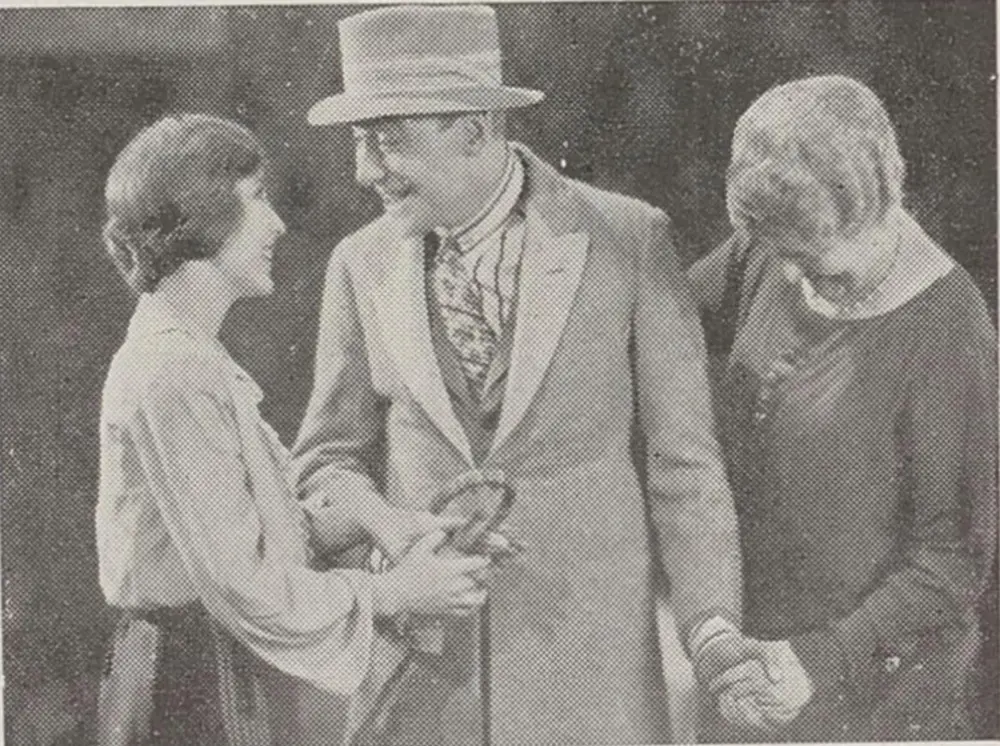
Moore’s ability to convey Happy’s shifting fortunes—from the desperate, almost clownish figure at the start to the briefly successful, yet ultimately unfulfilled, Broadway hopeful—is commendable. His eyes, in particular, speak volumes, reflecting hope, disappointment, and eventually, a quiet resolve.
Consider the scene where Happy first tries his luck on Broadway. Moore’s exaggerated gestures and hopeful smiles gradually give way to a deflated posture as he realizes he simply doesn't fit the new mold. It’s a subtle, yet powerful, portrayal of a performer out of his element.
Bessie Love, as Leola, offers a contrasting performance. Her character's ascent to stardom feels more conventional, but Love imbues Leola with a genuine sweetness and ambition that makes her success feel earned rather than simply handed to her.
Her radiant smiles and graceful movements on stage are a stark visual counterpoint to Happy's more grounded, sometimes clumsy, persona. The chemistry between Moore and Love, though not overtly romantic in the traditional sense, conveys a deep, shared understanding of the performer's life.
Moore's portrayal of Happy's eventual return to the vaudeville circuit isn't a defeat; it’s a quiet triumph of authenticity. He doesn't just act the part; he inhabits the weary soul of a man who understands where he truly belongs.
Directed by George M. Cohan, a legendary figure in American theater, and Paul Schofield, 'The Song and Dance Man' benefits from a clear understanding of stage dynamics. The film's visual language, while not groundbreaking for its era, effectively translates the energy of live performance to the silent screen.
The cinematography, though standard for 1926, effectively uses close-ups to emphasize emotional beats, particularly during Happy's storytelling sequence and his moments of introspection. The stage scenes, while limited by the technology of the time, capture a sense of theatrical grandeur.
Pacing is perhaps the film's most uneven aspect. The initial setup feels rushed, almost like a prologue, while Happy’s journey through Broadway and his time out West sometimes drag. However, the film regains its rhythm in the latter half as Happy begins to reclaim his identity.
The tone shifts effectively, moving
IMDb 6.8
1931
Community
Log in to comment.