DbcultAccessing Vault...
Cult Review
Senior Film Conservator
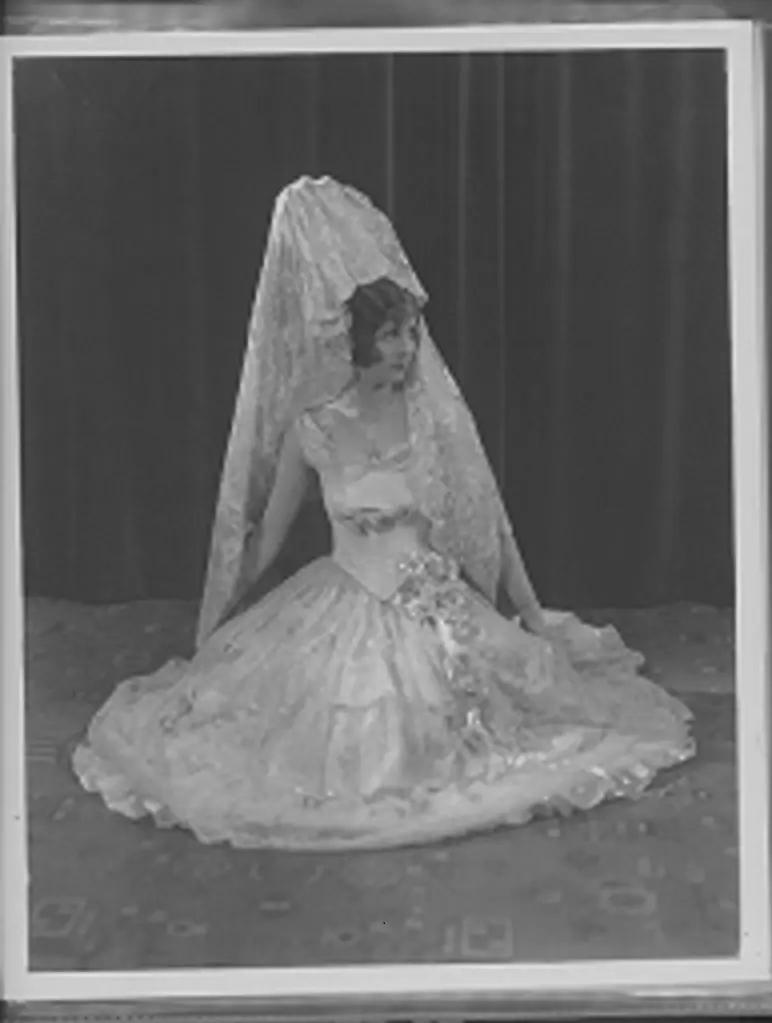
Is 'City of Shadows' a forgotten classic deserving of a contemporary viewing? Short answer: yes, but with a significant caveat. This silent era crime drama, while undeniably a product of its time, offers a fascinating glimpse into early cinematic storytelling and mood-setting that can still captivate. It's a film for cinephiles, historians, and those with a genuine appreciation for the foundational elements of noir and urban thrillers, not for casual viewers expecting modern pacing or dialogue.
The film works because of its audacious visual ambition and a surprisingly nuanced central performance. It fails, however, in its occasional reliance on melodramatic contrivances that can feel dated. You should watch it if you're keen to explore the roots of genre filmmaking and appreciate the artistry of silent expression; you should probably skip it if you prefer rapid-fire narratives and contemporary character development.
Mary Roberts Rinehart’s narrative for 'City of Shadows' transcends mere plot mechanics, instead focusing on the pervasive atmosphere of a metropolis teetering on the edge of moral collapse. Directed with a keen eye for urban grit, the film doesn't just tell a story; it evokes a mood. From the opening shot, a sweeping panorama of towering buildings shrouded in perpetual twilight, we are immersed in a world where secrets fester beneath a veneer of order.
The screenplay, while adhering to the conventions of early crime dramas, injects a surprising amount of psychological tension. Detective John Blake, portrayed by Robert McKim, isn’t just a flat archetypal hero. McKim imbues him with a weary resignation, his eyes carrying the weight of every dark corner he’s explored. It’s a performance that speaks volumes without a single spoken word, relying on subtle gestures and profound expressions.
Contrast this with the more overtly theatrical performances often seen in films of the period, such as the broad strokes in The Tavern Knight. McKim’s restraint is a standout, offering a more internalised struggle that feels remarkably modern. His silent suffering is palpable, particularly in scenes where he confronts the futility of his quest against an omnipresent, faceless criminal enterprise.
The ensemble cast of 'City of Shadows' delivers a range of performances that collectively paint a vivid picture of the era's acting styles, yet some truly shine. Robert McKim, as Detective Blake, anchors the film with a gravitas that feels both authentic and compelling. His portrayal is less about grand gestures and more about subtle shifts in his gaze, a tightening of his jaw that conveys determination or despair. One particular scene, where he silently observes a suspect from across a crowded ballroom, is a masterclass in silent observation, his eyes scanning every face, every shadow, without betraying his presence.
Sharon Lynn, as Evelyn Vance, is the film's undeniable femme fatale. Her performance is a captivating blend of vulnerability and cunning, perfectly capturing the era's fascination with the 'dangerous woman' archetype. Lynn's ability to switch from beguiling charm to icy detachment with just a tilt of her head or a flick of her fan is truly remarkable. Her scenes with McKim crackle with an unspoken tension, a dance of suspicion and attraction that elevates the narrative beyond simple good-versus-evil.
The supporting cast, while less prominent, contributes significantly to the film's texture. Jack Luden, as the shifty informant 'Slippery' Pete, provides a necessary dash of comic relief and street-level grit. His exaggerated expressions and nervous energy are perfectly pitched for the silent screen, adding a layer of authenticity to the underworld elements. William Humphrey and Billy Franey, as various members of the criminal syndicate, lean into more villainous archetypes, their menacing glares and furtive movements establishing a clear sense of threat.
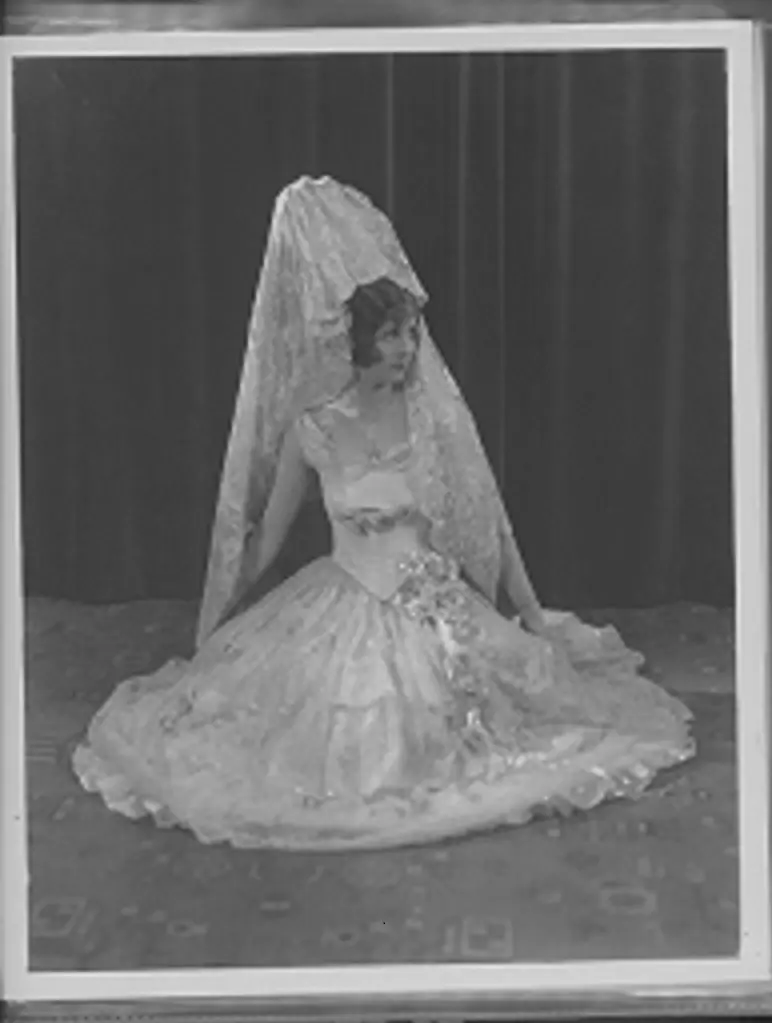
What's truly surprising is how well some of these performances resonate despite the lack of spoken dialogue. The actors rely on their entire physical presence, not just facial expressions. Lynn's posture, McKim's deliberate stride, Luden's fidgeting hands — these are the tools of their trade, and they wield them with impressive skill. It’s a testament to their craft that even a century later, their intentions and emotions are crystal clear.
The cinematography in 'City of Shadows' is arguably its strongest suit, a testament to the nascent art of visual storytelling. The director and cinematographer employ chiaroscuro lighting with remarkable effectiveness, painting the city in stark contrasts of light and shadow. Alleyways are not just dark; they are consuming voids. Office interiors are not just lit; they are pools of light surrounded by oppressive gloom. This isn't just aesthetic flair; it serves a thematic purpose, reflecting the moral ambiguity and hidden dangers inherent in the narrative.
Consider the iconic chase sequence across the rooftops. The silhouettes of Blake and his pursuer against the moonlit skyline are breathtaking, a dynamic ballet of movement and peril that needs no intertitles to convey its urgency. It’s a moment that could easily stand alongside later noir classics, demonstrating an intuitive understanding of how light and shadow can amplify drama.
The use of practical effects and location shooting also adds immensely to the film's authenticity. The city feels real, grimy, and alive. Unlike films that relied heavily on studio sets, 'City of Shadows' embraces its urban backdrop, making the streets, the tenement buildings, and the bustling docks integral parts of the narrative. This commitment to realism, even in an era of burgeoning cinematic artifice, is a striking and unconventional choice.
“The film’s greatest strength lies in its ability to transform the urban landscape into a character as compelling as any human on screen. The city doesn't just host the drama; it embodies it.”
The pacing of 'City of Shadows' will undoubtedly challenge modern audiences accustomed to rapid-fire editing and constant plot twists. It’s a slow burn, meticulously building atmosphere and character relationships before accelerating into its more thrilling sequences. This deliberate approach allows the viewer to absorb the visual details and the nuanced performances, fostering a deeper connection to the unfolding mystery. The film takes its time. But it’s not wasted time.
The tone is consistently grim, verging on bleak, yet punctuated by moments of genuine human connection or fleeting hope. It's a precursor to the hardboiled detective stories that would dominate pulp fiction, establishing a world where corruption is endemic and justice is hard-won. The film’s commitment to this somber tone, especially in an era often associated with lighter fare like A Regular Fellow, is a bold artistic choice.
While some might find the intertitles disruptive, they are used here with a certain economy, often conveying only essential dialogue or plot points, allowing the visuals to do the heavy lifting. This balance between text and image is crucial for maintaining the film’s atmospheric integrity.
'City of Shadows' is more than just a historical artifact; it's a compelling piece of early cinema that demonstrates the power of visual storytelling. While its pacing and some of its dramatic flourishes might test the patience of those unfamiliar with the silent era, its technical achievements and a standout performance from Robert McKim make it a worthwhile watch for the discerning cinephile. It’s not a perfect film, but its influence on subsequent crime dramas is undeniable, and its artistic ambition shines through a century later. It works. But it’s flawed. Yet, it truly deserves its place in the discussion of foundational genre cinema. Seek it out if you’re ready to be transported to a different era, where shadows told tales more eloquently than words ever could. It's a film that resonates long after the final fade to black, a testament to the enduring power of a well-crafted silent narrative.
IMDb 4.8
1931
Community
Log in to comment.