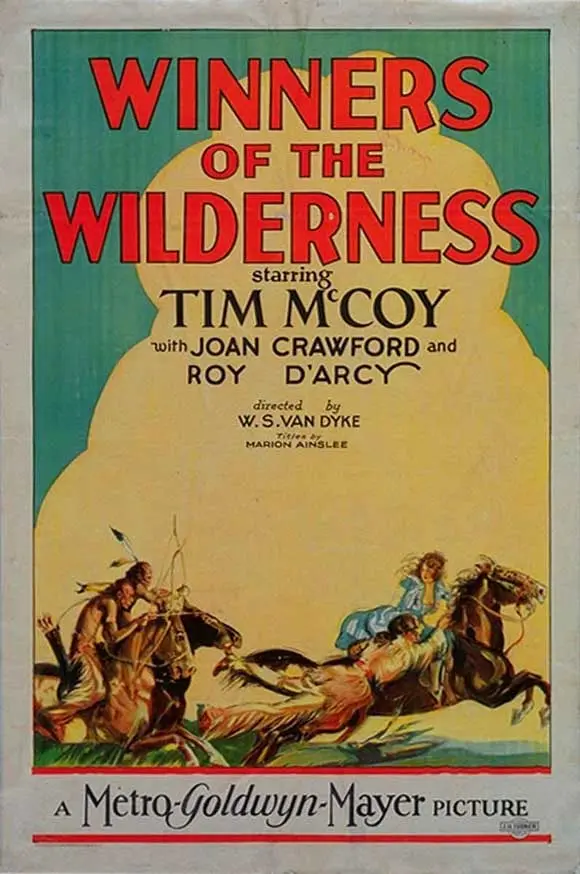
A definitive 4.7/10 rating for a film that redefined the boundaries of cult cinema. Winners of the Wilderness remains a cornerstone of transgressive art.
Is Winners of the Wilderness worth watching today? Short answer: yes, but with significant caveats that demand a specific kind of viewer. This film is an intriguing historical document for silent film aficionados and those curious about the early careers of Hollywood legends, but it will undoubtedly test the patience of mainstream audiences accustomed to modern pacing and narrative sophistication.
For those who appreciate the foundational elements of cinema and the unique language of silent storytelling, this early work offers genuine insights. However, if your preference leans towards contemporary narratives, intricate character development, or high-octane action, you might find its charms elusive.
This film works because it provides a rare glimpse into the nascent stages of Hollywood, showcasing the raw talent of actors like Jean Arthur and Joan Crawford before their superstardom, and attempting an ambitious historical epic for its time.
This film fails because its narrative is simplistic, its pacing glacial by modern standards, and its cultural depictions are undeniably dated and problematic, offering a one-dimensional view of complex historical events.
You should watch it if you are a devoted student of film history, an admirer of silent cinema, or specifically interested in the early filmography of its cast members, willing to engage with a film on its historical terms.
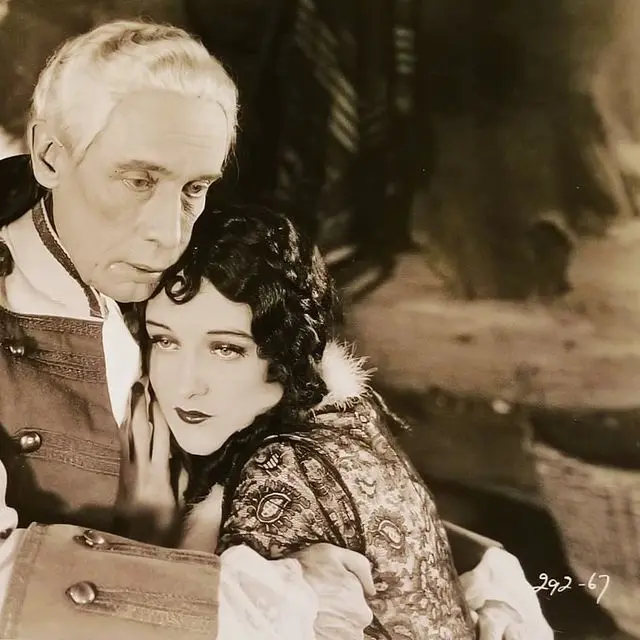
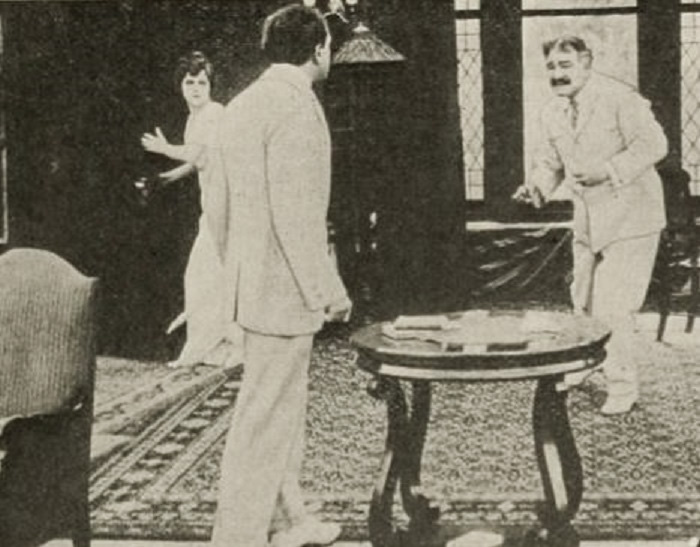
Scene from Winners of the Wilderness
Cinematic perspective: Exploring the visual vocabulary of Winners of the Wilderness (1927) through its definitive frames.
Is Winners of the Wilderness Worth Watching in the Modern Era?
To truly appreciate Winners of the Wilderness, one must approach it not as a fully-formed piece of entertainment by today's standards, but as an artifact. It's a window into a past era of filmmaking, an era where storytelling relied heavily on exaggerated gestures, expressive intertitles, and the audience's willingness to fill in emotional gaps.
The film's primary value lies in its historical context. It’s a foundational piece, a stepping stone. It showcases the ambition of early filmmakers to tackle large-scale historical dramas, even with the technological limitations of the 1920s. For anyone studying the evolution of narrative cinema, it holds significant weight.
However, for a casual viewer expecting the kind of immediate engagement offered by contemporary cinema, the experience can be trying. The slow pace, the reliance on visual cues over dialogue, and the often melodramatic performances require a shift in viewing habits that many are unwilling or unable to make. It is not a film that effortlessly crosses the decades.
A Glimpse into Early Hollywood: The Narrative Landscape
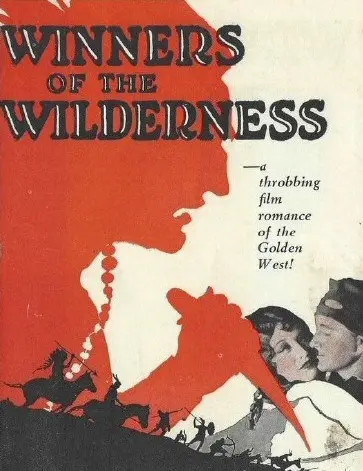
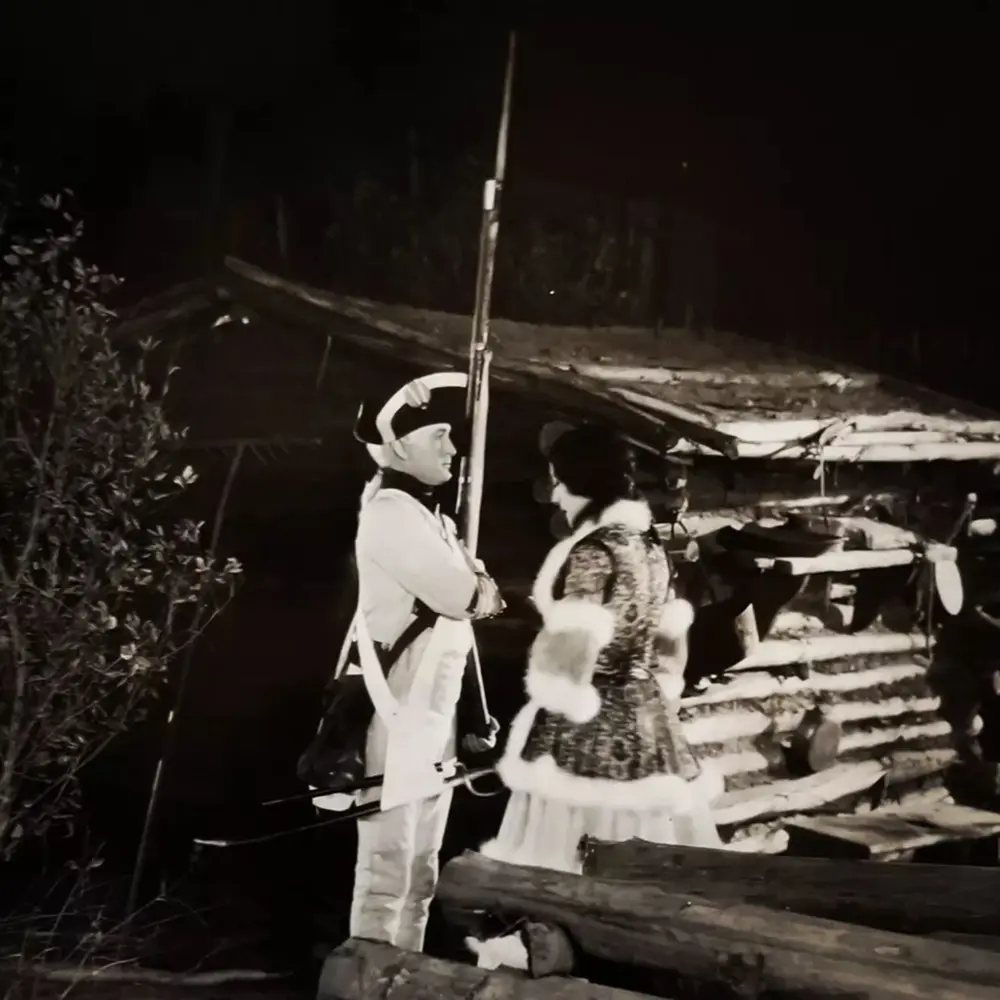
The plot of Winners of the Wilderness, penned by Josephine Chippo, Marian Ainslee, and John T. Neville, is a straightforward romantic adventure set against the backdrop of the French and Indian War. We follow Colonel O'Hara, a rugged and heroic 'wilderness fighter,' as he navigates the complex loyalties and brutal realities of the frontier. His heart, however, is captured by Rene, the daughter of the French forces' commander.
This central romance forms the emotional core, providing a personal anchor amidst the broader historical conflict. The narrative quickly establishes the stakes when Rene is kidnapped by Pontiac's Indian forces, setting O'Hara on a classic damsel-in-distress rescue mission. It’s a simple, effective setup for a silent film, prioritizing clear motivations and dramatic action over nuanced character arcs.
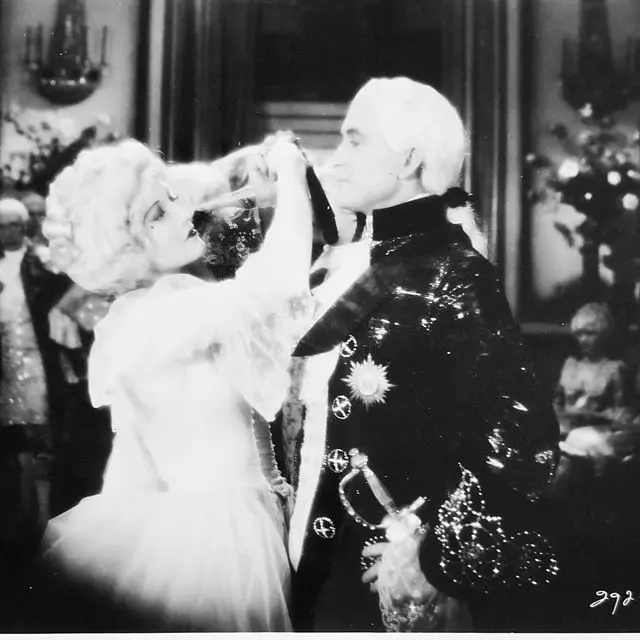
Scene from Winners of the Wilderness
Cinematic perspective: Exploring the visual vocabulary of Winners of the Wilderness (1927) through its definitive frames.
What's striking is how the film uses the grand canvas of the French and Indian War as little more than elaborate set dressing for a rather conventional love story. The historical context, while present in costumes and settings, rarely feels deeply explored or integrated into the characters' personal struggles beyond providing a catalyst for their separation and eventual reunion. It's a romance first, a historical drama second.
The portrayal of indigenous peoples, particularly Pontiac and his forces, reflects the deeply ingrained prejudices and simplistic hero-villain dynamics common in cinema of this era. They are largely depicted as antagonists, lacking individual agency or complex motivations beyond their role in the abduction. This aspect, while historically accurate to the filmmaking trends of the 1920s, is undeniably problematic for a contemporary audience and actively detracts from any historical merit the film might otherwise claim.
The story's progression is predictable, adhering to the melodramatic conventions that silent audiences expected. There are moments of tension, particularly during the kidnapping and the subsequent pursuit, but the outcome is rarely in doubt. This isn't a film designed to surprise, but rather to deliver a satisfying, if familiar, arc of heroism and eventual romantic triumph.
Performances Under the Veil of Silence
The cast of Winners of the Wilderness is a fascinating ensemble, particularly for those interested in the nascent careers of future stars. Tom O'Brien, as Colonel O'Hara, embodies the stoic, brave hero. His performance is typical of the era: broad gestures, clear facial expressions, conveying emotion without spoken dialogue. He's a serviceable lead, projecting strength and determination, though his character rarely moves beyond the archetype.
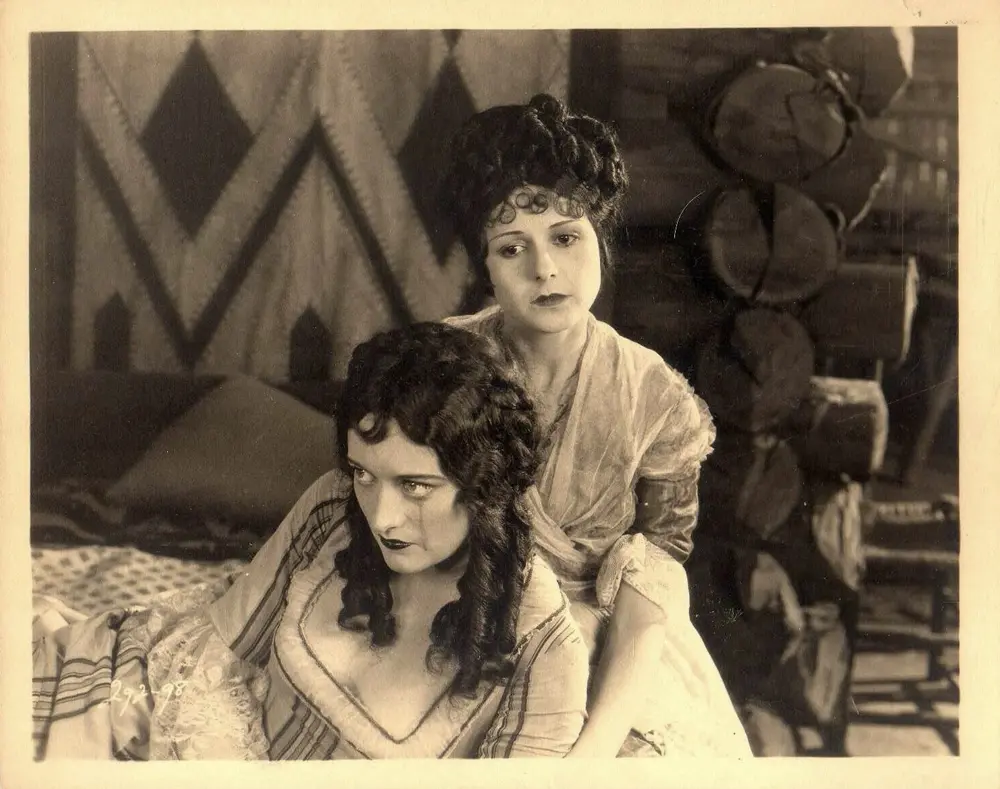
Louise Lorraine, as Rene, the object of O'Hara's affections, fulfills the role of the beautiful, vulnerable heroine. Her performance is competent, eliciting sympathy during her captivity and radiating grace in her romantic scenes. She handles the physical demands of her role, particularly the kidnapping sequence, with a certain dramatic flair that was essential for silent acting.
Scene from Winners of the Wilderness
Cinematic perspective: Exploring the visual vocabulary of Winners of the Wilderness (1927) through its definitive frames.
However, the true draw for many film historians and enthusiasts lies in the uncredited, early appearances of Jean Arthur and Joan Crawford. Jean Arthur, who would later become a beloved screwball comedy icon, has a small role here, barely hinting at the unique blend of wit and vulnerability that would define her later work. It's a fleeting glimpse, a whisper of the talent to come.
Joan Crawford's presence is even more peripheral, a blink-and-you'll-miss-it appearance as an extra. To call it a 'performance' would be generous; it's more of a cameo for the keen-eyed observer. Yet, the knowledge of these future titans gracing the screen, even in such minor capacities, imbues the film with a unique, almost archaeological appeal. It’s a testament to the grind of early Hollywood, where even future stars had to pay their dues in bit parts.
Roy D'Arcy, playing the antagonist, delivers a performance rich in silent-era villainy. His sneering expressions and theatrical menace are effective in establishing him as a clear foil to O'Hara. His character is designed to be despised, and D'Arcy commits to this with gusto. The supporting cast, including Edward Connelly and Chief John Big Tree, fills out the world with varying degrees of success, their performances often more functional than memorable.
Overall, the acting is a product of its time. It’s effective within the conventions of silent cinema, but it requires a different kind of engagement from the audience. The performances are more a curiosity for what the actors became than a triumph in themselves, though they serve the narrative adequately.
Directorial Choices and Cinematographic Ambitions
Directed by Edward Connelly, Winners of the Wilderness attempts a grand scope that was ambitious for a 1927 production. Connelly's direction is competent, if not groundbreaking. He handles the action sequences, particularly Rene's kidnapping and O'Hara's subsequent pursuit, with a clear understanding of how to build visual tension in a silent format. The scenes in the wilderness leverage the natural landscape, adding a sense of scale to the adventure.
Scene from Winners of the Wilderness
Cinematic perspective: Exploring the visual vocabulary of Winners of the Wilderness (1927) through its definitive frames.
The cinematography, while not attributed to a specific individual in the provided context, showcases the typical black-and-white aesthetic of the era. There are wide shots attempting to capture the vastness of the American frontier, and closer shots to emphasize character emotions during dramatic moments. Lighting is straightforward, designed for clarity rather than artistic flourish, which was standard for the period.
One notable aspect is the reliance on intertitles. These textual inserts not only convey dialogue but also provide exposition and bridge narrative gaps. Connelly uses them effectively to guide the audience through the plot, though the sheer volume can feel disruptive to modern viewers accustomed to more fluid visual storytelling. Unlike a film such as The Temptress which uses visual storytelling to heighten melodrama, here the intertitles are more functional than artistic.
The film's ambition to portray the French and Indian War is commendable, even if the execution feels more like a backdrop than a fully integrated element. The battle scenes, while limited by budget and technology, convey a sense of conflict, primarily through the movement of large groups of extras and the occasional close-up of a skirmish. It's a testament to the early industry's desire to tackle epic themes, even with nascent tools.
It's fascinating how a film so ostensibly focused on a grand historical conflict ultimately boils down to a rather conventional damsel-in-distress narrative, almost sidestepping the broader implications of the French and Indian War. The directorial choices reinforce this focus on the personal drama, making the historical setting more of a stage than a character in itself. This approach, while perhaps limiting, ensures the audience remains focused on the central romance and rescue.
Pacing, Tone, and the Test of Time
The pacing of Winners of the Wilderness is undeniably slow by contemporary standards. Silent films operated on a different rhythm, allowing for longer takes, more deliberate character movements, and the necessary pauses for reading intertitles. This can be a significant hurdle for viewers accustomed to the rapid-fire editing and constant stimulation of modern cinema.
Scene from Winners of the Wilderness
Cinematic perspective: Exploring the visual vocabulary of Winners of the Wilderness (1927) through its definitive frames.
The film's tone is largely melodramatic, oscillating between romantic idealism and moments of intense peril. There's a clear good-versus-evil dynamic, with little room for moral ambiguity. This straightforward approach was typical of the era, providing audiences with clear emotional cues and a satisfying sense of justice by the film's conclusion. It’s a classic adventure romance through and through.
Compared to more experimental or artistically daring films of the silent era, such as F.W. Murnau's Underworld from the same year, Winners of the Wilderness feels more conventional. It adheres to established formulas, prioritizing accessibility and broad appeal over innovative techniques. This isn't necessarily a flaw, but it does position the film as a solid example of mainstream silent entertainment rather than a groundbreaking work.
The film's ability to hold up over time is largely dependent on the viewer's appreciation for its historical context. Without that lens, its dated portrayals, slow pace, and simplistic narrative can feel tedious. With it, however, it becomes a valuable piece of cinematic archaeology, revealing much about the industry, its stars, and its audiences almost a century ago. It's a product of its time. Flawed, but historically rich.
Pros and Cons
Pros:
Historical significance as an early silent film.
Glimpses of future stars Jean Arthur and Joan Crawford in their formative years.
An ambitious attempt at a historical epic for its era.
Dated and problematic portrayals of indigenous peoples.
Simplistic plot and character development.
Relies heavily on intertitles, which can interrupt visual flow.
Performances are broadly melodramatic, typical of the silent era but less nuanced than contemporary acting.
Key Takeaways
Best for: Film historians, silent movie enthusiasts, and fans interested in the early careers of Jean Arthur and Joan Crawford.
Not for: Viewers seeking fast-paced action, complex narratives, or contemporary sensibilities in historical dramas.
Standout element: Its value as a historical document, offering a rare look at early Hollywood's ambition and the genesis of cinematic legends.
Biggest flaw: The severely dated and stereotypical depiction of Native American characters, which is difficult to overlook.
Verdict
Winners of the Wilderness is not a film that will resonate with everyone. It is a niche experience, a journey back to the foundational years of American cinema. Its historical significance, particularly the presence of burgeoning talents like Jean Arthur and Joan Crawford, is its strongest asset. For those willing to engage with its particular language and forgive its significant cultural shortcomings, there's a certain charm in witnessing a piece of film history unfold.
However, for a general audience, its slow pace and simplistic narrative, coupled with its problematic portrayals, make it a difficult recommendation for casual viewing. It serves best as a scholarly curiosity or a testament to how far cinema has evolved. If you are deeply invested in the evolution of film and its stars, then yes, it's worth a watch. Otherwise, you might find your patience tested. It’s an interesting film, certainly. But it’s flawed. Deeply.