DbcultAccessing Vault...
Cult Review
Senior Film Conservator
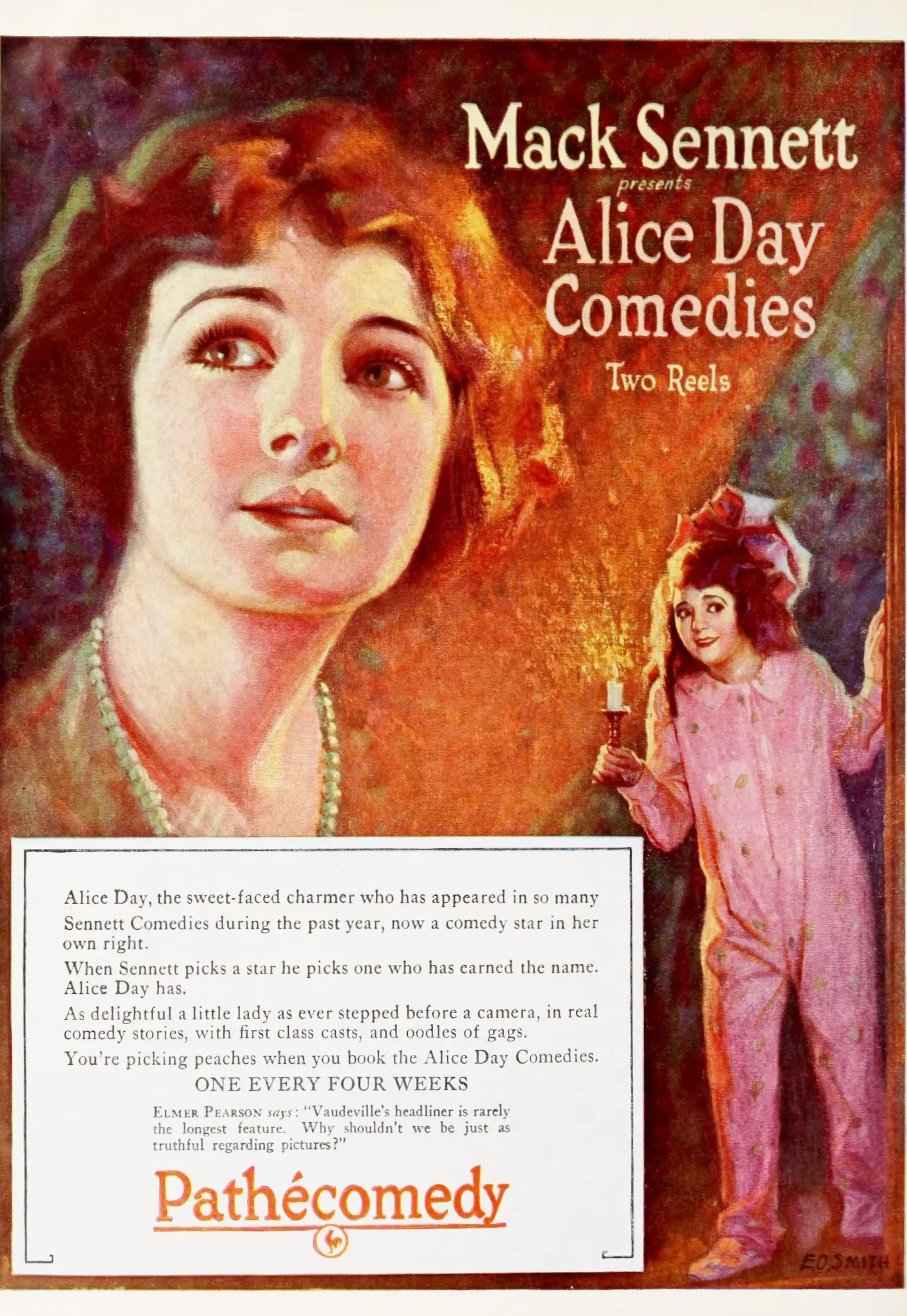
Is Tee for Two a must-watch for the modern cinephile? Short answer: No, unless you are a dedicated student of silent slapstick or have an inexplicable obsession with 1920s golf culture. This film is a historical artifact that serves as a fascinating, if occasionally tedious, example of how early cinema leveraged specific hobbies to create broad, relatable humor.
For the casual viewer, the pacing will feel archaic. For the historian, it is a treasure trove of physical comedy mechanics. This film is for those who appreciate the roots of the Three Stooges and the Francisco sisters; it is not for those who demand narrative complexity or high-stakes drama.
In a landscape dominated by high-octane blockbusters, Tee for Two offers a quaint, almost primitive look at romance and sport. It is worth watching if you want to see the early work of writers like Felix Adler, who would later refine this brand of chaos for the Three Stooges. However, if you are looking for a cohesive story that stands the test of time, you might find this short lacking the staying power of a Buster Keaton or Charlie Chaplin production.
1) This film works because the physical chemistry between Raymond McKee and Evelyn Francisco provides a grounded center to the surrounding golf-course madness.
2) This film fails because it relies too heavily on the novelty of a 'girl golfer,' a trope that has lost its bite in the intervening century.
3) You should watch it if you enjoy seeing how early 20th-century American cinema interpreted Scottish identity through a purely aesthetic lens.
The film centers on Evelyn Francisco, one of the three famous Francisco sisters, who brings a level of poise that contrast sharply with the frantic energy of the supporting cast. Her character is a Scottish girl whose identity is largely defined by her kilt and her golf swing. In 1925, the 'Scottish expert' was a common trope, playing on the global reputation of Scotland as the home of golf. Francisco plays it straight, which is the only way this kind of comedy works. If she were in on the joke, the slapstick would feel hollow.
Raymond McKee plays the American suitor with the requisite wide-eyed earnestness of the era. McKee was a veteran of the 'Educational Pictures' circuit, and his ability to take a fall or react to a missed putt is practiced and professional. There is a specific scene where McKee attempts to impress his father with a drive, only to fail miserably. The timing of his frustration is a masterclass in silent reaction. It reminds me of the more refined comedic timing found in Plain Clothes, though Tee for Two is far more focused on physical gags than narrative wit.
The direction, while uncredited in many archives but influenced by the Mack Sennett school of thought, is functional. The camera remains mostly static, allowing the actors to move within the frame like stage performers. This works for the golf sequences, as it allows the viewer to see the full trajectory of the physical comedy. When Bobby Dunn enters the fray, the energy shifts. Dunn, known for his ocular injury that never stopped his career, brings a chaotic, almost jittery presence to the screen. His interactions with the golf bags and the terrain are where the film feels most alive.
The pacing is brisk, as is typical for a short of this period. It doesn't overstay its welcome, but it does repeat its primary gag—the 'unexpectedly good female athlete'—a few too many times. By the third time Francisco outshoots a man, the point has been made. However, the film avoids the heavy-handed melodrama found in other 1925 releases like Chickie or the grand scale of The Four Horsemen of the Apocalypse. It knows it is a 'spice of the program' short and stays in its lane.
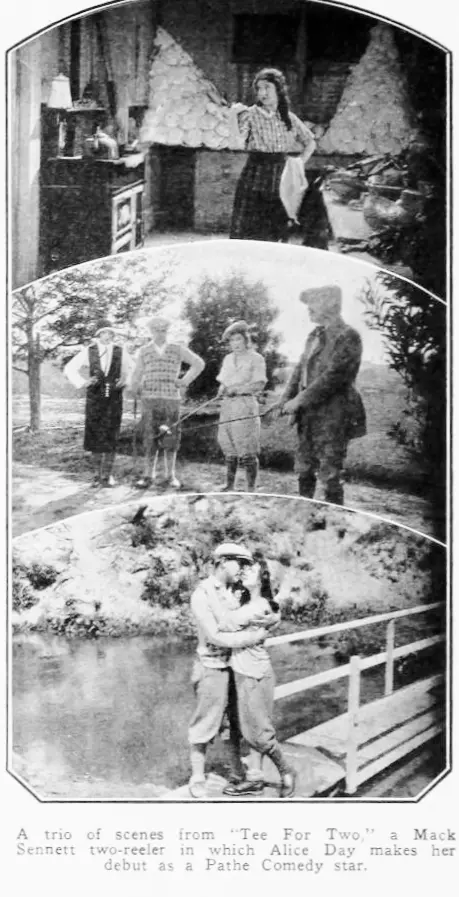
One cannot discuss Tee for Two without mentioning Felix Adler. Adler was a writer who understood the mechanics of a gag better than almost anyone in Hollywood. In this film, you can see the proto-Stooge elements: the use of props as weapons, the social embarrassment of the elite, and the rapid-fire succession of physical mishaps. The scene where the father-in-law is nearly struck by a stray ball is classic Adler. It’s violent, it’s fast, and it’s perfectly timed. It’s a gimmick. But it works within the context of 1920s expectations.
The writing by Al Giebler and Adler doesn't strive for poetry. It strives for the 'laugh-per-minute' ratio that kept the silent era profitable. When compared to a film like Beaches and Peaches, Tee for Two feels slightly more sophisticated because it uses a sport to drive the plot rather than just a location. It’s a subtle distinction, but it shows a move toward more structured short-form storytelling.
Cinematographically, the film is bright and clear, taking full advantage of the California sunshine that stood in for both Scotland and the American East Coast. The use of deep focus during the golf matches is impressive for the time. You can see the ball, the swing, and the reaction of the gallery all in one shot. This transparency is vital for sports comedy. If you cut away too much, the audience loses the 'reality' of the feat. When Francisco makes a difficult shot, the film ensures we see the mechanics of it.
The tone is relentlessly cheerful, which is both its strength and its weakness. There is no real threat here. The 'conflict' is whether a rich man will like his son's girlfriend because she can hit a ball well. It’s a low-stakes environment that feels worlds away from the gritty realism of Assunta Spina or the historical weight of Binnaz. It is pure escapism, designed for an audience that wanted to forget the world for twenty minutes.
Pros:
- Excellent physical comedy from Bobby Dunn.
- A rare look at 1920s golf equipment and country club social dynamics.
- Short and punchy runtime that doesn't drag.
- Charming performances from the leads.
Cons:
- The 'Scottish' caricature is extremely dated.
- Narrative resolution is predictable and lacks impact.
- Secondary characters like Eva Thatcher are underutilized.
Tee for Two is a 1925 silent comedy short about a Scottish woman who uses her expert golf skills to win the approval of her American boyfriend's wealthy father. The film stars Raymond McKee and Evelyn Francisco and is known for its blend of romantic comedy and traditional slapstick. It highlights the 1920s obsession with golf as a symbol of social status.
Tee for Two is a serviceable piece of silent era entertainment. It doesn't reach the heights of the decade's greatest comedies, but it doesn't sink into total obscurity for a reason. The film is a light, airy, and ultimately harmless diversion. It’s a product of its time. It works. But it’s flawed. If you’ve already seen the major works of the era, such as The Sporting Venus (which also deals with Scottish themes and sports), this is a decent follow-up. Just don't expect it to change your life or your golf game. It is a pleasant relic that reminds us that even a century ago, the easiest way to a man's heart—or at least his father's—was through a perfect follow-through.
IMDb 6
1936
Community
Log in to comment.