DbcultAccessing Vault...
Cult Review
Senior Film Conservator
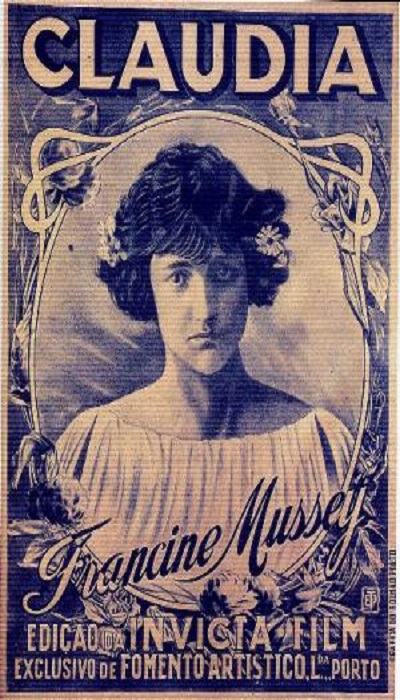
When director George Pallu announced his intention to transpose the Cinderella archetype onto the bustling streets of Lisbon, the expectation was a glossy romance peppered with fairy‑dust. What emerged instead is a textured, socio‑political commentary that interrogates class mobility, digital voyeurism, and the alchemy of culinary art. The film’s opening sequence—an aerial sweep over the Tagus River, the camera lingering on the neon‑glow of a downtown bistro—sets a tone that is simultaneously romantic and gritty. The palette is deliberately muted, allowing the occasional splash of golden amber from kitchen flames to punctuate the darkness, a visual metaphor for hope igniting amid oppression.
Elisa Carreira’s Cláudia is a revelation. She eschews the saccharine innocence traditionally associated with the character, opting instead for a restrained, almost stoic demeanor that gradually unfurls into fierce determination. Her eyes—often caught in close‑up against the backdrop of steaming pots—convey a language beyond dialogue, a silent negotiation with the audience. Erico Braga, embodied by the charismatic Erico Braga, is a study in narcissistic charm; his performance oscillates between flamboyant showmanship and vulnerable insecurity, especially in the scenes where he confronts his own mediocrity. Emilia D'Oliveira’s step‑mother, a corporate property manager, exudes a cold efficiency that feels eerily contemporary, reminding viewers of the modern “evil step‑parent” who wields power through bureaucracy rather than magic.
The screenplay, also penned by Pallu, is a labyrinthine tapestry woven with subplots that echo the original fairy tale while refusing to be a mere retelling. The narrative arc follows a three‑act structure but subverts expectations in the middle act: instead of a magical godmother, Cláudia receives assistance from an underground collective of kitchen staff—each a character in their own right, portrayed by a supporting ensemble that includes Francine Mussey and Mario Pedro. Their clandestine tailoring of a dress from discarded tablecloths feels both resourceful and symbolic, suggesting that beauty can be reclaimed from waste. The climax, a power outage at the gala, is not a contrived plot device; it mirrors the literal darkness that obscures the class divide, and the subsequent chase through the city’s back‑alleys becomes a kinetic ballet of desperation and revelation.
Pallu’s visual language is a masterclass in contrast. The predominant black backdrop of the film’s mise‑en‑scene is punctuated by strategic bursts of yellow—the glow of street lamps, the flicker of a kitchen’s fire, the shimmer of Cláudia’s makeshift gown. This chromatic choice not only guides the viewer’s eye but also underscores moments of revelation. The sea‑blue tones that dominate Júlio Cunha’s scenes serve as a visual cue for his role as the enigmatic benefactor, evoking both depth and calm. The sound design is equally meticulous; the clatter of pots and pans becomes a percussive underscore, while a subtle synth‑driven score by local composer Ana Ribeiro weaves through the narrative, echoing the digital hum of social media feeds that permeate the film’s world.
Beyond its fairy‑tale veneer, Cláudia interrogates the commodification of talent in the age of influencer culture. The gala, reminiscent of the royal ball in the classic story, is reimagined as a televised culinary competition where judges—played by António Pinheiro and Alda de Azevedo—evaluate contestants based on both skill and marketability. This mirrors contemporary reality shows, drawing a parallel to the way modern “princes” are often media conglomerates rather than monarchs. The film also critiques the gig economy: Cláudia’s unpaid labor, the precariousness of her living conditions, and the exploitative dynamics of her step‑mother’s property management echo the lived realities of many millennials in Portugal.

For viewers familiar with the melancholic romance of Unsühnbar, Cláudia offers a similarly stark portrayal of class tension, albeit through a more optimistic lens. The kinetic energy of the chase sequence recalls the frantic pursuit in Stop That Shimmy, while the culinary motif shares a thematic kinship with the food‑centric storytelling of Varázskeringö. Moreover, the film’s exploration of identity and performance can be juxtaposed with the layered narrative of Strathmore, where personal ambition collides with societal expectations.
Pallu’s direction balances intimacy with spectacle. The close‑ups of Cláudia’s hands as they knead dough are intercut with sweeping shots of Lisbon’s rooftops, creating a rhythm that mirrors the film’s central theme: the interplay between personal craft and public display. The editing, overseen by Maria Pinto, employs jump‑cuts during the social media montage, a technique that evokes the fragmented attention spans of modern audiences, yet the transitions remain fluid enough to maintain narrative cohesion. The final reveal—where the single glass heel is displayed on a massive screen for the city’s inhabitants—uses a slow‑motion dissolve that feels both cinematic and symbolic, underscoring the fragility and resilience of the protagonist’s journey.
The soundtrack, a blend of traditional fado whispers and contemporary electronic beats, underscores the duality of the film’s setting: ancient streets juxtaposed with neon‑lit clubs. Notably, the recurring motif of a solitary violin—played during Cláudia’s moments of solitude—evokes the melancholy of classic Cinderella adaptations while remaining distinctively modern. The diegetic sounds of kitchen clatter serve as a percussive backbone, reinforcing the notion that the protagonist’s identity is forged as much in the heat of the stove as in the glow of the ballroom lights.
Since its premiere at the Lisbon International Film Festival, Cláudia has sparked conversation on social platforms about the representation of working‑class women in Portuguese cinema. Critics have lauded its nuanced portrayal of gender dynamics, noting that the film refrains from romanticizing the “rags‑to‑riches” narrative; instead, it emphasizes agency and community support. The audience’s response—evident in the viral hashtag #ClaudiaRises—demonstrates the film’s resonance beyond the screen, inspiring grassroots culinary workshops and discussions on labor rights.
Cláudia stands as a testament to the power of reimagining classic narratives through contemporary prisms. Its layered storytelling, bolstered by compelling performances, meticulous production design, and a soundtrack that bridges past and present, elevates it from a simple retelling to a cultural artifact. Whether you are drawn by the allure of a modern Cinderella story, the intrigue of Portuguese cinema, or the broader discourse on class and creativity, this film offers a richly textured experience that lingers long after the credits roll.

IMDb 5.6
1929
Community
Log in to comment.