DbcultAccessing Vault...
Cult Review
Senior Film Conservator
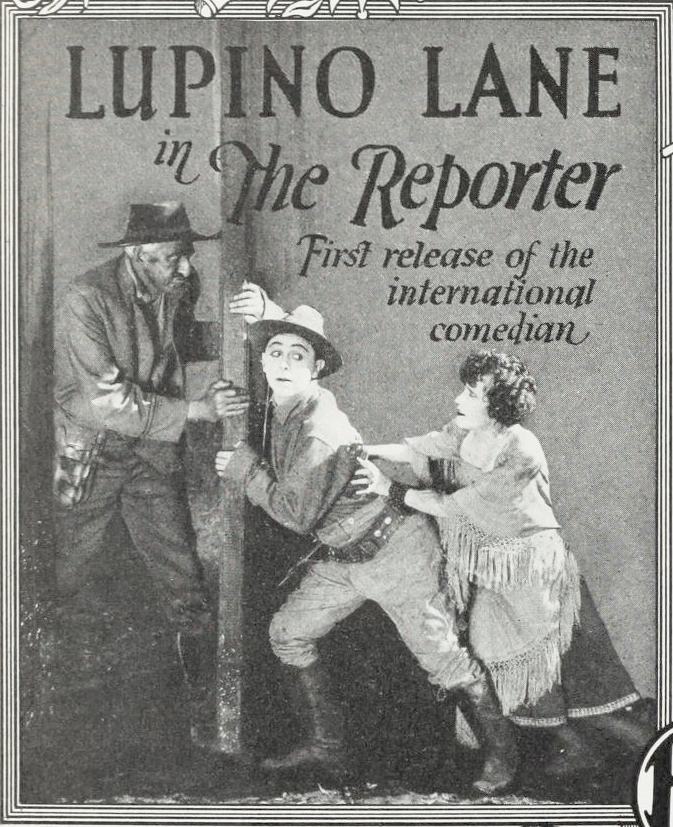
The Reporter, with Lupino Lane at its helm, plunges into the depths of a revolution in Mexico, a nation torn asunder by the conflicting desires for freedom and the entrenched forces of oppression. As a reporter, Lane finds himself in the midst of this turmoil, witnessing firsthand the brutal clashes between the insurgent forces and the government, each side determined to claim dominance over the shattered remnants of a once-stable society.
The film's narrative is a complex tapestry, woven from the threads of political intrigue, personal sacrifice, and the unyielding pursuit of truth, all set against the backdrop of a country in the throes of revolution. Lane's character, as the titular reporter, serves as a conduit for the viewer, guiding us through the labyrinthine streets of Mexico, where the sound of gunfire and the scent of smoke hang heavy in the air, and the very fabric of society seems to be unraveling before our eyes.
In comparison to other films of its era, such as Ghost City, The Reporter stands out for its unflinching portrayal of the harsh realities of war and the human cost of revolution. While Jenny Be Good may have captivated audiences with its lighthearted charm, The Reporter delves into the darker aspects of human nature, revealing the depths of courage and despair that define us in times of crisis.
The cinematography is stark and haunting, with each frame painted in hues of desperation and resilience. The yellow of the sun-baked streets contrasts sharply with the dark orange of the setting sun, a poignant reminder of the fleeting nature of life and the inevitability of change. Meanwhile, the sea blue of the Mexican sky above serves as a constant, a symbol of hope and freedom that beckons to those fighting for a better tomorrow.
Lupino Lane's performance is nothing short of mesmerizing, as he brings depth and nuance to his character, navigating the treacherous landscape of a war-torn country with a journalist's instinct and a human's empathy. His interactions with the local populace, from the fervent revolutionaries to the terrified civilians, are poignant and heartfelt, revealing the complexities of a nation in turmoil and the personal stories that often get lost in the grand narrative of history.
The themes of freedom, chaos, and the human condition are woven throughout the film, inviting the viewer to reflect on the universal struggles that bind us together, regardless of our geographical or cultural backgrounds. In this sense, The Reporter is not just a film about a revolution in Mexico; it is a powerful exploration of what it means to be human, to fight for what one believes in, and to survive in the face of overwhelming adversity.
In the context of cinematic history, The Reporter can be seen as part of a broader tradition of films that tackle complex social and political issues, such as Nobody's Wife and Scrambles in the High Alps. However, its unique blend of gritty realism and poignant storytelling sets it apart, making it a compelling watch for audiences interested in films that challenge and inspire.
Furthermore, the film's exploration of the journalist's role in times of conflict is both timely and timeless, echoing themes found in Kultur and Betsy's Burglar. By placing the reporter at the center of the narrative, the film highlights the importance of a free press in holding those in power accountable and giving voice to the voiceless, a message that resonates deeply in today's world.
The Reporter, with its gripping storyline, powerful performances, and thought-provoking themes, is a masterpiece of cinematic storytelling that continues to captivate audiences with its raw emotion and unflinching honesty. It stands alongside other classics of the era, such as Inherited Passions and Die närrische Fabrik, as a testament to the enduring power of film to inspire, to educate, and to challenge our perceptions of the world and our place within it.
As we reflect on the film's impact and relevance in the modern era, it is clear that The Reporter remains a vital and compelling work, one that invites us to consider the ongoing struggles for freedom and justice that continue to shape our world. In the face of overwhelming chaos and uncertainty, the film reminds us of the importance of empathy, courage, and the unwavering pursuit of truth, values that are as essential today as they were during the tumultuous times in which the film is set.
In conclusion, The Reporter is a film that lingers in the mind long after the credits roll, its images, themes, and characters etched into our collective consciousness like the indelible marks of a profound and lasting experience. Whether viewed as a historical document, a work of cinematic art, or a powerful exploration of the human condition, The Reporter is a film that demands to be seen, appreciated, and remembered, standing as a testament to the transformative power of storytelling and the enduring legacy of cinematic excellence.
For those interested in exploring more films that share similar themes and elements, Fear, The Darkening Trail, and Noris offer compelling narratives that delve into the human experience, each with its unique perspective and cinematic approach. Additionally, Coincidence, Daughter of Destiny, and Springtime provide further examples of how cinema can capture the essence of our shared humanity, exploring themes of love, loss, and the passage of time with sensitivity and depth.
Lastly, for a deeper understanding of the cinematic landscape of the era, films like As Man Made Her offer valuable insights into the social, cultural, and artistic currents that shaped the medium, reflecting the anxieties, aspirations, and values of their time. Through these works, we gain a richer appreciation for the evolution of cinema and the significant role it plays in reflecting, shaping, and challenging our perceptions of the world and ourselves.

IMDb 6
1931
Community
Log in to comment.