DbcultAccessing Vault...
7.4/10
Senior Film Conservator
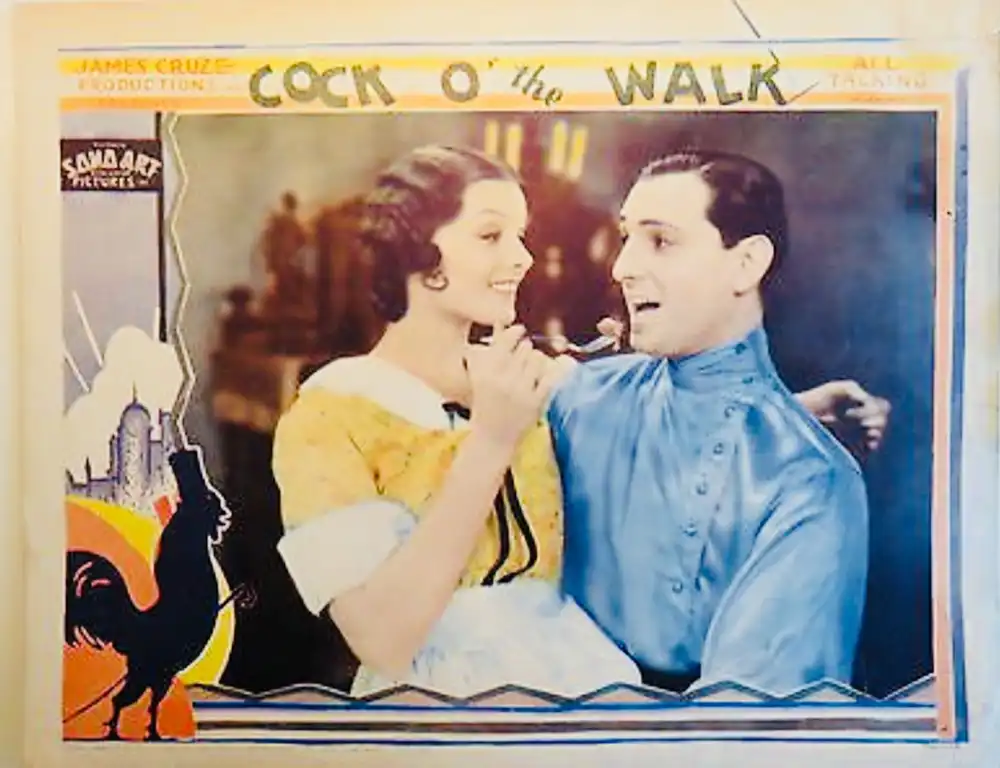
A definitive 7.4/10 rating for a film that redefined the boundaries of cult cinema. Cock o' the Walk remains a cornerstone of transgressive art.
If you are looking for a movie where the main guy is a good person, you should probably just keep scrolling. Cock o' the Walk is a strange little relic from 1930 that follows a guy who is basically a professional moocher.
It is worth watching if you like early 'talkies' that feel a bit unhinged and messy. People who hate 'toxic' characters will absolutely despise this movie within the first ten minutes.
Joseph Schildkraut plays Carlos Lopez, and man, he really leans into being a sleazeball. He walks around Buenos Aires like he owns the place just because he has a mustache and can play a few notes on a fiddle. 🎻
He wants to be this world-class violinist, but he doesn't want to actually work for it. His 'career plan' is basically just sleeping with rich women so they can buy him nice things.
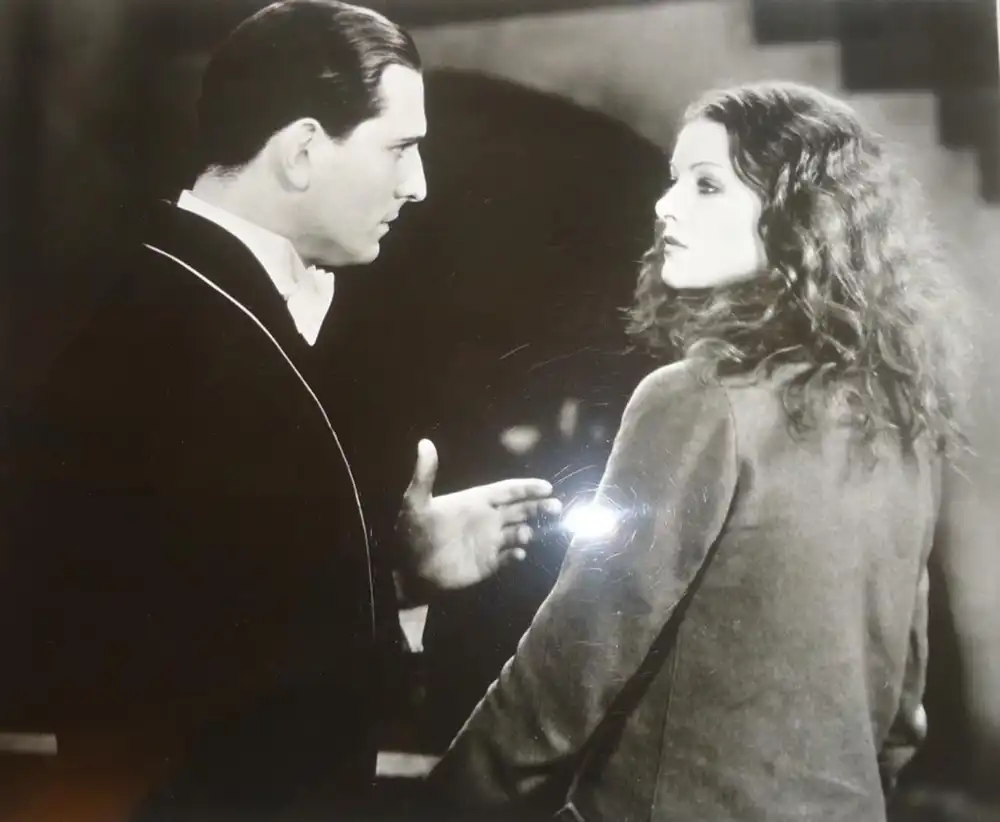
The weirdest part of the whole movie is his relationship with Narita, played by Myrna Loy. She is supposedly the one he actually loves, but she acts as his... well, his scout?
She literally helps him find rich women to target. It is one of those plot points that makes you tilt your head and go, "Wait, what?"
Myrna Loy is easily the best part of this. Even in 1930, before she became a massive star, she had this way of looking at the camera that makes everyone else look like they are overacting.
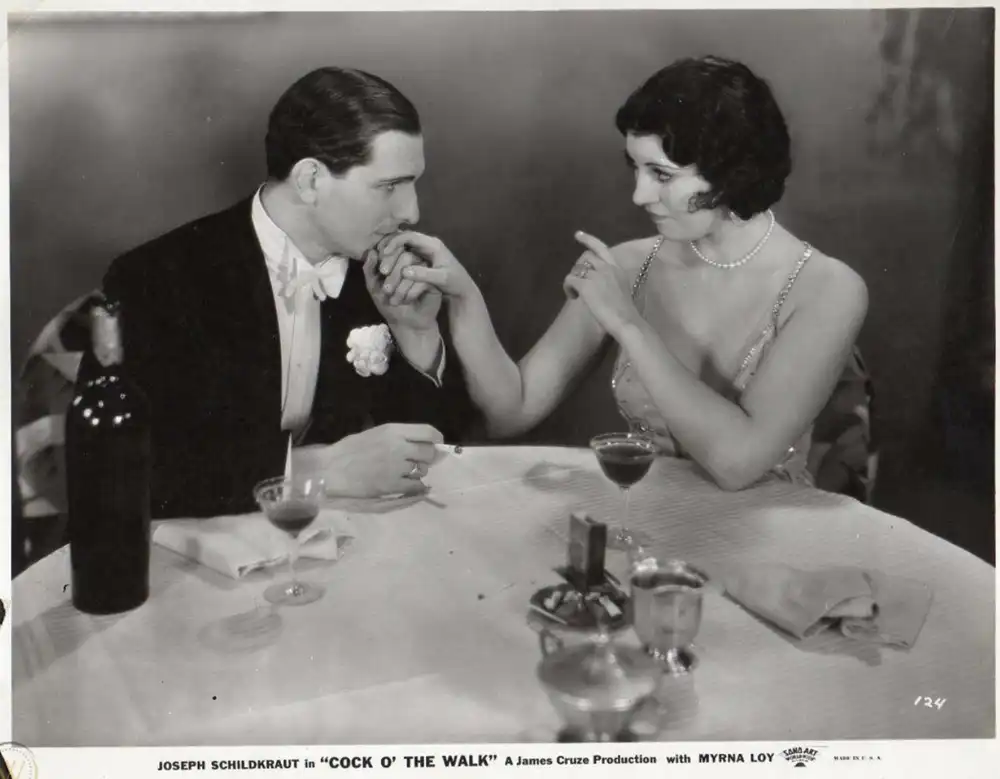
There is this one scene in the Argentina Cafe where the lighting is just a bit too bright. You can see the makeup caked on Carlos's face, and it makes the whole 'handsome sportsman' thing a little hard to swallow. 🤡
The movie moves in a very jagged way. One minute they are talking about music, and the next, some angry husband is showing up to start a fight.
The dialogue is pretty clunky, which is normal for movies from this year. Sometimes a character will say something and then just stand there for three seconds too long waiting for the next person to speak.
It reminds me a bit of the awkward pacing in Dangerous Curve Ahead, where you can almost hear the director breathing behind the camera.
I noticed that the violin playing is clearly faked. Like, his bow hand doesn't even match the music, but I guess in 1930 they figured nobody would notice on those tiny theater screens.
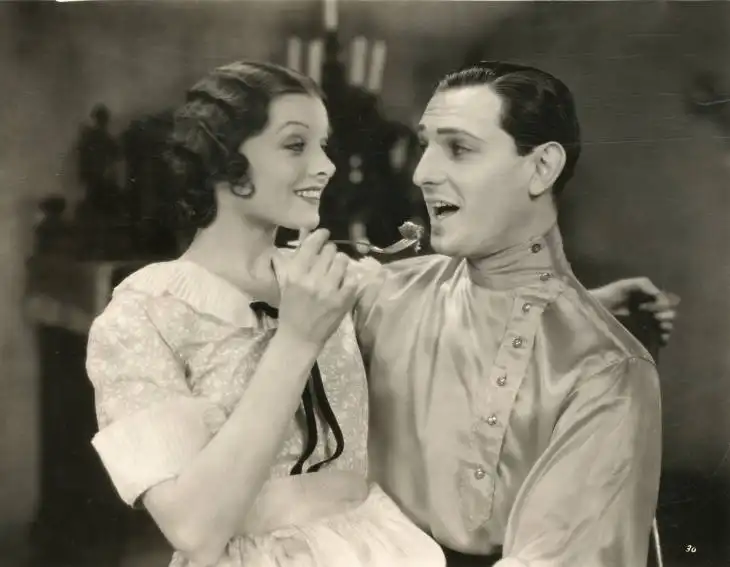
The 'action' scenes, if you can call them that, involve a lot of men in suits shoving each other. It’s very polite violence.
There is a subplot about a virus or something, but the movie forgets about it so fast I thought I imagined it. It's just there to add 'drama' that doesn't really go anywhere.
I found myself wondering why any of these women liked Carlos. He isn't even that nice to them! He has this smug look on his face the whole time, like he’s smelling something slightly bad. 🤨
Maybe that was the appeal back then? The 'bad boy' who wants to play violin? It feels very different from the innocent vibe of something like Snow White.
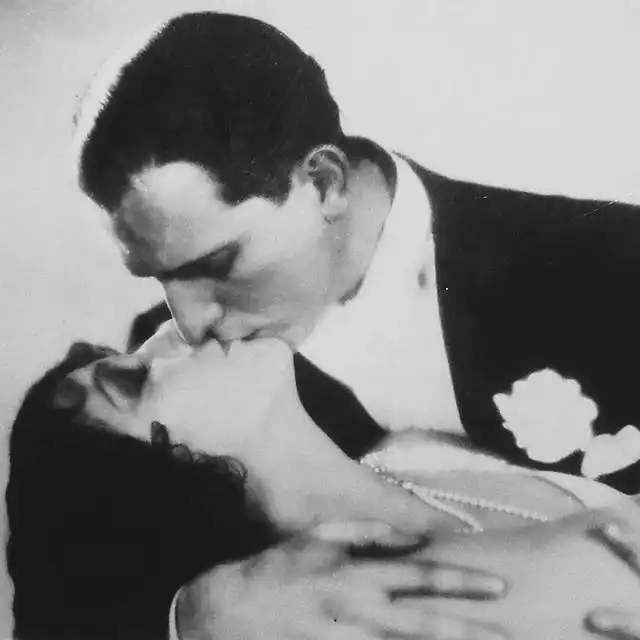
The ending feels rushed, like they ran out of film or the actors had a bus to catch. It doesn't really 'solve' anything, it just... stops.
Actually, there is a moment where Narita looks genuinely heartbroken, and for a second, the movie feels real. Then Carlos says something dumb and the spell is broken.
It’s a fascinating mess. It’s the kind of thing you watch late at night when you can't sleep and you want to see how people in the 30s imagined 'high society' scandals.
Is it a great film? No. Is it better than a boring, 'safe' movie? Yeah, probably.
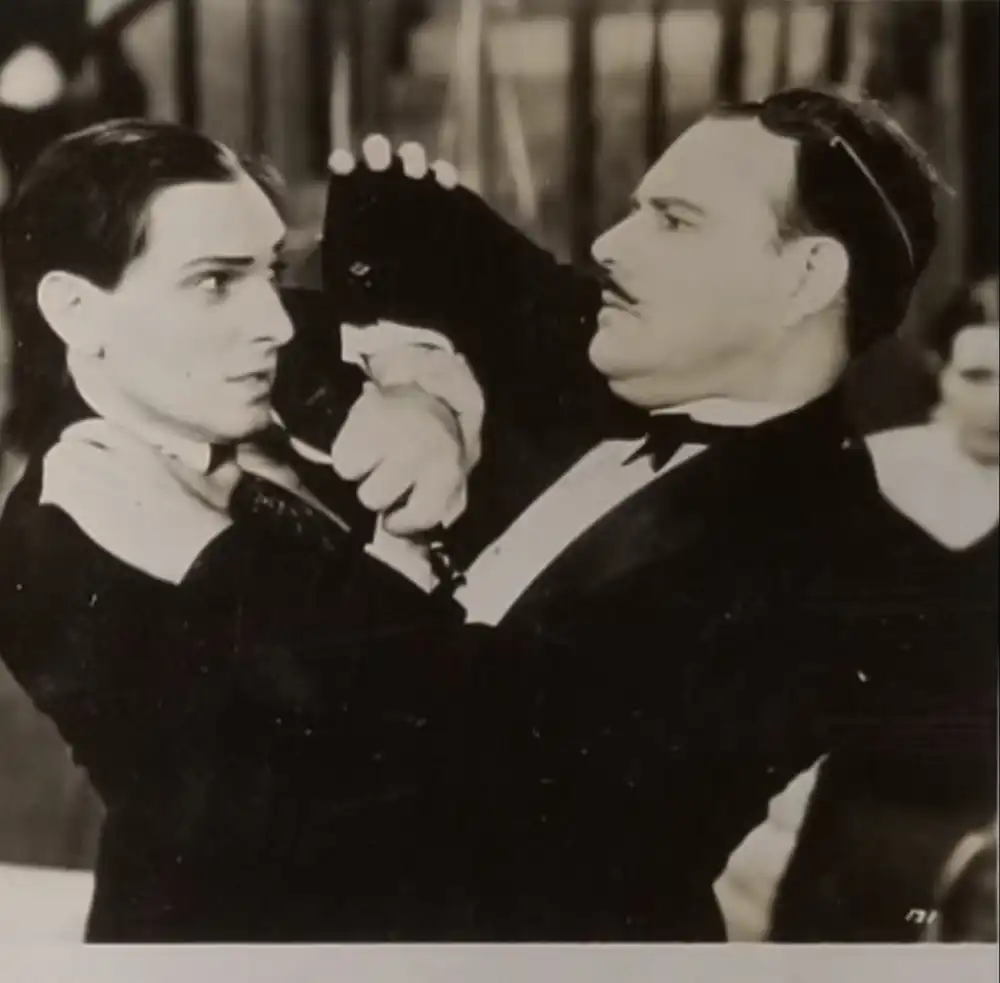
The set design for the cafe is actually pretty cool, though. Lots of shadows and people smoking in the background looking mysterious. 🚬
I’ve seen worse from this era, like What Every Woman Learns, which is way more preachy. At least Cock o' the Walk is honest about its main character being a total garbage human.
If you're into film history, watch it for Myrna. If you want a cohesive story, maybe skip it and watch Redemption instead.
It’s not a masterpiece, but it’s interesting. And sometimes interesting is enough. 🤷♂️
IMDb —
1920
Community
Log in to comment.