DbcultAccessing Vault...
7/10
Senior Film Conservator
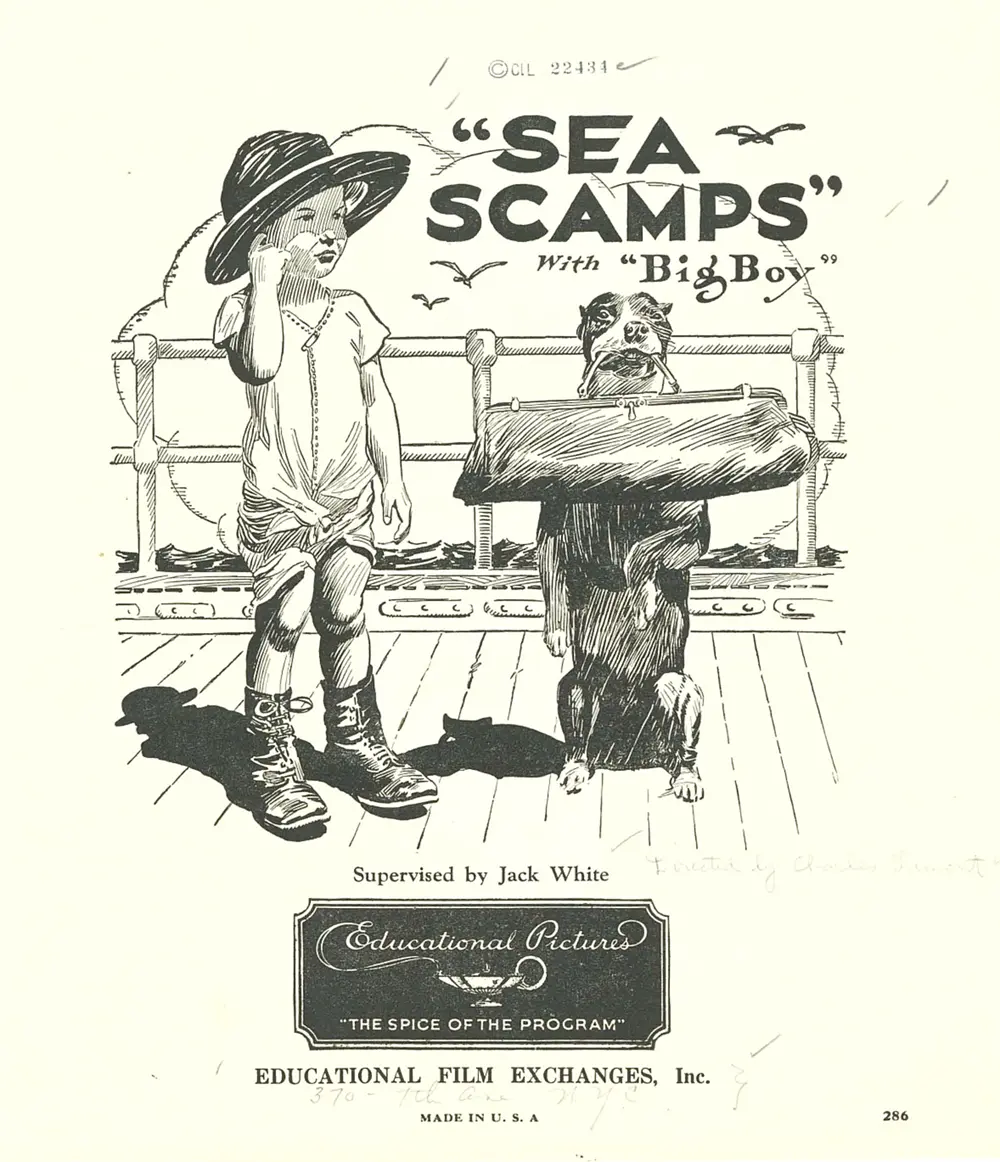
A definitive 7/10 rating for a film that redefined the boundaries of cult cinema. Sea Scamps remains a cornerstone of transgressive art.
Is Sea Scamps a hidden masterpiece of silent-era juvenile comedy? Short answer: yes, but only for those who appreciate the raw, unpolished anarchy of early slapstick where safety was clearly a secondary concern.
This film is for anyone who finds joy in the chaotic energy of the 1920s 'kid gangs' and those who enjoy seeing high-society pretension dismantled by sticky-fingered orphans. It is decidedly NOT for viewers who require a tight, logical plot or those who are sensitive to the sight of children handling high-grade explosives and fire axes without a hint of supervision.
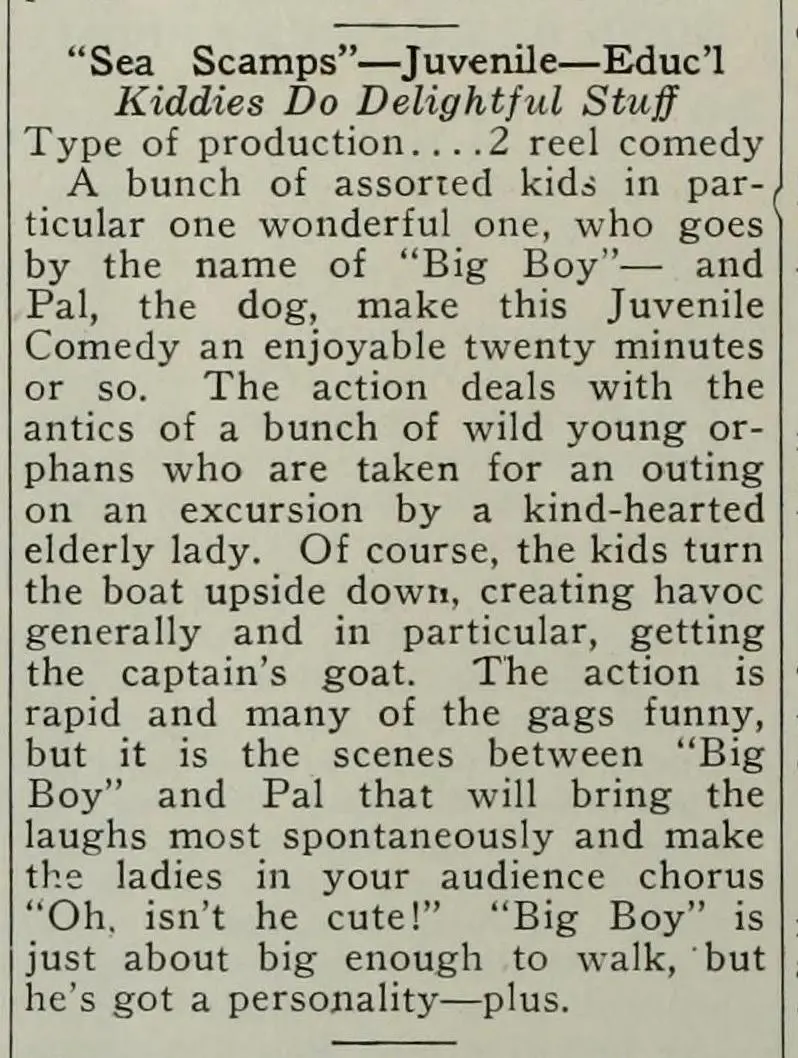
1) This film works because it captures the genuine, unscripted-feeling exuberance of its young cast, turning a simple boat trip into a surrealist nightmare.
2) This film fails because the transition from the flying fish sequence to the fireworks finale feels disjointed, as if two separate short ideas were stitched together with a thin narrative thread.
3) You should watch it if you want to see the cinematic DNA of physical comedy before it was refined and sanitized by the Hays Code.
Sea Scamps functions as a frantic study in escalating stakes. Directed with a frantic pace that barely allows the audience to breathe, the film starts with the relatively grounded premise of a rich lady, Mrs. Bullock, attempting a charitable deed. However, the film quickly abandons its social commentary in favor of pure, unadulterated slapstick. Unlike more sentimental orphan stories like The Waif (1915), Sea Scamps has no interest in pulling at your heartstrings. It wants to pull the rug out from under you.
The acting, particularly by the juvenile leads like Malcolm Sebastian and Harry Spear, is surprisingly naturalistic for the era. They don't act like 'movie kids'; they act like a pack of wolves in overalls. When they decide to 'save' Ginger from a flying fish, their commitment to the destruction of the ship's cabin is terrifyingly sincere. They aren't just performing for the camera; they are experiencing the joy of consequence-free demolition.

The dog, Pal, is the true standout here. His persistence in boarding the ship—climbing a hawser like a seasoned sailor—provides a parallel narrative of determination that mirrors the children's own refusal to be contained. While humans in this film are often caricatures, the dog feels like the most grounded character on screen. It’s loud for a silent film.
Yes, Sea Scamps is worth watching because it represents a specific era of filmmaking where the boundaries of 'child-safe' entertainment were non-existent. The sight of orphans wielding Roman candles and pinwheels inside a wooden ship is both horrifying and exhilarating. It offers a window into the 1920s' obsession with childhood mischief as a form of populist rebellion against the rigid structures of the upper class, embodied by the flustered Mrs. Bullock.

The cinematography in Sea Scamps is relatively static, which was standard for the 'Our Gang' style shorts of the time, yet it uses the confined space of the ship to create a sense of claustrophobia. The director understands that comedy is often found in the frame's edges. For instance, in the scene where the children are loading into the auto, the background action of miscellaneous animals being smuggled in provides more laughs than the primary dialogue intertitles.
The pacing is relentless. Once the ship leaves the dock, the film enters a state of perpetual motion. There is a specific moment where the 'flying fish' enters the cabin—a prop that looks more like a taxidermy nightmare than a living creature—and the resulting chaos is edited with a sharpness that rivals modern action films. The use of fire-axes and water pails isn't just a gag; it's a rhythmic destruction that builds toward the pyrotechnic finale.
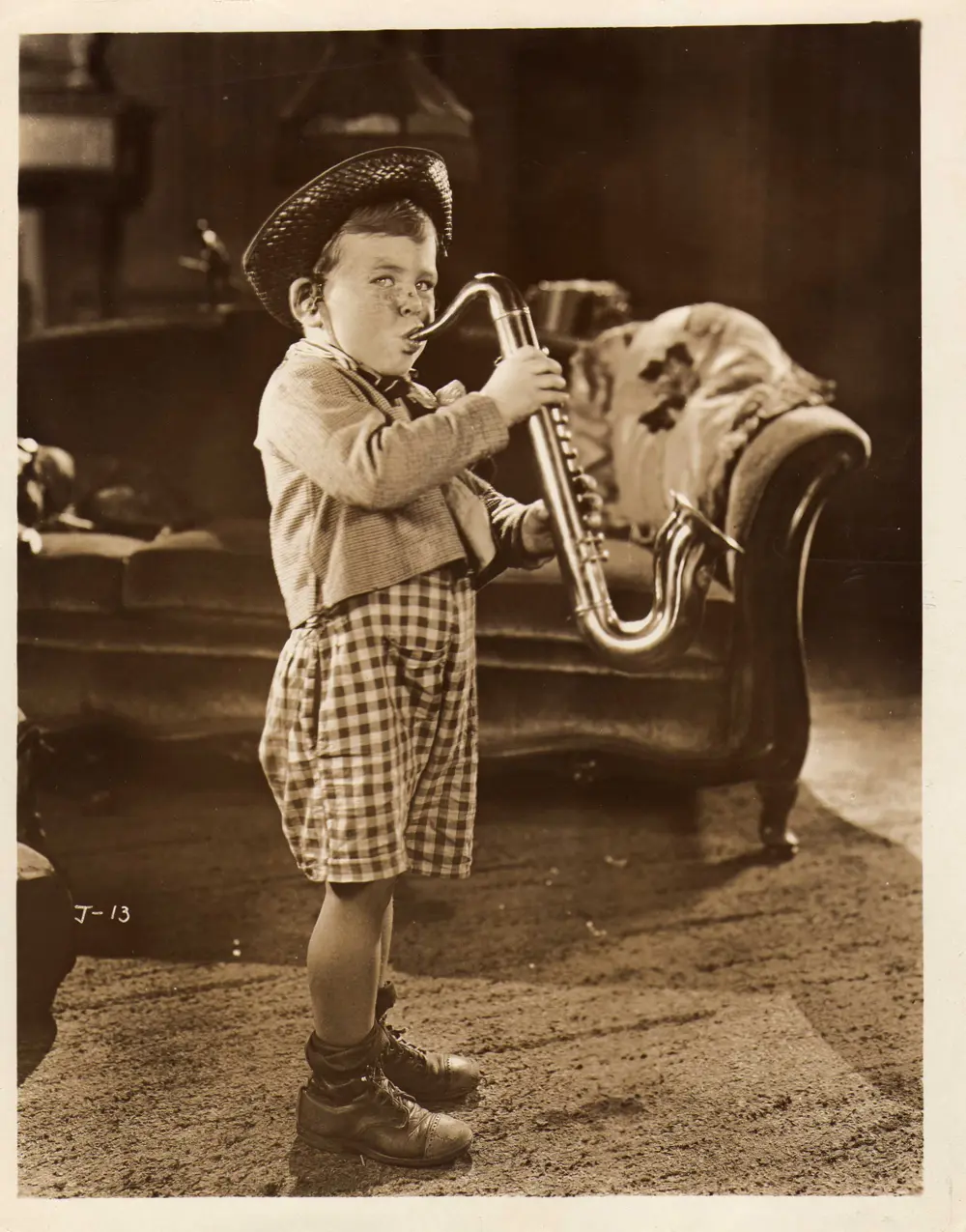
Compared to other transportation-based comedies like Off the Trolley, Sea Scamps feels more dangerous. There is a palpable sense of risk in the fireworks sequence. These aren't CGI sparks; these are real rockets ricocheting off the walls of a small set. It creates an authentic tension that modern comedies, with their safety protocols and digital effects, simply cannot replicate. It works. But it’s flawed.
The inciting incident for the finale is perhaps the most absurd moment in silent cinema. A 'traveling man'—presumably a salesman—offers his sample cases to the children to keep them quiet. The logic is nonexistent. Who gives a group of unsupervised orphans a suitcase full of explosives? Yet, in the world of Sea Scamps, it makes perfect sense. It is the ultimate 'gift' from the adult world to the agents of chaos.
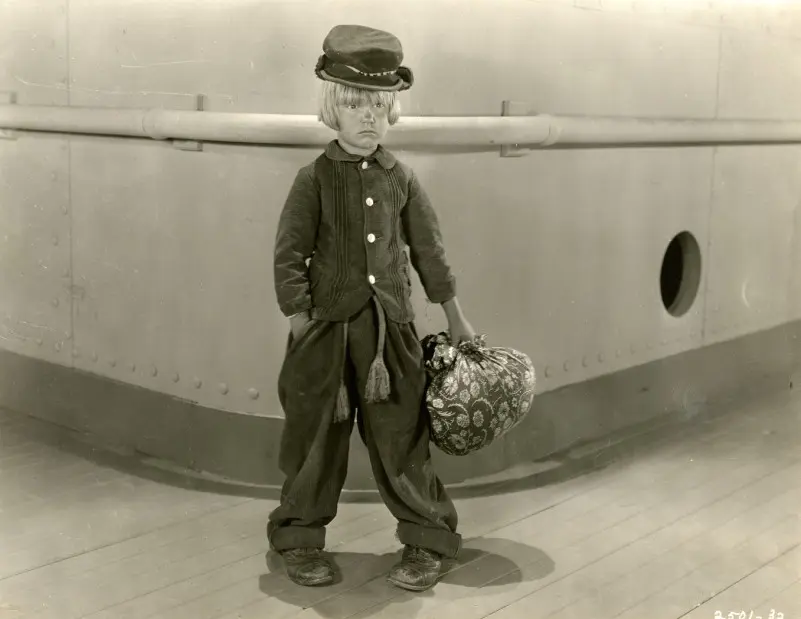
The visual payoff is spectacular. Roman candles shooting through portholes and pinwheels spinning on the deck create a visual texture that is both beautiful and chaotic. The contrast between the dark interior of the ship and the bright flashes of the fireworks shows a sophisticated understanding of light and shadow, even if the intent was purely for laughs. It is a sequence that would be impossible to film today, which is exactly why it remains essential viewing for film historians.
Sea Scamps is a fascinating relic of a time when cinema was as wild and untamed as the children it portrayed. While it lacks the narrative depth of A Celebrated Case or the dramatic weight of Just a Woman, it succeeds as a pure shot of adrenaline. It is a film that embraces the messiness of life. It’s a testament to the idea that sometimes, the best thing you can do with a charitable impulse is to let it blow up in your face. Literally.

IMDb —
1918
Community
Log in to comment.