DbcultAccessing Vault...
Cult Review
Senior Film Conservator
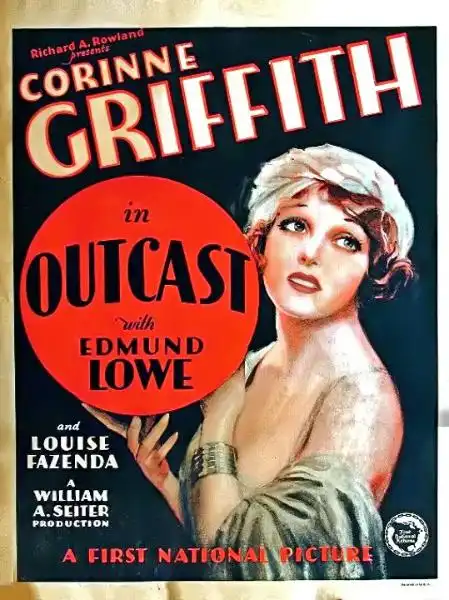
Okay, so Outcast (1928) isn't exactly going to set your world on fire today, unless your world is specifically set on fire by forgotten silent melodramas. If you're someone who genuinely enjoys the quirks of late-era silent film, particularly the kind with a good old-fashioned 'fallen woman' narrative and a lead actress known more for her looks than her range, then yeah, give it a shot. Everyone else? Probably give it a miss. You'll likely just find yourself checking your watch every few minutes, wondering why everyone is so dramatic without actually saying anything.
This is a story that got filmed a lot. Like, a lot. It was a play first, then a silent in 1917 as The World and the Woman, another silent in 1922 as Outcast starring Elsie Ferguson (who also did the stage version), and then this one. Later, Bette Davis even took a crack at it as The Girl from 10th Avenue. So, you're walking into something well-trodden. This 1928 version, directed by William A. Seiter, doesn't really try to reinvent the wheel.
Corinne Griffith, our star, was known as one of the most beautiful women in film, and it's easy to see why. The camera absolutely loves her. She's stunning, always perfectly coiffed, even when her character, Miriam, is supposed to be at rock bottom. There's a scene early on where she's basically being thrown out, and her dress still looks like it just came from a high-end boutique. It's a weird disconnect, but you kind of just roll with it for the era.
Her performance is… well, it’s a silent film performance. Lots of big eyes, hand-wringing, and dramatic turns of the head. Sometimes it works, especially in the quieter moments when she’s just staring off into the distance, conveying a deep sadness. Other times, like when she’s trying to express anger or defiance, it feels a bit too much like she’s posing for a still photograph. You can almost feel the director reminding her to hit her marks and hold the expression.
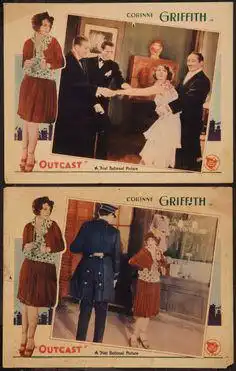
Edmund Lowe plays Geoffrey, the man who sees past Miriam's past. He's got a solid, earnest presence. Their chemistry is a bit hit-or-miss. In some scenes, there’s a genuine tenderness, a feeling that he truly cares. In others, it feels like they’re reciting lines (or, well, acting out intertitles) at each other, rather than truly connecting. One moment, they’re having a deeply emotional exchange, then the next, he’s just standing there, looking slightly confused, while she continues to emote.
The Vitaphone music and sound effects are an interesting layer. For a 1928 film, it adds a certain richness that purely silent films often lacked. The score swells appropriately during dramatic reveals and softens for intimate moments. But the sound effects? They’re rudimentary. A door slam, a creaking floorboard. They’re there, but they don’t exactly immerse you. Sometimes the music feels a little too much, like it’s trying to tell you how to feel, rather than letting the visuals do the work.
Pacing is definitely a thing here. The film starts strong enough, establishing Miriam’s predicament pretty quickly. But then it settles into this rhythm where scenes just… linger. There’s a particular sequence where Miriam is trying to find work, and it just goes on for about five minutes too long. We get it, it’s hard. The repetitive rejections could have been cut down by half without losing any impact.
Then there are the crowd scenes. Oddly empty. Like half the extras wandered off for a tea break. A party scene, meant to show Miriam’s social ostracization, just looks like ten people awkwardly standing in a large room, trying not to look at the camera. It’s hard to feel the weight of social judgment when the 'society' looks so sparsely populated.
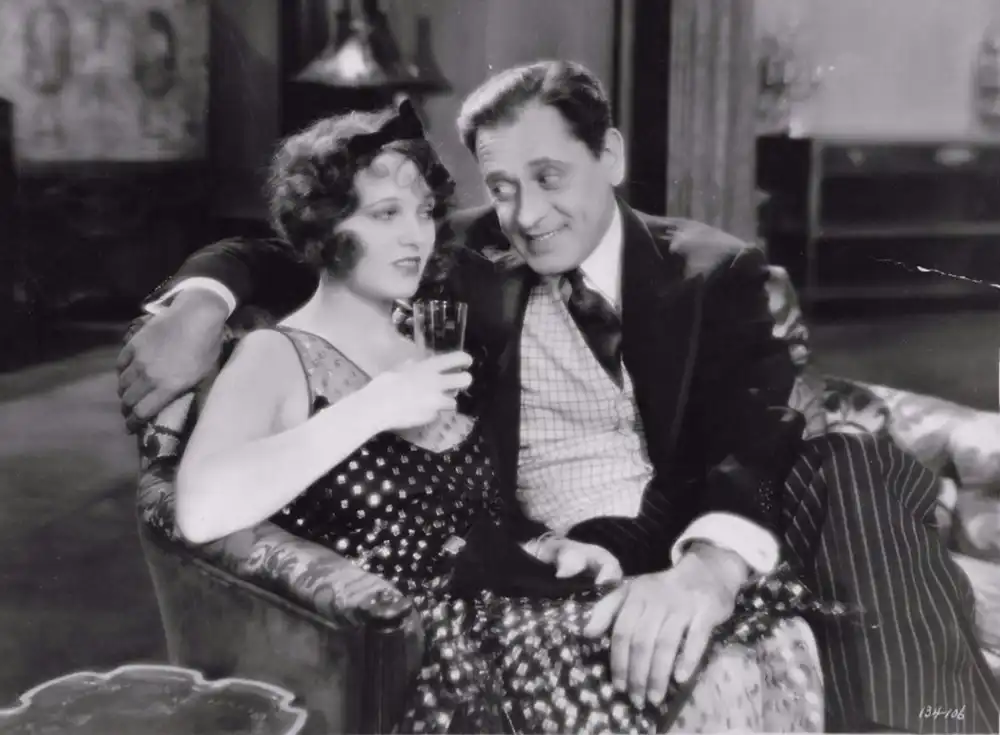
A small detail I noticed: the way the other women look at Miriam. There’s this one specific shot of a woman, a friend of Geoffrey’s family, just giving Miriam this absolutely venomous side-eye. It’s quick, maybe two seconds, but it packs more punch than ten intertitles explaining the gossip. Those brief, wordless moments are where the film actually shines.
Louise Fazenda, as Geoffrey's more down-to-earth friend, brings a welcome dash of energy. Her character is a little rougher around the edges, and her reactions often feel more natural than some of the more theatrical turns elsewhere. She provides a few moments of levity that are genuinely appreciated amidst all the melodrama. Her presence helps to ground things, even if just for a little while.
The overall message, about society’s harsh judgment and the possibility of redemption, is hammered home pretty hard. Every intertitle seems to reinforce the 'outcast' theme. It’s a little heavy-handed, sure, but that was often the style. You leave the film not just understanding the theme, but feeling like you’ve been lectured on it for an hour and a half.
The ending, without giving anything away, feels a bit rushed after all the emotional turmoil. It’s a classic melodrama wrap-up, but it almost feels like they ran out of film or budget to fully explore the resolution. One minute, everything is dire, the next, a convenient solution appears, and everyone is suddenly... fine. It's a quick pivot that feels a little unearned.
Outcast is a decent enough example of late-silent cinema, especially if you're curious about Corinne Griffith. It has its moments, particularly in those fleeting, observant glances, but it also has its share of awkward acting, dragged-out scenes, and a plot that feels like a well-worn path. It’s definitely not a must-see, but for the right kind of film archaeology enthusiast, there are worse ways to spend an evening.
IMDb —
1932
Community
Log in to comment.