DbcultAccessing Vault...
5.3/10
Senior Film Conservator
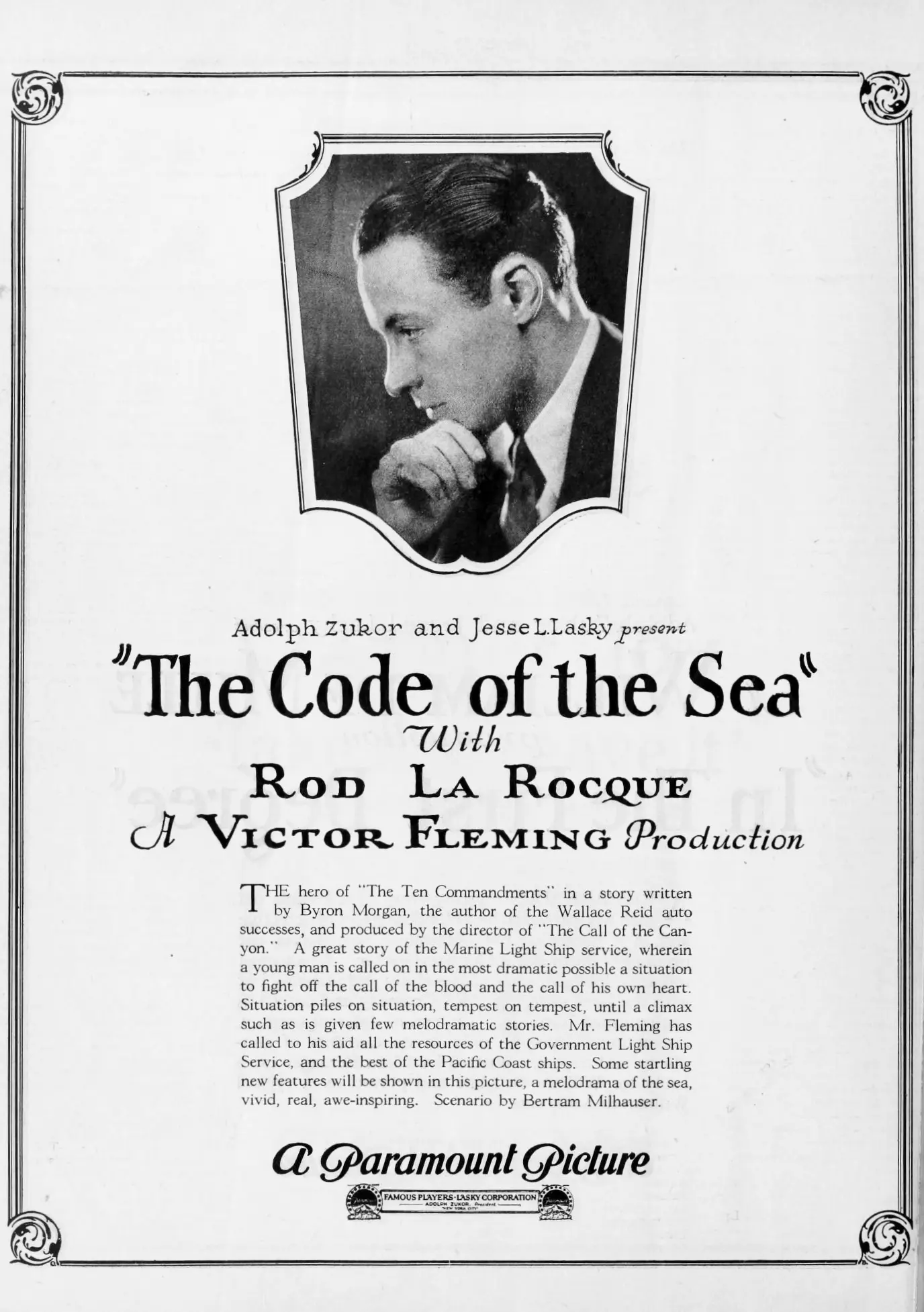
A definitive 5.3/10 rating for a film that redefined the boundaries of cult cinema. Code of the Sea remains a cornerstone of transgressive art.
The film opens on the tranquil yet serene waters of the sea, a setting that immediately evokes a sense of both beauty and danger. Sam Appel portrays the young Bruce McDow, whose journey is as much about self-discovery as it is about redemption. The narrative is a rich tapestry of emotions, with Robert Bolder and Charles Ogle contributing depth to the supporting roles that intricately weave the fabric of this tale.
At the core of the story is the profound bond between Bruce and Jenny, brilliantly played by Lillian Leighton. Their relationship is the heart of the film, a bittersweet dance of love and doubt. Bruce, haunted by the legacy of his cowardly father, Robert Brower, is torn between his past and the future he yearns to forge. Jenny’s unwavering belief in him serves as a beacon of hope, driving him to seek a position as a mate on a lightship, a role that would test his mettle and define his character.
The turning point in the narrative comes during a ferocious storm. The lightship, a sentinel of safety on the vast ocean, becomes the stage for Bruce’s ultimate test. As the wind howls and the waves rage, the ship is in peril. Bruce’s courage, hitherto unproven, is put to the ultimate test when he must make a decision that could mean the difference between life and death. In a moment of profound clarity, he chooses to act, saving not just the ship but also Jenny’s life. This act of heroism is the catalyst for his transformation, marking the climax of the film.
The cinematography of 'Code of the Sea' is a marvel of its time, capturing the raw beauty and the raw emotion of the sea. The use of natural light and the stark contrast between the calm and the tempestuous provide a powerful backdrop for the narrative. The score, a blend of orchestral and folk elements, enhances the emotional depth, with moments of tension and triumph that resonate deeply.
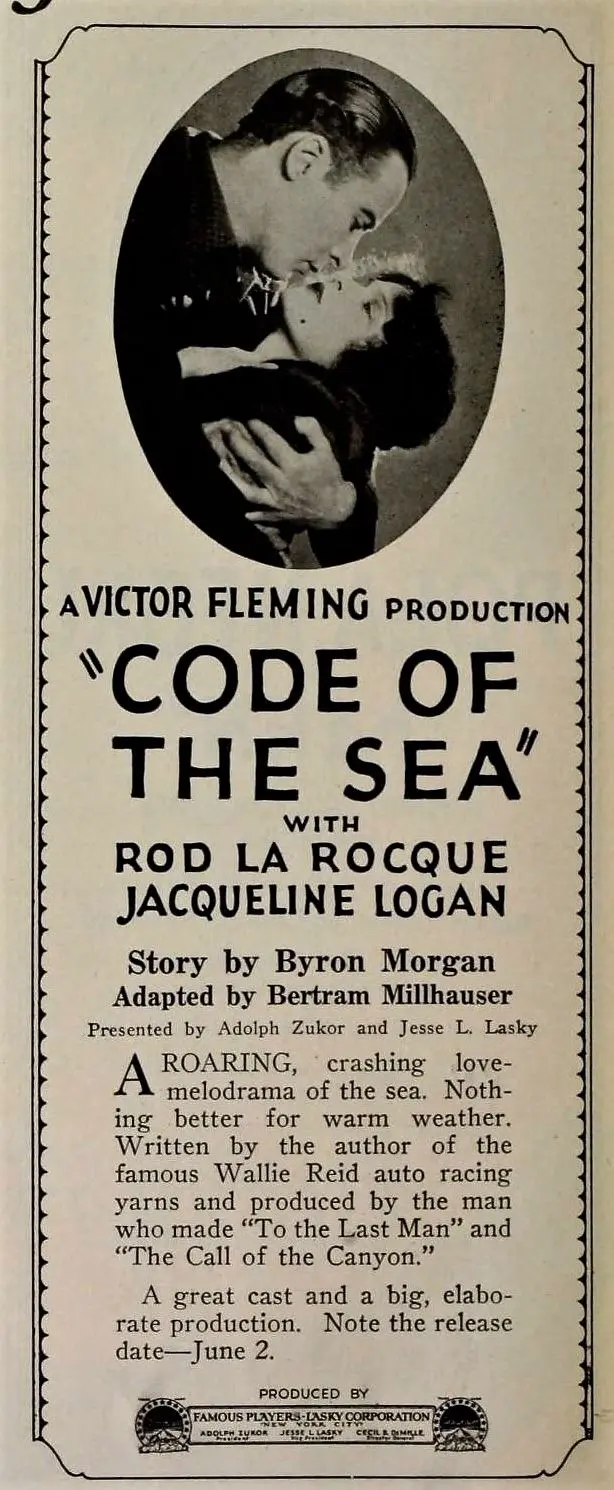
The interplay between the characters is another highlight of the film. The dynamic between Bruce and Jenny is tender yet complex, with a chemistry that is palpable. The supporting cast, including Sam Appel, Robert Bolder, Charles Ogle, and others, adds layers to the story, enriching the overall narrative. Each character’s journey is intertwined with Bruce’s, contributing to a cohesive and compelling narrative.
From a stylistic perspective, 'Code of the Sea' is a testament to the craftsmanship of its time. The direction by Byron Morgan and the screenplay by Bertram Millhauser ensures that every scene is meticulously crafted. The dialogue is natural and compelling, enhancing the emotional resonance of the story. The film’s pacing is deliberate, allowing the audience to fully absorb the narrative’s nuances and the characters’ emotions.
'Code of the Sea' stands out not only for its compelling storyline but also for its technical achievements. The film’s use of location shooting, particularly on a lightship, is a significant feat of its time. The attention to detail in the ship’s design and the portrayal of maritime life is both authentic and captivating. The film’s ability to balance action and drama, romance and peril, is a testament to its masterful direction and writing.
Comparatively, 'Code of the Sea' is reminiscent of films like 'Revelation' and 'Big Happiness,' both of which explore themes of personal redemption and the power of love. However, it uniquely captures the spirit of the sea, a theme that is more central to its narrative. The film’s maritime setting and the challenges it presents to its protagonist are what set it apart from its contemporaries.
In conclusion, 'Code of the Sea' is a remarkable film that delves into the depths of human emotion and the untapped potential within each of us. It is a story of courage, love, and the transformative power of belief. The film’s technical excellence, coupled with its profound emotional depth, make it a must-see for those who appreciate classic cinema. It is a film that not only entertains but also inspires, a true testament to the enduring power of storytelling.

IMDb 5.3
1933
Community
Log in to comment.