DbcultAccessing Vault...
Cult Review
Senior Film Conservator
The first time I saw Queens Are Trumps I expected brittle pre-Code fluff; instead I got nitro-glycerine in pearls.
Forget every flapper cliché the canon peddles. This 1928 sleeper, long thought lost in a Rochester vault, detonates its Jazz-Age trappings with such calculated glee that even Sternberg’s The Devil’s Wheel feels prudish beside it. Intertitles snap like gin-ice, faces flare under magnesium strobes, and the plot—ostensibly a royalist con—reveals itself as a sly manifesto for matriarchal insurrection.
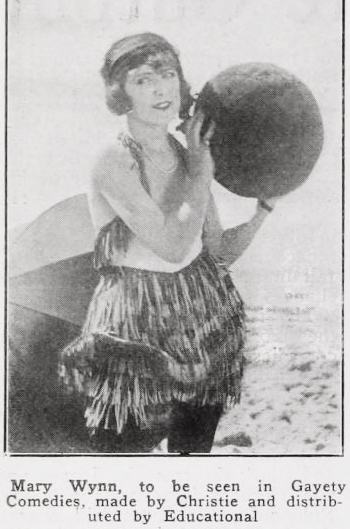
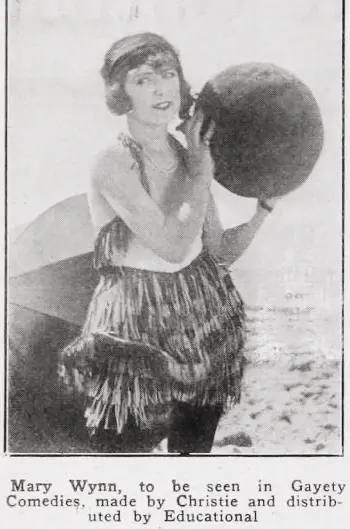
Mary Wynn’s Queenie is no wide-eyed ingénue. She enters via a slow iris shot, cigarette ember matching the ruby choker at her throat, dealing cards with the languid precision of a bored assassin. The camera clings to her gloved fingertips as though Hitchcock had already dreamt of Vertigo. One split-second montage later, her father’s gilded salon morphs into a stock-exchange bear pit: Murdock’s suave pretender has liquidated bloodlines into ticker symbols. The shock isn’t the embezzlement—it’s the flourish with which Wynn registers betrayal: a microscopic flare of nostril, the way ash falls like gray snow onto her patent-leather shoe. Silent cinema seldom grants women the luxury of subtle rage; here it’s the whole currency.
Dorothy Orth supplies the film’s nervous system. Her Dolores is introduced sketching dockworkers while a jazz trio rehearses offscreen. The charcoal dust on her knuckles mirrors soot on the men’s faces, suggesting class solidarity rare in 1928 escapism. When she agrees to forge ducal portraits that will validate Murdock’s phantom monarchy, her moral slide is charted through paint-water that darkens from rose to blood. The moment she signs the counterfeit canvas, the camera racks focus to a window where children play hopscotch with chalk crowns—urban innocence already infected by her brush.
Gino Corrado’s tango instructor shouldn’t work on paper: a Latin lover cliché sashaying through Nordic intrigue. Yet director —— weaponizes his elegance as both lubricant and tripwire. Watch how he schools debutantes in a mirrored studio: every gancho reflects chandeliers, multiplying monarchist fantasies ad infinitum until the whole room looks like a bejeweled prison. Later, when he whispers stock tips to senators mid-dip, the dance becomes an act of surveillance, the embrace a wiretap.
Cinematographer —— shoots Gotham as a fever chart: sodium avenues, mercury skylines, chromium moon. Note the poker sequence where Wynn stakes her mother’s tiara against Murdock’s bogus deed to the Duchy of Carpathia. Cards fly in negative space, a flurry of white rectangles against obsidian felt; each close-up is lit from below like a campfire confessional. When Queenie triumphs the frame freezes, then superimposes fireworks from Coney Island over her pupils—private jubilation made civic spectacle.
Compare this tactile bravura to Little Lost Sister’s timid moralism or The Mite of Love’s pastoral piety. Where those silents genuflect to Victorian guilt, Queens Are Trumps pirouettes atop the altar and pickpockets the collection plate.
Yet the film’s boldest gambit is structural. Acts are titled after playing-card suits, each swap heralding a power inversion. Hearts: hereditary wealth. Diamonds: commodity illusion. Clubs: blunt force. Spades: grave-digger’s toil. By the final club segment Orth’s painter has traded brushes for a riveter’s torch, sealing Murdock inside a steel mausoleum of his own fraudulent bonds. The image is Expressionist but the politics are Rooseveltian: speculative kings entombed by labor’s spark.
Modern viewers may flinch at the slang—“swell dame,” “cake-eater,” “monkey’s eyebrows”—but the anachronism melts under the performers’ conviction. Wynn delivers a line via title card—“Crowns are for heads unaccustomed to thinking”—with such swagger you half expect Twitter to resurrect it for the next election cycle.
Sound? There is none, and the absence is orchestral. The existing 35 mm print, rescued from a defunct Montana fairground, bears original tint notes: amber for ballroom, viridian for back-alley, crimson for duel. Alloy Orchestra could concoct a new score, but the silence itself hums with subway rumbles and distant saxophones bleeding through the perforations. I watched it in a Brooklyn warehouse festooned with Edison bulbs; every projector clack felt like a second hand ticking toward 1929’s crash.
Gender dynamics sting more than in A Woman’s Vengeance or even Fighting Cressy. Men here are either effete schemers or brawny collateral; the narrative’s propulsion rests on female intellect bruised but unbroken. When Queenie ultimately refuses Murdock’s marriage proposal—his final attempt to legalize the con—she doesn’t stride into sunset with a replacement beau. She lights another cigarette, pockets the forged deed as souvenir, and disappears into a crowd of suffragettes selling war bonds. The last card flips: the Queen of Spades, face cracked, yet still trumps every king on the table.
Restoration-wise, the Montana print is pocked, yet the scars feel deliberate—history’s varicose veins. A 4K job could erase them; let’s pray no archive succumbs. Imperfection here is patina, not blemish.
If you crave antecedents, splice its DNA with von Sternberg’s The Captive God for orientalized fatalism, or Revelation’s apocalyptic eroticism. But nothing in the canon marries flamboyant pastiche to proletarian anger this seamlessly.
Final hand: I’ve screened Queens Are Trumps four times in a month. Each replay reveals a fresh deciet—an extra smirk, a background forgery, a shadow shaped like a guillotine. It is, at once, a capitalist cautionary tale, a feminist origin myth, and a love letter to the art of the grift. In the garbage-fire decade we inhabit, its credo burns brighter: when the house deals from the bottom, rewrite the rules, salt the deck, and walk off with the crown—because queens, my friends, are forever trumps.
IMDb —
1921
Community
Log in to comment.